Does a Passenger Need Their Own Georgia Forest Permit?
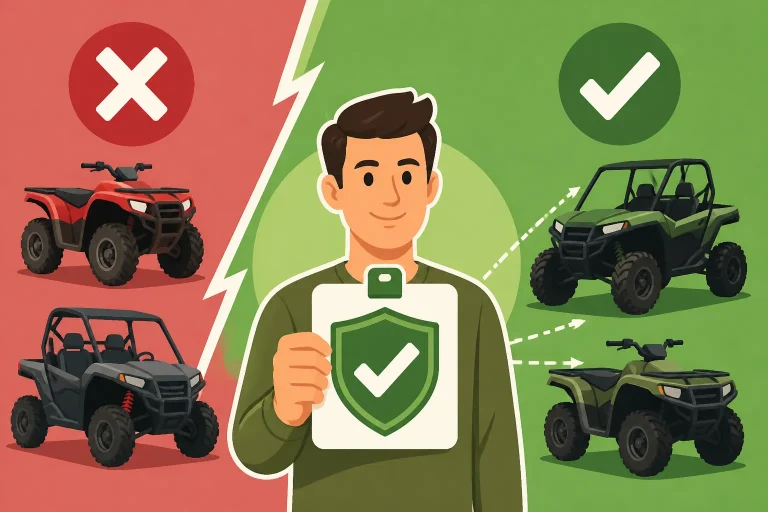
A passenger riding along on a Georgia National Forest OHV trail usually does not need a separate forest permit. The key distinction is whether that person is a passenger or an operator: the permit follows the person driving, not the machine. If you plan to swap drivers or bring more than one machine, count the operators before you go.
The short answer: permits are for operators
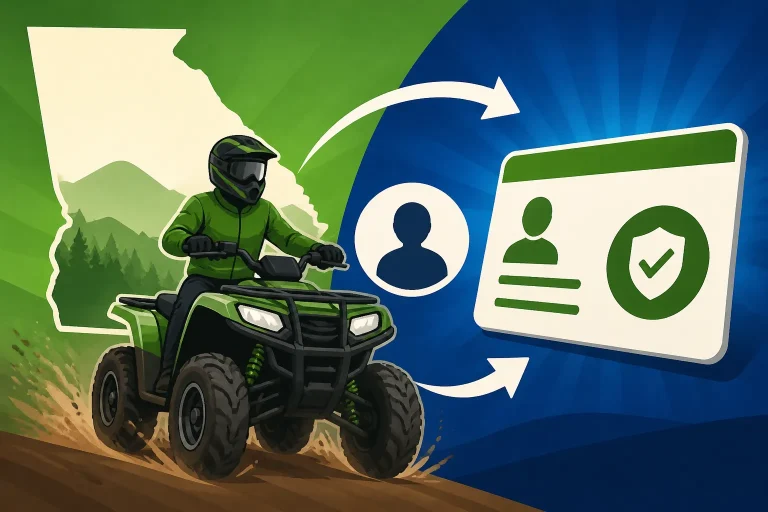
Georgia’s National Forest OHV permit is generally required for each person who operates a vehicle on a trail system where the permit applies. A passenger who stays in the passenger seat and does not drive does not need a separate operator permit.
That rule can be easy to misread. The permit is not simply a tag attached to the ATV or side-by-side, and buying one for the vehicle does not cover every person who takes a turn operating it. It is tied to the person using the machine as an operator. For a fuller explanation, see Georgia National Forest Permits Are Per Operator.
| Riding situation | Who needs a forest OHV permit? |
|---|---|
| One operator and one passenger on one machine | The operator |
| Two people taking turns driving one machine | Each person who operates |
| Two people operating separate machines | Each operator |
| A passenger who rides but never drives | No separate operator permit |
| A person who joins the ride but does not operate a machine | No operator permit for that ride |
A passenger might still need to follow other trail, safety, age, or equipment rules. The forest permit answers only whether that person needs an operator permit; it does not determine whether a particular passenger may ride on a particular machine or trail.
A passenger is not an operator just by being on board
If you are driving and another person rides as your passenger for the whole trip, that person is not taking over operation merely because they are on the machine. The driver needs the applicable permit; the passenger does not need a second permit just for occupying the passenger seat.
This is the basic distinction behind Georgia OHV Permit for a Passenger. Do not confuse a passenger permit question with a vehicle-capacity question. A machine must be designed and equipped for the number of people aboard, and riders should use the seats and restraints provided for them. A passenger should not ride in a cargo area or in a position the manufacturer did not designate for passengers.
When a passenger needs their own permit
A passenger needs their own operator permit if they become an operator during the ride. The clearest example is switching drivers halfway through the day. Even if both people use the same machine and only one drives at a time, both people operate it if each takes a turn behind the controls.
The same principle applies when a group brings multiple machines. One person’s permit does not cover a second person who is operating another vehicle. The permit follows each operator, rather than transferring between people as machines are shared.
Switching drivers
Suppose two adults share one side-by-side. One drives in the morning and the other takes the wheel later. If both operate on a permit-required OHV trail, each needs their own permit. The fact that they used one machine does not make the passenger’s later driving part of the first driver’s permit.
If you intend to trade places, arrange permits for both prospective drivers before setting out. It is also sensible to decide in advance where you will stop to switch. That avoids the temptation to let someone drive briefly without checking whether they meet the trail system’s operator requirements.
Separate machines in a group
If two riders each operate their own ATV or side-by-side, each is an operator and needs the applicable permit. That remains true when the machines travel together, are owned by one family, or are transported on the same trailer.
A permit is not a group pass for everyone in a riding party. Nor does one person’s annual permit automatically cover another person who drives a different machine. The operator-based rule is explained further in Two Riders and Two Permits on One Machine.
A passenger who is also a potential driver
Someone may start the day as a passenger and later decide to drive. The person’s status changes when they take over operation; their permit needs to be in place before they do. If you are unsure whether the passenger might drive, planning for both people as operators is the straightforward option.
Check the specific trail system’s current permit instructions before the trip. Permit types and purchasing steps can differ from other requirements, and a pass for one kind of riding does not necessarily satisfy rules for a different location. Georgia Day Permit vs Annual Permit Value can help you compare the general permit options.
What the forest permit does and does not cover
A forest OHV permit is not a blanket authorization to ride anywhere in a national forest. It applies to the relevant OHV use and trail system, and riders still need to follow posted closures, route designations, machine restrictions, and other site rules. Confirm that the route you plan to use is open to your type of vehicle and that the permit you have is accepted there.
Georgia also has riding areas with different land managers and access rules. A private off-road park may use its own entrance fees, waivers, age limits, or riding requirements. Wildlife Management Area access has separate rules as well; a forest OHV permit should not be treated as permission to ride on every WMA road or trail. For that distinction, review Georgia WMA Riding Rules Explained.
| Requirement | What to check |
|---|---|
| Forest OHV permit | Whether the planned system requires a permit and which operators need one |
| Trail access | Whether the route is designated for your machine and open on your riding date |
| Vehicle fit | Width or other equipment limits posted for the trail system |
| Passenger use | Whether the vehicle has a proper passenger seat and restraint |
| Other land rules | Whether the route is on Forest Service land, WMA land, private land, or another area |
| Youth and safety rules | Age, supervision, helmet, and protective-equipment requirements |
A permit also does not replace a vehicle registration or make a machine legal for public-road use. Forest trail access and road access are separate questions. If you are considering county-road travel rather than trail riding, read Georgia MPOHV Road Rules: County Roads Only and check the rules that apply to that road.
A permit is not tied to the vehicle
Because the permit is per operator, it is not a vehicle registration. It does not establish ownership, authorize a passenger, or give a machine access to every road. A single operator who uses more than one machine may still need to follow the permit terms for the trail system, but another person cannot borrow that operator’s permit to drive.
This distinction matters when a family shares equipment. A parent’s permit does not become a child’s permit if the child takes the controls. Likewise, a passenger does not need to carry a separate operator permit merely because the machine has a permit associated with its driver.
The permit is separate from permission to ride as a passenger
Not needing an operator permit does not automatically mean a person is allowed to ride as a passenger. Passenger access depends on the machine’s design, the trail system’s rules, and any applicable age or safety requirements. Some machines are built for a driver only; others have passenger seating and restraints. Follow the manufacturer’s passenger limits and the trail manager’s posted requirements.
For younger riders, check the rules that apply to the child’s role, age, and location rather than assuming the permit answer settles everything. Georgia’s state helmet rules are a separate issue from the forest permit; see Georgia Helmet Rules for Riders Under 18. Trail systems and private parks may also set additional requirements. The general supervision topic is covered in Georgia Supervision Rules for Minors.
Before you leave: a practical permit check
A few minutes of checking can prevent a frustrating disagreement at the trailhead. Start by identifying the exact system and route, then count everyone who may operate a machine. If a passenger might drive, treat that person as a prospective operator when arranging permits.
- Confirm the riding area. Check that the trail is part of a system where your permit is valid, and verify that it is open. Forest land does not mean every road or route is open to OHV use. Review Georgia National Forest Trail-Only Rule for the distinction between designated trails and other forest routes.
- Count operators, not seats or machines. A passenger who never drives does not need a separate operator permit. Every person who takes the controls on a permit-required trail should have the required permit.
- Check the permit type and purchase instructions. Review current terms through the official purchase channel before leaving. Georgia Permits on Recreation.gov covers one way riders may obtain permits; follow the current instructions for the system you plan to visit.
- Keep proof accessible. Carry or display the permit as the current rules direct. If it is electronic, make sure you can show it at the trailhead even if your phone has limited service. See Carrying a Permit on the Trail.
- Check passenger and youth rules separately. Verify that the machine is designed for the passenger, that required restraints are available, and that age and safety requirements are met.
- Review other access conditions. Confirm vehicle-width limits, trail closures, operating hours, and any requirements that apply to the specific area.
Do not assume a receipt, vehicle registration, private-park wristband, or permit from another state substitutes for the required Georgia forest OHV permit. Those documents may serve different purposes. When a rule is unclear, ask the land manager or permit seller about the exact trail system and riding arrangement, especially if you plan to switch drivers.
Common mistakes to avoid
The most common misunderstanding is buying one permit for one machine and assuming it covers everyone who might drive it. It covers the person who holds the operator permit according to its terms, not every person who uses the vehicle. If two people will take turns, plan for two operators.
Another mistake is buying permits for every passenger without checking the rule. A passenger who does not operate generally does not need a separate operator permit, but they may be subject to other rules. Focus on the role each person will have, then confirm passenger eligibility and safety requirements independently.
Finally, do not treat a permit as permission to ride a closed or undesignated route. Trail status can change, and a valid operator permit does not override a gate, closure notice, or machine restriction. Check the route and conditions shortly before travel, and follow posted instructions when you arrive.
Disclaimer
This article is for general informational purposes only and does not constitute professional advice. Laws, prices and regulations vary by location and change over time. Consult a qualified professional for guidance on your specific situation.