Georgia Trespass Law for ATV Riders
There’s nothing quite like the thrill of hitting the trails or exploring the great outdoors on your ATV or UTV. But let’s be honest, that exhilaration can quickly turn to anxiety if you’re constantly worried about whether you’re on someone else’s land. The fear of getting a knock on your helmet from an angry landowner or, even worse, a visit from local law enforcement, is a real concern for many Georgia off-road enthusiasts. This guide is here to untangle the complexities of Georgia's trespass laws, helping you understand where you can legally ride and how to avoid costly and stressful encounters.
Understanding Georgia's Trespass Laws for Off-Roaders
Navigating the vast landscapes of Georgia on an ATV or UTV offers an incredible sense of freedom, but that freedom comes with a significant responsibility: knowing where you’re allowed to ride. Many riders, especially those new to the sport or exploring new areas, often find themselves in a bind, unsure if the path they’re on is public access or private property. It’s a common pitfall, and one that can lead to serious legal headaches if not understood properly. Georgia’s laws are clear, and a little knowledge goes a long way in keeping your ride fun and free from legal trouble.
What Constitutes Trespassing in Georgia?
In Georgia, criminal trespass is broadly defined under O.C.G.A. § 16-7-21. For ATV and UTV riders, this usually boils down to a few key scenarios. The most straightforward is simply entering or remaining on the land or premises of another without authorization. This isn’t just about breaking and entering a building; it applies to open land, woods, fields, and even that seemingly abandoned dirt road you thought was a public shortcut. The law doesn't care if you intended to trespass; if you're there without permission, you could be in violation.
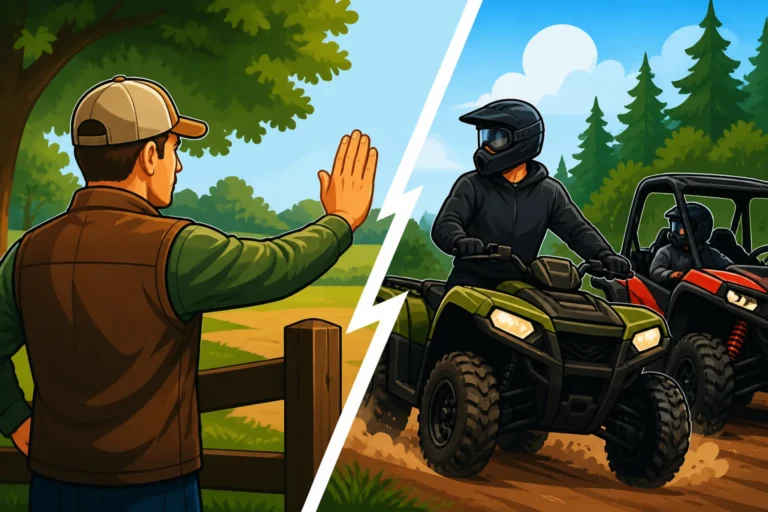
Imagine this scenario: you're exploring a new area, following what looks like an old logging road. There are no "No Trespassing" signs immediately visible, and the path seems to stretch endlessly into the forest. You assume it’s fair game. Suddenly, you come across a gate, or worse, a landowner who informs you that you're deep within their private hunting grounds. Your heart sinks. At that point, you’ve technically committed criminal trespass. Even if you immediately turn around and leave, the act of entering without permission has occurred. The law often looks at the potential for damage, too; heavy off-road vehicles can rut up soft ground, disturb wildlife, or damage fences, all of which contribute to the severity of the offense from a landowner's perspective. It's this very real potential for harm, even unintentional, that underscores the importance of knowing who owns the land you're traversing.
The Importance of Posted Land and Fences
Many people mistakenly believe that if land isn't explicitly marked with "No Trespassing" signs or fully fenced, it's public domain. This couldn't be further from the truth in Georgia. All privately owned land is, by default, off-limits unless you have explicit permission to be there. "Posted land" — meaning property marked with signs, purple paint on trees, or clearly defined fences — simply makes the landowner's intent to keep people out undeniably clear. These markings serve as a heightened warning, and ignoring them can sometimes lead to more severe penalties or a swifter legal response.
Think of it this way: a "No Trespassing" sign isn't granting permission to enter if one isn't present; it's simply reinforcing an existing legal right of the landowner. If you ride past a "No Trespassing" sign, you’re not just potentially trespassing, you're doing so with blatant disregard for the landowner's wishes, which could escalate the situation significantly. Fences and gates serve a similar purpose, acting as clear physical barriers indicating private property. Going around, over, or through them without permission is a direct violation. If you ever encounter a situation where you suspect unauthorized riders are repeatedly entering private land, knowing how to handle it properly can be crucial. For more details on what to do in such situations, consider reading about [Reporting Riders on Posted Land].
What Happens If You Trespass on an ATV/UTV?
The consequences of trespassing on an ATV or UTV in Georgia can range from a stern warning to significant legal trouble. If a landowner confronts you, they might simply ask you to leave. However, they are also within their rights to contact law enforcement, leading to a criminal trespass charge. This isn't just a slap on the wrist; criminal trespass is typically a misdemeanor offense in Georgia, which can result in fines, potential jail time, and a criminal record. Nobody wants that for a weekend ride!
Beyond the direct legal penalties, your machine itself could be at risk. In some cases, especially if there's damage to property or repeated offenses, your ATV or UTV might be impounded. Imagine having your prized machine, perhaps outfitted with quality aftermarket accessories from SuperATV that you’ve invested in, hauled away, leaving you stranded and facing hefty impound fees on top of everything else. It’s a nightmare scenario that highlights why understanding and respecting property lines is paramount. The cost of a ticket for illegal riding, whether on private land or unauthorized public roads, can be surprisingly steep. You might be interested in learning more about the potential financial ramifications by looking into [Georgia Ticket Cost for Illegal Road Riding]. And the thought of losing your ride to impoundment is enough to make anyone double-check their route, so understanding [Georgia Impound Rules After a Violation] is also wise. The stress, the fines, the potential for a criminal record – it’s simply not worth the risk of riding where you shouldn’t be.
Securing Permission: The Golden Rule of Off-Road Riding
The easiest, safest, and most responsible way to enjoy your ATV or UTV in Georgia is to ensure you always have explicit permission to be on the land you're riding. This isn't just about avoiding trouble; it's about building good relationships with landowners and ensuring the continued enjoyment of off-roading for everyone. Trust me, a friendly conversation and a clear agreement can save you a world of hurt.
Always Get Explicit Permission
When it comes to riding on private land, permission is king. But not all permissions are created equal. While a verbal "sure, go ahead" from a friend might feel sufficient, for anything beyond a casual ride in their immediate backyard, written permission is always the superior choice. A written agreement clarifies boundaries, dates, and any specific rules the landowner might have, preventing misunderstandings down the line. It serves as proof if questions arise and protects both you and the landowner.
Consider this common scenario: your buddy says you can ride on his uncle's back forty. You show up, ready for a day of adventure, only to find the uncle there, completely unaware of your visit, and quite upset. Or perhaps you've been riding on a timber company's vast acreage for years with a casual nod from a local manager, but suddenly management changes, and the new folks aren't so keen. Without a written agreement, your "permission" can disappear in an instant or be challenged by others. A simple letter, an email exchange, or even a signed form outlining the terms can make all the difference. Knowing how to draft or utilize such an agreement is crucial for responsible riding, and you can find helpful resources on this topic, such as information on [Georgia Landowner Permission Forms]. It takes a little extra effort upfront, but that peace of mind is priceless.
Identifying Land Ownership When You're Unsure
It's a familiar sight for many riders: a tempting patch of woods, an old field, or a network of dirt trails that seem perfect for an afternoon spin. But how do you know who owns it? Guessing is a recipe for disaster. Luckily, there are tools available to help you identify land ownership, even if it requires a bit of detective work. County tax assessor websites often have searchable GIS (Geographic Information System) maps that allow you to zoom in, select parcels of land, and view ownership information. This might include the owner's name and sometimes even contact details.
The process typically involves finding the county the land is in, navigating to their tax assessor or property records page, and using their interactive map. It can be a little clunky, and sometimes the information is outdated or hard to find, but it's often the best starting point. Once you have a name, a quick online search might reveal contact information. Reaching out politely, explaining your intentions, and respecting their decision (even if it’s a "no") is the key. Many landowners are more amenable to granting access if approached respectfully rather than discovering riders unannounced. The common mistake of assuming that any unused or unmaintained land is public domain is a dangerous one, and it's precisely why a little research is so vital before you ever drop your tailgate.
Special Cases: Easements, Rights-of-Way, and Leases
Not all land is a simple "yes" or "no" for riding. Some areas have complex ownership or access arrangements, such as easements, rights-of-way, or hunting club leases. Understanding these nuances is crucial for staying within legal bounds. For instance, utility easements, power line cuts, or pipeline rights-of-way might look like open trails, but they are typically owned by private individuals or companies, with specific rights granted to utility providers for maintenance. This does NOT mean the general public has a right to ride them. Attempting to ride through these areas without explicit permission from the underlying landowner or the utility company (which is rare for recreational use) can still constitute trespass. For more insight into these specific situations, you might want to review [Georgia Rules for Riding a Utility Easement], [Georgia Rules for Riding a Power Line Cut], or [Georgia Rules for Riding a Pipeline Right of Way]. These seemingly open corridors are almost always private.
Similarly, riding on land managed by a hunting club under a lease agreement requires specific permission. While the hunting club may have secured a lease from the landowner, their rights are often limited to hunting activities and may not extend to recreational ATV/UTV riding by non-members or even members outside of hunting season. If you're part of a hunting club, make sure you understand the terms of their lease and any specific rules regarding off-road vehicle use. Don't assume that just because the club has access, you do too for recreational purposes. It's always best to clarify these details directly with the club leadership or, ideally, with the actual landowner. Detailed information on this can be found in resources like [Hunting Club Leases and Machine Use]. These complex arrangements underscore the need for vigilance and direct communication rather than assumptions.
| Scenario | Is it Legal to Ride? | Best Practice for Riders | Potential Issues |
|---|---|---|---|
| Unmarked woods, no signs | No | Research ownership via county tax maps; contact landowner for written permission. | Criminal trespass, fines, impoundment, damaged relationships. |
| Land with "No Trespassing" | No | Absolutely avoid; find legal riding spots. | Higher chance of law enforcement involvement, stiffer penalties. |
| Utility Power Line Cut | No | Contact landowner and utility company for explicit written permission (unlikely). | Trespassing, damage to utility infrastructure, landowner disputes. |
| Hunting Club Leased Land | Maybe (with club/owner permission) | Verify club's lease terms allow riding; get written permission from club and owner. | Violation of lease, landowner anger, club membership revoked. |
| Friend's Farm (verbal consent) | Risk | Get written permission, clarify boundaries and any specific rules. | Misunderstandings, disputes, friend's landowner liability issues. |
| Designated OHV Park/Trail | Yes | Pay fees, follow all park rules, stay on marked trails. | Expulsion from park, fines, injury if not following safety guidelines. |
| Registered MPOHV on County Road | Yes (specific conditions) | Ensure machine is eligible and registered; know local ordinances for specific roads. | Fines for unauthorized road use, lack of proper registration. |
| Your Own Private Property | Yes | Be mindful of noise ordinances, property lines, and local HOA rules. | Neighbor complaints, HOA fines if rules are violated. |
Where You Can Legally Ride in Georgia
Now that we’ve covered where you can’t go, let’s talk about the fun part: where you can legally ride your ATV or UTV in Georgia. While the temptation to explore every dirt track is strong, sticking to authorized areas protects you, your machine, and the future of off-roading in our state. There are some fantastic options available, and knowing them is key to truly enjoying your passion without fear.
Dedicated Off-Road Parks and Trails
This is, hands down, the safest and most enjoyable way to ride your ATV or UTV in Georgia. Dedicated off-road parks and trail systems are designed specifically for machines like yours, offering a variety of terrain, challenges, and facilities without the constant worry of trespassing. Georgia is home to a number of excellent options, ranging from extensive national forest OHV systems to privately owned parks that cater to every level of rider.
For example, the Chattahoochee-Oconee National Forest offers several designated OHV trail systems, such as Houston Valley and Beasley Knob, providing miles of marked trails through beautiful natural landscapes. These areas often require a permit, but the cost is minimal for the access and peace of mind you gain. Then there are private parks like Iron Mountain Resort or Highland Park Off-Road Resort, which boast hundreds of miles of trails, ranging from beginner-friendly paths to extreme rock crawling. Many of these parks offer amenities like camping, wash stations, and even on-site repair shops. When preparing for these adventures, many riders find that upgrading their machines with durable components, perhaps from brands like SuperATV, ensures their rig can handle the varied and challenging terrains found in these dedicated parks. You can find extensive information on where these fantastic opportunities are by looking into [Georgia ATV Trails: Where You Can Legally Ride] and for a comparison of various private options, check out [Georgia Private Off-Road Parks Compared]. These places are built for us, so let's use them!
Permitted Road Access: MPOHVs and County Roads
Georgia has recently opened a limited pathway for certain types of off-highway vehicles to gain road access, specifically on county roads. This is a game-changer for many utility vehicle owners, but it comes with very specific rules and requirements. The state introduced the "Multi-purpose Off-Highway Vehicle" (MPOHV) designation, allowing certain side-by-sides to be registered for limited road use. It's important to understand that this is NOT a blanket "street legal" designation for all ATVs and UTVs. Far from it.
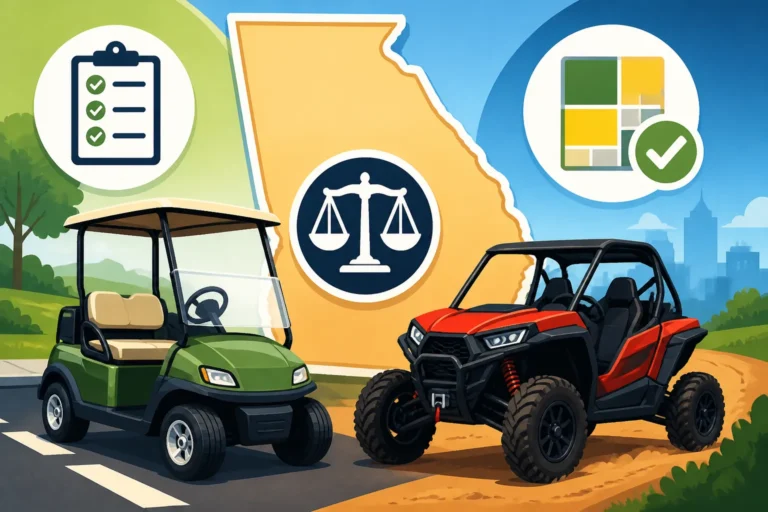
To qualify as an MPOHV, your machine must meet a strict set of criteria, including specifications for width, weight, payload, speed capabilities, and safety equipment like seat belts and a steering wheel (no handlebars!). Once registered, these MPOHVs are permitted on county roads, but they are generally prohibited from state highways, interstates, and municipal streets unless a local ordinance specifically allows it. This means you need to know not only the state rules but also any local laws in the counties you plan to ride. It’s a fantastic option for connecting trails, accessing hunting leases, or simply getting from point A to point B in a rural setting, but only if your machine qualifies and is properly registered. To dive deeper into what this means for your machine, you'll want to review [Georgia MPOHV Registration Explained]. And for detailed guidance on where these vehicles can actually go, understanding [Georgia MPOHV Road Rules: County Roads Only] is absolutely essential. Don't assume; verify your vehicle's eligibility and the local road rules before you venture out.
Your Own Private Property
The most straightforward and worry-free place to ride your ATV or UTV is, of course, on your own land. If you’re fortunate enough to own acreage in Georgia, you have the freedom to ride to your heart’s content, whether it’s for recreation, farm work, or just maintaining your property. This is your personal off-road paradise, where you set the rules (within legal reason, of course!).
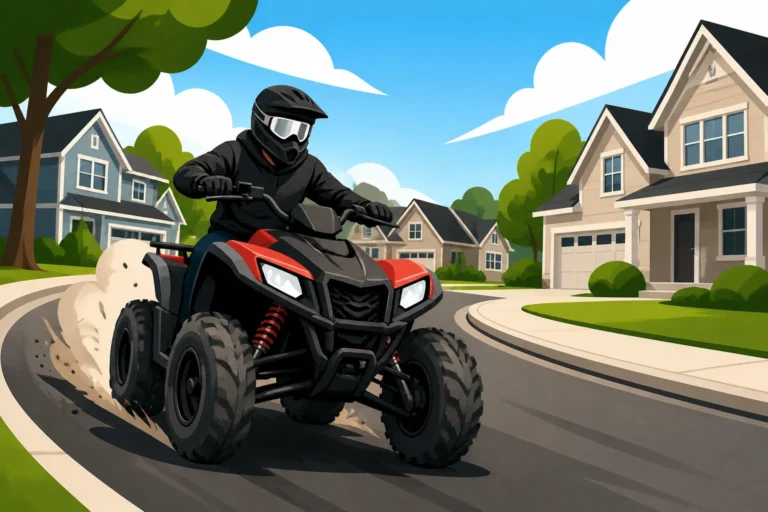
However, even on your own property, there are a few considerations. While you generally don't have to worry about trespassing, you should still be mindful of noise ordinances that might apply in your area, especially if you have close neighbors. Excessive noise can lead to complaints, even on private land. Similarly, if you live in a community with a homeowners' association (HOA), they might have specific rules regarding the use and storage of ATVs and UTVs. These rules can vary wildly, so it's always a good idea to check your HOA covenants. While it’s unlikely to be "trespass" on your own land, being a good neighbor and respecting community rules ensures a harmonious experience for everyone. For those in an HOA, it's worth understanding [Georgia HOA Rules About Side-by-Sides] to avoid any unexpected issues. Your own property offers ultimate freedom, but a little common sense goes a long way.
Disclaimer
This article is for general informational purposes only and does not constitute professional advice. Laws, prices and regulations vary by location and change over time. Consult a qualified professional for guidance on your specific situation.