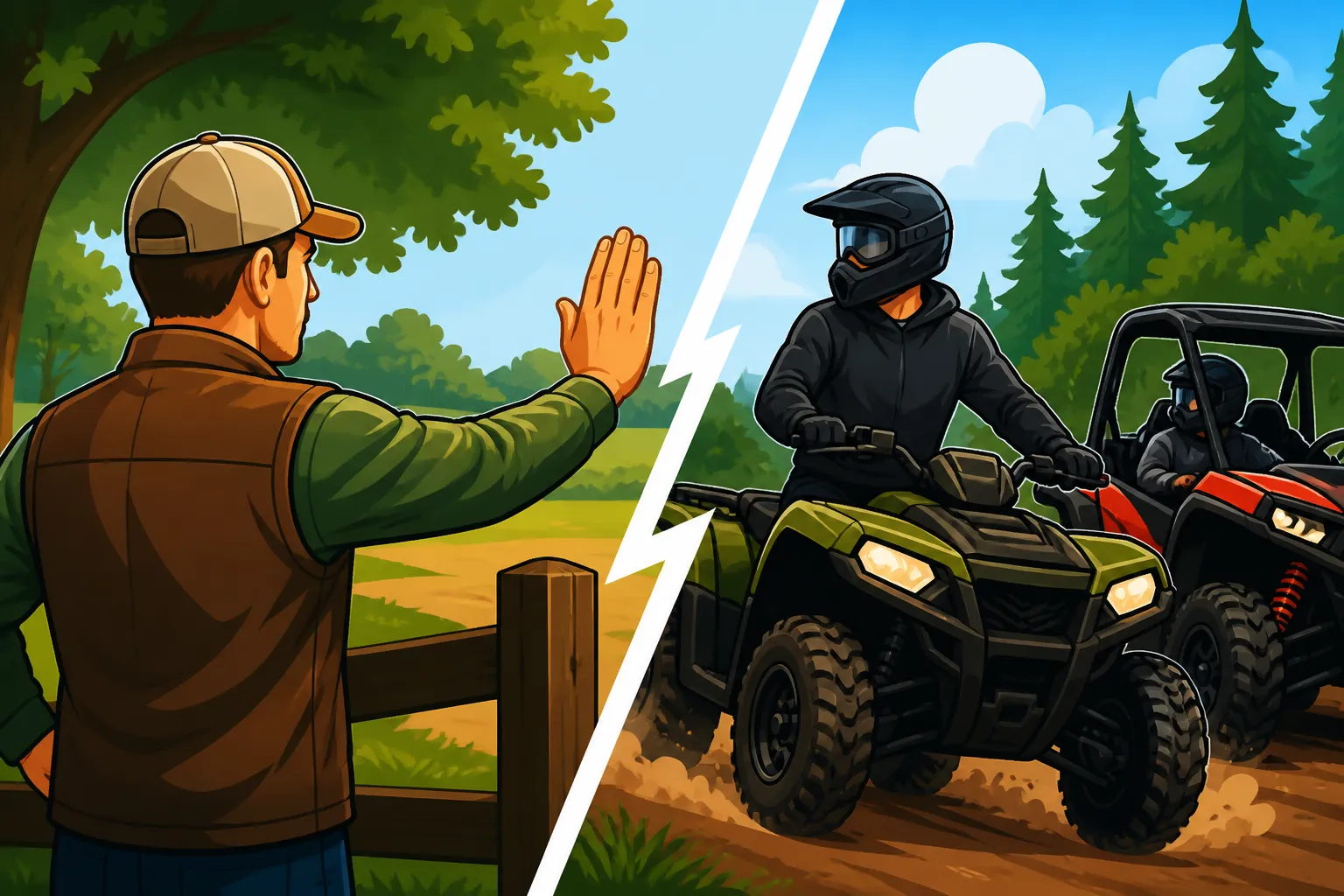
Can a Georgia Landowner Order Riders Off Their Land?
It’s a tale as old as time for anyone who loves exploring the Georgia outdoors on their ATV or UTV: you find what looks like a perfect trail, a quiet dirt road, or an inviting patch of woods, only to wonder, "Whose land is this, and can I even be here?" The confusion and the anxiety of accidentally trespassing are real frustrations for countless riders. This guide is here to clear the air, explaining exactly what rights a Georgia landowner has to order riders off their property and how you, as a responsible rider, can avoid potential legal headaches.
Understanding Landowner Rights and Trespass Laws in Georgia
When you head out on your side-by-side or quad, it’s easy to get caught up in the thrill of the ride and the beauty of the Georgia landscape. However, much of that inviting landscape is privately owned, and understanding the basic legal framework around private property is crucial for any rider. In Georgia, landowners have significant rights regarding who can and cannot be on their land, and these rights are backed by specific trespass laws designed to protect their property.
The Basics of Private Property and Permission
At its core, private property means exactly what it sounds like: land that belongs to an individual, a family, a business, or an organization. This ownership grants the landowner the exclusive right to use, enjoy, and control that property, including who they allow onto it. For ATV and UTV riders, this means that unless you have explicit permission from the landowner, you generally do not have a right to ride on their private land. It's not a matter of whether the land looks unused or if there's no fence; if someone else owns it, you need their okay.
In Georgia, trespassing is generally defined as entering or remaining on the land or premises of another without permission or lawful authority. This isn't just about breaking down a fence or ignoring a "No Trespassing" sign; it can be as simple as driving onto a private dirt road that you thought was public. The law aims to protect the owner's right to privacy and control over their domain. Without that clear permission, you are technically a trespasser, even if your intentions are good. This is a fundamental concept that often surprises riders who are used to more open access in other contexts.
The emphasis here is squarely on permission. It's the golden key. If you don't have it, you shouldn't be there. This can be a verbal agreement, a written lease, or specific signs indicating public access (though these are rare on private land for motorized vehicles). Thinking you're "just passing through" or "no one will care" can quickly lead to an uncomfortable, and potentially costly, encounter with a landowner or law enforcement.
Posted Land and "No Trespassing" Signs
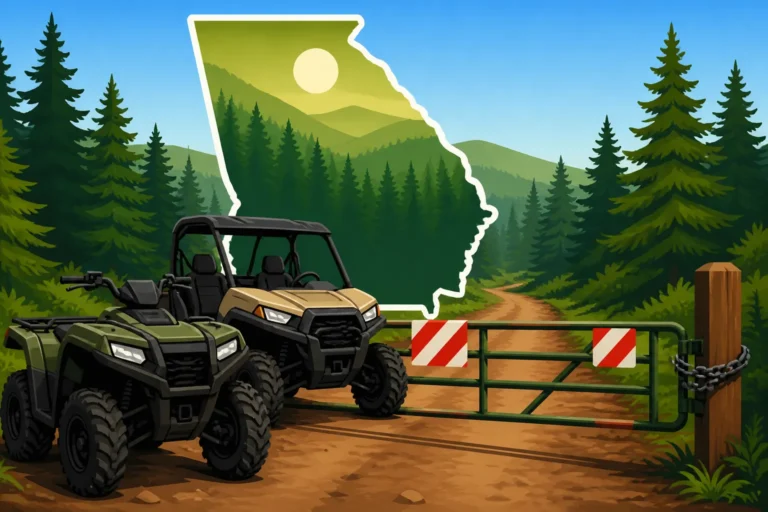
One of the most direct ways a Georgia landowner asserts their property rights is through "No Trespassing" signs or by otherwise "posting" their land. These signs serve as a clear, unmistakable warning that entry is prohibited. When land is posted with visible "No Trespassing" signs, or marked with paint on trees or posts, it removes any ambiguity about whether permission is granted. Riding past these signs is a direct violation and makes any claim of ignorance much harder to defend.
Georgia law supports the landowner's right to post their property. These signs don't have to be on every single tree, but they need to be placed in a way that a reasonable person would notice them at common points of entry. This visual warning acts as a legal notification, essentially telling everyone who approaches: "Stay out." If you encounter such signage, it’s your immediate cue to turn around, no matter how tempting the trail looks. Ignoring these signs isn't just rude; it's a deliberate act of trespass that can carry legal penalties.
Beyond physical signs, a landowner can also give direct verbal warnings. If you're on someone's property and they approach you and tell you to leave, that constitutes a direct order. Even if the land isn't posted, once you've been told to depart, you are then on notice. Refusing to leave after a direct order elevates the situation and can lead to more serious legal consequences, including arrest for criminal trespass. This is why always being respectful and cooperative with landowners is paramount.
What if There Are No Signs? Implied Permission
A common misconception among riders is that if land isn't explicitly posted with "No Trespassing" signs, it must be okay to ride there. This is a dangerous assumption in Georgia, and it's simply not true. The absence of a sign does not imply permission. Instead, the general rule of private property still applies: you must have permission to be there, whether or not there’s a sign.
Georgia law does not require landowners to post their property to protect it from trespass. While posting provides a clear warning and can strengthen a landowner's case, the property owner retains their rights even without signs. Think of it this way: you don't need a "No Trespassing" sign on your front lawn to prevent strangers from walking through it. The principle is the same for larger tracts of land. A landowner might simply be relying on the general understanding of private property rights, or they might not want to incur the expense and effort of constantly maintaining signs across vast acreage.
The burden is typically on the rider to obtain permission, not on the landowner to deny it. If you're unsure who owns a piece of land, or if you can't get explicit permission, the safest and most legally sound course of action is to simply avoid riding on it. Taking a chance and hoping no one notices or cares is a gamble that rarely pays off in the long run. There's no such thing as "squatter's rights" for a day of riding.
How a Georgia Landowner Can Order Riders Off Their Property
So, you're out riding, perhaps exploring a new area, and suddenly you find yourself face-to-face with a landowner who isn't happy. It's a situation every ATV and UTV enthusiast hopes to avoid, but understanding how a landowner can legally remove you is crucial. They have several legitimate ways to assert their rights and ensure their property is respected, ranging from direct confrontation to legal action.
Direct Verbal Communication
The most common and immediate way a Georgia landowner will address trespassers is through direct verbal communication. They might approach you, or flag you down, and simply tell you that you are on private property and need to leave. This is often the first step, and it’s critical how you respond to it. Once a landowner tells you to vacate their property, you are legally obligated to do so immediately. This isn't a suggestion; it's an order under Georgia law.
When this happens, the best course of action is to be polite, apologize for any misunderstanding, and promptly and peacefully leave the property. Do not argue, do not delay, and do not try to explain why you thought it was okay to be there. Your immediate compliance will likely de-escalate the situation and prevent further legal trouble. Lingering or arguing after being told to leave can quickly turn a simple trespass into a more serious offense, potentially involving law enforcement and even arrest.
Remember, a landowner doesn't need to be aggressive or use harsh language to make their instruction legally binding. A simple, "Excuse me, this is private property, and you need to leave," is enough. Your respectful and quick departure shows goodwill and responsibility, and it's far better than having a deputy explain the law to you later.
Engaging Law Enforcement for Enforcement
If a landowner encounters riders on their property and those riders either refuse to leave, argue, or attempt to evade them, the landowner has every right to contact local law enforcement. In Georgia, this would typically be the county sheriff's office. A call to the sheriff's department about trespassers on private property is taken seriously, especially if there are concerns about property damage or public safety.
When a deputy arrives on the scene, their primary role is to ascertain the facts: is the land private? Does the rider have permission? If the landowner confirms the land is theirs and no permission was given, the deputy will generally instruct the riders to leave. If the riders still refuse, or if the situation involves repeated trespassing, the deputy can then issue citations for criminal trespass or, in some cases, make an arrest. The consequences can include fines, court appearances, and a criminal record. Nobody wants their riding day to end with a court summons, so respecting a landowner's wishes and avoiding arguments with law enforcement is paramount.
It's also worth noting that if you’ve caused any damage to the property – whether it’s rutting up a field, damaging a fence, or disturbing wildlife – the landowner can also pursue charges related to property damage. This is why investing in durable machines (perhaps with accessories from SuperATV for navigating challenging, legal terrain) also means investing in responsible riding habits that protect both your machine and the land you're on.
Legal Actions Beyond Direct Removal
While direct removal and law enforcement intervention are common, Georgia landowners also have the option to pursue civil legal actions against trespassers. These are typically for more egregious or repeated instances of trespassing, or when significant damage has occurred. A landowner could file a civil trespass lawsuit seeking monetary damages for any harm caused to their property, such as repair costs for fences, erosion control, or even disruption to agricultural operations.
Beyond seeking damages, a landowner might also pursue an injunction. An injunction is a court order that legally prohibits a specific individual or group from entering the property in the future. If a rider violates an injunction, they could face serious penalties, including contempt of court, which can carry much stiffer fines and even jail time than an initial trespass citation. These legal avenues demonstrate the serious nature of private property rights in Georgia and underscore the need for riders to always seek explicit permission before entering unfamiliar land.
For riders who frequent areas with sensitive property lines, it’s worth understanding where you are at all times. Using GPS devices and detailed maps can help you ensure you’re sticking to legal trails, avoiding the kind of situations that might lead to an aggravated landowner feeling the need to take these more drastic legal steps.
Common Scenarios and Misunderstandings for Riders
It's easy to assume good intentions when you're out for a ride, but many common riding scenarios can lead to accidental trespassing if you're not careful. The Georgia landscape, with its mix of rural areas, utility corridors, and undeveloped tracts, presents numerous opportunities for misunderstandings about property boundaries and access rights.
Riding on Easements and Rights-of-Way
One of the most frequent areas of confusion for ATV and UTV riders in Georgia involves easements and rights-of-way. You might see a clear path cutting through the woods, perhaps under towering power lines or alongside a buried pipeline, and assume it’s fair game for riding. However, utility easements, like those for power companies, gas pipelines, or even local water lines, are generally not public access trails for recreational vehicles. While the utility company has the right to access that strip of land for maintenance, the underlying property often remains privately owned.
This means that even though the utility company might clear trees or maintain a service road, you still need the permission of the landowner to ride on that specific portion of their property. The easement grants a specific right to the utility, not general public access. Riding these can lead to trespassing charges, or even worse, safety hazards if you interfere with utility operations. For a deeper dive into these specific situations, you can check out [Georgia Rules for Riding a Power Line Cut] and [Georgia Rules for Riding a Pipeline Right of Way]. Always remember that just because a path exists, it doesn't mean it's open for public recreation.
Similarly, some properties might have private rights-of-way for specific neighbors to access their land. These are not public roads. Unless you are the specific person granted that right of way, or you have direct permission from the underlying landowner, you should not be using it. Always clarify who owns the land and who has rights to it before you ride.
Unmarked Timber Roads and Old Paths
Another common misunderstanding revolves around old logging roads, unpaved tracks, or seemingly abandoned paths in wooded areas. These roads often look inviting and appear to lead to great riding spots, but they are almost always privately owned. Timber companies, individual landowners, and hunting clubs often maintain these roads for their own access and operations. The fact that a road is unpaved, overgrown, or doesn't have a specific gate does not automatically make it public.
Many riders mistakenly believe that if a road isn't paved and doesn't explicitly have a private road sign, it must be public access. This is a risky assumption in Georgia. These roads are vital for landowners to manage their forests, access hunting grounds, or reach remote parts of their property. Unauthorized use can interfere with their operations, damage the road surface, or simply annoy the landowner. It’s also important to note that landowners are not required to maintain these roads to public safety standards, meaning you could encounter unexpected hazards if you ride without permission. For more information on this specific issue, refer to [Georgia Rules for Riding a Timber Road].
If you find an intriguing dirt road or path, and there are no clear indications that it's a public county road or part of a designated trail system, err on the side of caution. Assume it's private and seek explicit permission before riding. This proactive approach can save you a lot of grief.
Hunting Leases and Club Rules
Georgia is a state rich with hunting culture, and many large tracts of land are leased by hunting clubs or individual hunters. These leases grant specific rights to the leaseholder, including the right to control access to the property for hunting and related activities. If a property is under a hunting lease, even if you know the actual landowner, you might still need permission from the leaseholder to ride there.
Hunting clubs often have strict rules about who can be on their leased land and when, especially during hunting season. They invest considerable money and effort into managing wildlife and maintaining their leases, and unauthorized riders can disrupt game, damage food plots, or create safety concerns. Riding on a property that is part of a hunting lease without permission from the leaseholder is a clear act of trespass, and you could face consequences from both the landowner and the leaseholder. For more details on these arrangements, check out [Hunting Club Leases and Machine Use].
Furthermore, some clubs might allow ATV or UTV use by their members, but only in specific areas or for specific purposes (like retrieving game or planting food plots). Just because you’re a member of a hunting club doesn’t automatically give you free rein to ride anywhere on their leased land. Always understand and adhere to the specific rules and boundaries set by the club or lease agreement. Disrespecting these boundaries can lead to your membership being revoked or, worse, legal action.
What Riders Should Do to Avoid Trespassing
Nobody wants to be the person who gets ordered off someone's land or, even worse, receives a trespassing citation. As responsible ATV and UTV riders in Georgia, there are clear steps you can take to ensure your adventures stay fun, safe, and legal. It’s all about preparation, respect, and knowing where you stand.
Always Seek Explicit Permission
This is the golden rule of off-road riding on private land: always seek explicit permission from the landowner. Don't assume. Don't guess. Don't hope. Find out who owns the land and ask them directly. This might sound like a hassle, but a few minutes of effort can save you hours of legal trouble and potentially strained community relations.
Start by identifying the landowner. County tax assessor websites often have public GIS maps that show property lines and owner information. Once you have a name, you can try to contact them. A face-to-face conversation, if possible, is often best. Be polite, explain what you want to do (e.g., "I'd like to ride my side-by-side on your old logging roads, staying on existing trails"), and be prepared to hear "no." If they say yes, clarify the boundaries, any specific restrictions (like times of day, speed limits, or areas to avoid), and whether the permission is a one-time thing or ongoing. It's often a good idea to get written permission, especially for longer-term access, to avoid any future misunderstandings. Remember, a courteous request and respect for their decision go a long way.
For instance, if you're exploring the idea of joining a local club or community with a dedicated riding area, consider how much easier it is when access is pre-approved. You can outfit your machine with durable parts from SuperATV for those designated, legal trails, knowing you're fully authorized.
Understanding and Respecting Boundaries
Once you have permission, or if you're riding on public land that borders private property, understanding and respecting boundaries is paramount. Property lines aren't always marked by obvious fences or signs, especially in wooded or rural areas. This is where a little proactive research and technology can be incredibly helpful.
Before you head out, use online resources like county GIS maps or plat maps to get a clear idea of property lines. You can often download these maps or use apps on your smartphone that show your GPS location relative to property boundaries. Look for natural features like creeks, ridges, or old roads that might serve as boundaries. If riding with permission, ask the landowner to point out specific markers like old fence lines, painted trees (often purple paint in some states, though less common as a universal legal marker in Georgia as it is in others), or specific landmarks. [Fence Cuts and Gate Etiquette] is also a good topic to review, as damaging a gate or fence is a surefire way to lose any riding privileges.
Always ride defensively, meaning you pay attention to your surroundings and watch for any signs that you might be approaching or crossing into private land without permission. If you're riding near a boundary and aren't 100% sure where it is, stay well within the known public or permitted area to avoid any accidental encroachment.
Legal Places to Ride ATVs and UTVs in Georgia
The best way to avoid trespassing is to stick to places where riding ATVs and UTVs is explicitly allowed and encouraged. Georgia offers a variety of legal options for off-road enthusiasts, from dedicated private parks to managed public lands.
Private Off-Road Parks: Georgia is home to several fantastic private off-road parks that cater specifically to ATVs, UTVs, and dirt bikes. These parks, such as Iron Mountain Resort or Highland Park, offer miles of managed trails for all skill levels. They often have amenities like camping, restrooms, and even repair shops. When you pay an admission fee at these parks, you're buying guaranteed, legal access to ride. Check out [Georgia ATV Trails: Where You Can Legally Ride] for a comprehensive list of these types of locations.
National Forests: Portions of Georgia's Chattahoochee-Oconee National Forest are open to OHVs on designated trail systems. These areas require a special permit, which can be purchased annually or daily. It’s crucial to stick to marked trails and obey all forest rules, as riding off-trail or in unauthorized areas is strictly prohibited and carries federal penalties. Learn more about the permit requirements in [Georgia OHV Permits: What You Need Before You Ride].
By focusing your riding activities on these known, legal areas, you eliminate the guesswork and stress of wondering if you're on someone else's land. It allows you to fully enjoy your passion for off-road riding without the constant worry of an uncomfortable encounter or legal trouble. Equipping your UTV with robust parts from SuperATV, for example, will ensure it's ready for any challenge these authorized trails might throw your way, from rock gardens to mud pits, without the concern of straying onto forbidden ground.
| Aspect | Landowner Rights | Rider Responsibilities |
|---|---|---|
| Permission | Exclusive right to control who enters their land. | Must obtain explicit permission before entering. |
| Posting | Not legally required to post property. | Assume private property unless proven otherwise. |
| Verbal Order | Can verbally order trespassers to leave immediately. | Must leave promptly and peacefully when told. |
| Law Enforcement | Can call law enforcement to remove trespassers. | Cooperate with law enforcement; face citations/arrest. |
| Legal Action | Can pursue civil lawsuits for damages/injunctions. | Could face fines, court costs, and criminal record. |
| Easements/ROW | Retain ownership; utility access does not imply public use. | Must have landowner permission, even on easements. |
| Timber Roads | Private property for management/access. | Assume private; seek permission. |
| Hunting Leases | Leaseholder has control over access during lease. | Get permission from leaseholder, not just owner. |
| Accidental Trespass | Still retains full rights; can demand removal. | Apologize, leave immediately, prevent future occurrences. |
Disclaimer
This article is for general informational purposes only and does not constitute professional advice. Laws, prices and regulations vary by location and change over time. Consult a qualified professional for guidance on your specific situation.