Forest Roads Closed by a Gate
It's incredibly frustrating to load up your side-by-side or ATV, drive all the way to your favorite forest road in Georgia, and arrive only to find a gate slammed shut, blocking your way. This guide is here to shed light on why those gates are there, what they mean for you as an off-road enthusiast, and how you can navigate these closures without running afoul of the rules, ensuring your next outdoor adventure is a smooth one.
Understanding Forest Road Closures in Georgia
Those gates aren't just there to annoy you, even though it can certainly feel that way when your riding plans are suddenly thwarted! There are very deliberate and important reasons behind why forest roads, especially those managed by the U.S. Forest Service within Georgia's vast national forests, are closed. Understanding these reasons can help you appreciate the bigger picture and plan your adventures more effectively.
The Purpose Behind Forest Gates
Think of a forest road closure as a temporary or sometimes permanent measure to protect something valuable or ensure public safety. One of the most common reasons for seasonal closures is resource protection. This could mean protecting sensitive wildlife habitats during nesting or breeding seasons, allowing recently planted trees to establish themselves without disturbance, or preventing erosion on vulnerable stretches of road during heavy rain or thaw cycles. We all want to preserve the beauty of Georgia's natural landscapes, and sometimes that means giving nature a break from our machines. For instance, after a particularly wet spell, certain roads might be closed to prevent severe rutting and trail damage that would be expensive and time-consuming to repair. These kinds of closures are crucial for the long-term health of our forest ecosystems.
Another significant reason is public safety. This could be due to active logging operations where heavy machinery makes the road unsafe for recreational users. It might also be for wildfire prevention during extremely dry periods, where restricting access reduces the risk of accidental fires. Sometimes, it's about repairing damaged infrastructure like bridges or culverts, or clearing fallen trees after a severe storm, making the area hazardous until work is complete. Imagine driving around a blind corner only to encounter a massive logging truck; these gates prevent those kinds of dangerous situations.
Finally, some roads are closed for administrative purposes or simply because they are no longer maintained for public vehicle traffic. Over time, roads can become overgrown or fall into disrepair, and it's not always feasible or necessary to keep every single mile open. These closures help focus maintenance efforts on primary access routes and designated recreational areas like the [Georgia's Six National Forest OHV Systems].
Types of Gates and Closure Signs
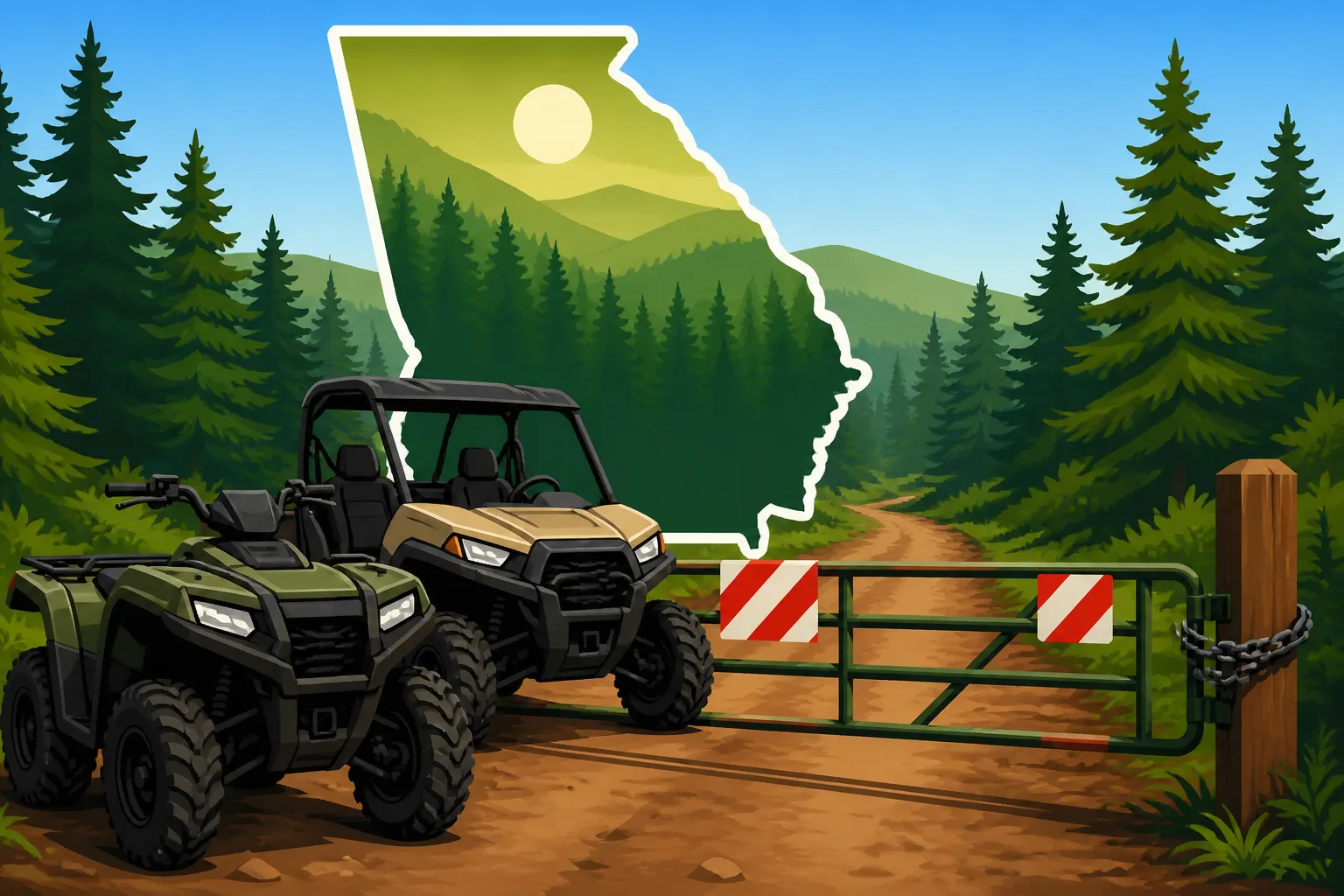
It's not always just a simple metal gate across the road. Forest Service closures come in various forms, and it's important to recognize them. You might encounter a sturdy, locked metal gate, sometimes even with a section designed for foot traffic if the area is still open to hikers. Other times, it could be a less obvious barrier, like large earthen berms, concrete blocks, or even a strategically placed pile of logs or rocks. These barriers are just as effective as a locked gate in signifying a closure.
Equally important are the signs posted at these closure points. Look for official U.S. Forest Service signs that clearly state "Road Closed," "Area Closed," or "Seasonal Closure." These signs often provide a reason for the closure (e.g., "Logging Operations Ahead," "Wet Weather Closure") and sometimes even an expected reopening date. Always pay attention to dates if they are listed; some closures are predictable, like the winter closure of [Beasley Knob OHV Trail System in Georgia] from January to April. Ignoring these physical barriers and signs is not just inconvenient; it's a direct violation of forest regulations. Even if a gate looks old or dilapidated, if it's there, it signifies that the road is intentionally closed.
Who Manages Georgia's Forest Roads?
Primarily, the vast majority of the gated forest roads you'll encounter in Georgia are managed by the U.S. Forest Service, specifically within the Chattahoochee-Oconee National Forests. This federal agency is responsible for overseeing these lands, balancing public recreation with conservation and resource management. Each Ranger District (like the Conasauga Ranger District for Houston Valley) has its own set of responsibilities for the roads and trails within its boundaries.
While the Forest Service manages most of the forest roads, it's worth remembering that other agencies oversee different types of public lands. The Georgia Department of Natural Resources (DNR) manages Wildlife Management Areas (WMAs), which have their own set of rules regarding vehicle access, often tied to hunting seasons and specific vehicles. County road departments might maintain certain dirt roads that pass through or border forest lands, but once you're on a designated "forest road," it's usually under federal jurisdiction. Knowing who manages the land helps you know where to look for accurate information on closures and regulations.
Navigating Gated Forest Roads with Your ATV/UTV
Encountering a closed gate can be a bummer, but how you react to it is crucial. It’s tempting to try and find a way around, or to assume that if there's no ranger in sight, it's probably okay. However, this is where many riders get into trouble. The rules are in place for a reason, and ignoring them can lead to significant headaches.
The Legality of Passing a Closed Gate
Let's be absolutely clear: passing or circumventing a closed gate on a forest road is illegal. Period. These gates are not suggestions; they are official directives. Whether the gate is locked, chained, or simply a pile of logs, it signifies that the road beyond that point is off-limits to motor vehicles. This applies even if you could theoretically squeeze your agile SuperATV-equipped side-by-side around the barrier.
Many riders, especially those new to exploring public lands, sometimes misunderstand the nature of these closures. They might think, "It's just a dirt road, what's the harm?" The harm can be extensive, from environmental damage to putting yourself and others in danger (e.g., encountering logging operations or unstable road conditions). Forest Service regulations are federal laws, and violations are taken seriously. It's a matter of respecting the land and the authorities tasked with managing it. Remember, these rules are part of the larger framework that ensures places like the [Chattahoochee-Oconee National Forest Riding] areas remain viable for everyone in the long run.
Consequences of Unauthorized Entry
The repercussions for ignoring a closed gate can range from a significant fine to more severe penalties. Here's a rundown of what could happen:
- Fines: Expect a federal citation, which often carries a hefty fine. These aren't like simple parking tickets; they can be several hundred dollars, sometimes more, depending on the severity of the infraction and any damage caused.
- Impoundment: Your ATV or UTV could be impounded. This means your machine is seized, and you'll incur towing and storage fees on top of any fines. Getting your machine back can be a long and expensive process.
- Trespass Charges: In some cases, especially if you're repeatedly found in closed areas or if your actions cause significant damage, you could face federal trespass charges. These can carry even higher penalties and a permanent record.
- Loss of Future Access: Repeated violations could lead to being banned from national forest lands, jeopardizing your ability to enjoy any form of recreation on those properties in the future.
- Environmental Damage Liability: If your unauthorized entry causes damage to natural resources (e.g., creating ruts in a wet area, disturbing wildlife, or damaging sensitive plant life), you could be held liable for the cost of restoration, which can be astronomical.
It's simply not worth the risk. When you encounter a closed gate, turn around and find an alternative. As a responsible rider, respecting these closures helps maintain a positive image for the entire off-road community and ensures continued access to legal riding areas.
Reporting Concerns or Requesting Access
If you believe a road is closed unnecessarily, or if you have a legitimate need to access a closed area (perhaps for private property access beyond the gate, although this is rare), do not simply bypass the gate. Instead, contact the appropriate Ranger District office. Their contact information is usually available on the U.S. Forest Service website for the Chattahoochee-Oconee National Forests.
When you call, be polite and clearly state your reason for inquiry. They might be able to provide context for the closure, offer an alternative route, or in very specific circumstances, even grant temporary access if it's warranted. For instance, if you're part of an organized clean-up effort, they might provide special permission. However, don't expect them to open a road just because you want to ride it. They have specific protocols and reasons for their decisions. In general, it’s best to assume a gate is there for a good reason and plan your ride accordingly.
Finding Open Riding Opportunities and Alternatives
So, a gate has thwarted your plans for that specific forest road. Don't despair! Georgia offers plenty of fantastic legal riding opportunities for ATVs and UTVs. The key is to know where to look and how to prepare. Instead of pushing boundaries with closed gates, focus on the designated areas where your machine is not only welcome but celebrated.
Designated OHV Trail Systems
The best and most reliable places to ride your ATV or UTV in Georgia are within the designated Off-Highway Vehicle (OHV) trail systems managed by the U.S. Forest Service. These systems are specifically designed and maintained for off-road vehicle use, often with varying levels of difficulty to suit different riders and machines. Some of the most popular include:
- Houston Valley OHV Trails: Located near Dalton, offering around 25 miles of trails. Be aware that [Houston Valley's 50-Inch Width Cap at Houston Valley] means side-by-sides often can't access it, but it's great for narrower ATVs.
- Beasley Knob OHV Trail System: Known for its challenging terrain, this system offers trails for both ATVs and UTVs near Blairsville. Remember its seasonal closures, as mentioned earlier.
- Whissenhunt OHV Trails, Town Creek OHV Trails, Oakey Mountain OHV Trails, and Davenport OHV Trails: These are other excellent options within the Chattahoochee-Oconee National Forest, each offering unique riding experiences.
These designated systems require an [Georgia OHV Permits: What You Need Before You Ride], which can be purchased for a day or annually. Always check the specific rules for each system, as some might have width restrictions or other regulations. These are the places where you can ride with peace of mind, knowing you're fully compliant with the law and contributing to the upkeep of the trails through your permit fees.
Checking Current Closure Status
One of the most valuable habits an off-road rider can develop is checking the status of trails and roads before heading out. This isn't just about gates; trails can close due to weather, maintenance, or special events.
Here's how you can stay informed:
- U.S. Forest Service Website: The official Chattahoochee-Oconee National Forests website is your primary source for up-to-date information. Look for sections on "Alerts & Notices" or "Recreation Conditions" for the specific Ranger District you plan to visit. They often post news releases or updates about road and trail closures. This is crucial for checking [How to Check Georgia Forest Trail Status].
- Ranger District Offices: Don't hesitate to call the local Ranger District office directly. A quick phone call can save you a lot of wasted travel time. The staff can provide the most current information and answer specific questions about closures and conditions.
- Online Forums and Social Media Groups: While not official sources, local ATV/UTV riding groups on social media can often provide anecdotal, real-time updates from other riders who have recently been in the area. Use this information as a supplementary check, but always verify with official sources.
- Recreation.gov: For purchasing permits, Recreation.gov also sometimes lists alerts or special conditions for specific recreation sites.
By taking a few minutes to do this research, you can often avoid the disappointment of a closed gate and pivot your plans to an open, accessible trail.
Private Parks and Permitted Lands
Beyond the national forests, Georgia is also home to several excellent private off-road parks that offer vast networks of trails for ATVs and UTVs. These parks are fantastic alternatives, especially if you're looking for amenities, varied terrain, or simply guaranteed open access.
Here are a couple of notable examples:
- Iron Mountain Resort: Located near Dahlonega, this massive park boasts hundreds of miles of trails for all skill levels. They often have camping, cabins, and other facilities, making it a great weekend destination.
- Highland Park Off-Road Resort: Near Cedartown, Highland Park offers a well-maintained system of one-way trails, minimizing head-on encounters and providing a flow unique to their system.
These private parks usually charge a daily or annual membership fee, and they have their own specific rules and waiver requirements. However, they offer a consistent and often more controlled riding environment, free from the federal land restrictions of forest roads. They are also less likely to have unexpected gate closures unless due to extreme weather, and even then, they're generally proactive in communicating with their visitors. Plus, many private parks allow wider machines, so your SuperATV-modified UTV will likely fit right in!
Planning Your Trip Around Closures
Alright, we've covered why gates are there and what to do when you encounter one. Now, let's talk about proactive planning. The best way to avoid the frustration of a closed forest road is to incorporate knowledge of potential closures into your trip planning from the very beginning. A little preparation goes a long way toward a fantastic and legal ride.
Pre-Trip Research is Key
Before you even load your machine onto the trailer, make that internet search or phone call part of your routine. Treat it like checking the weather forecast – it's just as important!
Here’s a practical checklist for your pre-trip research:
- Identify Your Destination: Pinpoint the exact trail system or forest road you intend to ride.
- Check Official Websites: Go directly to the U.S. Forest Service website for the Chattahoochee-Oconee National Forests (fs.usda.gov/conf). Look for "Alerts & Notices" for the specific Ranger District that manages your chosen area. This is where you'll find information about [Seasonal Road Closures in the Mountains] or specific trail segment closures.
- Call the Ranger District: If you have any doubts, or if the website information seems outdated, pick up the phone. The phone numbers for each Ranger District are easily found on the Forest Service website. This personal contact can provide the most accurate, real-time updates.
- Review Trail Maps: Even if a road is open, a good map will show you alternative routes or connections to other open trails in case your primary choice leads to a gate. Many forest systems offer downloadable [Georgia ATV Trail Map Downloads].
- Consider Alternatives: Always have a Plan B (and maybe even a Plan C!). If your favorite forest road is gated, know which designated OHV trail systems or private parks are nearby and what their current status is.
By integrating this research, you're not leaving your riding experience to chance. You're actively ensuring that your journey will be one of enjoyment, not disappointment.
Essential Gear for Navigating Unknowns
Even with the best planning, sometimes you might encounter an unexpected situation or need to adjust your route on the fly. Carrying the right gear can make all the difference.
- Up-to-Date Maps (Physical and Digital): While digital maps on your phone or GPS unit are fantastic, always carry a physical paper map of the area. Batteries die, and signal can be nonexistent in remote forest areas. A good map (like a Forest Service Motor Vehicle Use Map, or MVUM) will show all designated roads and trails, as well as those that are closed seasonally or permanently.
- GPS Device or Phone with Offline Maps: Load offline maps onto your smartphone or use a dedicated GPS unit. Apps like Gaia GPS or onX Offroad allow you to download maps for use without cell service, which is a lifesaver when you’re deep in the woods. These tools can help you confirm your location relative to known trails and closed roads.
- Communication Device: A fully charged cell phone is a start, but consider a satellite messenger (like a Garmin InReach or Spot device) for truly remote areas where cell service is unreliable. These can be crucial for emergencies, but also for checking in with your group or alerting someone if your plans change due to a gate.
- Basic Tool Kit and Recovery Gear: Even if you avoid closed roads, mechanical issues can happen. Carry tools, a tire repair kit, and recovery gear like a tow strap or a winch (many SuperATV builds include these for good reason!). This ensures you're prepared for unforeseen circumstances.
- Plenty of Water and Snacks: Getting turned around by a gate might add unexpected miles or time to your trip. Staying hydrated and fueled is important.
Being prepared not only ensures your safety but also allows you to adapt gracefully if a planned route is inaccessible, letting you find another fantastic spot to explore.
Being a Responsible Rider
Finally, regardless of whether a road is open or closed, always practice responsible riding. This isn't just about following the rules; it's about respecting the environment and other users of the forest.
- Stay on Designated Trails and Roads: This is paramount. Riding off-trail, especially in closed areas, causes erosion, disturbs wildlife, and damages sensitive ecosystems. Stick to what's marked as open.
- Tread Lightly: Avoid spinning your tires excessively, especially on muddy sections, to prevent rutting. Pack out everything you pack in – leave no trace.
- Respect Wildlife: Keep a respectful distance, and never chase or harass animals.
- Share the Road/Trail: Be courteous to hikers, mountain bikers, and other recreational users. Slow down and give them space.
- Mind Noise Levels: While our machines are part of the fun, be mindful of excessive noise, especially near campgrounds or residential areas.
By being a responsible rider, you not only protect Georgia's beautiful forest lands but also ensure that access for off-road vehicles continues for generations to come. When authorities see that riders are respecting closures and rules, it builds trust and supports maintaining open access to legal riding areas.
Common Georgia Forest Road Closure Scenarios
To help you understand different types of closures, here's a quick overview of what you might encounter in Georgia's national forests. Knowing the type of closure can help you plan better and understand the reasoning behind it.
| Closure Type | Description | Common Reasons | Impact on Riders | How to Prepare |
|---|---|---|---|---|
| Seasonal Closure | Roads or trails closed during specific months each year. | Winter weather (snow/ice), wet ground protection, wildlife breeding seasons. | Predictable; often impacts popular trails like Beasley Knob. | Check official calendars/websites well in advance; have winter alternatives. |
| Temporary Closure | Short-term closures due to specific events or conditions. | Logging operations, storm damage, wildfire activity, special events. | Unpredictable; can pop up with short notice. | Call Ranger District; check alerts immediately before departure. |
| Permanent Closure | Roads or trails that are no longer maintained or open to public traffic. | Resource protection, lack of funding for maintenance, designated wilderness areas. | Road will remain closed indefinitely; look for alternative, open routes. | Rely on current MVUMs; do not expect these to reopen. |
| Emergency Closure | Immediate closure due to severe, imminent danger. | Active wildfire, major landslides, unsafe infrastructure. | Absolute no-go; strict enforcement for public safety. | Always respect; follow official instructions; prioritize safety. |
| Wet Weather Closure | Specific trails or roads closed after heavy rainfall to prevent damage. | Prevent rutting, soil erosion, and damage to trail beds. | Very common in Georgia's red clay; can be short-term. | Check [Georgia Trails That Close After Rain]; call Ranger District for status. |
This article is for general informational purposes only and does not constitute professional advice. Laws, prices and regulations vary by location and change over time. Consult a qualified professional for guidance on your specific situation.