WMA Roads and the Two-Hour Window
Trying to figure out where you can legally ride your ATV or UTV in Georgia can feel like navigating a maze blindfolded. You just want to enjoy the open air and natural beauty of our state, but the rules, especially around Wildlife Management Areas (WMAs), often seem overly complex and confusing. This guide is here to shed some light on one of the most common questions: understanding the "two-hour window" for WMA road access and what it actually means for off-road enthusiasts.
The Basics of WMA Access for ATV and UTV Riders in Georgia
Before we dive deep into specific time restrictions, it’s crucial to understand the fundamental purpose of Georgia's Wildlife Management Areas and how they differ from other public lands. Many riders mistakenly assume that because WMAs are public, they offer the same kind of open-ended off-road opportunities as some private parks or even National Forests. This simply isn't the case, and misunderstanding this distinction can lead to frustration or, worse, penalties.
What Exactly Are Wildlife Management Areas (WMAs)?
Wildlife Management Areas, or WMAs, are parcels of land managed by the Georgia Department of Natural Resources (DNR) specifically for the conservation and enhancement of wildlife resources. While hunting and fishing are primary activities, they also provide opportunities for other outdoor recreation like hiking, birdwatching, and, yes, limited vehicle access. Unlike a sprawling national forest that might have dedicated [Georgia National Forest OHV Systems], WMAs are primarily managed for wildlife. This core mission dictates almost every rule you’ll encounter. Their management priorities include habitat restoration, managing game populations, and ensuring sustainable recreational use that doesn't harm the wildlife or their environment.
These areas are critical habitats for deer, turkey, small game, and a host of non-game species. The rules governing vehicle access, including ATVs and UTVs, are designed to minimize disturbance to these animals, particularly during sensitive times like breeding or hunting seasons. So, while it might feel restrictive, every regulation is in place with a clear conservation goal in mind.
General Restrictions on ATV/UTV Use in WMAs
The most critical rule to engrave in your mind when it comes to WMAs is this: ATV and UTV use is generally restricted to designated roads only. This is a significant departure from what many riders are used to in private parks or even some trail systems. You cannot, under any circumstances, take your machine off a marked road to create new trails, explore dense woods, or cut across fields. The "roads only" rule isn't just a suggestion; it's a strict mandate enforced by Georgia's game wardens.
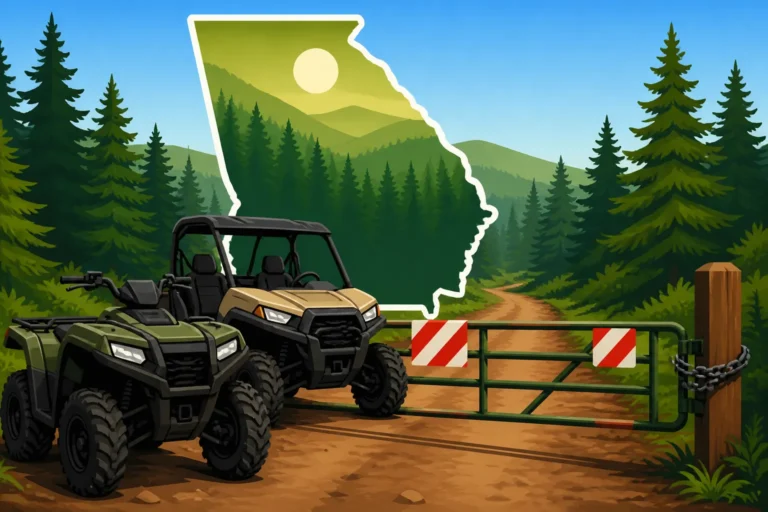
Imagine yourself on a beautiful WMA dirt road, the trees arching overhead, and you spot what looks like a tempting path leading off into the brush. Your instinct might be to explore, but doing so could easily result in a citation. These lands are not open for general off-road exploration or "mudding" unless it's on a clearly defined, open road. Violations of this rule are taken seriously because unauthorized off-road travel can cause significant habitat destruction, soil erosion, and disturbance to wildlife. Even riding on an unmaintained or unmarked path can be considered going off-road if it's not a clearly designated access road. You might encounter [Georgia WMA Roads Closed by a Gate], which are clear indicators that vehicle access beyond that point is prohibited. Always look for official signage.
The focus in WMAs is on providing access for hunters and other users to specific areas, not on creating a recreational riding park. This means you need to be constantly vigilant about where your wheels are going. For instance, if you've kitted out your UTV with robust aftermarket parts from a place like SuperATV to handle tough trails, remember that those capabilities might be overkill – and even prohibited – on WMA roads. While their products are fantastic for rugged terrain, within a WMA, you're expected to stay on maintained surfaces.
Deciphering the "Two-Hour Window" Rule
Now that we understand the general "roads only" rule, let's tackle the "two-hour window" that causes so much head-scratching. This specific regulation often catches riders by surprise and is crucial for anyone planning to use their ATV or UTV within a WMA, particularly during hunting seasons.
When Does the Window Open and Close?
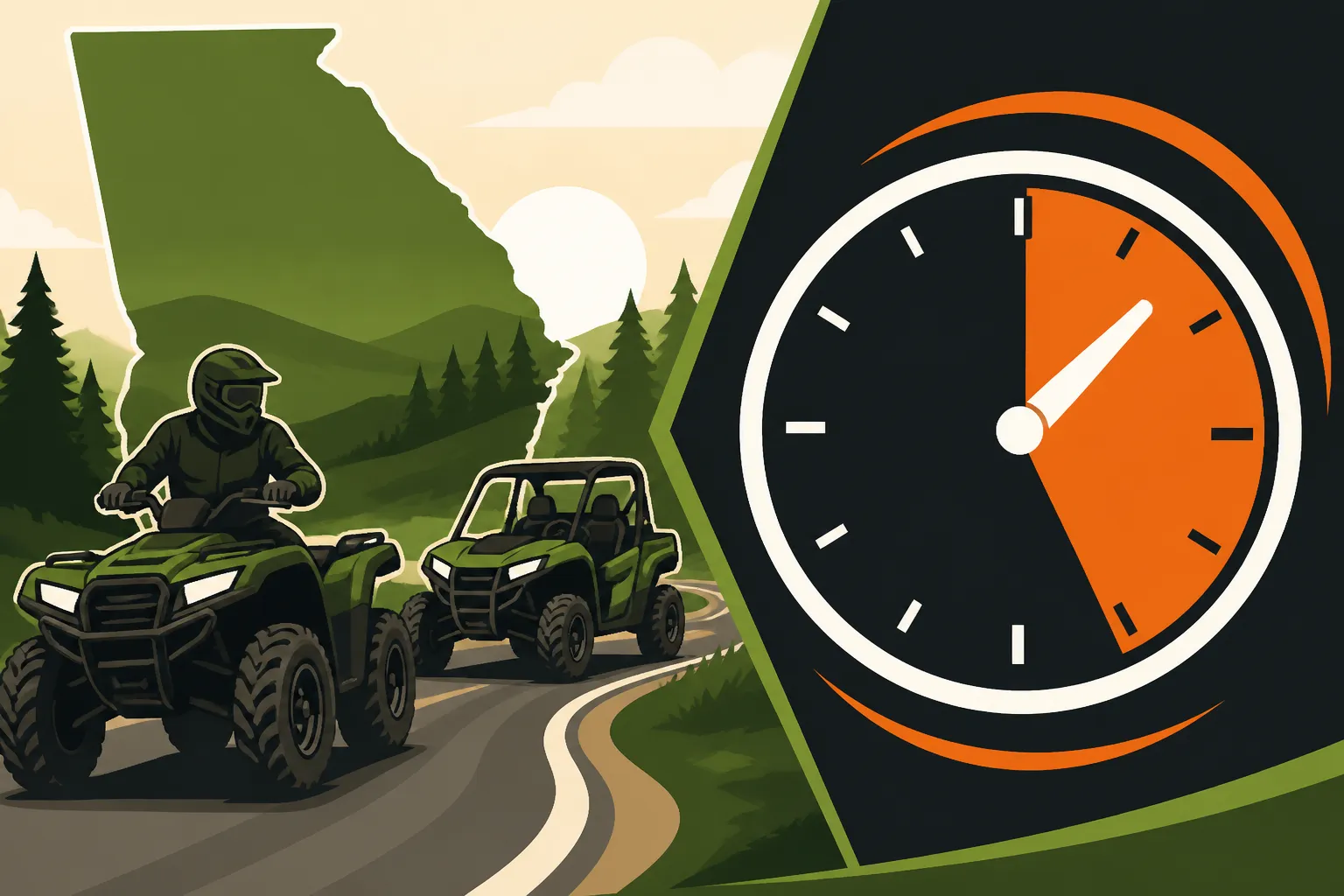
The "two-hour window" refers to a specific period when ATVs, UTVs, and other motorized vehicles are permitted on WMA roads during designated hunt days. The rule states that vehicles can be on WMA roads no earlier than two hours before legal sunrise and no later than two hours after legal sunset. This timeframe is designed to coincide with the periods when hunters are actively entering and exiting the WMA.
Let's break that down with an example. If the official legal sunrise time on a particular hunt day is 7:00 AM, then you can legally operate your machine on WMA roads starting at 5:00 AM. Similarly, if legal sunset is 6:30 PM, you must be off the WMA roads by 8:30 PM. These times are tied to the official sunrise and sunset data for that specific location, not just when you think the sun is coming up or going down. It's always a good practice to check official sunrise/sunset tables for the exact WMA you plan to visit.
The reason for this strict window is twofold. First, it facilitates hunter access. Many hunters need to get deep into the WMA before first light or retrieve game after dusk, and ATVs or UTVs allow them to do so efficiently. Second, and perhaps more importantly, it limits vehicle disturbance to wildlife during critical periods outside of hunting hours. By restricting vehicle use, the DNR aims to provide quieter, less disturbed environments for animals during their most active times of day or night, ensuring they can feed, rest, and move naturally without constant human interruption.
Who Does the Two-Hour Window Apply To?
This two-hour window rule applies to anyone operating an ATV or UTV on WMA roads, primarily those accessing the area for hunting or related activities on [Georgia WMA Riding Only on Hunt Days]. It's not just for hunters, but the context of "hunt days" is what triggers the rule. If it's not a designated hunt day for that specific WMA, then general vehicle access rules (which might be more restrictive or even prohibit ATVs/UTVs entirely) would apply. This highlights the absolute necessity of checking the specific WMA's regulations and hunt schedule before you even load your machine onto a trailer.
For example, if you're a hunter using your UTV to transport gear to a deer stand before dawn, this rule directly applies to you. If you're using your ATV to retrieve a harvested deer after dusk, you must adhere to this window. Even if you're just driving through the WMA on a designated road during a hunt day, the two-hour window still governs your allowed operating times. The rule is about any vehicle access during specific periods on specific days.
Consider accessorizing your machine for these low-light conditions. Companies like SuperATV offer excellent LED light bars and auxiliary lighting options that can significantly improve visibility during those early morning or late evening hours. Having proper lighting isn't just about adhering to safety; it's practically a necessity to navigate WMA roads responsibly during the two-hour window, helping you spot wildlife, navigate terrain, and stay safe.
Beyond the Window: Other Crucial WMA Rules for Riders
While the "two-hour window" and "roads only" rules are paramount, they are just part of the puzzle. WMAs have a host of other regulations that ATV and UTV riders need to be aware of to ensure a legal and enjoyable visit. Ignoring these can lead to fines, impoundment of your machine, or even loss of privileges.
Operator Age and License Requirements
Operating an ATV or UTV on WMA roads comes with specific age requirements that differ from private land. Generally, you need to be at least 16 years old to operate an ATV or UTV on any public land, including WMA roads. This rule aligns with basic driver's license requirements, even though you might not need a full driver's license just to ride an ATV on private property. The public nature of WMA roads means that general safety and operational standards are higher.
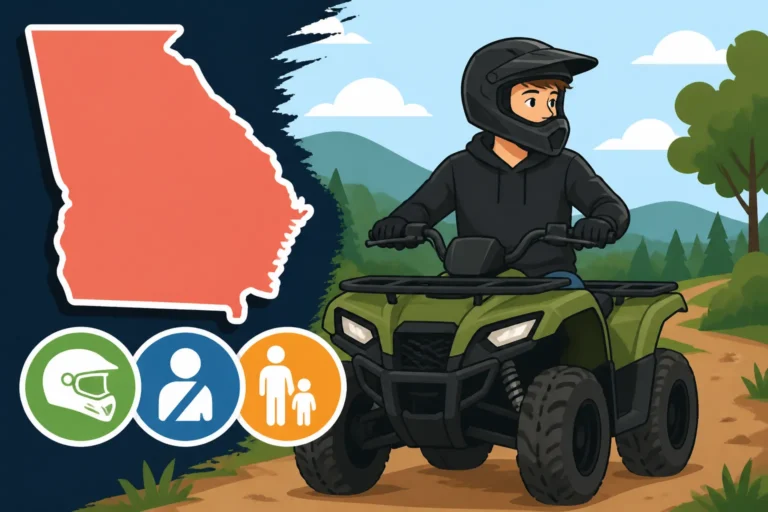
It's vital for parents to understand [Georgia WMA Age Rule for Operators]. Allowing an underage rider to operate a machine on WMA roads could put both the child and the parent in a difficult legal situation. Enforcement officers are well-versed in these rules and will not hesitate to intervene if they see violations. The goal here is safety, as operating these powerful machines on public access roads, potentially shared with other vehicles and hunters, requires a certain level of maturity and skill. Always ensure anyone driving your machine within a WMA meets the minimum age requirement.
Required Gear and Vehicle Restrictions
Beyond age, your machine itself needs to meet certain criteria, and you, as the operator, might have specific gear requirements. One crucial piece of equipment for any internal combustion engine operating on public lands, including WMAs, is a spark arrestor. These devices prevent hot carbon particles from exiting the exhaust system and potentially igniting dry vegetation, which is a major wildfire hazard. Most modern ATVs and UTVs come from the factory with spark arrestors, but if you've modified your exhaust, you need to ensure any aftermarket system is also equipped with one and is U.S. Forest Service approved.
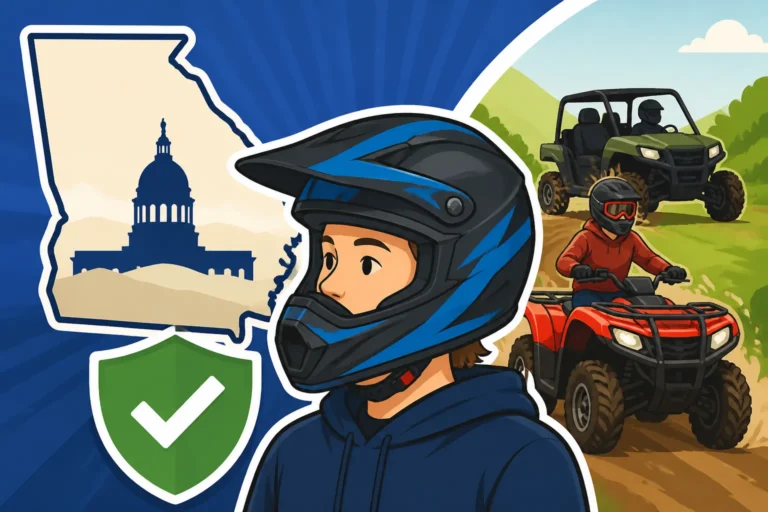
When it comes to helmets, Georgia has specific rules, particularly for younger riders. While the strict [Georgia Under-18 Helmet Rule on Private Land] generally applies to private land, it's always prudent to wear a helmet, especially on WMA roads where you might encounter unforeseen obstacles or other vehicles. Helmets are cheap insurance for your head.
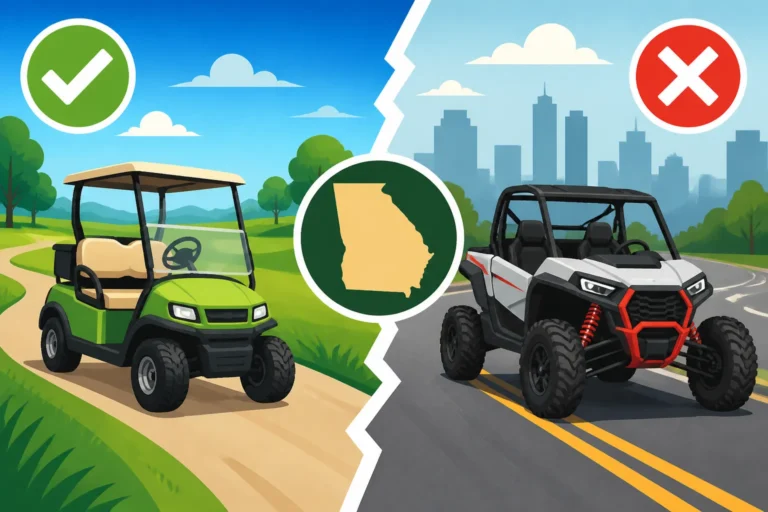
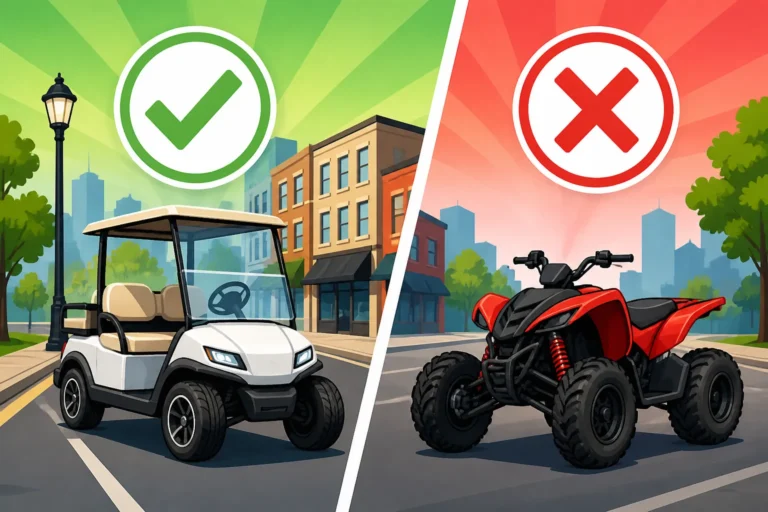
As for vehicle types, while ATVs are often used, WMAs generally favor utility-focused machines like UTVs, side-by-sides, or even trucks on their designated roads. However, the rule typically pertains to motorized vehicles that facilitate access. Some WMAs might have additional specific restrictions on vehicle size or type, so again, checking the individual WMA rules is non-negotiable. If your machine features extensive modifications like extra-wide SuperATV suspension kits, ensure it still fits within any potential width restrictions for specific WMA roads, though this is less common for WMA access roads than for dedicated OHV trails.
Permits, Licenses, and Enforcement
Navigating WMAs isn't just about knowing when and where you can ride; it's also about having the proper documentation. Unlike Georgia's National Forests, which often require [Georgia OHV Permits: What You Need Before You Ride] (like the annual Forest OHV Permit), WMAs typically do not have a separate ATV/UTV-specific permit. Instead, access to WMAs during hunt days often requires a valid Georgia hunting license. Even if you're just using your machine to scout or transport gear, if it's during a designated hunt, that license can be your ticket in. This is part of the context for [Georgia Hunting Access by ATV].
Enforcement in WMAs is primarily handled by Georgia Department of Natural Resources (DNR) game wardens. These officers are highly trained and have a deep understanding of WMA regulations. They patrol regularly, especially during hunting seasons, and are authorized to issue citations, impose fines, and even impound vehicles for serious violations. They are also checking for compliance with general outdoor regulations, such as littering, alcohol consumption, and any behavior that disrupts the natural environment or other users. A simple mistake, like riding off a designated road or outside the two-hour window, can quickly turn a fun day into an expensive headache. Always be prepared to present any required licenses or permits if stopped.
Planning Your WMA Ride: Tips for a Smooth Experience
To truly enjoy your time in Georgia's WMAs with your ATV or UTV, proactive planning is key. Don't leave anything to chance; a little preparation can save you a lot of grief and ensure you comply with all regulations.
Checking Hunt Schedules and Regulations
This cannot be stressed enough: Always check the specific WMA's regulations and hunt schedule before you leave home. The rules for one WMA might differ slightly from another, and the hunt dates are absolutely critical for understanding when the "two-hour window" is even in effect. The Georgia DNR website is your absolute best resource for this information. They have detailed maps, regulations, and hunt schedules for every WMA in the state.
Imagine you plan a trip to a WMA, thinking it's open for ATV access, only to discover upon arrival that it's a youth hunt day with very restricted access, or perhaps even closed to all vehicle traffic except for specific permit holders. That's a wasted trip and potentially a violation. The DNR website will tell you if the WMA is undergoing any special closures, which game species are being hunted, and during which seasons. These schedules dictate when the two-hour window is applicable and what type of license you might need.
Responsible Riding and Minimizing Impact
When you're riding on WMA roads, it's about more than just following the letter of the law; it's about demonstrating respect for the environment and other users. Stick to the designated roads, no matter how tempting an unmarked path might look. The delicate ecosystems within WMAs are easily damaged by off-road travel, leading to erosion, habitat destruction, and disturbance to wildlife.
Remember that WMAs are multi-use areas. You're likely to encounter hunters walking, hikers enjoying nature, or even DNR personnel conducting wildlife management activities. Drive courteously, be mindful of your speed, and keep noise levels to a minimum, especially during those early morning and late evening hours. Wildlife is a priority here, so always be on the lookout for animals crossing roads and give them plenty of space. Packing out everything you pack in, and even picking up any litter you find, goes a long way in preserving these beautiful areas for everyone.
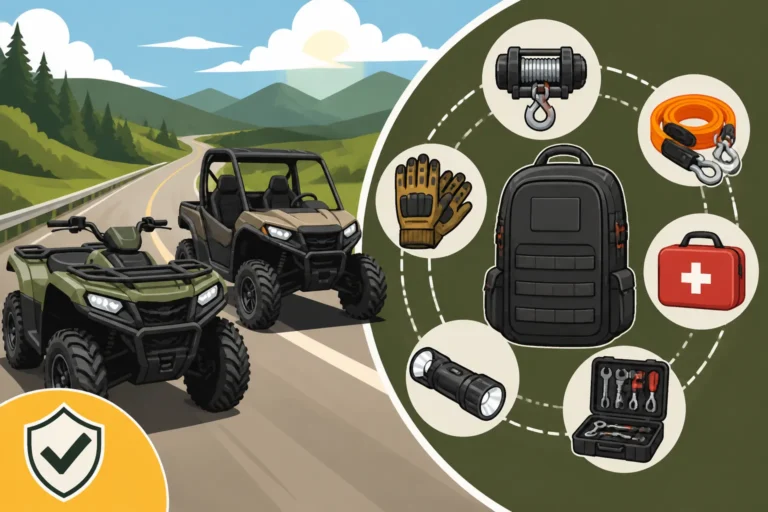
Carrying essential recovery gear, even on WMA roads, is a smart move. A winch from SuperATV, for instance, could be invaluable if your machine gets stuck in mud or a ditch, allowing you to self-recover without causing further damage or requiring external assistance. Also, consider investing in robust storage boxes or bags to keep your gear secure and prevent anything from falling out and becoming litter on WMA lands. Being prepared not only helps you but also protects the WMA environment.
| Rule Category | Key WMA Guideline for ATVs/UTVs | Important Nuance |
|---|---|---|
| Access Restriction | Roads only; no off-road trail riding. | Always check for designated WMA roads and observe closed gates. |
| Time Window | Only two hours before legal sunrise to two hours after legal sunset. | Applies specifically during active hunt days; check official DNR schedule. |
| Operator Age | Minimum age of 16 for operation on WMA roads. | This aligns with public road safety standards, not private land rules. |
| Required Gear | Spark arrestor on exhaust is mandatory. | Essential for fire prevention; verify aftermarket exhausts have one. |
| Documentation | Valid Georgia hunting license often required during hunt days. | No specific WMA OHV permit, but hunting license facilitates access. |
| Enforcement | Patrolled by DNR Game Wardens. | Violations can result in fines, impoundment, or loss of privileges. |
| Planning | Consult GA DNR website for specific WMA rules & hunt schedules. | Rules vary by WMA and time of year; pre-trip research is crucial. |
[Georgia WMA Rules for ATV Riders] are in place to balance conservation with recreational access. By understanding and respecting these regulations, you can ensure your ATV or UTV adventures in Georgia's WMAs are both enjoyable and compliant. Remember that [Georgia ATV Rules on Private Property] are very different from the strict guidelines governing public lands. Always know before you go!
Disclaimer
This article is for general informational purposes only and does not constitute professional advice. Laws, prices and regulations vary by location and change over time. Consult a qualified professional for guidance on your specific situation.