Georgia UTV Rules Crossing a State Route
It's a common dilemma for UTV owners here in Georgia: you're out enjoying the trails or working on your property, and suddenly, a state route stands between you and your destination. That stretch of paved road isn't just a physical barrier; it represents a legal one, too, and navigating it safely and legally can feel like walking a tightrope. This guide will cut through the confusion and explain exactly when and how you can legally cross a Georgia state route with your UTV, helping you avoid fines and keep your adventures on track.
Understanding Georgia's Road Network and UTV Restrictions
Before we dive into the specifics of crossing a state route, it's really important to grasp how Georgia categorizes its roads. This isn't just bureaucratic jargon; it directly impacts where your UTV can and cannot legally operate. We often talk about "roads" as a single entity, but the law sees them very differently, and these distinctions are crucial for UTV owners.
What Exactly Constitutes a "State Route" in Georgia?
When we talk about a "state route," we're generally referring to highways that are part of the state highway system, maintained by the Georgia Department of Transportation (GDOT). These are the roads you commonly see marked with "GA" followed by a number, like GA-20 or GA-400, or sometimes U.S. routes that run through Georgia, like US-41. Unlike local county roads, which are managed by individual county governments, state routes are designed for higher-speed, inter-county travel and are considered major arteries in our transportation network.
For UTVs, this distinction is huge. While some counties have embraced [Georgia UTV Road Rules by County] and allow registered machines on their local, non-state roads, state routes fall under a different jurisdiction and have stricter rules. These roads are typically designed for vehicles capable of maintaining highway speeds and that meet stringent safety and equipment standards not always applicable to off-highway vehicles. Trying to blend a UTV into this traffic flow creates significant safety concerns, which is a big part of [Why Georgia State Highways Stay Off Limits] to most off-road machines.
The General Rule: Why UTVs Can't Just Drive on State Routes
The blanket rule is pretty straightforward: you cannot legally operate your UTV on a Georgia state route for general travel. This isn't just a suggestion; it's a legal prohibition designed to ensure the safety of all motorists. UTVs, even those registered as multi-purpose off-highway vehicles (MPOHVs), are not typically built for sustained high-speed travel, lack some of the crash protection of passenger cars, and can be harder to see in fast-moving traffic. The legal framework simply doesn't allow for their regular use on these types of public roads.
This rule often causes frustration, especially if your favorite hunting grounds or riding trails are bisected by a state highway, or if you just need to get from one section of your property to another. It feels like an arbitrary barrier when you just want to get across quickly. However, the intent behind it is public safety. Imagine a UTV designed for rugged terrain suddenly trying to keep up with traffic going 55 or 65 mph on a busy state road; it's a recipe for disaster. The law acknowledges that UTVs have a legitimate place in our state, particularly for recreation and utility, but it carefully delineates where that place is.
The Specifics of Crossing a State Route with a UTV
While continuous travel on a state route is generally forbidden, Georgia law does provide a narrow exception for crossing one under very specific circumstances. This isn't a loophole to exploit; it's a carefully defined allowance that demands your full attention to safety and legal compliance. Understanding these parameters is key to avoiding penalties and ensuring your safety and that of others.
Designated Crossing Points: Where and How
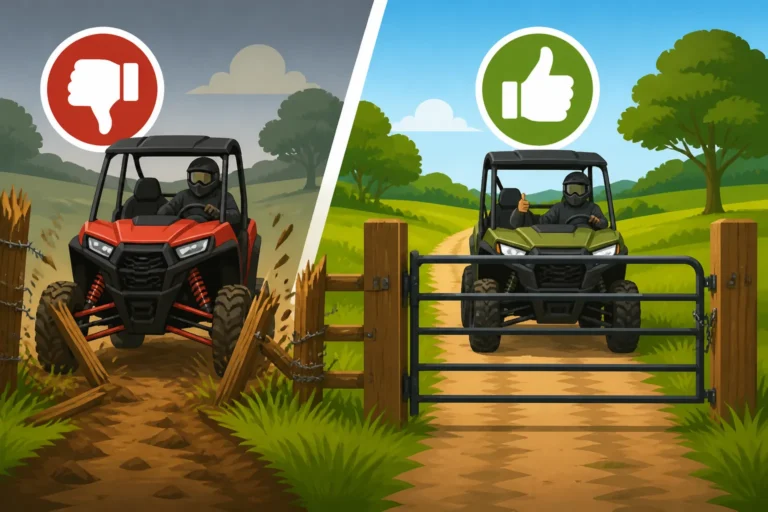
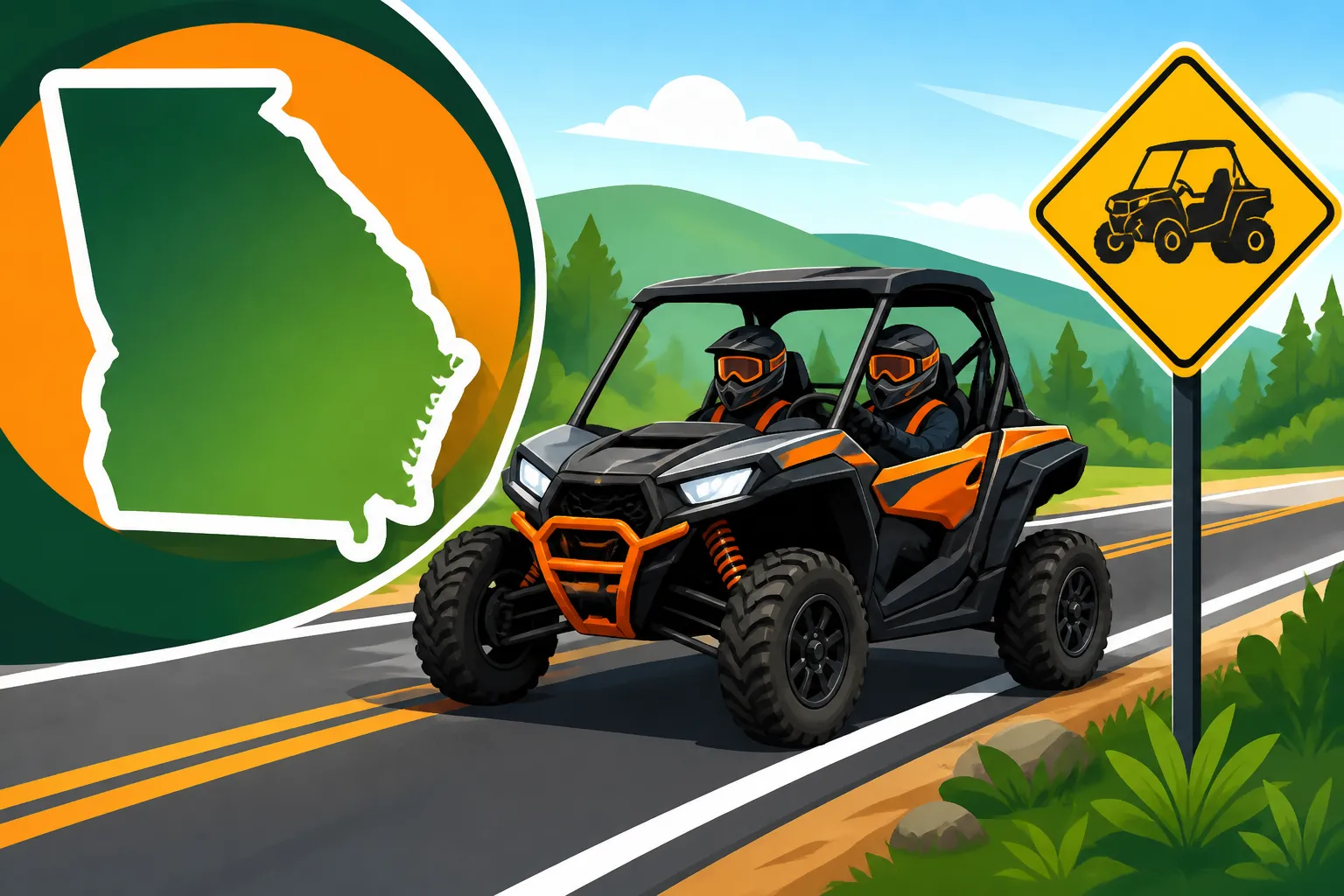
The law permits a UTV to cross a state route only at a "designated crossing point." What does this mean in practical terms? It typically means an intersection with a county road or a street where there are traffic control devices like stop signs or traffic lights. You cannot simply pull onto a state route from a private driveway or a field and attempt to cross wherever you please. The crossing must be made as close to a 90-degree angle as practicable, ensuring you spend the absolute minimum amount of time in the flow of state route traffic. This is a critical point that many riders miss, assuming any crossing is fine.
Think of it like this: you're not meant to merge into traffic; you're meant to get across it as quickly and safely as possible. This usually means a clear intersection where you have visibility and drivers on the state route have a reasonable expectation of cross-traffic. The goal is to minimize disruption and risk. Always check for signs indicating that a particular intersection is not a designated crossing point or prohibits UTVs, as local ordinances or state regulations might further restrict access. For more guidance on this, check out [Georgia Crossings at Designated Points].
Safety Precautions and Operator Responsibilities During a Crossing
Even at a designated crossing point, the responsibility for a safe passage rests squarely on the UTV operator. This isn't the time to be distracted or assume other drivers see you. Before you even think about entering the roadway, ensure your UTV is equipped for maximum visibility. This includes functioning headlights, brake lights, and turn signals, even if your machine isn't fully street-legal for continuous travel. Adding high-visibility flags or reflective tape, especially if you're crossing during dawn, dusk, or in inclement weather, is a smart move. Aftermarket accessories from brands like SuperATV can greatly enhance your machine's visibility with brighter LED lights or additional mirrors, which can be invaluable in these situations.
Beyond equipment, the operator must:
- Stop Completely: Treat the state route like a railroad crossing. Come to a full, complete stop.
- Look Both Ways: Scan traffic in both directions thoroughly. State routes often have higher speed limits, meaning vehicles can approach much faster than you anticipate.
- Yield to All Traffic: You must yield the right-of-way to all vehicles on the state route. Do not proceed until there is a clear, safe gap in traffic that allows you to complete the crossing without impeding or endangering other vehicles.
- Cross Directly and Quickly: Once clear, proceed straight across the state route without lingering. Do not drive down the state route, even for a short distance, to reach another turn.
- Be Aware of Passengers: If you have passengers, ensure they are securely seated and understand the importance of remaining still during the crossing.
Remember, [Georgia Driver's License Rules for MPOHV Operators] still apply, meaning you must be a licensed driver to operate any registered MPOHV on a public road, even for a crossing. Also, ensure you have the minimum [Georgia UTV Insurance Minimums] if your machine is registered, as this covers you in case of an accident.
Consequences of Illegal Crossing and Enforcement
Ignoring the rules for crossing a Georgia state route can lead to more than just a stern talking-to. The legal system takes these violations seriously, primarily because of the significant safety risks involved. Understanding the potential repercussions can help reinforce the importance of adherence.
Penalties for Unauthorized State Route Travel
Operating your UTV on a Georgia state route outside of the permitted crossing exception is a violation of state law, and the penalties can range from hefty fines to more severe consequences, especially if an accident occurs. While the exact fine amount can vary depending on the county and the discretion of the issuing officer, expect it to be significant. This isn't just a minor traffic ticket; it's considered an unsafe operation of an off-highway vehicle on a restricted roadway. You could also face points on your driver's license.
Beyond fines, there are other potential issues. If you cause an accident while illegally operating your UTV on a state route, your insurance coverage might be jeopardized, leading to astronomical out-of-pocket costs for damages and injuries. Furthermore, repeated offenses or particularly egregious violations could even lead to your UTV being impounded. These [Georgia Penalties for Riding the Wrong Road] are designed to deter unsafe behavior and protect the public. It's simply not worth the risk to save a few minutes of travel time.
Law Enforcement's Role and How They Check for Compliance
Georgia State Patrol, county sheriffs, and local police departments are all authorized to enforce these laws. Officers are trained to recognize vehicles that do not belong on state highways, and UTVs are quite distinctive. They're not just looking for registration plates; they're looking at the type of vehicle, its design, and its suitability for the road it's on. If an officer spots a UTV traveling on a state route, they will almost certainly initiate a stop.
During a stop, law enforcement will check for:
- Operator's Driver's License: Do you have a valid driver's license?
- Proof of Insurance: Is your UTV properly insured?
- MPOHV Registration: If your machine is registered as an MPOHV, they'll verify its status. While [Georgia MPOHV Registration Explained] allows for certain road uses, it does not grant you free rein on state routes.
- Compliance with Crossing Rules: If you claim you were "just crossing," they will likely question your proximity to a designated crossing point and the manner in which you executed the crossing.
Officers are generally understanding of legitimate crossings at appropriate intersections, but they have zero tolerance for UTVs using state routes as travel lanes. They prioritize the safety of all motorists, and that includes keeping inappropriate vehicles off high-speed roadways. So, when you see that patrol car, rest assured they're doing their job to keep everyone safe.
Practical Advice for UTV Owners Navigating State Routes
Given the strict regulations, it's clear that UTV owners need a smart approach when their routes intersect with Georgia state highways. A little planning and preparedness can save you a lot of hassle and potential legal trouble.
Planning Your Route to Avoid State Routes
The best defense is often a good offense. Whenever possible, plan your UTV routes to completely avoid state routes. This might mean taking a slightly longer path on [Georgia County Road Systems and Where They Run] or using trails and private land. Before heading out, especially if you're exploring a new area, consult a detailed map (digital or paper) that clearly shows state routes, county roads, and any known off-road trails.
Mapping apps on your phone can be incredibly helpful here. Look for options that allow you to distinguish between different road classifications. If a state route is truly unavoidable for getting from Point A to Point B, then identify the safest, most clearly marked intersections to make your crossing. Always have a backup plan in mind, too, in case your primary crossing point is unexpectedly blocked or deemed unsafe.
Alternative Transportation Methods for Longer Distances
For situations where a significant portion of your intended journey would involve traveling on or repeatedly crossing state routes, the most practical and legal solution is often to trailer your UTV. Loading your machine onto a trailer and hauling it with a street-legal vehicle to your desired riding area or property is the safest and most compliant option for covering longer distances that include state highways.
This might feel like an inconvenience, but it completely removes the legal ambiguity and safety risks associated with operating your UTV on roads it wasn't designed for. Many riders invest in a good utility trailer specifically for this purpose, especially if they frequent multiple riding spots across the state. Using a trailer also protects your UTV from wear and tear that comes from road use, preserving it for the off-road adventures it's built for.
Enhancing Visibility for Any Road Interaction
Even if you're only making quick, legal crossings, making your UTV as visible as possible is paramount. Standard UTV lighting can be adequate for trails, but it might not stand out enough in busy road traffic, especially on a state route where speeds are higher. Consider upgrading your lighting with brighter LED options for headlights and tail lights. SuperATV, for instance, offers a range of enhanced lighting kits that can significantly improve your UTV's presence.
Beyond lights, think about:
- Reflectors: Add reflective tape to the front, rear, and sides of your UTV.
- Flags: A tall, brightly colored flag mounted to your UTV can make a huge difference, especially if you're obscured by other vehicles or terrain.
- Mirrors: Ensure you have functional side mirrors and a rearview mirror. While some UTVs come with these, others might benefit from an aftermarket upgrade for a wider field of vision. This is critical for seeing approaching traffic before you pull out.
- Clothing: When crossing, drivers and passengers should wear bright, high-contrast clothing to further enhance visibility.
Remember, the goal is to make it impossible for another driver to say, "I didn't see them." Any interaction with public roads, even a quick crossing, requires maximum vigilance and visibility. This proactive approach not only keeps you compliant with the law but, more importantly, keeps you and your passengers safe.
Disclaimer
This article is for general informational purposes only and does not constitute professional advice. Laws, prices and regulations vary by location and change over time. Consult a qualified professional for guidance on your specific situation.