Georgia Under-18 Helmet Rule on Private Land
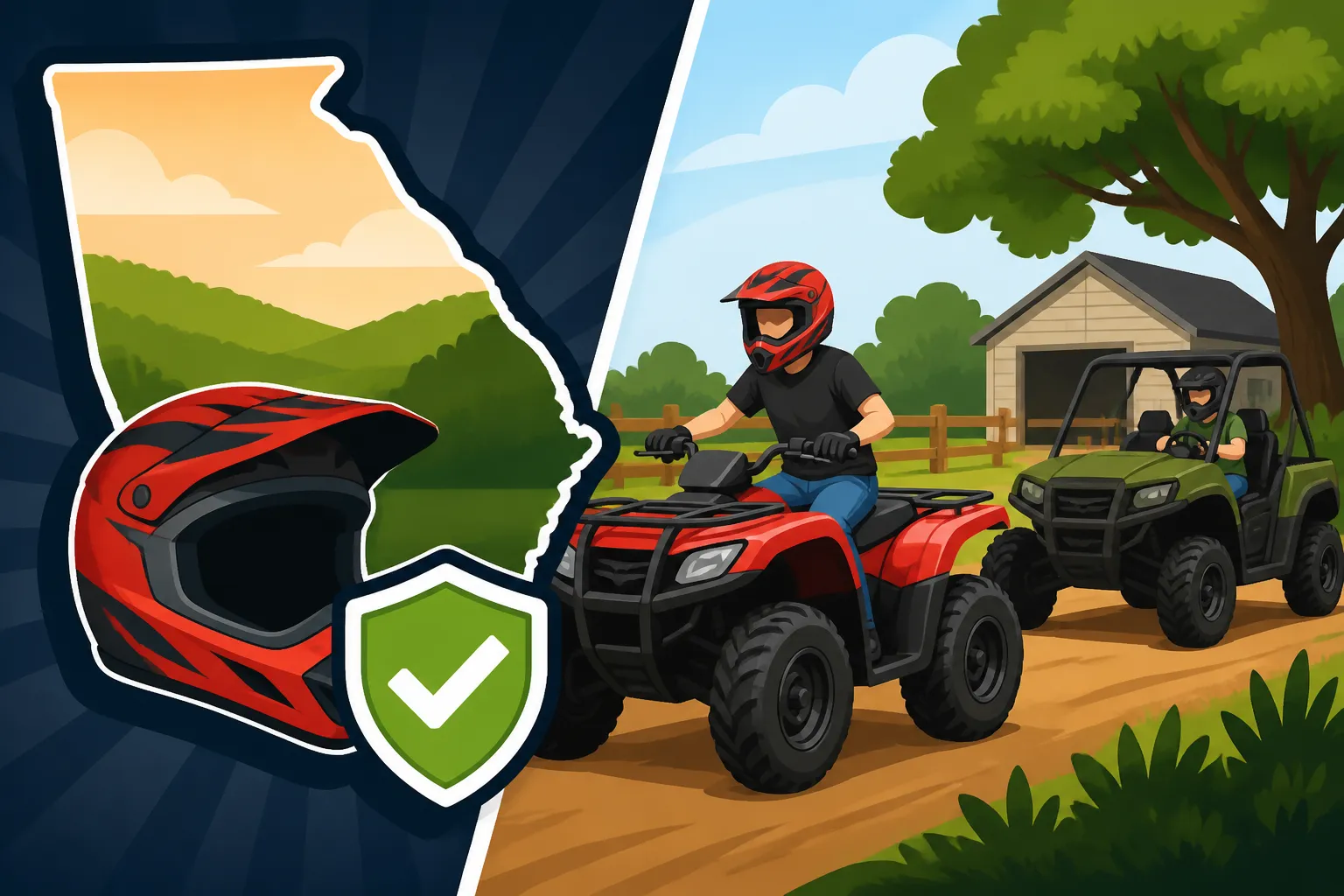
It’s a common scenario across Georgia: you’ve got a sprawling patch of land, perhaps a hunting lease, a family farm, or just some acreage out in the county. Your kids, or maybe your grandkids, are itching to hop on a quad or a side-by-side. The big question that often comes up, especially for parents and guardians, is whether those younger riders legally need to wear a helmet when they’re zipping around on private property. This guide will cut through the confusion and explain Georgia's specific rules regarding helmet use for minors on private land.
Understanding Georgia's General ATV & UTV Helmet Laws
When we talk about off-road vehicles like ATVs and UTVs in Georgia, it's easy for the rules to get tangled. There are state laws, local ordinances, and then the unwritten rules of common sense and safety. However, the legal requirements often hinge on where you're riding, especially when it comes to helmet use for younger operators.
The Public Road Helmet Mandate for Minors
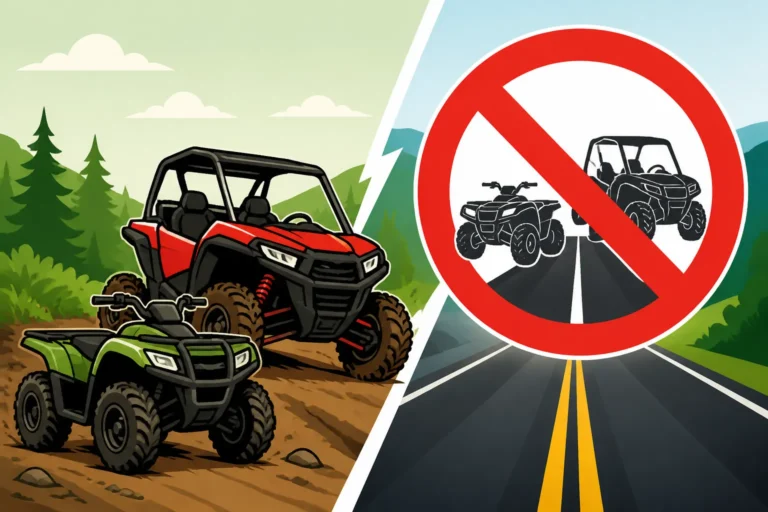
Let's start with the clearest distinction: public roads. Georgia law is quite explicit here. If a rider under the age of 18 is operating an all-terrain vehicle (ATV) on a public road, county road, or other publicly accessible right-of-way where ATVs are permitted, a helmet is absolutely required. This isn't just a suggestion; it's a legal mandate designed to protect our youngest and most vulnerable riders. The state recognizes the inherent risks of mixing these powerful machines with public thoroughfares, even if it's just a quick crossing.
The rationale behind this rule is straightforward: safety. Public roads introduce variables like other vehicles, less predictable surfaces, and higher potential speeds than many off-road trails. A helmet significantly reduces the risk of serious head injury in the event of a crash, roll-over, or ejection from the vehicle. Ignoring this rule can lead to substantial consequences, not just for the rider's safety but also financially. You can find more specific details on the requirements and potential penalties in our articles like [Georgia ATV Helmet Law for Riders Under 18] and [Georgia Helmet Fine Amount]. It’s a serious matter, and law enforcement officers in Georgia are equipped to enforce it for the safety of everyone.
Exemptions and Specific Scenarios on Public Land
While the general rule is clear for minors on public roads, Georgia law does acknowledge certain exemptions where helmets might not be required, even for minors, depending on the activity. These are typically tied to specific uses that are considered integral to work or livelihood rather than recreation. For instance, individuals engaged in legitimate agricultural work, farming, or certain logging operations may be exempt from the helmet requirement while operating an ATV or UTV on public roads as part of their duties. The idea here is that these machines are tools of the trade, and the context of their use changes the regulatory landscape.
However, these exemptions are not broad free passes. They are generally narrowly defined and intended for bona fide work activities. Simply riding your quad to a friend's house in a rural area, even if you pass a farm field, would not qualify as an agricultural exemption. Similarly, commercial activities would need to be legitimate, documented business operations. It’s crucial to understand that these are specific exceptions to a general rule, and they don’t negate the underlying safety risks. For a deeper dive into these specific scenarios, you might want to read [Georgia Farm and Logging Helmet Exemption] and [Georgia Commercial Use Helmet Exemption]. Always assume the helmet rule applies unless you are absolutely certain your situation meets a legally defined exemption.
The Nuance of Private Property: What the Law Says (and Doesn't Say)
The legal landscape shifts considerably when you move from public roads to private land. This is where a lot of the confusion arises, and it's essential for landowners, parents, and riders to understand the distinction clearly.
The Legal Distinction for Private Land Use
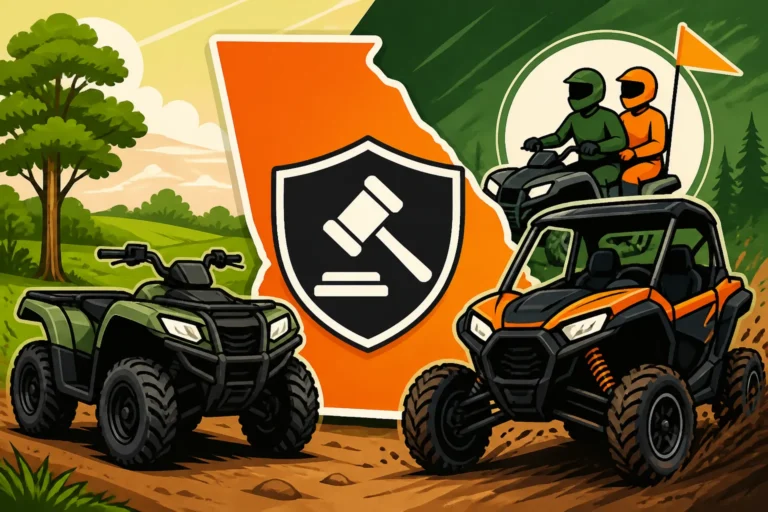
Here’s the plain truth: Georgia state law does not explicitly mandate that minors wear helmets when operating ATVs or UTVs on private property. This is a crucial point that often surprises people, especially given the strict rules on public roads. On your own land, or land where you have explicit permission to ride, the state doesn't impose the same direct safety equipment mandates for off-road vehicles. The underlying principle here relates to property rights and individual responsibility. The state generally has a stronger interest in regulating activities on public land to ensure the safety of the general public, whereas on private land, the owner typically assumes more of the responsibility for safety protocols.
However, the absence of a state law requiring helmets on private land does not equate to an endorsement of riding without one. It simply means the government isn't legally compelling it. This distinction is vital for understanding your rights and responsibilities. While you may not face a state-issued citation for a minor riding helmetless on your own acreage, you still have a duty of care. For more on this, you can explore [Georgia ATV Rules on Private Property]. It emphasizes the autonomy landowners have, but also implicitly suggests the heightened responsibility that comes with that freedom.
The Role of Parental Responsibility and Common Sense
Even though Georgia law doesn't require helmets for minors on private land, let’s be absolutely clear: it is still profoundly recommended. This is where parental and guardian responsibility takes center stage. While the state might not be looking over your shoulder, the risks associated with off-road riding remain the same, regardless of the property lines. A child's skull is just as vulnerable to impact on your back forty as it is on a county road.
Common sense dictates that protecting a child's head from potential injury should always be a top priority. Children are still developing their motor skills, judgment, and risk perception. An unexpected rut, a hidden rock, a sudden turn, or a loss of control can happen in an instant, even at low speeds. A helmet provides critical protection against traumatic brain injuries, concussions, and skull fractures that can have lifelong consequences. While you won't get a ticket, the emotional and practical costs of a preventable injury far outweigh the minor inconvenience of wearing a helmet. It's about proactive protection and ensuring that a fun ride doesn't turn into a tragic memory. This is a conversation that often comes up in communities, and ensuring young riders are protected is part of being a responsible off-road enthusiast. For families in Georgia, making smart choices about safety gear is paramount.
Why Helmets Are Crucial, Regardless of Legality
The decision to wear a helmet, especially for younger riders, should extend far beyond legal mandates. The very nature of off-road riding presents inherent risks that helmets are specifically designed to mitigate. Ignoring these risks, simply because a law doesn't apply, can lead to devastating consequences.
The Unseen Dangers of Off-Road Riding
Private land, while seemingly safer due to less traffic, harbors its own unique set of dangers. You might be familiar with every inch of your property, but ATVs and UTVs are powerful machines capable of reaching considerable speeds and encountering unpredictable terrain. Hidden roots, unseen rocks, unexpected dips, or sudden changes in traction can easily cause a rider to lose control. A minor who is still learning the nuances of off-road handling might overcorrect, hit an obstacle, or simply get spooked, leading to an accident. Imagine a young rider cresting a small hill, only to find a wash-out on the other side. The sudden jolt or rapid descent could throw them from the machine or cause their head to strike the roll bar or even the ground. Even falling off a stationary machine can cause injury if their head hits a hard surface.
Consider the potential for collisions with trees, fences, or even other machines if multiple riders are out. The ground itself, often composed of hard-packed Georgia red clay, gravel, or rocky soil, offers little cushion in a fall. A simple rollover, which can happen with surprising ease on uneven terrain, can pin a rider or cause them to hit their head violently. While Georgia's law might not mandate it on your own acreage, equipping younger riders with a quality helmet, perhaps paired with other protective gear from a brand like SuperATV, is a no-brainer. These dangers are real and present, and a helmet is the primary line of defense for the most vital organ: the brain.
Types of Head Injuries a Helmet Prevents
The human skull, while robust, has its limits. Helmets are engineered to absorb and distribute impact forces, preventing severe head injuries. Without a helmet, even a seemingly minor fall can result in a concussion, which is a traumatic brain injury caused by a jolt to the head or body that causes the brain to move rapidly inside the skull. Concussions can lead to a host of symptoms, from headaches and dizziness to memory problems and mood changes, sometimes with long-lasting effects. Multiple concussions, especially in quick succession, can be particularly dangerous for developing brains.
Beyond concussions, more severe impacts can lead to skull fractures, which are breaks in the bony structure of the head. These can be accompanied by bleeding in or around the brain, direct brain trauma, or even penetration of brain tissue. Hematomas (blood clots) and contusions (brain bruises) are also serious possibilities. These types of injuries often require emergency medical intervention, prolonged recovery periods, and can result in permanent neurological damage, affecting cognitive function, motor skills, and personality. It’s a sobering thought, but choosing to ride without a helmet is a direct gamble with a child's future. The minimal investment in a certified helmet far outweighs the potential, and often catastrophic, costs of a severe head injury.
Best Practices for Young Riders on Private Land
Since state law provides less direct guidance on private land, it falls to parents, guardians, and landowners to establish and enforce safety protocols. Adopting comprehensive safety measures, regardless of legal mandates, creates a much safer riding environment for everyone, especially young, impressionable riders.
Beyond the Helmet: A Full Safety Gear Checklist
While a helmet is undeniably the most critical piece of safety gear, it’s just one component of a complete protective ensemble. For young riders, it’s imperative to think head-to-toe protection. The trails and fields of Georgia can be unforgiving, with branches, rocks, and mud capable of causing various injuries.
Here's a checklist of other essential gear that should always accompany a helmet:
- Eye Protection: Goggles or a full-face helmet with a visor are crucial to protect eyes from dust, debris, insects, and low-hanging branches. A sudden impact to the eye can cause immediate blindness or severe injury.
- Gloves: Proper riding gloves protect hands from blisters, cuts, and scrapes. They also improve grip on the handlebars, which is vital for control, especially over bumpy terrain.
- Long Sleeves and Pants: Sturdy, long-sleeved shirts and long pants (jeans or riding pants, not shorts) shield arms and legs from abrasions, scrapes, and impacts from branches and debris. This also helps prevent sunburn and insect bites.
- Over-the-Ankle Boots: Regular sneakers offer no protection. Riders should wear sturdy, over-the-ankle boots to support the ankles and protect feet from impacts, crushing injuries, and hot engine parts.
- Chest Protectors/Body Armor: For more aggressive riding or for younger riders who are particularly vulnerable, a chest protector can guard against impacts to the ribs, spine, and internal organs.
Just as you'd trust SuperATV for aftermarket upgrades to enhance your machine's performance, you should invest in quality protective gear for the rider. These items, combined with a properly fitted helmet, create a comprehensive shield against the common injuries associated with off-road riding.
Supervision, Training, and Machine Suitability
Even with the best gear, safety on private land requires more than just equipment. It demands active involvement from adults, proper training, and ensuring the machine itself is appropriate for the rider.
- Constant Adult Supervision: Young riders, especially those new to ATVs or UTVs, need constant, direct adult supervision. An adult should be present and attentive, ready to intervene in an emergency or provide guidance. This isn't just about watching; it's about actively coaching, setting boundaries, and being a role model for safe riding.
- Formal or Informal Safety Training: While Georgia does not mandate a state ATV safety course, there are many excellent voluntary courses available, both online and in-person through various organizations. These courses teach fundamental riding techniques, risk assessment, and safe operating practices. Even if a formal course isn't taken, an experienced adult should provide thorough, hands-on training, covering starting, stopping, turning, ascending/descending hills, and emergency maneuvers. Understanding [Georgia Safety Course Options That Exist] can help families make informed decisions about rider education.
- Matching Machine to Rider: This is paramount. A child should never ride an ATV that is too large or too powerful for their age, size, and experience level. Manufacturers often provide age guidelines for their machines, and these should be strictly adhered to. An ATV that is too heavy or has too much horsepower for a young rider can be incredibly difficult to control, dramatically increasing the risk of an accident. Similarly, ensure the machine is well-maintained, with working brakes, proper tire pressure, and no obvious mechanical issues.
Consider our guide on [Georgia Rules for a Ten-Year-Old Rider] for age-specific considerations. Also, understanding [Georgia Supervision Rules for Minors] reinforces the critical role adults play in ensuring a safe riding experience. By combining these elements, you create a robust safety net that goes far beyond minimum legal requirements, fostering responsible and enjoyable off-road adventures.
Insurance, Liability, and Peace of Mind
Even on private land where the state's direct helmet laws may not apply, accidents can still lead to serious legal and financial repercussions. Understanding liability and having appropriate insurance coverage is just as important as the physical safety gear.
Private Land Liability in Georgia
Many landowners assume that because an accident occurs on their private property, they are automatically shielded from liability, especially if the rider had permission. This is a dangerous misconception. In Georgia, landowners can still be held liable for injuries that occur on their property, particularly if there was negligence involved. This could include failing to warn of known hazards, providing an unsafe machine, or allowing an underage or inexperienced rider to operate a vehicle without adequate supervision. If a minor is injured on your land, regardless of whether they were wearing a helmet, you could face a personal injury lawsuit.
Imagine a scenario where a young rider hits a hidden stump that you knew about but didn't mark, or they are riding a machine that had faulty brakes. Even if the minor was granted permission to ride, their parents could still pursue legal action, claiming negligence. These lawsuits can result in substantial financial penalties, covering medical bills, lost wages (for the child in adulthood, potentially), and pain and suffering. This is why understanding [Who Is Liable When a Minor Crashes in Georgia?] is crucial. It's a sobering thought, but the best way to mitigate this risk is to create the safest possible environment, which includes proper supervision, appropriate machinery, and, yes, the consistent use of helmets and other safety gear.
The Role of Off-Road Insurance Coverage
Given the potential for liability, off-road vehicle insurance becomes an incredibly valuable asset, offering peace of mind even on private property. While Georgia's MPOHV registration on public roads typically requires liability insurance, for machines solely used on private land, it's often optional. However, "optional" doesn't mean "unnecessary."
A good off-road insurance policy can provide several layers of protection:
- Liability Coverage: This is the most crucial aspect for private land use. It protects you financially if someone is injured on your property while riding your ATV or UTV and you are found liable. This can cover legal defense costs, settlements, and judgments.
- Medical Payments Coverage: Some policies offer medical payments coverage, which can help pay for the medical expenses of the injured rider (including your own child) regardless of who was at fault. This can be a lifesaver in the immediate aftermath of an accident, covering emergency room visits, hospital stays, and rehabilitation.
- Collision and Comprehensive Coverage: While not directly related to liability, these coverages protect your actual machine from damage due to accidents, theft, or other non-collision incidents. This ensures your investment is protected.
It's also important to check your homeowner's insurance policy. Many standard homeowner policies have exclusions for off-road vehicles, especially if they are powerful or frequently used. Therefore, a separate, dedicated ATV/UTV policy is often the best approach to ensure adequate coverage. Understanding [Georgia UTV Insurance Minimums] for road-registered vehicles can give you an idea of the types of coverages available, even if the minimums don't apply to private land use. Don't wait for an accident to find out you're underinsured. Proactive planning for insurance is a key component of responsible off-road vehicle ownership in Georgia.
Helmet Rules for Under-18 Riders: Public vs. Private Land in Georgia
To summarize the distinctions and recommendations for helmet use for minors on ATVs and UTVs in Georgia, this table provides a clear overview.
| Aspect | Public Roads/Public Land (e.g., County Roads) | Private Property (e.g., Your Own Land, Hunting Lease) |
|---|---|---|
| Legal Requirement for Minors (Under 18) | Mandatory. Georgia law requires a helmet. | No State Law. Georgia law does not explicitly mandate a helmet. |
| Primary Rationale | Public safety, regulation of public spaces, reducing severe injury. | Property rights, individual/parental responsibility. |
| Consequences of Non-Compliance | Fines, citations, potential legal issues for supervisor/parent. | No state citation, but significant liability risk for owner/parent. |
| Exceptions | Limited exceptions for bona fide agricultural or commercial work. | None defined by state law; owner sets rules. |
| Recommendation | Absolutely Mandatory. Always wear one. | Strongly Recommended. Best practice for safety. |
| Risk Factors | Other vehicles, varied public road conditions, higher speeds. | Hidden obstacles, uneven terrain, rollovers, unexpected events. |
| Mitigation | Helmet, full safety gear, training, insurance, supervision. | Helmet, full safety gear, training, insurance, supervision. |
Disclaimer
This article is for general informational purposes only and does not constitute professional advice. Laws, prices and regulations vary by location and change over time. Consult a qualified professional for guidance on your specific situation.