Georgia Rules for Riding a Utility Easement
It's a common sight across Georgia: wide, clear swaths of land cutting through forests, fields, and even suburban areas. These are often utility easements, maintained by power companies, gas companies, or water authorities. For many ATV and UTV riders, these open corridors can look like a tempting shortcut or even a perfect place to open up the throttle, especially when seeking a path around private property or busy roads. However, the allure of these open spaces can quickly lead to legal trouble and dangerous situations. This guide will thoroughly explain the complex rules and significant risks associated with riding your ATV or UTV on utility easements in Georgia, helping you understand where you can and cannot legally and safely enjoy your machine.
Understanding What a Utility Easement Actually Is
Before we can even talk about riding on them, we need to understand what a utility easement truly means in Georgia. It’s not just an open field; it's a specific legal designation with implications for who can use the land.
Defining "Easement" and "Right-of-Way"
In the simplest terms, an easement is a legal right that allows one party to use another party's property for a specific purpose. Think of it like this: someone else owns the land, but a utility company (or even a private individual) has a legal, recorded right to access and maintain their infrastructure on that land. The landowner still owns the property, but their ownership is encumbered by this easement. The utility company doesn't own the land itself; they just have the right to use it for their utilities. A "right-of-way" is essentially a type of easement, often referring to linear strips of land, like those for power lines or pipelines, where the utility needs continuous access along a specific path.
For example, imagine a large tract of rural land owned by the Miller family. A power company needs to run a new transmission line through a corner of their property. Instead of buying that strip of land outright, the power company negotiates an easement with the Millers. This easement grants the power company the right to install, maintain, and access those power lines, which includes keeping the area clear of trees and other obstructions. The Millers still own that corner of their land, pay taxes on it, and can typically use it for farming or other activities that don't interfere with the power lines.
Common Types of Utility Easements in Georgia
You’ll encounter several different kinds of utility easements across Georgia, each with its own specific purpose:
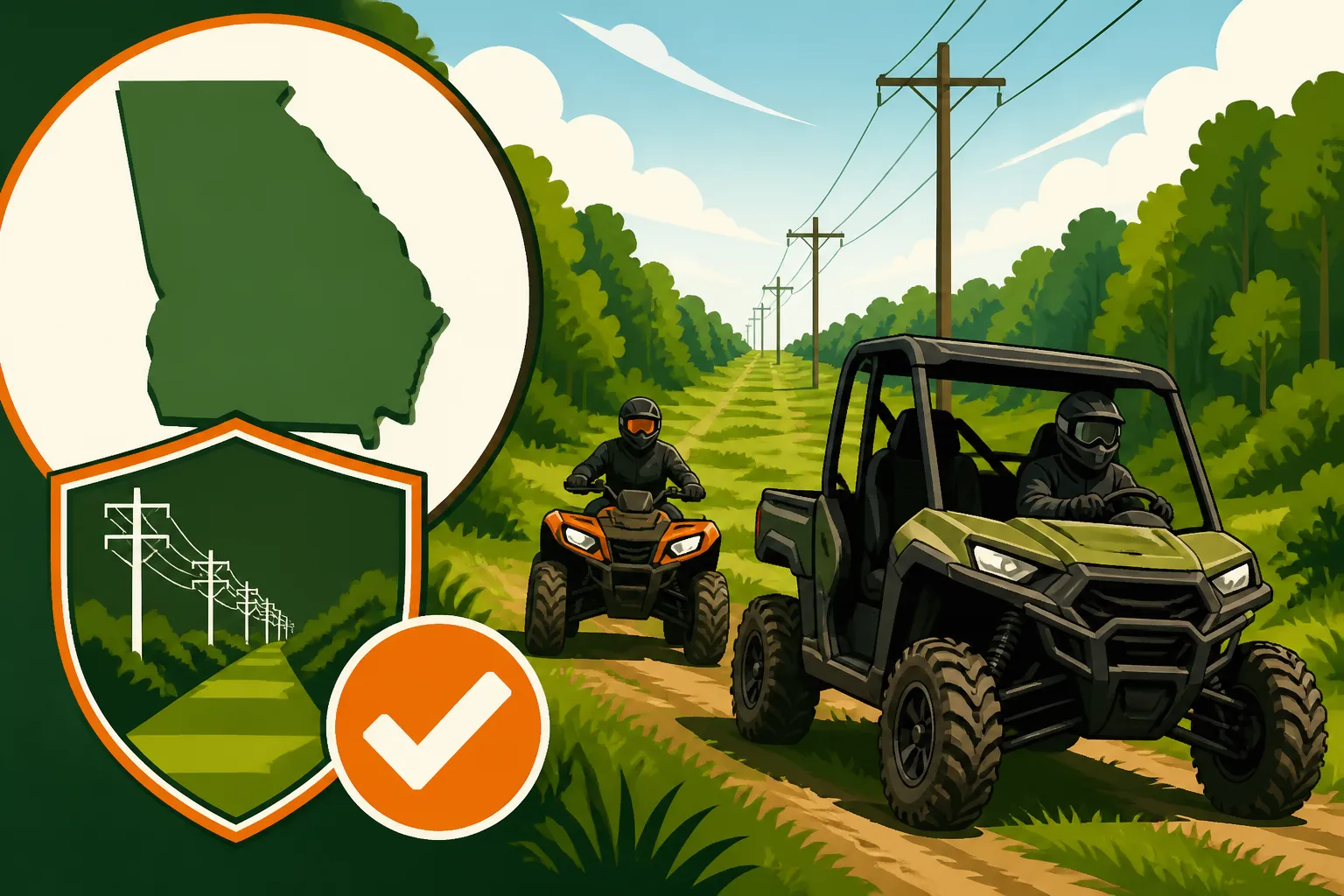
- Power Line Easements: These are perhaps the most visually obvious, characterized by towering transmission towers or long lines of utility poles. The cleared area beneath them is essential for safety, preventing trees from falling on lines, and allowing utility crews easy access for repairs and maintenance. You'll often see these wide, cleared corridors stretching for miles across various properties.
- Pipeline Rights-of-Way: Less visible but just as common are underground pipeline easements. These are typically maintained as cleared strips, often marked by warning signs indicating the presence of natural gas or petroleum pipelines. The clearing is vital for preventing heavy equipment from compacting the soil above the pipes, protecting against damage, and providing clear access for inspection and repair crews. Digging or even heavy vehicle traffic in these areas can be incredibly dangerous, risking ruptures.
- Water and Sewer Line Easements: Many municipal water and sewer lines also run through easements, often in residential or commercial areas, but sometimes extending into more rural landscapes. These easements ensure that local authorities can access, repair, or replace crucial infrastructure without needing to acquire the entire property. While usually narrower than power line or pipeline easements, they still carry restrictions on use.
Understanding that these are not "public lands" or abandoned areas is the first crucial step. They are private property with a specific, limited use granted to a utility.
Why Riders Are Tempted by Utility Easements
It's easy to see why utility easements catch the eye of ATV and UTV riders. They present an appealing, yet often misleading, image of open terrain.
The Perceived Freedom Versus the Legal Reality
When you're out riding your side-by-side and you come across a wide-open power line cut stretching into the distance, it can feel like a beckoning call for adventure. There are no "No Trespassing" signs plastered every few feet, no fences blocking the way, and no obvious obstacles. The ground might look like it's been purpose-built for off-road travel, perhaps a mix of dirt, grass, and gravel. This creates a strong perception of freedom, a feeling that this is "fair game" for riding.
However, this perception is far from the legal reality. As we discussed, these easements are on private property, even if they don't look like a typical backyard. The utility company has a right to use that land for their infrastructure, but that right does not extend to the general public for recreational riding. The lack of visible "No Trespassing" signs doesn't equate to implied permission. In Georgia, it's generally understood that entering private land without permission, even if it's unfenced or unmarked, can be considered trespassing. Just because the gate isn't locked doesn't mean you're invited in.
The Temptation of a Shortcut
Beyond the thrill of open space, utility easements often appeal to riders as convenient shortcuts. Imagine you're on a long trail ride, or perhaps trying to get from one part of your property to another, and a power line cut seems to offer a direct route, saving you miles or avoiding a busy road. This desire for convenience can override better judgment. It's easy to rationalize: "I'm just passing through," or "No one will mind."
However, this shortcut can lead to significant problems. You might be cutting across multiple private properties, unknowingly crossing land owned by different individuals who are definitely not expecting or permitting your presence. This isn't like using a public access road; it's a specific-purpose corridor that is not designed for public recreational use. You may also encounter unexpected hazards or even active utility work that turns your shortcut into a dangerous situation.
The Legalities: Permission is Paramount
This is where the rubber meets the road, quite literally. Understanding the legal framework around utility easements is critical for any responsible ATV or UTV owner in Georgia.
The Golden Rule: Always Seek Permission
The most important rule to remember about riding on any utility easement in Georgia is this: You must have explicit permission from the landowner AND the utility company that holds the easement. Without both, you are trespassing, pure and simple.
Think about it this way: the utility company has the right to use the land for their purposes, but they don't own it. The landowner owns it, subject to the utility's rights. So, if you ride on the easement without the landowner's permission, you're trespassing on their property. If you ride on it without the utility company's permission, you could be interfering with their operations, creating a liability, or damaging their assets. Many utility companies explicitly prohibit recreational use of their easements due to safety and liability concerns. Trying to secure permission from multiple landowners along a long easement, plus the utility, is often a complex and sometimes impossible task. This is why it's rarely a viable option for recreational riding.
[Can a Georgia Landowner Order Riders Off Their Land?] is an important read here, as it clarifies the rights of property owners when it comes to unauthorized entry.
Trespassing Laws in Georgia
Georgia's trespass laws are clear: it is illegal to go onto the land or premises of another without the permission of the owner or person in charge. This applies whether the land is fenced, posted with "No Trespassing" signs, or not. While signage can strengthen a trespass case, its absence does not grant permission.
If you are caught riding on a utility easement without permission, you could face:
- Criminal Charges: Trespassing is a misdemeanor in Georgia. This can result in fines, court costs, and potentially even jail time, depending on the severity and any prior offenses.
- Civil Liability: If you cause any damage to the land, property, or utility infrastructure while riding, the landowner or utility company could sue you for damages. This could include damage to crops, fences, or even the cost of repairing equipment.
- Vehicle Impoundment: Law enforcement has the authority to impound your ATV or UTV if it was used in the commission of a crime, such as trespassing. This adds significant fees for towing and storage, on top of any legal penalties.
Beyond these direct consequences, there's the broader issue of perception. Unauthorized riding on easements contributes to a negative stereotype of off-road enthusiasts, making it harder for responsible riders to gain access to legal riding areas in the future.
Specific Rules for Power Line Cuts and Pipeline Rights of Way
While the general rule of permission applies across the board, power line and pipeline easements often come with additional layers of regulation and danger.
- Power Line Cuts: Beyond trespassing, riding too close to power poles, guy wires, or other infrastructure can be incredibly dangerous. There's a risk of contact with energized lines, particularly if a pole is damaged or if you attempt to ride over obstacles that bring you too close to conductors. Utility companies spend a lot of money to keep these areas clear and safe for their operations, and recreational use can compromise that safety.
- Pipeline Rights-of-Way: These are especially sensitive. Heavy vehicles, even ATVs and UTVs, can compact the soil above buried pipelines, potentially damaging the protective coating or even the pipe itself. Any damage could lead to a leak or rupture, which can be catastrophic, involving explosions, fires, and environmental contamination. [Georgia Rules for Riding a Pipeline Right of Way] and [Georgia Rules for Riding a Power Line Cut] delve deeper into the specific dangers and restrictions associated with these particular types of easements.
Riders caught operating a machine on a utility easement could face questioning from law enforcement about whether their machine is registered. While not all ATVs/UTVs can be registered for road use, if your machine could be but isn't, and you're caught somewhere you shouldn't be, it adds another layer of potential trouble. [Georgia Penalties for an Unregistered Road Machine] outlines these consequences.
Practical Considerations and Risks Beyond the Law
Even if you were somehow granted permission (a rare feat), riding on utility easements presents a host of practical challenges and serious dangers that make them unsuitable for recreational use.
Safety Hazards You Might Encounter
Utility easements are not designed with recreational safety in mind. They are industrial corridors, and as such, they are riddled with hazards:
- Unseen Obstacles: The ground might look clear from a distance, but closer inspection often reveals hidden stumps, discarded construction debris, uneven terrain, erosion washouts, and deep ruts left by heavy utility vehicles. These can easily cause a rollover or an accident, especially at speed.
- Active Work Zones: Utility companies frequently have crews working on easements. You could unexpectedly encounter heavy machinery, exposed wires, open trenches, or personnel focused on their tasks and unaware of your presence. This creates a high risk of collision or injury.
- Weather and Ground Conditions: The cleared nature of easements means they're often exposed to the elements. During heavy rains, these areas can become extremely muddy, slippery, and prone to severe erosion, creating treacherous riding conditions. [Georgia Riding in Spring Mud] or [Georgia Trail Riding After Heavy Rain] are good reads about conditions you'd face on any unimproved trail, and easements are often worse.
- Wildlife Encounters: While not unique to easements, these corridors can act as wildlife pathways. Encountering deer, wild hogs, or other animals unexpectedly can lead to dangerous situations, especially if you're riding quickly.
Even with the best gear, including a quality helmet (especially if you're under 18, as per [Georgia ATV Helmet Law for Riders Under 18]), the inherent dangers of these unauthorized riding areas remain high. Many riders enhance their UTVs with durable components from brands like SuperATV, such as A-arm guards or heavy-duty bumpers, which are fantastic for designated trails but can still be overwhelmed by the unexpected hazards found on easements.
Environmental Impact and Damage
Riding off-trail, which is essentially what you're doing on an easement, can cause significant environmental damage. The cleared ground is often more susceptible to erosion, especially Georgia's red clay, which washes easily into streams and rivers. This siltation harms aquatic ecosystems. Repeated use by ATVs and UTVs can compact soil, damage vegetation, and disturb wildlife habitats. Utility companies maintain these areas with specific environmental regulations in mind, and unauthorized riding can undo their efforts and create new problems.
Enforcement and Penalties
Law enforcement in Georgia takes trespassing seriously. Landowners and utility companies are increasingly monitoring their easements, sometimes with cameras or patrols. If caught, the consequences are not just a slap on the wrist.
- Fines and Court Costs: As mentioned, trespassing is a misdemeanor, leading to fines that can range from hundreds to thousands of dollars, plus mandatory court fees.
- Vehicle Impoundment: Your prized ATV or UTV could be impounded, adding significant tow and storage fees to your financial burden. Getting it back can be a lengthy and frustrating process.
- Insurance Issues: If you're involved in an accident while illegally riding on an easement, your insurance policy might deny coverage, leaving you personally responsible for all damages and medical bills. Most policies have clauses excluding coverage for illegal activities.
- Reputation Damage: Beyond personal legal and financial repercussions, such incidents hurt the broader off-roading community. They reinforce negative perceptions and can lead to stricter regulations or further closures of legal riding areas.
Furthermore, if you are riding under the influence of alcohol or drugs, the penalties escalate dramatically. [Georgia DUI Law and Off-Road Machines] confirms that DUI laws apply to off-road vehicles as well, meaning your "shortcut" could lead to a DUI conviction, regardless of whether you're on a paved road or a dirt easement.
Legal and Safe Alternatives for Riding in Georgia
So, if utility easements are largely off-limits, where can you legally and safely enjoy your ATV or UTV in Georgia? Thankfully, there are many excellent options.
Designated Off-Road Parks
Georgia boasts several fantastic private off-road parks that cater specifically to ATVs, UTVs, dirt bikes, and other off-road vehicles. These parks offer miles of diverse trails, from easy scenic routes to challenging technical sections, all managed for safety and enjoyment.
- Iron Mountain Resort: With over 4,300 acres and 200 routes, Iron Mountain offers extensive riding for all skill levels. They have amenities like cabins, bunkhouses, and a trading post, making for a full weekend adventure.
- Highland Park Off-Road Resort: Known for its well-maintained, mostly one-way trails, Highland Park offers five difficulty levels, catering to everyone from beginners to experienced riders.
- Durhamtown Off-Road Resort: Though it has undergone changes, Durhamtown (near Union Point) offers thousands of acres of riding, typically including tracks for various skill levels and a wide array of amenities.
These parks charge an entry fee, but what you get in return is a safe, legal, and exciting environment with trails specifically designed and maintained for off-road recreation. Many of these parks are excellent places to try out those aftermarket parts you might have installed from SuperATV, knowing you're riding in a regulated and appropriate setting.
Georgia National Forest OHV Systems
The Chattahoochee-Oconee National Forest offers six designated OHV trail systems for permitted use. These are incredibly popular for their natural beauty and challenging terrain.
- Houston Valley OHV Trails: Located near Dalton, this system offers about 25 miles of trails. Note that many national forest trails have width restrictions, often 50 inches, which might exclude some larger side-by-sides. [Georgia's 50-Inch Width Cap at Houston Valley] is a critical detail to check.
- Beasley Knob OHV Trail System: Also in North Georgia, Beasley Knob provides another exciting option, though it often has seasonal closures.
- Whissenhunt, Town Creek, Oakey Mountain, and Davenport OHV Trails: These additional systems offer varied riding experiences across the state's national forests.
To ride on these trails, you'll need a [Georgia OHV Permits: What You Need Before You Ride], typically a day or annual permit purchased through Recreation.gov or a local ranger district. It's crucial to check trail conditions and closures before heading out, as heavy rain often leads to temporary closures to prevent erosion. [Georgia Trails That Close After Rain] is important to remember.
Private Land with Permission
If you're fortunate enough to own private land, or have friends or family who do, riding on their property with explicit permission is another legal and often preferred option. This gives you the freedom to create your own trails and enjoy your machine without public restrictions. Always ensure you have clear, unambiguous permission, ideally in writing, especially if you're regularly using someone else's property.
Wildlife Management Area (WMA) Roads
Georgia's Wildlife Management Areas (WMAs) sometimes allow ATV/UTV access, but this is highly restricted and specific. Typically, riding is only permitted on designated WMA roads, not off-road trails, and often only during specific hunting seasons or within limited hours around sunrise and sunset on hunt days. [Georgia WMA Roads and the Two-Hour Window] provides details on these narrow windows of access. These are not recreational riding areas in the same vein as OHV parks or national forest trails, but rather access routes for hunters and land management. It's crucial to consult the specific WMA's regulations before assuming any access.
Conclusion
The temptation to ride your ATV or UTV on Georgia's utility easements is understandable, given their appearance as open, unhindered paths. However, the legal and safety realities are starkly different. These areas are private property with specific, limited uses, and riding on them without explicit permission from both the landowner and the utility company is trespassing, with serious legal, financial, and safety consequences.
Responsible off-road enthusiasts prioritize safety, legality, and environmental stewardship. By understanding the rules and opting for designated riding areas like Georgia's numerous off-road parks, national forest OHV trails, or private land with permission, you can enjoy your machine to the fullest while protecting yourself, your investment, and the future of off-roading in our beautiful state.
Disclaimer
This article is for general informational purposes only and does not constitute professional advice. Laws, prices and regulations vary by location and change over time. Consult a qualified professional for guidance on your specific situation.