Timber Company Land and Written Permission
There’s a unique allure to the vast, seemingly endless tracts of Georgia’s timber company land. For many ATV and UTV enthusiasts, these quiet, often unpaved expanses call out as the perfect place to explore. Yet, riding on these properties without explicit, written permission isn’t just risky – it’s a serious legal misstep that can lead to heavy penalties and damage to the future of responsible off-roading. This guide is here to walk you through why written permission is non-negotiable, how to potentially obtain it, and what alternatives exist for legal, enjoyable riding in Georgia.
Understanding Timber Company Land in Georgia
Georgia is a state rich in natural resources, and a significant portion of its landscape is owned by timber companies. These vast properties often feature well-maintained gravel roads, winding trails, and diverse terrain, making them incredibly attractive to anyone looking for an off-road adventure. However, beneath their inviting appearance lies the reality of private ownership and stringent rules.
Why Timber Companies Own So Much Land
Timber companies operate on a long-term investment model, cultivating and harvesting trees over decades. This requires them to own or lease substantial amounts of land, often thousands of acres at a time, across multiple counties. These lands are their livelihood, managed for timber production, wildlife conservation, and sometimes even mineral rights. To the casual observer, these properties might look wild and unmanaged, but every acre is part of a carefully planned forestry operation. You might see recent clear-cuts, young saplings beginning to grow, or mature forests ready for harvest, all indicating active management. It’s easy to look at a sprawling tract of forest with a faint dirt track running through it and think, "Who would mind if I just rode my side-by-side for an hour or two?" This is precisely where the misunderstanding begins, and it's a frustration many riders face when trying to find new places to explore.
The Legal Status of Timber Company Property
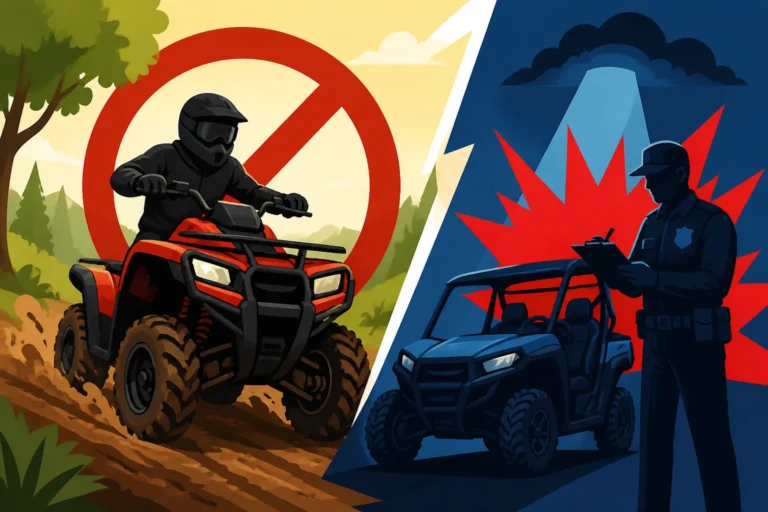
Despite how open and unfenced some of these lands appear, they are unequivocally private property. The absence of a "No Trespassing" sign does not imply permission to enter. In Georgia, entering private land without the owner's express permission is considered criminal trespass. This isn't a minor infraction; it can lead to fines, jail time, and even the impoundment of your machine. The owners have the right to exclude anyone they haven't explicitly invited, and this includes off-road vehicle riders. Many timber companies employ foresters and land managers who regularly patrol their properties, and they are quick to contact local law enforcement when they spot unauthorized activity. Understanding this legal reality is the first crucial step in avoiding trouble and ensuring you can continue to enjoy your ATV or UTV safely and legally.
The Absolute Necessity of Written Permission
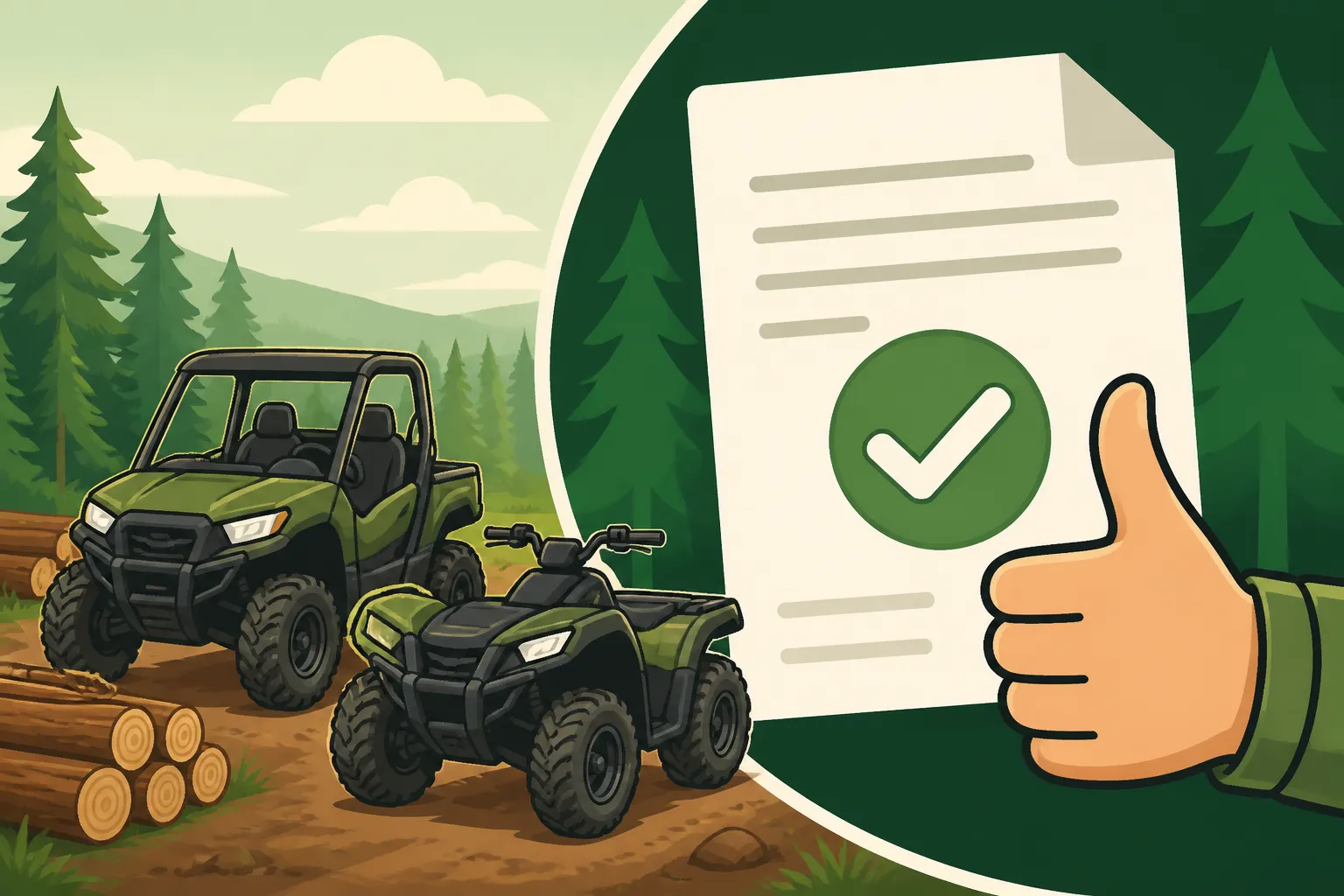
When it comes to accessing private land, especially large commercial properties like those owned by timber companies, permission isn't just a courtesy – it's a legal safeguard. And crucially, that permission needs to be in writing.
Why Verbal Permission Isn't Enough
Imagine you strike up a conversation with a local logging truck driver, and he casually says, "Oh yeah, people ride back there all the time, don't worry about it!" You might take that as permission, head out on the trails, and then suddenly find yourself face-to-face with a sheriff's deputy. In this "he-said, she-said" scenario, verbal permission simply doesn't hold up. The person you spoke to might not have had the authority to grant access, or their understanding of the rules might be different from the official company policy. Law enforcement officers need concrete proof of permission, something verifiable that they can check against their records or directly with the landowner. Without a tangible document, you're relying on hearsay, and that's a gamble you definitely don't want to take when your machine and your freedom are on the line.
Misunderstandings are incredibly common. A casual "go ahead" from a local resident might be based on old knowledge, or perhaps they're referring to an entirely different parcel of land. From the timber company's perspective, any unauthorized presence on their property creates a significant liability risk, especially if an accident occurs. They need to protect their assets, their employees, and their bottom line. Therefore, they cannot accept ambiguous verbal agreements. This is why when you approach any large landowner, whether for hunting or riding, the first thing they'll tell you is that everything must be in writing.
What Written Permission Should Include
A solid, legally sound piece of written permission isn't just a quick note. It's a document that clearly outlines the scope and limits of your access. When you get permission, make sure it covers these crucial elements:
- Specific Dates and Times: Does the permission apply to a single day, a weekend, or a specific season? Are there time-of-day restrictions (e.g., no night riding)?
- Designated Areas: Precisely which roads, trails, or sections of the property are you allowed to access? Are there maps included, or specific boundary descriptions?
- Names and Contact Information: The full name and contact information of the person granting permission (and their title, if representing a company) and your full name and contact information.
- Vehicle Details: The make, model, and VIN of your ATV or UTV. This ensures that only authorized machines are on their property.
- Purpose of Access: Clearly state that the purpose is for recreational riding.
- Terms and Conditions: Any specific rules you must follow, such as "stay on existing roads," "no cutting timber," "pack it in, pack it out," or "yield to logging equipment."
- Signature and Date: The authorized signature of the landowner or their representative, along with the date the permission was granted.
Imagine you're out riding your SuperATV Defender, fully geared up, and a Georgia deputy pulls up. Being able to calmly hand over a document clearly stating "John Smith, authorized rider of Polaris Ranger VIN XXXXXX, has permission to access the Pine Ridge tract from 8 AM to 5 PM on Saturday, October 26th, 2024, for recreational riding as per attached map" makes all the difference. This level of detail removes ambiguity and demonstrates respect for the landowner's property and legal rights. Without it, you're essentially gambling every time you turn your key on their land.
Here’s a quick overview of what to look for in written permission:
| Element | Description | Why It's Important |
|---|---|---|
| Landowner Info | Full legal name of company/individual, contact details, authorized signatory | Verifies legitimate source of permission. |
| Rider Info | Your full legal name, contact details, vehicle make/model/VIN | Identifies who is covered and what machine is authorized. |
| Property Description | Specific land tract names, county, perhaps map coordinates or attached map | Clearly defines the boundaries of permitted access. |
| Access Dates/Times | Start and end dates, specific hours of operation (e.g., "sunrise to sunset") | Limits access to specific periods, prevents open-ended agreements. |
| Permitted Activities | Explicitly states "recreational ATV/UTV riding" | Avoids misinterpretation; ensures purpose aligns with landowner's allowances. |
| Conditions/Rules | "Stay on marked trails," "no littering," "yield to heavy equipment" | Sets expectations for responsible behavior and minimizes damage/liability. |
| Liability Clause | Often states rider assumes risk and waives liability | Protects the landowner from potential lawsuits in case of injury. |
| Expiration Date | A clear date when the permission becomes void | Prevents indefinite access and allows for periodic review or revocation. |
The Risks of Riding Without Permission
The consequences of trespassing on timber company land in Georgia are far more severe than just getting a stern talking-to. Legally, you could face significant fines, potentially have your ATV or UTV impounded, and even be charged with criminal trespass, which is a misdemeanor. A conviction can result in a criminal record, impacting future opportunities. Beyond the legal ramifications, there are inherent safety risks. Timber company lands are active work sites. You could encounter large logging trucks, heavy machinery, or even active felling operations, all of which pose extreme hazards to an unsuspecting rider. These areas may also have unmarked hazards like logging debris, hidden stumps, or unmaintained culverts.
Furthermore, liability is a huge concern. If you get injured while trespassing, you typically have very little recourse against the landowner. They owe you minimal duty of care as an unauthorized visitor. Your insurance might also refuse to cover damages to your machine or medical costs if the incident occurred during an illegal activity. Lastly, there's the long-term impact on the riding community. One incident of irresponsible riding, illegal dumping, or property damage by trespassers can lead timber companies to completely shut down any possibility of future access, not just for that individual, but for all riders. This makes it harder for everyone to find legal places to ride and fuels negative perceptions of the sport. Riders need to be aware of [Georgia Trespass Law for ATV Riders] and understand its implications fully.
How to Seek Permission From Timber Companies
Getting permission to ride on private timber land can be challenging, but it's not impossible. It requires patience, professionalism, and a clear understanding of what you're asking for.
Identifying the Landowner
This is often the first and most significant hurdle. Large timber companies don't typically put up signs with their contact information on every tract of land. To find out who owns a specific parcel, your best bet is to start at the county tax assessor's office or clerk of superior court in the county where the land is located. Many counties now have online GIS (Geographic Information System) maps that allow you to search by parcel number or even by drawing on a map to identify ownership information, including the property owner's name and mailing address. You might also find local residents who can point you in the right direction, but always verify this information with official county records. It can be a frustrating process, as some properties are owned by LLCs or investment groups, making direct contact difficult. However, this due diligence is essential; you can't ask for permission if you don't know who to ask.
Once you have a name, a quick online search can often lead you to the company's corporate contact information. Look for land management departments, forestry divisions, or even general corporate affairs. Avoid calling their sales or customer service lines; those departments are not equipped to handle land access requests.
Crafting Your Request
When you finally identify the right contact, your request needs to be professional, polite, and persuasive. Think of it like a business proposal. Start with a letter or email outlining:
- Who you are: Your full name, contact information, and perhaps a brief mention of your experience as a responsible off-road enthusiast.
- What you want: Clearly state that you are seeking permission to ride your ATV/UTV on a specific tract of their land (identify it as precisely as possible).
- When you want to ride: Be specific about dates, times, or frequency.
- How you will be responsible: This is critical. Emphasize your commitment to safety, environmental stewardship, and respecting their property. Mention that you adhere to "leave no trace" principles, will stay on existing trails, will not disturb wildlife, and understand the potential for active logging operations. You might even mention that your machine is equipped with essential gear for safe riding, perhaps even quality SuperATV skid plates or winches, showing you take your machine and safety seriously.
- Insurance: State that you carry appropriate liability insurance for your off-road vehicle. This addresses one of their biggest concerns.
- Waiver of Liability: Be prepared to sign a liability waiver if they require one.
Keep your initial contact concise and respectful. If they decline, ask politely if there are any conditions under which they would consider granting permission, or if they know of other nearby properties that might be more receptive. Sometimes, companies have specific policies regarding recreational access, so understanding their stance is key.
Managing Expectations and Dealing with Rejection
It's important to go into this process with realistic expectations: the answer will likely be "no." Timber companies face significant liability risks, active logging operations, and often have existing leases with hunting clubs ([Hunting Club Leases and Machine Use]), which means much of their land is already under specific management agreements. Granting individual recreational access can complicate these arrangements and increase administrative burden. Don't take a rejection personally. It's usually a business decision, not a judgment on you.
If you are rejected, be polite and thank them for their time. Do not try to argue, harass, or repeatedly contact them. Such behavior only reinforces negative stereotypes about off-road riders and can cement their decision never to allow access. Instead, take it as a sign to explore other, more receptive avenues for riding. Remember, a polite "no" today might open a door years down the line if circumstances change. It’s also important to remember that some landowners might be more open to special requests, for example, if you are offering to assist with certain tasks like clearing storm debris or performing minor road maintenance in exchange for riding privileges. However, this is rare and should not be your primary approach.
Alternatives to Riding on Timber Company Land
While the idea of riding vast, secluded timber land is appealing, the reality of obtaining permission is often a significant hurdle. Thankfully, Georgia offers several fantastic alternatives where you can legally and safely enjoy your ATV or UTV.
Dedicated Off-Road Parks and Trails
The most straightforward and often most enjoyable alternative is to utilize Georgia's network of dedicated off-road parks and trails. These facilities are specifically designed for ATV and UTV riding, offering a variety of terrain from beginner-friendly loops to challenging rock crawls and mud pits. They often provide amenities like restrooms, camping, and even repair services. Many of these parks are privately owned, such as [Iron Mountain Resort: Georgia's Biggest Private Park], which boasts over 150 miles of trails. Additionally, Georgia is home to [Georgia's Six National Forest OHV Systems], offering designated trails within the Chattahoochee-Oconee National Forest.
These parks and trails come with clear rules, maps, and often staff on hand to assist. You typically pay a day-use or annual fee, which directly contributes to trail maintenance and safety measures. This environment eliminates the legal worries of trespassing and often allows for a more focused and thrilling riding experience. You might even find that some trails are perfect for testing out new upgrades, like a heavy-duty winch or a lift kit from SuperATV, knowing you're in a managed and legal environment. Check out [Georgia ATV Trails: Where You Can Legally Ride] for a comprehensive list of options.
Hunting Club Leases
Another avenue, albeit one that still requires permission, involves joining or contacting local hunting clubs that lease timber company land. Many hunting clubs secure long-term leases from timber companies, which often include specific allowances for ATV and UTV use for hunting-related activities, such as accessing stands, retrieving game, or maintaining food plots. While these leases do not typically grant open recreational riding access, some clubs might, at their discretion, allow members or guests to use machines within the scope of the lease.
If you're already a hunter, exploring membership in a club that aligns with your riding interests could provide access. However, it's crucial to understand that even within a hunting club, your riding is generally limited to specific purposes and areas, and you would still need explicit permission from the club leadership to ride recreationally. The club's lease agreement dictates what is and isn't allowed, and violating those terms could jeopardize the entire club's access. Always ask about [Hunting Club Leases and Machine Use] policies before joining or riding.
Your Own Land or Friends' Property
The simplest and most secure option, of course, is to ride on land you own or land owned by friends or family who have given you explicit permission. If you're fortunate enough to have a few acres, it's a fantastic private playground. Even smaller plots can offer opportunities for honing skills or setting up a small obstacle course. Just be mindful of local noise ordinances and any homeowner association rules, particularly if you're in a residential area.
When riding on a friend's property, ensure you have their clear permission, and ideally, have a discussion about any liability concerns. It’s a good idea to discuss the [Georgia Helmet Rule on Your Own Land] and other safety practices to prevent accidents. Even on private land, common sense and safety practices are paramount. Always confirm property boundaries to avoid inadvertently trespassing onto a neighbor's land. While this option offers maximum freedom, it's not always feasible for everyone, pushing many riders to seek out designated trails or organized events. For instance, if you're building a new trail on your property, a reliable SuperATV plow or grading attachment can be incredibly useful.
Maintaining Good Relationships and Responsible Riding
For the off-road community to thrive and potentially gain more access in the future, responsible riding is absolutely essential. Every rider's actions reflect on the entire community, whether you're on public trails, private land with permission, or even crossing a small section of a county road.
Respecting the Land and Its Owners
The "leave no trace" principle is not just a suggestion; it's a foundational ethic for any outdoor activity, especially off-roading. When you are granted the privilege to ride on someone else's property, whether it's a timber company, a hunting club, or a friend, treating that land with the utmost respect is paramount. This means:
- Staying on Designated Paths: Do not create new trails, cut across clearings, or ride through sensitive habitats. Stick to the agreed-upon routes.
- Packing It In, Packing It Out: Absolutely no littering. Take everything you bring in, and if you see trash, pick it up.
- Protecting Property: Do not damage gates, fences, signs, or any other infrastructure. Close gates behind you unless specifically told otherwise.
- Avoiding Disturbances: Be mindful of noise, especially near homes or wildlife. Do not harass wildlife.
- Respecting Operations: If you encounter active logging or farming operations, give them wide berth. Yield the right of way to heavy equipment and follow any instructions from workers.
Your conduct directly influences a landowner's willingness to grant access in the future, not just to you, but potentially to other riders. A single act of disrespect or negligence can shut down access for everyone. Showing that you are a careful, environmentally conscious rider builds trust and goodwill, which is invaluable. Carrying a small SuperATV recovery kit can be a good example of being prepared to address minor issues without causing damage to the land.
Understanding Consequences and Long-Term Impact
The cumulative impact of irresponsible riding can be devastating. Eroded trails, damaged ecosystems, litter, and property destruction are not just unsightly; they can lead to permanent closures of riding areas, increased regulations, and a negative public perception of ATV and UTV enthusiasts. When incidents of trespass or damage occur, landowners, environmental groups, and local communities often push for stricter laws or outright bans on off-road vehicles. This makes it harder for everyone to find places to ride and creates an uphill battle for organizations advocating for responsible access.
Conversely, when riders consistently demonstrate respect, adherence to rules, and a commitment to environmental stewardship, it opens doors. It fosters trust with landowners and policymakers, making it more likely that new riding opportunities will emerge or that existing ones will be preserved. Every time you ride, you are an ambassador for the entire off-road community. Making sure you understand [Georgia DUI Law and Off-Road Machines] and [Georgia Accident Reporting for a UTV Crash] ensures you're prepared for any eventuality and further demonstrates responsible behavior. By always seeking proper permission, adhering to designated routes, and leaving no trace, we can ensure that future generations of Georgians can continue to enjoy the thrill and freedom of off-road exploration.
Disclaimer
This article is for general informational purposes only and does not constitute professional advice. Laws, prices and regulations vary by location and change over time. Consult a qualified professional for guidance on your specific situation.