Tunnels Under a Highway for Carts
It's incredibly frustrating when you're trying to get from point A to point B in your community, especially if you live in one of those fantastic Georgia towns that truly embraces alternative transportation, only to be blocked by a major road or highway. You see paths everywhere, perfect for cruising, but then a busy thoroughfare pops up, forcing you to reconsider your route or, worse, risk sharing the road with fast-moving traffic. This guide is all about how communities in Georgia have tackled this exact problem with underpasses and tunnels specifically for golf carts and other personal transportation vehicles, and why understanding the nuances of these systems is key to a smooth, legal ride.
Understanding Georgia's Approach to Golf Cart Infrastructure
Georgia has some truly forward-thinking communities that have embraced golf carts and similar personal transportation vehicles (PTVs) as a legitimate, convenient way to get around. It’s not just about a leisurely ride; for many, it's how they commute to the store, visit friends, or even get to work. But building a comprehensive network for these slower-moving vehicles isn't without its challenges, especially when modern highways cut right through the middle of residential and commercial areas.
The Vision of Cart-Friendly Communities
Imagine living in a place where your golf cart isn't just for the greens, but for everyday errands. That's the reality in places like Peachtree City, which has famously pioneered a vast network of dedicated cart paths. It's more than just a novelty; it's a lifestyle choice that reduces reliance on cars for short trips, promotes outdoor activity, and fosters a strong sense of community. These paths are designed to connect homes, schools, shopping centers, and parks, creating an intricate web where you can often go days without needing a traditional vehicle. The idea is to make local travel as seamless and enjoyable as possible, offering a pleasant alternative to the hustle and bustle of car traffic. You can really see this vision come to life when exploring [Peachtree City's 100 Miles of Georgia Cart Paths].
Why Underpasses Are Essential for Connectivity
The biggest hurdle in creating these cart-friendly havens is often the major roads and state highways that inevitably cross the path of desired cart routes. Without dedicated underpasses or tunnels, a cart path network would be fragmented, forcing riders to either make huge detours or, even worse, put themselves in potentially dangerous situations by crossing multi-lane highways. These tunnels are more than just concrete tubes; they are critical arteries that ensure the continuity of the entire system. They allow golf cart operators to safely pass beneath busy traffic, maintaining the flow of pedestrian and PTV travel without ever intersecting with higher-speed vehicle lanes. It’s about creating a safe, uninterrupted journey, which is paramount for the success and safety of these alternative transportation systems.
The Role of Local Ordinances in Supporting Cart Paths
It’s crucial to understand that the existence and usability of these cart paths, including their tunnels, are deeply rooted in local governance. Cities and counties, often with specific needs and visions for their communities, pass ordinances to designate certain areas as suitable for PTVs and to regulate their use. These local rules often define what constitutes a golf cart or PTV and specify where they can and cannot operate, including access to paths and underpasses. This means that while there are overarching [Georgia Golf Cart Laws and PTV Ordinances], the granular details of who can use a particular path or tunnel often fall to the city or county where you're riding. This hyper-local approach ensures that the infrastructure genuinely meets the community’s needs and is maintained according to local standards and safety protocols.
Where Tunnels and Underpasses Fit into the Local Landscape
When we talk about tunnels and underpasses for carts in Georgia, we're really talking about ingenious solutions to real-world transportation challenges. These aren't just random holes in the ground; they are carefully planned elements of a larger, integrated network designed to enhance local mobility and safety. They represent a commitment from certain communities to provide alternatives to car travel.
Specific Examples of Tunnel Integration
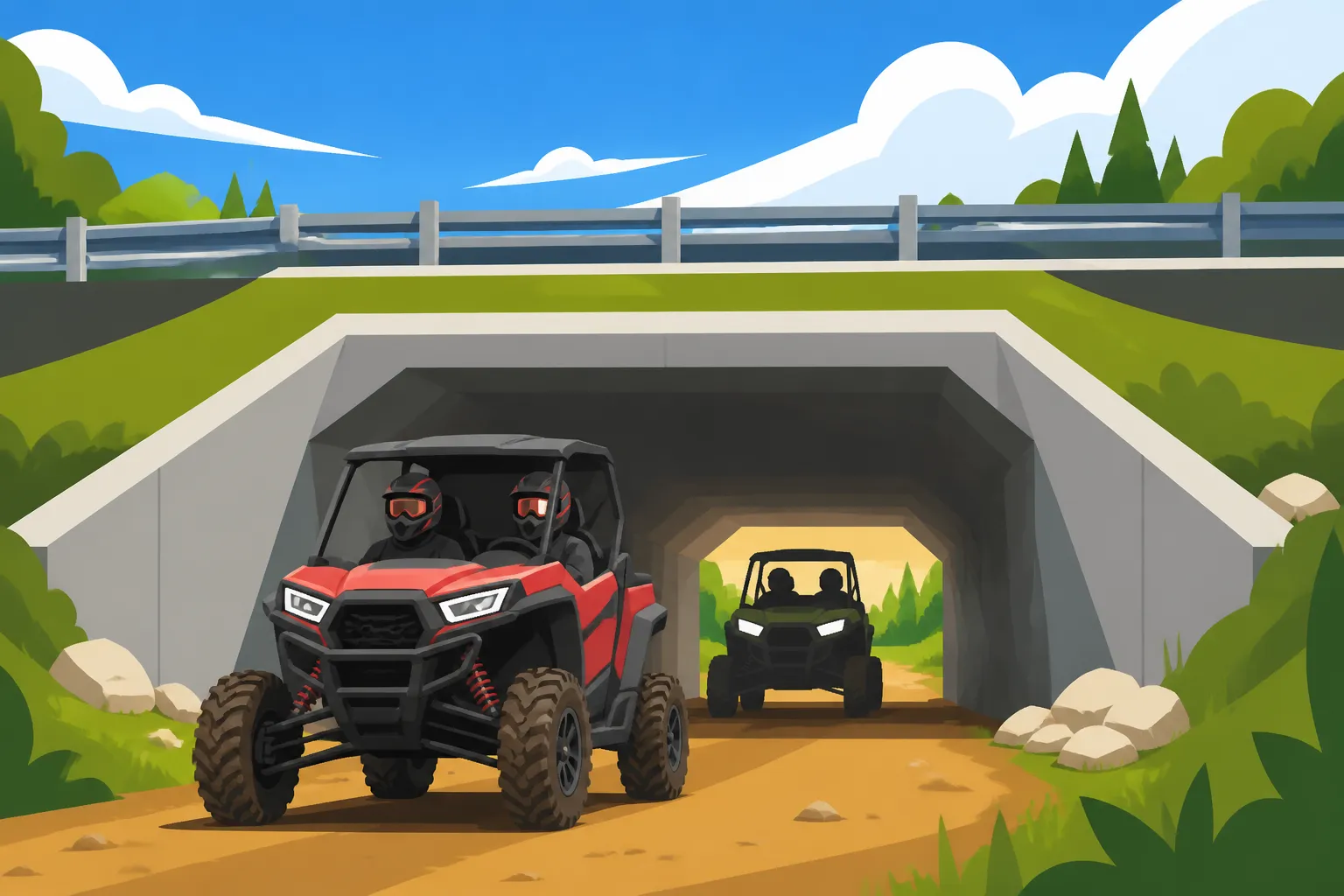
The most famous example of successful tunnel integration for carts in Georgia is undoubtedly Peachtree City. Here, you'll find numerous underpasses that dive beneath major roads like State Route 54 or Peachtree Parkway. Imagine you're heading to a friend's house or your local market, and a bustling four-lane road stands between you and your destination. Instead of merging into traffic or waiting at a long light, you simply follow the cart path into a well-lit, clearly marked tunnel. On the other other side, you pop out right into another section of the path network, continuing your journey seamlessly. These aren't just for crossing; some tunnels are quite long, taking you beneath entire commercial districts or extensive highway interchanges. This level of integration truly makes the cart network feel like a separate, functional transportation system, designed specifically for leisurely but efficient local travel.
Design and Safety Features of Cart Tunnels
While some older underpasses might be simple concrete culverts, many of the newer or updated cart tunnels are built with specific safety and user experience features in mind. You'll often find them well-lit, sometimes with natural light pouring in from grate openings, but more commonly with dedicated electric lighting to ensure visibility at all hours. Drainage is also a key consideration to prevent pooling water, especially after Georgia's frequent rain showers. The width of these tunnels is important too; they are typically wide enough for two carts to pass comfortably, often with designated lanes for opposing traffic, and sometimes even a separate pedestrian lane. Clear signage at both entrances and exits is standard, indicating speed limits, right-of-way rules, and what types of vehicles are permitted. All these elements work together to create a safe, navigable passage for cart users, making the ride enjoyable rather than a source of anxiety.
Distinguishing Tunnels from Bridge Crossings
It’s helpful to understand the difference between tunnels and bridge crossings in the context of cart paths, though both serve the same ultimate goal: uninterrupted passage. Tunnels, as we've been discussing, go under an obstruction, such as a highway, railroad tracks, or even a natural land formation. You descend into them and emerge on the other side. Bridge crossings, on the other hand, take the cart path over an obstruction, like a creek, a river, or another road. While they achieve the same result of separating cart traffic from other obstacles, the experience and engineering are quite different. For instance, a bridge might offer scenic views, while a tunnel prioritizes direct, sheltered passage. Both are critical components in creating a truly comprehensive and safe cart path network, each deployed where geographically and infrastructurally appropriate to maintain the flow of traffic.
Who Can Use These Underpasses (And Who Can't)
This is where things can get a little tricky, and it’s a point of frustration for many folks who own different types of off-road machines. While these underpasses are a fantastic amenity for certain vehicles, they are not a free-for-all for anything with an engine and wheels. Understanding the specific classifications and local rules is paramount to avoid fines, or worse, accidents.
Golf Carts and Personal Transportation Vehicles PTVs
Generally, these dedicated underpasses and the cart path networks they serve are strictly for golf carts and other officially designated personal transportation vehicles (PTVs). A PTV in Georgia is usually defined as a motor vehicle with at least four wheels, capable of speeds greater than 20 miles per hour but not more than 35 miles per hour, and designed for use on public roads. Golf carts, which typically have a top speed of 20 mph, often fall into a similar, though sometimes distinct, category under local ordinances, granting them access to these paths. The key is that these vehicles are usually lighter, slower, and designed for leisure or very short-distance utility within a community. They are equipped with features like headlights, brake lights, and turn signals, much like a car, but lack the speed and robustness of larger off-road machines. It's their inherent design and speed limitations that make them compatible with the safety and traffic flow of these specific path systems.
Why ATVs and Most UTVs Are Generally Excluded
Here’s where many ATV and UTV owners find themselves in a bind. Despite their utility and versatility, ATVs (All-Terrain Vehicles) and most UTVs (Utility Task Vehicles or side-by-sides) are typically not permitted on golf cart paths or through these dedicated underpasses. Why?
First, ATVs are explicitly designed for off-road use, often with handlebars and a straddle seat, which immediately disqualifies them from being classified as a PTV or golf cart under most local ordinances and state laws. Second, while UTVs like a Polaris Ranger, Kawasaki Mule, or even a souped-up Can-Am Defender share some similarities with PTVs (like a non-straddle seat and steering wheel), they generally exceed the speed and weight limitations set for cart paths. Many UTVs can easily hit speeds well over 35 mph, making them much faster and potentially more dangerous in a shared path environment with pedestrians and slower carts. Even if your UTV has been made "street legal" and registered as a [Georgia MPOHV Registration Explained] for use on certain county roads, that registration does not automatically grant it access to golf cart paths or their underpasses. The rules for registered MPOHVs apply to specific road types, not these highly regulated, slower-speed path networks. Even if you've invested in top-tier accessories from a company like SuperATV to enhance your UTV's performance and utility, it doesn't change its fundamental classification in the eyes of local path ordinances. The intent of these paths is for low-speed, neighborhood travel, not for the more robust and often faster UTVs. This distinction is paramount and often clearly marked by signage where these path systems exist. When considering [Are Side-by-Sides Street Legal in Georgia?], remember this refers to county roads, not often these specific local path networks.
The Importance of Local Signage and Rules
Because regulations can vary from one community to another, and even within different sections of a sprawling path network, it is absolutely critical for any rider to pay close attention to local signage. These signs are your primary source of information on what is permitted, where, and by whom. They will typically indicate speed limits, restrictions on vehicle types, and any other pertinent rules. Ignoring these signs can not only lead to a citation—and nobody wants to deal with [Georgia Penalties for an Unregistered Road Machine] or a fine for improper use—but more importantly, it can create dangerous situations for yourself and other path users. Before you embark on a ride through any cart path system, especially if you're unfamiliar with it or if you're operating something other than a standard golf cart, take a moment to understand the specific ordinances and posted rules for that area. It's your responsibility as a rider to know and follow the rules of the road, or in this case, the rules of the path and tunnel.
Navigating Underpasses: Safety and Best Practices
Tunnels and underpasses, while incredibly convenient, also come with their own set of considerations to ensure everyone's safety. They can be dark, echoey, and sometimes have blind spots, which means riders need to be extra vigilant. It's not just about getting through; it's about getting through safely and courteously.
Visibility and Lighting
Even the best-lit underpasses can have variations in light, especially when transitioning from bright daylight into a tunnel and back out again. This abrupt change can momentarily impair vision. Therefore, it's paramount that your golf cart or PTV has fully functional headlights and taillights. Many local ordinances and state laws require these for road or path use anyway, but their importance is amplified in a tunnel. Always switch on your lights before entering an underpass, regardless of the time of day. This not only helps you see any obstacles or other users within the tunnel but, crucially, makes you visible to others. Think of it like driving into a cloudy patch on a highway; you want to be seen. You should also ensure your machine’s lights are clean and working properly before you even leave your driveway.
Yielding and Right-of-Way
Tunnels are often shared spaces, not just for golf carts but sometimes for pedestrians and cyclists as well. It’s essential to practice common courtesy and obey any posted right-of-way rules. Generally, pedestrians have the right-of-way, followed by cyclists, and then motorized vehicles. Be prepared to slow down, or even stop, to allow others to pass safely, especially if the tunnel is narrow or has blind curves. Don't assume you have the right to speed through just because you're in a vehicle. Maintaining a watchful eye and being ready to yield significantly reduces the risk of collisions and keeps the atmosphere pleasant for all users. Remember, these paths are often used by families, children, and those out for a leisurely stroll, so patience is key.
Speed and Awareness
The temptation might be to accelerate through a tunnel, but this is one of the riskiest things you can do. Posted speed limits on cart paths and within tunnels are there for a reason – to ensure safety. The confined space, limited visibility, and presence of other users mean that excessive speed can lead to serious accidents. Always maintain a safe, controlled speed that allows you to react quickly to unexpected situations, such as another cart stopping abruptly, a pedestrian stepping out, or even an animal. Be particularly aware when entering and exiting tunnels, as these transition points often present the most significant changes in light and potential for obscured views. A well-maintained machine is also key for safety; while your UTV might be capable of incredible feats with parts from SuperATV, the principles of keeping any machine in good working order for braking and steering apply here. Always double-check your brakes and steering before heading out, whether you're on a powerful side-by-side or a simple golf cart. For those who own UTVs and wonder about permissible speeds on county roads, you can refer to [Georgia UTV Road Rules by County] for clarity on different regulations.
| Feature | Golf Cart / PTV | ATV / Most UTVs |
|---|---|---|
| Primary Design | Low-speed, community transport, often open-air | High-speed, off-road recreation/utility, rugged |
| Top Speed | Generally 20-35 mph (PTVs), 20 mph (golf carts) | Often 35+ mph, many capable of 50-80+ mph |
| Path Access | Generally permitted on designated cart paths and tunnels per local ordinance | Generally not permitted on cart paths or tunnels |
| Road Legality | Often permitted on specific local streets/PTV paths per ordinance | MPOHV registration allows county road use, but specific limits apply (e.g., [Georgia's 25 to 65 mph Speed Requirement]) |
| Steering Type | Steering wheel | Steering wheel (UTV), handlebars (ATV) |
| Seat Type | Non-straddle seats | Non-straddle seats (UTV), straddle seat (ATV) |
| Purpose in Tunnels | Intended use for seamless passage under highways | Not intended for use, often too fast/wide |
| Insurance Needs | [Georgia UTV Insurance Minimums] may apply if road-legal | [Georgia UTV Insurance Minimums] apply for registered machines |
| Driver's License | Varies by ordinance, often 12-16 with supervision or 16+ for solo | [Georgia Driver's License Rules for MPOHV Operators] apply for road use |
Keep in mind that while a UTV might seem like it could fit, the underlying legal classifications and safety considerations for shared low-speed paths are the real determinants. You wouldn't take your [Why a Quad for Cash With No Receipt] through a cart tunnel just because it could physically squeeze. The rules are in place for the safety of everyone. If you’re ever tempted to ride your ATV or UTV on a sidewalk or a cart path, remember [Georgia Rules for Riding a Quad on a Sidewalk] are very clear about the restrictions. Dedicated path networks, even those with underpasses, are often designated "off-limits" for ATVs for very good reasons. They are unequivocally [Why a Path Network Is Not for ATVs]. For enforcement of county road rules, expect [Georgia Sheriff Enforcement on County Roads] to be on the lookout for appropriate use.
Disclaimer
This article is for general informational purposes only and does not constitute professional advice. Laws, prices and regulations vary by location and change over time. Consult a qualified professional for guidance on your specific situation.