Georgia Rules for Passengers on a Side-by-Side
Riding a side-by-side with friends and family across Georgia's beautiful terrain is one of the joys of UTV ownership, but figuring out the exact rules for passengers can feel like navigating a maze. It’s not just about fitting everyone in the seats; there are critical safety and legal considerations, especially when children are involved or when you venture from private land onto county roads or designated trails. This guide will cut through the confusion and explain Georgia's rules for carrying passengers in your side-by-side, ensuring you can ride safely and legally with peace of mind.
Understanding Georgia's General Approach to Side-by-Side Passengers
When it comes to carrying passengers in your side-by-side in Georgia, the first thing to understand is that the rules aren't always one-size-fits-all. They can shift dramatically depending on where you're riding, who's riding, and whether your machine is registered for limited road use. It's a common misconception that because a UTV has multiple seats, all those seats are always fair game for passengers in any situation. However, Georgia's laws and general safety guidelines aim to ensure that while enjoyment is a goal, safety remains the top priority, particularly for those less capable of protecting themselves.
The Core Distinction: Road-Legal vs. Off-Road Use
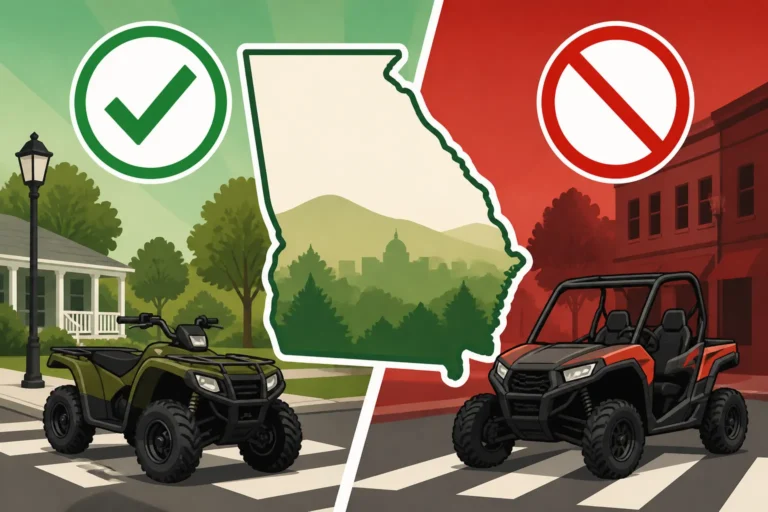
Georgia makes a clear distinction between a side-by-side used exclusively on private property or designated off-road trails and one that has been registered as a Motorized Play Vehicle or Off-Highway Vehicle (MPOHV) for use on county roads. This distinction is absolutely fundamental to understanding passenger rules. If your side-by-side is only ever used off pavement, on your own land or at an off-road park, the state's direct mandates are fewer, largely deferring to common sense, manufacturer guidelines, and the property owner's rules. However, once you take that machine onto a public county road, even if it's just a dirt road, Georgia's MPOHV registration rules kick in, and with them come specific mandates about passenger safety.
For instance, if you've gone through the process of [Georgia MPOHV Registration Explained], your machine is now considered capable of operating on certain public thoroughfares. This privilege comes with responsibilities, which include adhering to specific passenger safety equipment. A side-by-side, or UTV as it's often called, is designed to accommodate more than one person, typically two, three, or even six, sitting side-by-side on a bench seat or individual bucket seats. This design feature inherently means they're built with passengers in mind, unlike a traditional ATV which is a straddle-seat vehicle for a single rider. However, this design doesn't grant carte blanche for passenger loading in all environments.
Manufacturer's Intent and Seating Capacity
Every side-by-side is manufactured with a specific design capacity, which dictates the number of occupants it can safely carry. You'll find this information clearly stated in your owner's manual and often on a sticker affixed to the vehicle itself. This capacity isn't just a suggestion; it's engineered based on the machine's weight distribution, braking capabilities, suspension, and overall stability. Exceeding the manufacturer's stated seating capacity or payload limit is a recipe for disaster, regardless of where you're riding. Overloading can drastically alter the handling characteristics of your UTV, making it unstable in turns, sluggish in acceleration, and significantly increasing braking distances. This risk is amplified when carrying multiple passengers, as their combined weight can quickly push the machine beyond its safe operating limits.
Moreover, the placement of passengers is crucial. They must occupy designated seating areas, always facing forward, with their feet and hands safely inside the vehicle's frame. It might seem like a good idea to squeeze an extra kid onto a lap or have someone ride in the cargo bed for a short jaunt, but these actions are incredibly dangerous and almost universally prohibited by manufacturers and common sense safety guidelines. Even modifications designed to enhance your UTV, such as those from SuperATV that might add protection or storage, should never be seen as an invitation to exceed the factory-intended passenger count. These accessories are meant to complement safe operation, not circumvent it. Always consult your owner's manual for precise passenger weight limits and seating configurations.
Specific Passenger Age and Safety Requirements
Understanding the general principles is a great start, but Georgia also has specific mandates, especially when it comes to the safety equipment and age of passengers, particularly minors. These rules are put in place to mitigate the inherent risks of off-road and limited road-use vehicles, which can be prone to rollovers or sudden stops. As a rider, the safety of your passengers is paramount, and adhering to these requirements isn't just about avoiding a ticket; it's about preventing serious injury or worse.
Helmets, Seat Belts, and Restraints
Let's talk about helmets first. In Georgia, the law is quite clear: if you or your passengers are under the age of 18, a helmet is generally required when operating an off-road vehicle. This applies whether you're on designated trails, private land, or a county road. The specific wording of [Georgia ATV Helmet Law for Riders Under 18] makes it explicit that anyone under this age limit, whether they are operating or riding as a passenger, must wear an approved helmet. This is a critical safety measure, as head injuries are among the most severe and debilitating in UTV accidents. While adults are not legally mandated to wear helmets in all off-road scenarios, it is always a wise choice, particularly in challenging terrain or at higher speeds.
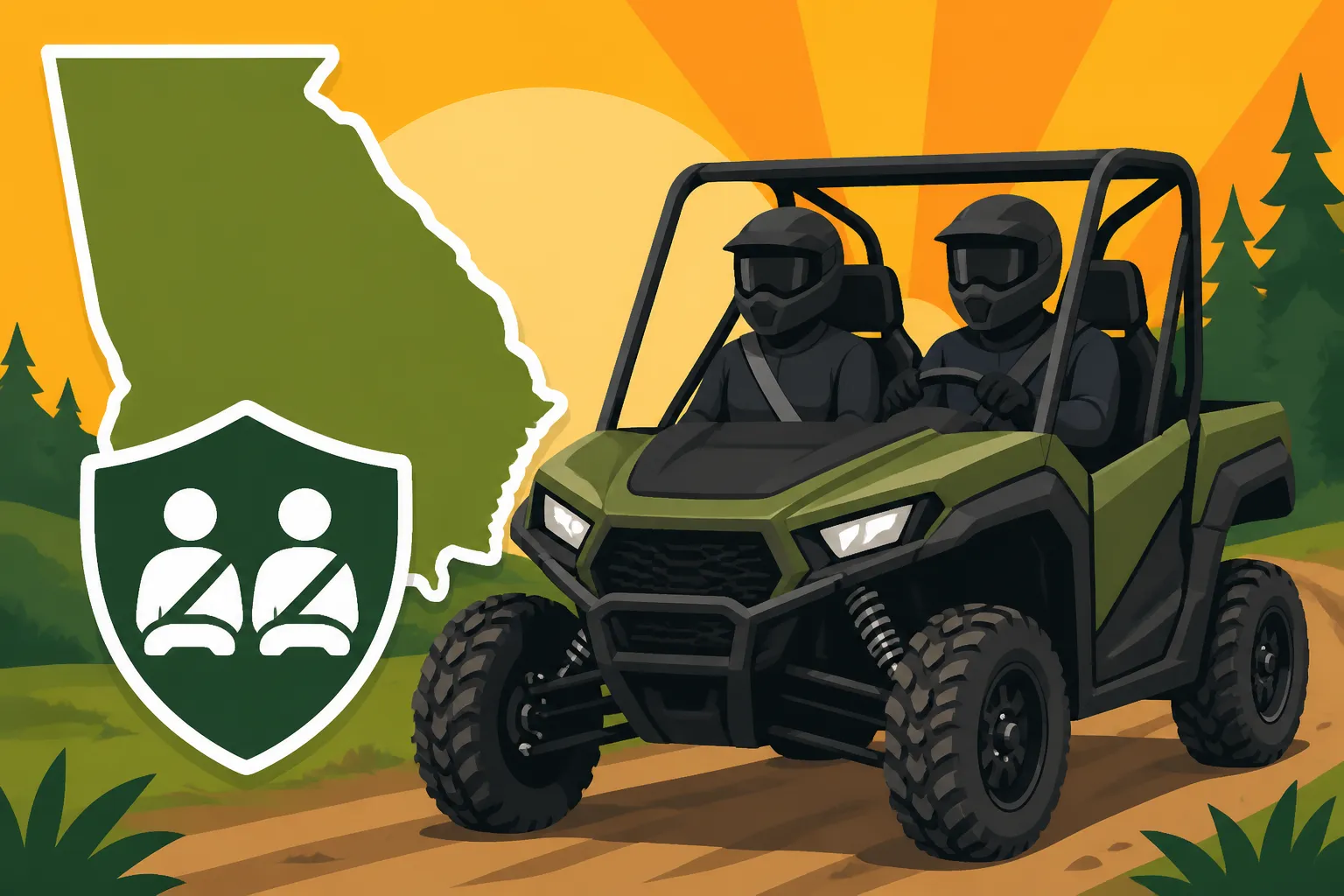
Now, onto seat belts. For any side-by-side that is registered as an MPOHV and being operated on a county road, [Georgia Requires Seat Belts on a Registered Machine]. This is non-negotiable. If your UTV has seat belts from the factory, they must be worn by all occupants, including passengers. The beauty of side-by-sides is that they are typically equipped with robust seat belt systems, often three-point harnesses, providing a good level of restraint in the event of a sudden stop, collision, or rollover. On private land or non-registered use, while not legally mandated by the state, wearing seat belts is a fundamental safety practice. Imagine hitting an unexpected ditch or rock; a seat belt can be the difference between staying safely contained within the vehicle and being ejected. Always ensure passengers are properly buckled in, and that the seat belt fits snugly across their lap and shoulder without excessive slack.
Age Minimums for Operators and Passengers on Public Lands
Georgia does not have a blanket age minimum for passengers in side-by-sides on all lands, but specific rules apply when you venture onto public roads or certain managed trail systems. For instance, while the state defines age requirements for operators on county roads (which is 16 with a driver's license), there isn't a corresponding minimum age for a passenger per se. However, the common-sense interpretation and manufacturer guidelines often recommend that passengers be old enough to understand and follow instructions, keep their feet on the floorboards, and hold onto handholds securely. On designated public riding areas, such as Wildlife Management Areas (WMAs), there might be specific age restrictions that mirror operator requirements for anyone present in the vehicle, regardless of whether they are driving. For example, [Georgia WMA Age Rule for Operators] generally specifies a minimum age of 16 for operators on WMA roads. Always check the specific rules for the public land you intend to visit, as they can sometimes have stricter requirements than general state law.
The key takeaway here is that while a state minimum passenger age might not be broadly defined, the responsibility falls squarely on the operator to ensure their passenger can ride safely. This includes ensuring they are properly secured and can withstand the bumps and jostles of off-road riding without being a danger to themselves or others.
Supervising Younger Passengers
When you have younger children riding as passengers in your side-by-side, supervision goes beyond just ensuring they're buckled in. It's about active engagement and constant vigilance. Small children might have difficulty reaching footrests, and their legs could dangle, risking injury. Many UTVs have accessories like youth-specific seating inserts or booster seats that can help them fit better and utilize the seat belts more effectively. Ensure they can comfortably reach designated handholds and understand the importance of keeping their arms and legs inside the vehicle at all times.
It’s crucial to have a clear conversation with all young passengers before setting off. Explain what to do if you encounter rough terrain, how important it is to stay seated, and to keep their hands and feet contained. When riding on private land, while the law is less prescriptive, the moral and ethical responsibility for a child's safety is absolute. A momentary lapse in judgment or an unexpected obstacle can lead to serious consequences. Even the most robust UTV accessories, like those strong windshields from SuperATV, can only do so much if passengers aren't properly secured and supervised. For very young children, consider if the ride is appropriate at all, especially if it involves high speeds or technical terrain. Always prioritize their safety over the desire for an adventurous ride.
Navigating Passenger Rules Across Different Riding Environments
The landscape of Georgia offers diverse opportunities for side-by-side enthusiasts, from vast private timberlands to winding county roads and dedicated OHV trail systems. Each of these environments comes with its own set of rules and considerations for carrying passengers. What might be perfectly acceptable on your own farm could lead to a citation on a public trail or a county road. Understanding these nuances is key to enjoying your UTV safely and legally throughout the Peach State.
Private Property: The Owner's Discretion (Mostly)
When you're riding your side-by-side on your own private land, or on private land with the owner's explicit permission, you generally have the most flexibility regarding passenger rules. The state's direct oversight is minimal here, as property owners typically set their own rules for vehicle use. This means you won't encounter specific state laws dictating passenger age minimums or mandatory seat belt use for adults in these scenarios. However, this freedom comes with a significant caveat: the full responsibility for safety falls on you, the operator, and the landowner.
While legal mandates may be fewer, fundamental safety principles should always apply. For example, [Georgia ATV Helmet Law for Riders Under 18] still applies to minors even on private land. This means if you have a child under 18 riding as a passenger on your property, they should absolutely be wearing a properly fitted, approved helmet. Beyond that, adhering to the manufacturer's seating capacity, ensuring all passengers are properly seated within the vehicle, and using the factory-installed seat belts are crucial. Accidents can happen anywhere, and ignoring basic safety measures on private land doesn't make them any less severe. Many landowners also adopt strict rules for anyone using their property, often requiring waivers, proof of insurance, and adherence to safe operating practices, precisely to avoid incidents involving passengers. Remember, "private land" isn't a synonym for "no rules," it just shifts the rule-making authority.
County Roads and Registered MPOHVs
This is where Georgia's laws become much more specific and less flexible. If your side-by-side meets the criteria and is registered as an MPOHV, allowing you to ride on [Georgia MPOHV Road Rules: County Roads Only], then you are subject to distinct passenger regulations. The most critical rule is that all occupants, including passengers, must wear seat belts if the machine is equipped with them (which all modern side-by-sides are). This is a direct consequence of operating on a public road, where the potential for interaction with other vehicles and unforeseen hazards increases dramatically.
Furthermore, while there isn't a specific passenger age minimum for MPOHVs on county roads, the operator must hold a valid driver's license (meaning they are at least 16 years old). The principle of safe operation implies that all passengers should be capable of remaining properly seated and restrained for the duration of the ride. [Can You Drive a UTV on the Road in Georgia?] outlines these conditions, and proper passenger restraint is a key component. Law enforcement officers on county roads will be checking for adherence to these rules, and failure to comply can result in fines. It's not just about seat belts; passengers should also keep their hands and feet inside the vehicle and avoid any behavior that could distract the driver or compromise safety.
Georgia's Public Trails and Forest Systems
Georgia boasts incredible riding opportunities within its [Georgia National Forest OHV Systems], such as Houston Valley and Beasley Knob. These areas often have their own specific regulations in addition to state laws, and it's imperative to consult them before bringing passengers. Many of these trails require a [Georgia OHV Permits: What You Need Before You Ride] for each operator, and sometimes even for passengers, depending on the permit type and how it's defined (per operator vs. per vehicle).
For side-by-sides specifically, which are generally allowed on [Georgia Trails That Allow Side-by-Sides], the core safety rules like helmets for minors remain in full effect. Additionally, many trail systems will reinforce the manufacturer's seating capacity and prohibit riding in cargo beds or standing up while the vehicle is in motion. The challenging terrain found on many of these trails means that proper restraint and the ability of a passenger to brace themselves are even more critical. Imagine navigating a steep climb or a rocky descent; a properly secured passenger is much safer than one who is simply along for the ride without actively engaging in their own safety. Always check the website of the specific national forest or park you plan to visit for their most current rules and regulations regarding passengers, age restrictions, and required safety gear.
Consequences of Non-Compliance and Best Practices
Ignoring Georgia's rules for side-by-side passengers isn't just a minor oversight; it can have serious legal, financial, and, most importantly, personal consequences. As a UTV owner and operator, you carry a significant responsibility for the safety of anyone you allow to ride with you. Understanding the potential repercussions and adopting best practices can help ensure that every ride is as safe and enjoyable as possible, rather than ending in regret.
Potential Penalties and Liabilities
The state of Georgia takes passenger safety seriously, especially for minors. If you or a minor passenger are caught without a helmet where one is required (e.g., if the passenger is under 18), you could face a [Georgia Helmet Fine Amount]. These fines are not insignificant and are designed to deter non-compliance. Beyond helmets, operating a registered MPOHV on a county road without all occupants properly buckled into their seat belts can also lead to citations.
However, the legal repercussions extend far beyond simple fines. In the event of an accident, especially one involving an injured passenger who was not properly secured or equipped, the operator could face significant civil liability. This means a lawsuit could be brought against you for medical expenses, lost wages, pain, and suffering. If the accident resulted from negligence – such as overloading the vehicle, allowing someone to ride in an unsafe position, or operating recklessly – your liability could be substantial. The stakes are particularly high if the injured passenger is a minor. [Georgia Penalties for an Unregistered Road Machine] also highlights that if your machine isn't even legally on the road, any accident, especially with passengers, compounds your legal woes significantly. It’s a sobering thought, but one that underscores the importance of strict adherence to all safety regulations.
Insurance Considerations
Your UTV insurance policy is a critical safety net, but it's important to understand how carrying passengers can impact your coverage. Most policies will provide liability coverage for bodily injury to others, which would typically include passengers. However, insurance companies expect you to operate your machine legally and safely. If an accident occurs and it's found that you were in violation of state laws (like the helmet law for minors) or manufacturer guidelines (like exceeding seating capacity), your insurance company could deny or reduce coverage, leaving you personally responsible for the damages.
When reviewing your policy or considering new coverage, specifically ask about coverage for passengers and any stipulations related to their age or safety equipment. [Georgia Liability Insurance Tied to Registration] is a baseline requirement for MPOHVs on county roads, but it’s crucial to ensure your specific policy is robust enough for your intended use, especially if you regularly carry multiple passengers or venture into more challenging terrains. Some specialized UTV policies might offer additional coverages that are beneficial when transporting people, such as medical payments coverage for occupants. Always be upfront with your insurance provider about how you use your side-by-side and who rides in it to avoid any unwelcome surprises after an incident.
Practical Safety Tips for All Riders
Beyond the legal requirements, cultivating a culture of safety is paramount when carrying passengers. Here are some best practices to ensure everyone has a good time and stays safe:
- Pre-Ride Briefing: Before every ride, especially with new passengers or children, give a quick safety briefing. Explain the importance of keeping hands and feet inside, staying seated, and holding on.
- Proper Gear: Ensure all passengers, especially minors, wear appropriate safety gear, including helmets if required by law or good sense. Long pants, long-sleeved shirts, eye protection, and sturdy closed-toe shoes are always recommended for everyone.
- Comfort and Fit: Make sure passengers fit comfortably and securely in their seats. For smaller children, consider using booster seats or seat belt adjusters to ensure a snug fit. If a passenger can't properly use the seat belt or reach footrests, they might be too small for that particular ride. Companies like SuperATV offer various accessories that can enhance passenger comfort and safety, such as grab handles, roll cage padding, or even full enclosure systems for added protection from the elements and trail debris.
- Communication: Maintain clear communication with your passengers throughout the ride. Check in frequently, especially over rough terrain, to ensure they are comfortable and safe. Use hand signals if noise levels are high.
- Ride Within Limits: Always ride at a speed and in a manner appropriate for the terrain, your skill level, and the experience level of your passengers. Avoid aggressive driving, sharp turns, or maneuvers that could unbalance the vehicle or startle your passengers. Remember, the goal is an enjoyable experience for everyone, not just the thrill-seeking driver.
- Emergency Preparedness: Carry a first-aid kit, water, and basic tools. Know how to contact emergency services and be aware of your location, especially in remote areas.
By understanding and adhering to Georgia's passenger rules, securing proper insurance, and implementing these practical safety tips, you can confidently share the adventure of side-by-side riding with your passengers, creating positive memories for everyone involved.
Summary of Georgia Passenger Rules for Side-by-Sides
| Feature | Private Land Use (No MPOHV Registration) | County Road Use (With MPOHV Registration) | Public OHV Trails/WMA (No MPOHV Registration) |
|---|---|---|---|
| Helmets (Under 18) | Required by state law. | Required by state law. | Required by state law. |
| Helmets (18 & Over) | Recommended, but not legally required by state law. | Recommended, but not legally required by state law. | Recommended, but not legally required by state law. |
| Seat Belts | Manufacturer-installed belts highly recommended. | Required for all occupants. | Manufacturer-installed belts highly recommended. |
| Designated Seating | Strongly adhere to manufacturer's seating capacity. | Required to adhere to manufacturer's seating capacity. | Strongly adhere to manufacturer's seating capacity. |
| Riding in Cargo Bed | Highly discouraged; extreme safety risk. | Prohibited | Highly discouraged; extreme safety risk. |
| Operator Age | No state minimum, but capable adult supervision required. | 16+ with valid driver's license. | Check specific park/WMA rules; often 16+. |
| Passenger Age | No specific state minimum; operator discretion & safety. | No specific state minimum; operator discretion & safety. | Check specific park/WMA rules for age restrictions. |
| Supervision | Essential for minors and inexperienced riders. | Essential for minors and inexperienced riders. | Essential for minors and inexperienced riders. |
| Primary Authority | Property owner's rules, operator discretion. | Georgia state law (MPOHV rules). | Federal/state forest service rules, WMA regulations. |
Disclaimer
This article is for general informational purposes only and does not constitute professional advice. Laws, prices and regulations vary by location and change over time. Consult a qualified professional for guidance on your specific situation.