How a Georgia Deputy Verifies Your Machine’s Serial Number
There's nothing quite like the excitement of buying a new-to-you ATV or UTV, or perhaps you're finally getting around to registering your trusty side-by-side for some county road cruising. But lurking beneath that excitement can be a real worry: "Is this machine legitimate? What if it's stolen?" This guide will pull back the curtain on exactly how a Georgia deputy verifies your off-highway machine's serial number, giving you peace of mind whether you're buying, selling, or just trying to get street legal.
The Critical Role of Serial Number Verification for Off-Road Machines
It's a frustrating reality that, unlike cars, many ATVs and UTVs don't come with a traditional title in Georgia. This lack of a formal document can leave owners feeling vulnerable and uncertain about proving ownership, especially when it comes to preventing theft or ensuring a legitimate purchase. The machine's serial number, often referred to as a Vehicle Identification Number (VIN) for newer models, becomes the absolute cornerstone of its identity, and understanding how law enforcement interacts with this number is incredibly important.
Why a Serial Number is Your Machine's Identity
Think of your off-highway vehicle's serial number as its unique fingerprint. No two machines should ever have the exact same number, and this distinct identifier is what ties your physical machine to its manufacturing history, its original owner, and any subsequent owners. For vehicles that don't receive a traditional title, like many older ATVs and even some newer UTVs in Georgia, this serial number is essentially the only reliable record of the machine's existence and provenance. Without it, you're left with little to no concrete proof of ownership, which can lead to endless headaches. This is particularly true in Georgia, where for many years, ATVs simply weren't titled, leaving owners with only a bill of sale as their primary proof of possession. This gap in formal documentation makes the serial number even more paramount. You can dive deeper into why this is the case by reading [Why Georgia Does Not Title an ATV].
Preventing Theft and Fraudulent Sales
The secondary market for ATVs and UTVs is booming, and unfortunately, so is the market for stolen machines. Criminals know that the lack of titles on many off-road vehicles makes them easier to resell without immediate red flags. They might grind off a serial number, re-stamp it, or simply create fraudulent paperwork. This is where a deputy's verification becomes absolutely crucial. When you're buying a used machine, especially from a private seller, there's always that gnawing fear that you might unknowingly be purchasing a stolen quad or side-by-side. Imagine spending thousands of dollars, only to have a deputy inspect your machine later and discover it's hot, leading to its confiscation and you losing your entire investment with little recourse. An official serial number check is your best defense against such a devastating scenario, safeguarding your hard-earned money and ensuring you truly own what you believe you've purchased.
What a Georgia Deputy Looks For During Verification
When a Georgia deputy is called upon to verify an off-highway machine's serial number, they're not just glancing at a sticker. They're performing a systematic inspection, often with years of training and experience in spotting discrepancies that a casual observer might miss. This process is designed to be thorough, protecting both you and the integrity of vehicle ownership records.
Locating and Inspecting the Serial Number Plate
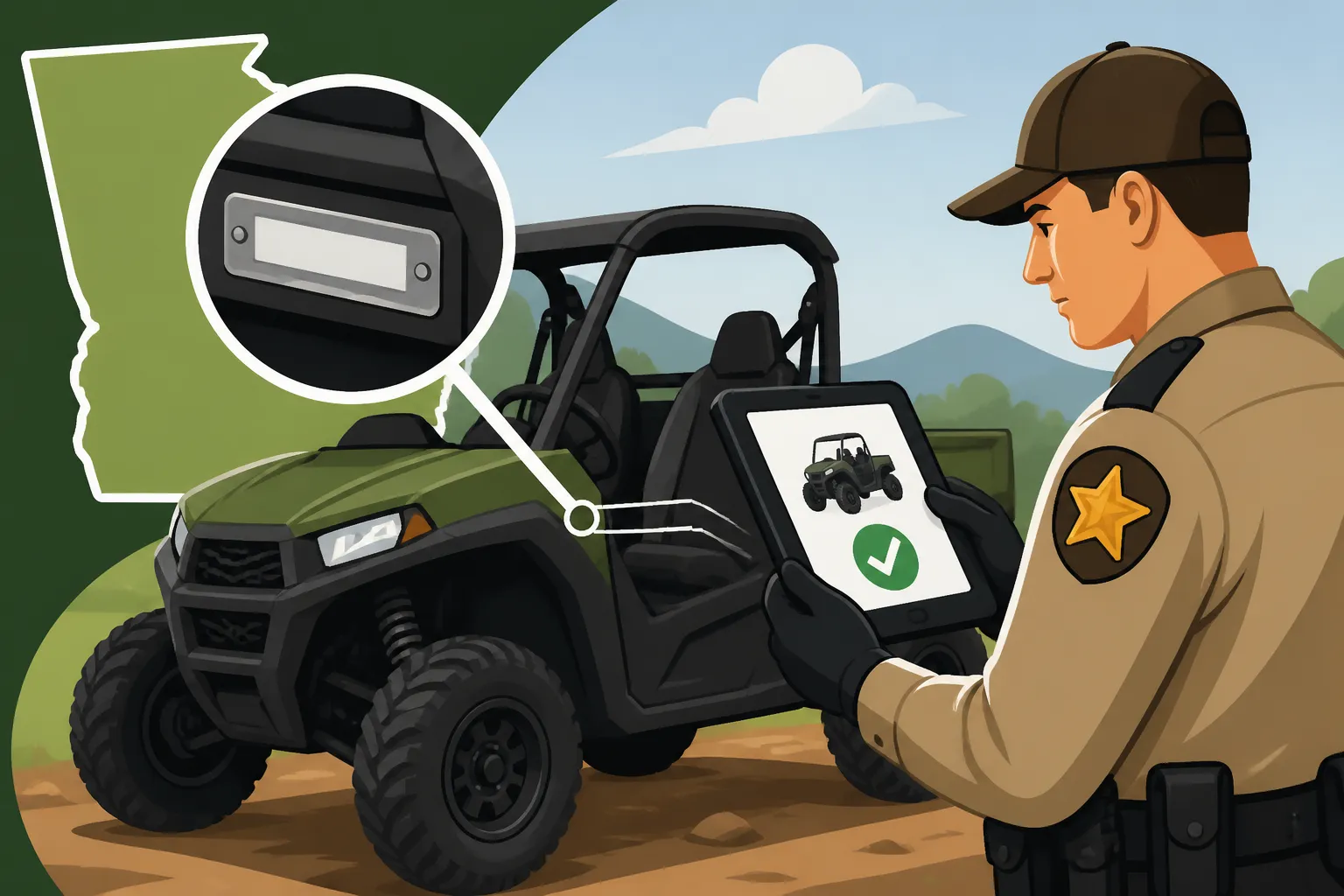
The first step for any deputy is to physically locate the serial number on the machine. Unlike cars where the VIN is often visible through the windshield, ATV and UTV serial numbers can be in various places. Common locations include:
- Frame Rail: Often stamped directly into the frame, usually on the lower left side, near the front wheel, or underneath the seat.
- Engine Block: Sometimes found on the engine casing itself.
- Manufacturer's Plate: A riveted metal plate, typically found on the frame, dash, or near the steering column.
Deputies are trained to know these typical locations for different makes and models. They will meticulously inspect the area around the serial number for any signs of tampering. This includes looking for:
- Grinding Marks: Evidence that an original number may have been ground off.
- Welding Marks: Indications that a section of the frame containing a serial number might have been cut out and replaced.
- Irregular Stamping: Numbers that don't align perfectly, have inconsistent depths, or use a different font than the manufacturer's standard. This often suggests a re-stamping attempt. For more details on what to watch out for, check out [Georgia Rules for a Restamped ATV Serial Number].
- Missing Rivets or Adhesives: If the serial number is on a plate, the deputy will check if the rivets or adhesive look original and undisturbed.
A clean, legible, and unmolested serial number is the ideal scenario, indicating the machine's true identity has been preserved.
Cross-Referencing Databases for Stolen Vehicles
Once the physical serial number is confirmed and appears legitimate, the deputy's next crucial step is to run it through official law enforcement databases. This is where the digital world meets the physical inspection. In Georgia, deputies primarily utilize two key systems:
- Georgia Crime Information Center (GCIC): This state-level database contains records of stolen vehicles reported within Georgia.
- National Crime Information Center (NCIC): This is a national database maintained by the FBI, connecting law enforcement agencies across the country. It's vital for checking if a machine reported stolen in, say, Florida or Alabama, has surfaced in Georgia.
The deputy will input the serial number into these systems and wait for a match. A "hit" in these databases means the machine has been reported stolen. If a match is found, the process immediately shifts. The machine will be impounded, and an investigation will begin to determine its true ownership and how it came into your possession. This is a critical step for both public safety and preventing the illicit trade of stolen property, and it's thoroughly covered in [Stolen Machine Databases and the Check]. Even if you believe you purchased it legitimately, ignorance of its stolen status is not typically a defense, and you could lose the machine without compensation.
Common Red Flags and Discrepancies
During their verification process, deputies are on the lookout for several common red flags that might suggest a problem, even if the initial database check comes back clean. These often involve discrepancies between the physical machine and its accompanying paperwork:
- Mismatched Serial Numbers: The most obvious red flag is when the serial number on the machine doesn't match the one on the bill of sale, previous registration, or insurance documents. This could indicate a simple error, or it could be a sign of deeper fraud, where criminals use legitimate paperwork for one machine to try and sell a stolen one.
- Lack of Paperwork: While many ATVs don't have titles, a complete lack of any ownership documentation—no bill of sale, no prior registration—is a significant concern. This makes proving a legitimate chain of ownership very difficult. This is where robust documentation, perhaps created using resources like LawDepot for a custom bill of sale or ownership affidavit, can be invaluable.
- Damaged or Obscured Serial Numbers: If the serial number area is intentionally painted over, scratched illegibly, or otherwise made difficult to read, it raises suspicion. While accidental damage can occur, a deputy will assess if the damage appears deliberate.
- Vague Bills of Sale: A bill of sale that lacks critical information such as seller's full name and address, buyer's information, date of sale, purchase price, and a complete serial number description can be problematic. A deputy may question the legitimacy of such a document, especially if it looks generic or incomplete. Tools from LawDepot can help you create a comprehensive and legally sound bill of sale.
When a deputy identifies any of these red flags, it can lead to further investigation, potentially delaying your registration or even resulting in the machine being held until its legitimacy can be fully established.
Preparing for a Deputy's Inspection and Addressing Challenges
Getting your off-highway vehicle inspected by a Georgia deputy might feel daunting, especially if it's for something official like an MPOHV registration. However, with a little preparation and understanding of potential challenges, you can make the process much smoother and increase the likelihood of a successful verification.
Ensuring Your Machine is Ready for Inspection
The best way to ensure a seamless inspection is to be prepared. Deputies are busy, and anything you can do to facilitate their work will be appreciated.
- Clean the Serial Number Area: Before the deputy arrives, take the time to thoroughly clean the area where the serial number is located. Dirt, mud, paint, or rust can obscure the numbers and make their job harder, potentially leading to delays or a request to clean it before they proceed. A wire brush and some degreaser might be necessary for older, well-used machines.
- Gather All Ownership Documents: Have all relevant paperwork readily available. This includes:
- Bill of Sale: The most recent one, or a chain of bills of sale if you've purchased the machine from someone who wasn't the original owner. Make sure it's complete and clearly details the machine and its serial number. Remember that [Bills of Sale That Hold Up at a Tag Office] are crucial.
- Previous Registrations: If the machine was previously registered in Georgia as an MPOHV, or in another state, have those documents handy.
- Manufacturer's Statement of Origin (MSO) or Certificate of Origin (MCO): If you purchased the machine new, this document is vital.
- Affidavits of Ownership: For machines without formal titles or MSOs, a Georgia Ownership Affidavit for an MPOHV, which you can easily draft using resources like LawDepot, might be required, especially for registration purposes. You can find more information on [Georgia Form MV-OHV and What It Asks].
- Proof of Insurance: For MPOHV registration, you'll need this anyway.
- Be Present and Cooperative: Be available when the deputy arrives and be ready to answer any questions they might have about the machine's history, where you acquired it, and any maintenance performed. Politeness and cooperation go a long way.
Handling Missing, Damaged, or Questionable Serial Numbers
This is where things can get tricky, and it's a source of considerable anxiety for many off-road vehicle owners. What happens if the serial number on your machine is genuinely damaged, illegible, or even missing?
- Missing or Illegible Numbers: If the serial number is completely unreadable due to wear, damage, or corrosion, a deputy may be unable to complete the verification. In some jurisdictions, there are provisions for applying for a state-assigned VIN, but for Georgia's MPOHV registration, a clear, intact serial number is generally a prerequisite. The county tag office will likely require a clear serial number for [Georgia Registration When the Serial Plate Is Gone] to proceed. This situation can severely complicate, if not prevent, official registration.
- Suspected Tampering: If the deputy suspects the serial number has been altered (grinding, re-stamping), they are obligated to investigate. This could lead to the machine being impounded while its history is researched. Even if you were an innocent purchaser, you could find yourself in a difficult position, having to prove your legitimacy and potentially losing the machine.
In these challenging scenarios, proactive measures are key. If you're buying a used machine and notice any issues with the serial number, do not proceed with the purchase until you can get it officially verified and cleared. It's far better to walk away from a deal than to inherit a massive headache.
The Role of a Deputy in MPOHV Registration and Branding
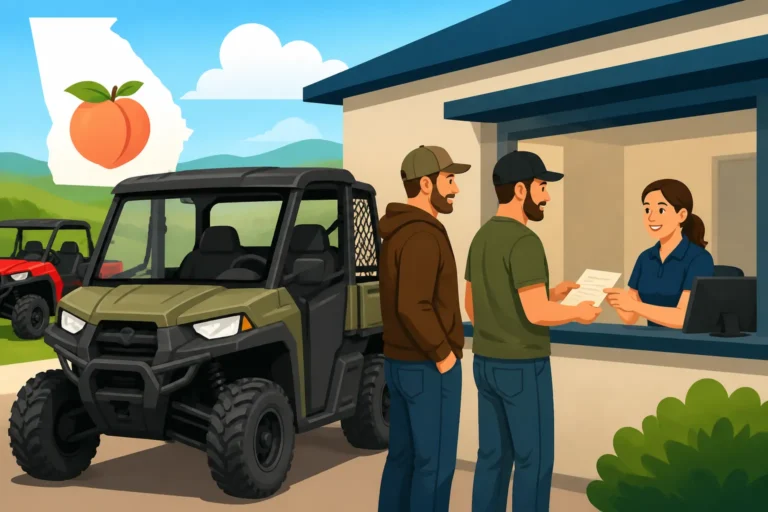
For those looking to register their side-by-side or qualifying off-highway vehicle as an MPOHV (Multipurpose Off-Highway Vehicle) in Georgia, a law enforcement inspection is an integral part of the process. This isn't just about checking for stolen vehicles; it's also about ensuring the machine meets specific criteria and documenting its status.
Specifically, if you're registering a machine that has never been registered as an MPOHV before, or if it's coming from out-of-state and doesn't have an MSO or prior title that Georgia recognizes, the county tag office will often require a law enforcement inspection. This inspection serves two primary purposes:
- Verification of Serial Number: As discussed, the deputy will confirm the physical serial number matches any submitted paperwork and is not associated with theft. This is the core of [Georgia Law Enforcement Inspection for a Branded Plate].
- Physical Inspection for Branding: In some cases, the deputy might be asked to confirm certain characteristics of the machine that contribute to a "branded" certificate of registration. A branded certificate indicates that the machine does not meet all criteria for a full motor vehicle title, often because it lacks certain safety features, but it can be registered for limited road use. Understanding [What a Branded Registration Warns You About] is crucial before proceeding. This step ensures that the information submitted for registration accurately reflects the machine's physical characteristics, preventing misrepresentation and ensuring compliance with the rules for [Georgia MPOHV Registration Explained].
Having a deputy complete this inspection is a necessary step toward gaining the ability to legally operate your MPOHV on designated county roads in Georgia.
Comparing Verification Methods: Deputy vs. Private Buyer
| Feature | Georgia Deputy's Verification | Private Buyer's Initial Check |
|---|---|---|
| Authority | Official, legal authority; access to restricted databases. | Personal observation, trust-based, publicly available info. |
| Database Access | GCIC (Georgia Crime Info Center), NCIC (National Crime Info Center). | Online VIN checks (limited, often pay-per-report), forum checks. |
| Physical Inspection | Trained eye for tampering, re-stamping, hidden numbers. | General visual inspection, looking for obvious issues. |
| Purpose | Confirm legitimacy, prevent theft, ensure legal registration. | Avoid buying stolen goods, confirm seller's claims. |
| Outcome | Official clearance for registration, potential impoundment if stolen. | Personal peace of mind, or decision to walk away from the sale. |
| Required For | MPOHV registration (if specified by county/state), law enforcement stops. | Informed purchase decision, personal risk mitigation. |
| Cost | Generally no direct fee from the deputy for official requests. | Free online checks are limited; paid reports vary. |
The Broader Impact of Accurate Serial Number Verification
Beyond the immediate goal of registering your machine or completing a sale, the thorough verification of a serial number has ripple effects that protect your interests, ensure smooth legal processes, and uphold the integrity of off-highway vehicle ownership. Neglecting this crucial step can lead to significant financial loss and legal entanglements.
Protecting Your Investment When Buying Used
When you're shelling out hard-earned cash for a used side-by-side or ATV, you want absolute confidence that you're getting what you pay for. A comprehensive serial number verification is your primary shield against purchasing a stolen machine, which would result in its confiscation without compensation. Even if the machine isn't stolen, a clean serial number record assures you that the machine hasn't been involved in serious incidents that might have triggered a "branded" status in other states (even if Georgia doesn't title it). For instance, an undisclosed lien on a machine, even if untitled, could eventually cause problems. This proactive step is particularly vital when you are navigating the complexities of [Buying a Used Side-by-Side in Georgia] from a private party, where there are fewer consumer protections than at a dealership. Always, always, insist on verifying the serial number yourself, and seriously consider requesting a deputy's check if there's any doubt, or before committing to a significant investment.
Smooth Registration and Transfer Processes
Having a legitimate, untampered serial number is the key to unlocking seamless registration and ownership transfer. If you plan to register your machine as an MPOHV in Georgia, a clean serial number that passes a deputy's inspection is non-negotiable. Without it, the county tag office simply cannot complete the [Georgia MPOHV Registration Explained]. Similarly, if you decide to sell your registered MPOHV down the line, a verifiable serial number, backed by your clear ownership documents (perhaps even an ownership affidavit prepared using LawDepot), makes the process of [Selling a Registered MPOHV in Georgia] much smoother for the new buyer. Any discrepancy or suspicion about the serial number can halt the process in its tracks, leaving both buyer and seller in a frustrating limbo, unable to complete the transaction or obtain legal operating status.
What Happens If You Ride a Hot Machine
The consequences of operating a stolen off-highway vehicle, even unknowingly, can be severe. If a Georgia deputy stops you on a county road, or even if your machine is spotted during a routine check, and its serial number flags it as stolen, the outcomes are dire:
- Immediate Confiscation: The machine will be impounded immediately, regardless of your claims of innocence.
- Financial Loss: You will likely lose your entire investment in the machine, as it will be returned to its rightful owner. There's typically no legal avenue for you to recover the money you paid to the fraudulent seller.
- Criminal Investigation: You could become part of a criminal investigation into vehicle theft, having to prove that you were not involved in the crime. While you might not face charges if you can prove you were an innocent purchaser, it's an incredibly stressful and costly legal battle.
- Legal Penalties: Beyond theft, operating a machine on public roads without proper registration or insurance can lead to fines, citations, and court costs, all of which are outlined in rules like [Georgia Penalties for an Unregistered Road Machine].
Ultimately, understanding how a Georgia deputy verifies your machine's serial number isn't just a technical detail; it's a vital piece of knowledge that safeguards your ownership, prevents legal headaches, and protects your enjoyment of Georgia's beautiful off-road trails and county roads. Being informed and prepared makes all the difference.
Disclaimer
This article is for general informational purposes only and does not constitute professional advice. Laws, prices and regulations vary by location and change over time. Consult a qualified professional for guidance on your specific situation.