Registering the Trailer Separately
So, you've finally got that awesome side-by-side or powerful quad, and you're ready to hit the trails or tackle some serious work around your property. But wait – how are you going going to get that machine from your driveway to your favorite riding spot in the Chattahoochee National Forest or to that remote hunting lease? You'll need a trailer, of course! And while you might be focused on understanding the new Georgia MPOHV registration for your side-by-side, it's incredibly common for folks to overlook the fact that the trailer itself needs its very own, entirely separate registration. This guide will walk you through exactly why and how to register your ATV or UTV trailer in Georgia, ensuring you're legally good to go every time you hitch up.
Why Your Trailer Needs Its Own Registration
It's a common misconception, especially with the introduction of Georgia's new MPOHV registration, that perhaps a trailer for an off-highway vehicle might fall under a similar, more relaxed category. But here’s the blunt truth: in Georgia, trailers are treated as separate vehicles that require their own registration, plate, and often, sales tax, just like a car or truck. Your UTV might be a [Georgia MPOHV Registration Explained], but its trailer is a distinct entity in the eyes of the law.
The Legal Distinction Between Machine and Trailer
Think of it this way: your side-by-side or ATV is a machine designed for off-road use, and now, under specific conditions, can get a special registration plate to ride on certain county roads. But the trailer is fundamentally different. It's a piece of equipment designed to be towed on public roads, regardless of what it's carrying. The state sees it as a vehicle in its own right, one that shares the public roadways and therefore needs to be properly identified and accounted for. This means all the standard rules for registering a utility trailer apply, even if its sole purpose is to haul your prized [Georgia Registration for a Polaris Ranger] or [Can-Am Defender Owners at a Georgia Tag Office].
It’s easy to get confused with all the different rules, especially when you're trying to figure out if your actual side-by-side is eligible for a plate. But remember, the moment that trailer hits a public road, whether it's hooked up to your truck or just parked on the shoulder, it needs to be legally registered and displaying a valid license plate. This isn't just a suggestion; it's a legal requirement designed for identification, safety, and revenue collection. Without it, you could face fines, roadside delays, or even have your trailer impounded if you encounter a law enforcement officer who's having a particularly bad day.
Avoiding Penalties and Roadside Hassles
Nobody wants to be pulled over, especially not when you’re just trying to get to your weekend adventure. An unregistered trailer is a red flag for law enforcement. They'll want to know if it's stolen, if it's properly insured (though trailers themselves usually fall under the towing vehicle's liability), and if all the necessary taxes and fees have been paid. Imagine hooking up your fully loaded trailer, complete with your meticulously maintained ATV, only to get stopped a few miles down the road because you forgot to register the trailer. Not only is it a massive inconvenience, but it can also lead to citations that put a serious dent in your wallet and your valuable riding time.
Proper registration ensures that if your trailer ever gets detached, stolen, or involved in an accident, it can be traced back to you. It's a small administrative step that provides a huge layer of protection and peace of mind. Plus, it just looks right. A shiny new trailer with an expired paper tag, or no tag at all, screams "please pull me over." Taking the time to do it right from the beginning saves you a world of trouble down the line.
The Process of Registering Your ATV/UTV Trailer in Georgia
Registering a utility trailer in Georgia, even if it's for your off-road machine, generally follows the same process as registering any other trailer. You'll be dealing with your local county tag office, which is the same place you'd go for your car or truck. They handle all manner of vehicle registrations, and your trailer is no exception. This isn't part of the [Georgia MPOHV Registration Started December 2023] specific process; it's the standard Department of Revenue procedure for titled property.
Gathering Your Essential Documents
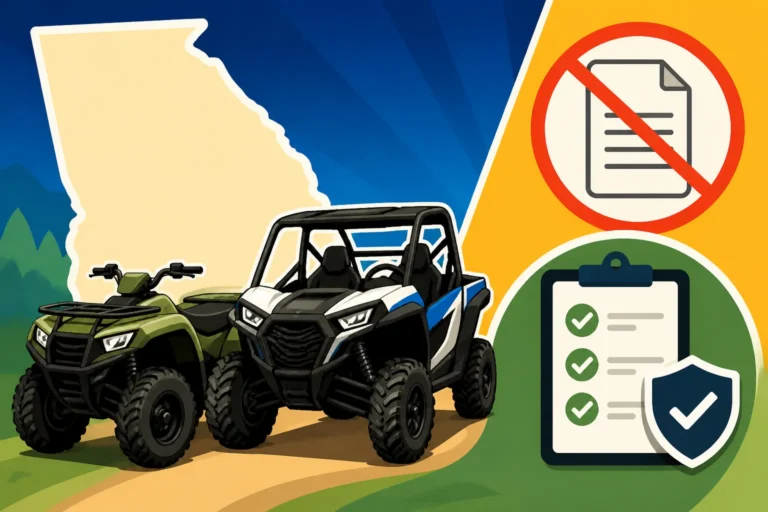
Before you even think about heading to the tag office, you need to arm yourself with the right paperwork. This is where most people hit a snag, so a little preparation goes a long way. Make a checklist and ensure every item is accounted for.
Here’s what you’ll typically need:
- Manufacturer’s Certificate of Origin (MCO) or Bill of Sale: If your trailer is brand new, the dealer will provide an MCO. If you bought it used, you'll need a comprehensive bill of sale. For private sales, it's wise to have a detailed document, perhaps one you can customize from a service like LawDepot, that clearly lists the buyer, seller, date, purchase price, and the trailer's VIN (Vehicle Identification Number) or serial number. This document is crucial for proving ownership. Remember, [Bills of Sale That Hold Up at a Tag Office] are clear, detailed, and signed by both parties.
- Valid Georgia Driver's License or ID: This confirms your identity and residency.
- Proof of Georgia Residency: This might be your driver's license, but sometimes they ask for a utility bill or other documentation, especially if your license address is new.
- Proof of Sales Tax Paid: If you bought the trailer from a dealer, they would typically collect this. For private sales, you might need to pay the sales tax at the tag office. This is similar to [Georgia Sales Tax Paid Before Registration] for MPOHVs, but for trailers, it's applied differently as they are generally titled.
- Form T-22B Vehicle Inspection (if applicable): While not always required for all utility trailers, if your trailer is homemade or has any questionable VIN issues, they might request a [Georgia T-22B Inspection Certification]. It's less common for new, manufactured trailers.
- Heavy Trailer Documentation (if applicable): If your trailer's gross vehicle weight rating (GVWR) is over a certain limit (typically 2,000 lbs in Georgia), it might require a title. Lighter utility trailers sometimes only require registration, without a separate title document. Always check with your local tag office to be sure.
Don't guess; call your specific [Where the County Tag Office Fits In] before you go to confirm their exact requirements. It saves so much time and frustration!
Visiting Your County Tag Office
Once your paperwork is meticulously organized, it's time to visit your local county tag office. This is the central hub for all things vehicle registration in Georgia, including trailers. The experience can vary widely depending on the county and the time of day, but having all your ducks in a row will make it smoother.
Here's a general idea of what to expect:
- Check-in: You'll likely get a number and wait for your turn. Have all your documents ready to present.
- Document Review: The clerk will examine your MCO or bill of sale, your ID, and any other required forms. They’ll verify the VIN or serial number against their system.
- Sales Tax and Fees: If you purchased the trailer privately and haven't paid sales tax, you'll do it now. You'll also pay the registration fee. The [Georgia MPOHV Registration Cost] might give you an idea of state fees, but trailer fees are distinct. They will usually accept various [Georgia MPOHV Registration Payment Methods].
- Plate Issuance: Once everything is processed and paid, you'll be issued a Georgia license plate for your trailer. This plate must be securely affixed to the rear of your trailer where it's clearly visible.
- Temporary Tag: In some cases, if there's a delay, you might receive a temporary operating permit, but usually, a plate is issued on the spot.
This whole process is generally straightforward for manufactured trailers. Homemade trailers or those with missing or questionable paperwork can add layers of complexity, sometimes requiring additional inspections or affidavits. If you're building your own trailer, keep detailed records and photographs throughout the construction process, as this documentation can be invaluable.
Costs and Renewal for Trailer Registration
Like any vehicle, there's an initial cost to get your trailer on the road, and then an annual fee to keep it legally registered. It's part of the ongoing responsibility of owning and operating equipment on public roads.
Initial Registration Fees and Taxes
The immediate costs you'll face include sales tax and the registration fee. Georgia's statewide sales tax applies to trailer purchases, and depending on your county, there might be additional local sales taxes. This amount can be significant, especially for larger, more expensive ATV/UTV trailers. If you purchased your trailer from a private seller, you're responsible for declaring the purchase price and paying the sales tax directly to the county tag office when you register. If you bought from a dealer, they would have collected this at the time of sale.
The actual registration fee for a utility trailer is typically a flat annual fee, which can vary slightly but is generally quite modest compared to the sales tax. This fee supports the administration of the registration system. It's a small price to pay for legal road use and peace of mind.
Annual Renewal Requirements
Once your trailer is registered, you'll need to renew it annually. This typically happens on your birthday month, just like your other vehicles. You'll receive a renewal notice in the mail, reminding you of the upcoming deadline. You can usually renew your trailer registration online, by mail, or in person at your county tag office.
The renewal process is generally much simpler than the initial registration, as your information is already in the system. You’ll just pay the annual fee. Unlike MPOHV registrations, which don't require continuous liability insurance directly linked to the machine itself, trailers are covered by the liability insurance of the towing vehicle. However, ensuring you have adequate insurance for both your truck and what it's hauling is always a smart move. Keep an eye on the expiration date, as there can be penalties for [Georgia MPOHV Registration Late Renewal], which would also apply to your trailer. Staying on top of these things ensures uninterrupted access to those trails.
Important Considerations for Trailer Owners
Owning a trailer, especially one you rely on to transport your valuable ATV or UTV, comes with a few extra responsibilities beyond just registration. Being aware of these can save you headaches, and potentially, serious accidents.
Weight Limits and Safety
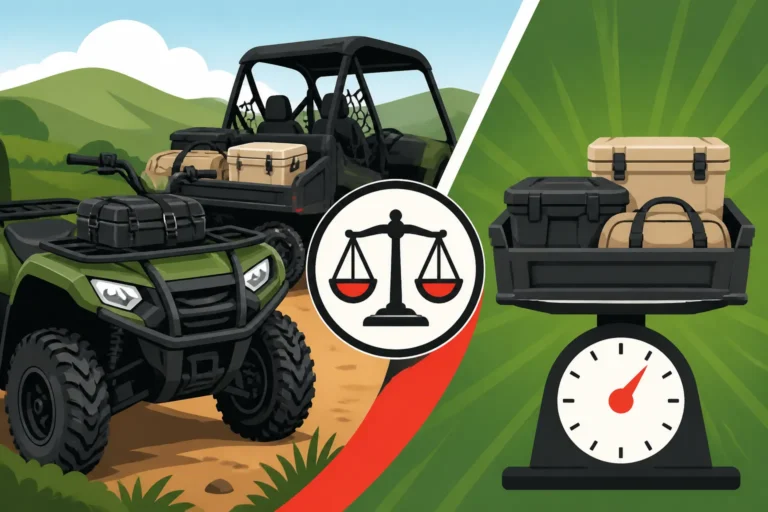
Trailers come with Gross Vehicle Weight Rating (GVWR) and Gross Axle Weight Rating (GAWR) limits, which specify the maximum loaded weight they are designed to safely carry. Your ATV or UTV might be heavy, and when you add fuel, gear, tools, and the weight of the trailer itself, you can easily exceed these limits. Overloading a trailer is incredibly dangerous; it compromises braking, steering, and can lead to tire blowouts or structural failure.
Always know the weight of your machine and your trailer. Never exceed the GVWR of your trailer or the towing capacity of your tow vehicle. This isn't just about avoiding a ticket; it's about keeping yourself and others safe on the road. Proper weight distribution is also key. Your trailer should be balanced, with about 10-15% of the total loaded weight on the tongue, to prevent dangerous swaying. A good resource for ensuring your towing setup is legal and safe would be an online legal forms provider like LawDepot, where you might find checklists or guides for vehicle safety regulations.
Maintenance and Inspection
Just like your ATV or UTV, your trailer needs regular maintenance. Tires, bearings, lights, and the hitch mechanism are all critical components that can wear out or fail. Before every trip, do a quick safety check:
- Tires: Check air pressure and condition. Look for cracks, bulges, or excessive wear.
- Lights: Ensure brake lights, turn signals, and running lights are all working.
- Bearings: Listen for any grinding or abnormal noises.
- Coupler/Hitch: Make sure it's securely latched and that the safety chains are crossed and attached to your tow vehicle.
- Brakes: If your trailer has brakes (essential for heavier trailers), ensure they are properly adjusted and functioning.
Neglecting trailer maintenance isn't just risky, it's inviting disaster. A tire blowout on the highway with your expensive side-by-side loaded up is a nightmare scenario you absolutely want to avoid.
Specialized Trailers vs. General Utility Trailers
While many people use general utility trailers for their ATVs and UTVs, there are also specialized off-road vehicle trailers. These often have features like lower loading angles, built-in ramps, and specific tie-down points designed to secure your machine safely. Whether you opt for a basic utility trailer or a specialized one, the registration process remains the same. The key is to ensure it's robust enough for your machine's weight and durable enough for the terrain you might encounter when retrieving your vehicle from a muddy trail head.
Regardless of your trailer type, if it's hitting a public road in Georgia, it needs its own distinct, separate registration. It’s an essential part of being a responsible off-road enthusiast in the Peach State, allowing you to focus on the fun and adventure your ATV or UTV brings, without worrying about roadside legalities.
| Document Type | For Georgia MPOHV Registration | For Georgia ATV/UTV Trailer Registration |
|---|---|---|
| Proof of Ownership | Bill of Sale or [Georgia Ownership Affidavit for an MPOHV] | Manufacturer’s Certificate of Origin (MCO) or Bill of Sale |
| Identification | Valid Georgia Driver's License/ID | Valid Georgia Driver's License/ID |
| Residency Proof | Required | Required |
| Sales Tax | Paid at time of purchase, no TAVT | Paid at time of purchase (dealer) or at tag office (private) |
| Inspection | [Georgia T-22B Inspection Certification] for some cases, VIN check | T-22B for homemade/VIN issues; standard VIN verification |
| Insurance | [Georgia Liability Insurance Tied to Registration] (for MPOHV) | Covered by towing vehicle's liability insurance |
| Place of Reg. | [Where the County Tag Office Fits In] | [Where the County Tag Office Fits In] |
| Renewal | [Georgia MPOHV Renewal Each Year] | Annual, usually on owner's birthday month |
| License Plate | Special MPOHV plate | Standard trailer plate |
Disclaimer
This article is for general informational purposes only and does not constitute professional advice. Laws, prices and regulations vary by location and change over time. Consult a qualified professional for guidance on your specific situation.