Exemptions for Farm and Commercial Work
Georgia farm and commercial work may qualify for an ATV helmet exemption, but the work must be genuine and other riding rules still apply.
Your sticker stops at the state line.
Non-resident permits, what they cost and how long they last, and which states honor each other’s — or, increasingly, none at all.
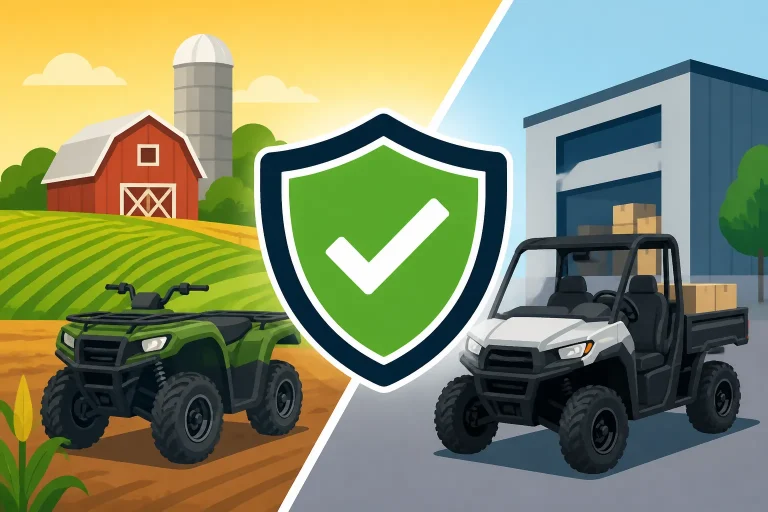
Georgia farm and commercial work may qualify for an ATV helmet exemption, but the work must be genuine and other riding rules still apply.
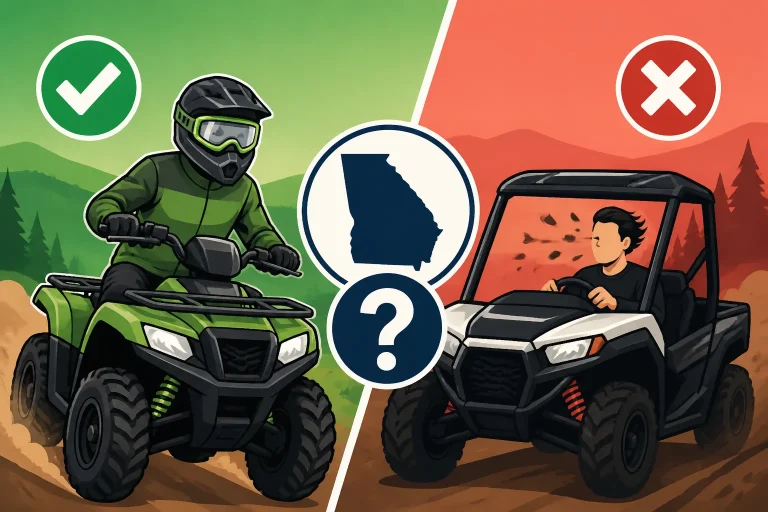
Georgia law lacks a statewide eye protection rule for quad riders, but private parks and forest trails often require goggles.
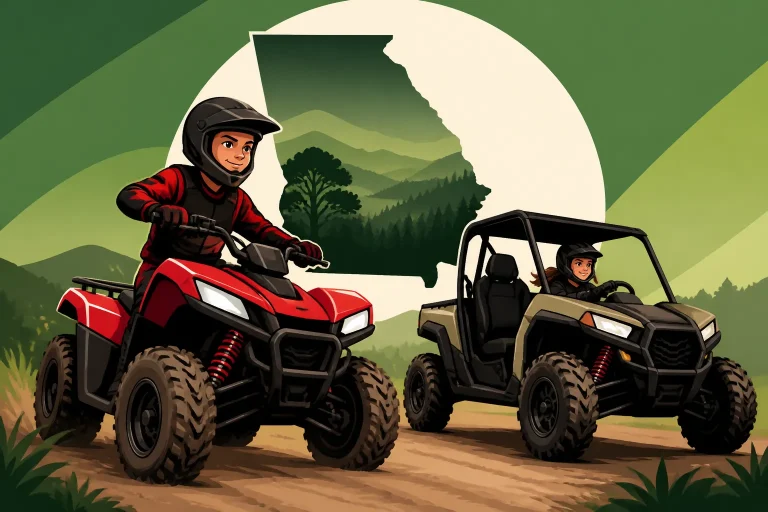
Youth courses at Georgia private ATV parks build skills, but each park sets its own age, supervision, equipment, and trail-access rules.

A Georgia ATV safety course builds control, trail judgment, and risk awareness, but it does not replace permits, land rules, or required gear.
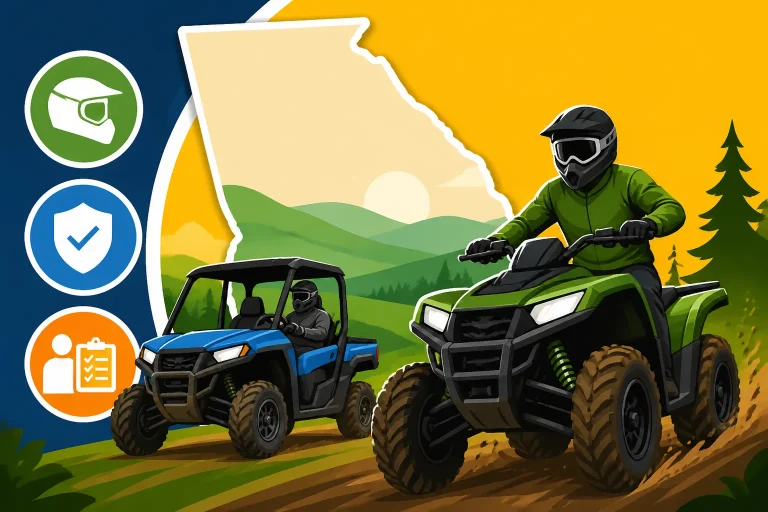
Voluntary ATV and UTV courses in Georgia can build practical skills, but they do not replace permits, land access, or riding rules.
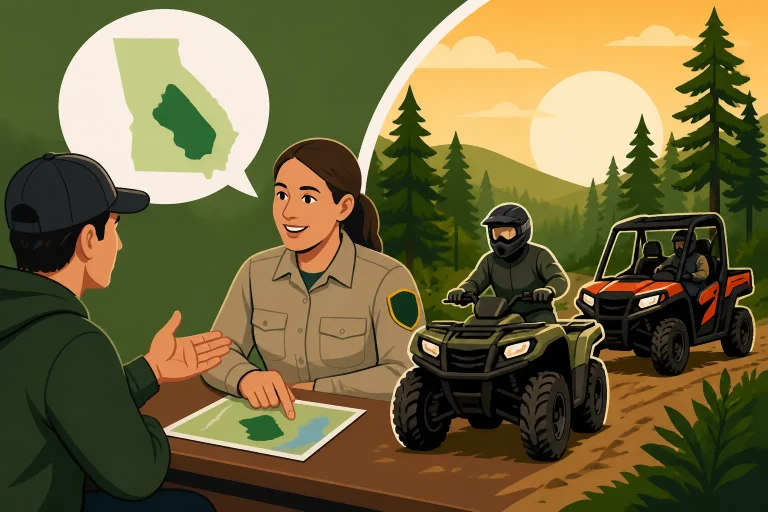
A practical call checklist for confirming ATV and UTV access, dates, roads, permits, and restrictions at a specific Georgia WMA before you ride.
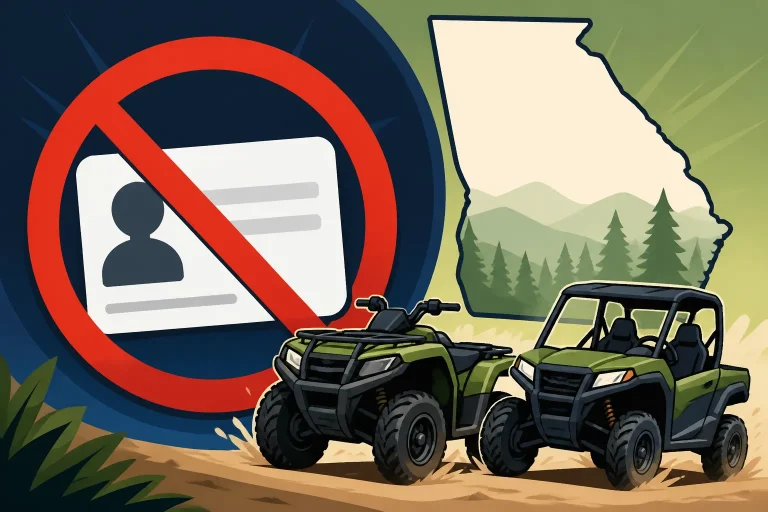
Georgia has no statewide ATV operator education card, but forest permits, road rules, age limits, and private park policies still shape where you can ride.
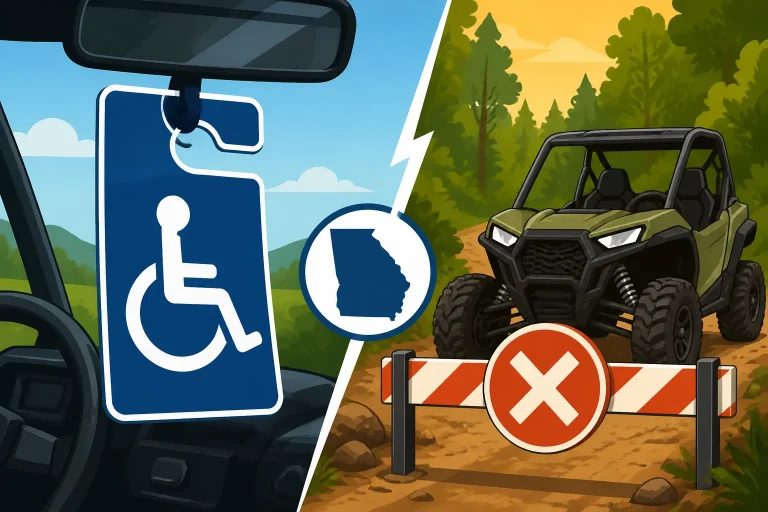
Georgia handicap placards do not override ATV or UTV road closures; check route designation, land rules, permits, and accessibility options before riding.
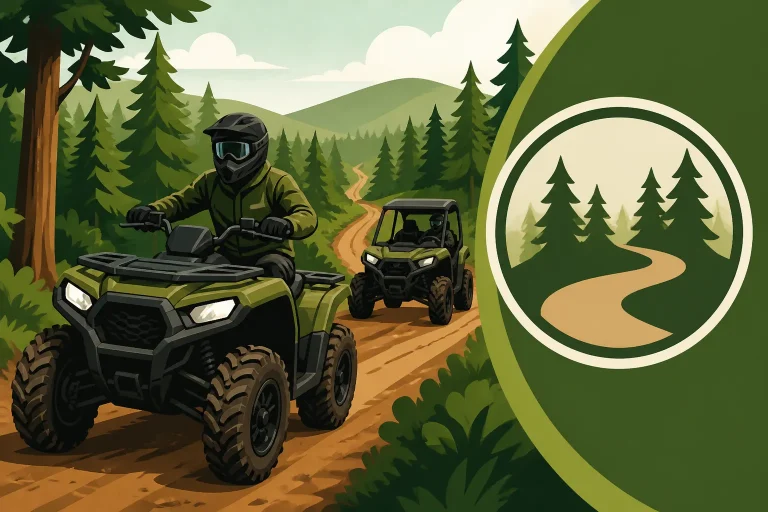
Georgia forest ATV trails require route-by-route checks: confirm allowed machines, width, permits, closures, and whether a road is off limits.
Georgia WMA vehicle tags may apply only on certain forest-owned areas; confirm the WMA, road, dates and separate permit rules before riding.