Bringing an Out-of-State Machine Into Georgia
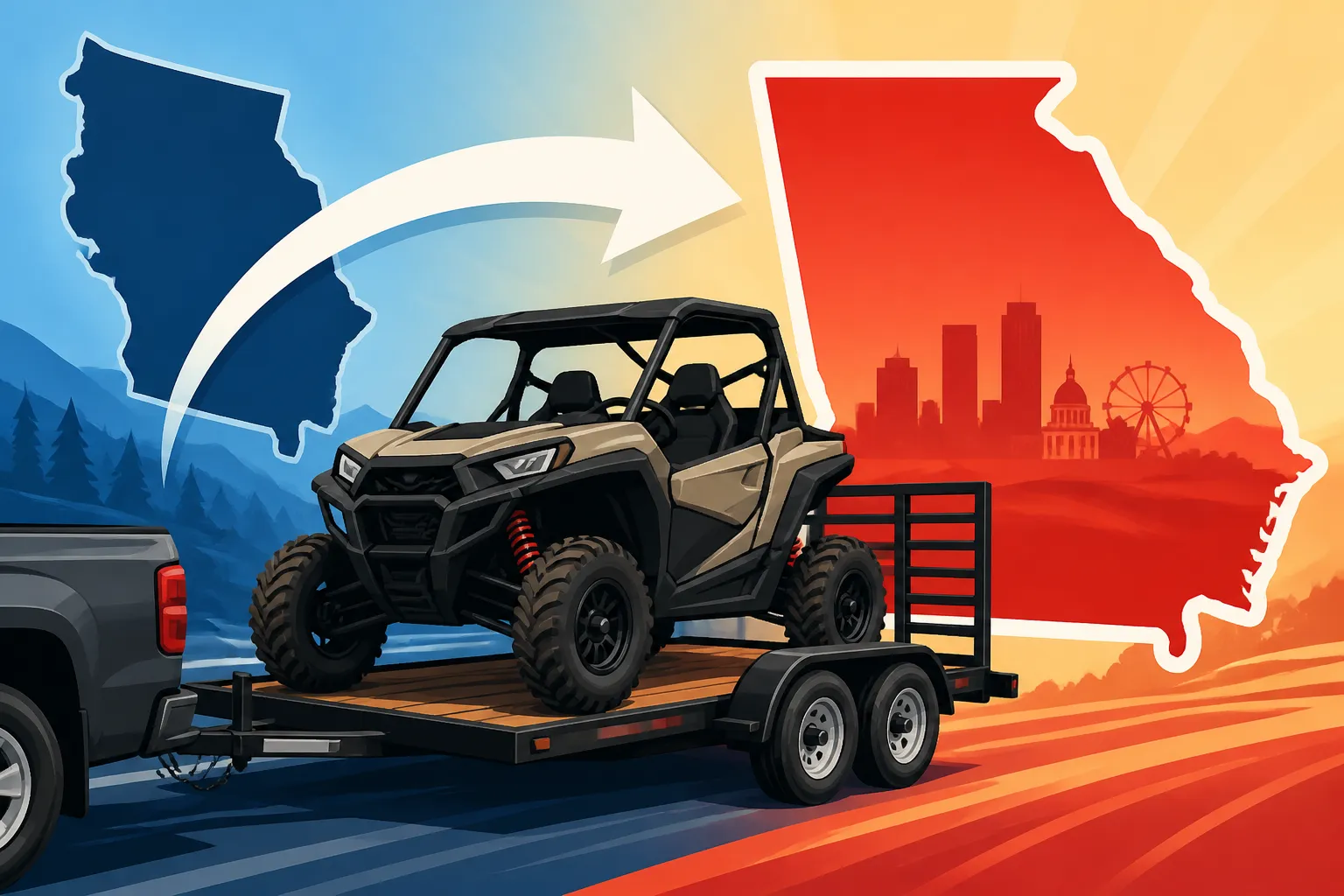
Moving to a new state always comes with a mountain of paperwork and figuring out how everything works, and bringing your beloved off-road machine to Georgia is no exception. It can feel like you're navigating a maze when trying to understand how to legally get your out-of-state ATV or UTV registered here, especially with Georgia's unique rules that might be completely different from where you came from. This guide is designed to walk you through the process, clarifying the paperwork, inspections, and eligibility criteria you'll face.
Understanding Georgia's Unique Approach to Off-Road Machines
Georgia has a distinct way of handling ATVs, UTVs, and other off-highway vehicles that often catches new residents by surprise. Unlike many states, Georgia traditionally did not title ATVs at all, and only recently introduced a specific registration process for certain types of utility terrain vehicles (UTVs) and side-by-sides. This means your experience bringing a machine here might be quite different from bringing a car or truck.
Why Georgia Doesn't Title Many Off-Road Vehicles
For years, if you owned an ATV or quad in Georgia, you simply had a bill of sale and perhaps a manufacturer's certificate of origin. The state didn't issue titles for these machines, which can be a big shock if you're from a state where your quad has a title just like your car. This "no title" status largely persists for traditional ATVs. However, things got a little more nuanced with the introduction of the MPOHV (Multipurpose Off-Highway Vehicle) registration. This new system, specifically for side-by-sides that meet certain criteria, provides a way to get a special registration, but it still doesn't constitute a full road-going vehicle title in the traditional sense. It's crucial to understand that even if your machine had a title in your previous state, Georgia might not recognize it in the same way, especially if it doesn't fit the MPOHV definition. You can learn more about this by reading [Why Georgia Does Not Title an ATV].
The MPOHV Registration and Its Eligibility Criteria
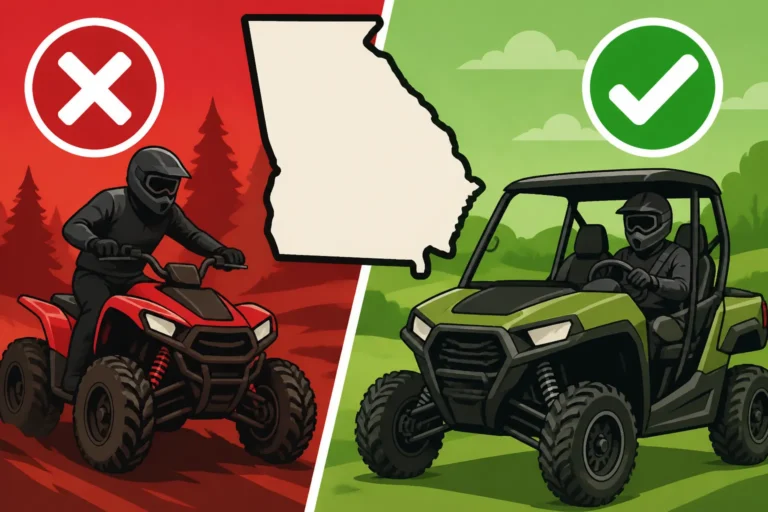
The MPOHV registration is Georgia's answer for allowing specific side-by-sides to operate on county roads under very strict conditions. This isn't about making your UTV street-legal in the way a car is; it's about providing limited, designated road access. For your out-of-state machine to qualify, it must pass an eight-point eligibility test. This includes having a steering wheel (no handlebars!), a non-straddle seat (no sitting like a motorcycle), a width of 80 inches or less, a gross weight of 4,000 pounds or less, and a payload capacity of at least 350 pounds. It also needs to have a top speed between 25 and 65 mph, working headlights and brake lights, and factory-installed seat belts for all designated seating positions. If your out-of-state machine doesn't tick every one of these boxes, it simply won't be eligible for the MPOHV registration here. We've got a deeper dive into this with [Georgia MPOHV Eligibility: The Eight-Point Test].
Essential Documentation for Your Out-of-State Machine
When you're trying to register an out-of-state off-road vehicle in Georgia, your paperwork is your best friend. Since many of these machines don't have traditional titles, proving ownership can sometimes feel like solving a puzzle, especially if you're coming from a state with different titling conventions. Gathering everything upfront will save you headaches and multiple trips to the county tag office.
Proving Ownership When There's No Title
This is often the biggest hurdle for new Georgia residents. If your ATV or UTV didn't have a title in its previous state, or if it's an ATV (which Georgia doesn't title), you'll need a rock-solid way to prove you own it. The most common and accepted documents are a valid bill of sale and, if available, the manufacturer's certificate of origin (MCO) or manufacturer's statement of origin (MSO). If you bought the machine from a private party, even years ago, a clear, dated bill of sale with the vehicle identification number (VIN) and both parties' information is essential. Sometimes, if previous paperwork is lost, you might need an ownership affidavit. Websites like LawDepot can be a great resource for getting professional, clear templates for bills of sale or affidavits if you need to create one to properly document your ownership history. Having a clear chain of ownership, tracing the machine from the manufacturer to you, is what the tag office will want to see. For more details, check out [Proving You Own an ATV in Georgia Without a Title].
Bills of Sale and Other Purchase Records
A detailed bill of sale is paramount, whether you purchased your machine from a dealer or a private seller, and especially if there's no title involved. For an out-of-state purchase, this document serves as the primary evidence of your transaction and can confirm payment of any previous state's sales tax. Ensure your bill of sale includes:
- The full names and addresses of both the buyer and seller.
- The date of the sale.
- The purchase price.
- A clear description of the machine, including its year, make, model, and crucially, its full VIN.
- Signatures of both parties.
If you are dealing with a machine that came from a state that did issue a title for it, even if Georgia won't, you should still bring that document. It helps reinforce your ownership. If you're drawing up a bill of sale for an older machine, or trying to fill in gaps in your paperwork, consider using a reputable online service like LawDepot to ensure your document meets common legal standards. A generic, handwritten note on a napkin simply won't cut it. For a comprehensive look at what paperwork is expected, refer to [Bills of Sale That Hold Up at a Tag Office].
Handling Sales Tax and Use Tax for Out-of-State Purchases
Georgia imposes a state sales tax on the purchase of off-road vehicles. When you bring an out-of-state machine into Georgia, you'll need to address this. If you paid sales tax on the machine in another state, you might get a credit for that amount against Georgia's sales tax, but you’ll need proof of payment. If you didn't pay sales tax in the other state, or if the amount was less than Georgia's rate, you'll likely owe the difference in the form of a use tax when you register the machine here. This tax is typically due before your registration can be finalized. It's always best to have your original purchase receipt or bill of sale clearly showing any sales tax paid, as this will prevent you from potentially paying taxes twice. The tag office will calculate any due amounts based on your documentation. You can dive deeper into this topic with [Georgia Sales Tax Paid Before Registration].
The Georgia Registration Process for Incoming Machines
Once you have all your ducks in a row with your documentation, it’s time to head to the county tag office. The process for registering an out-of-state MPOHV in Georgia involves several key steps designed to ensure the machine meets state requirements and is legally yours. Patience and preparation are your best tools here.
Initial Steps at Your County Tag Office
Your journey begins at the county tag office in the Georgia county where you reside. This is where you’ll submit all your gathered paperwork and initiate the MPOHV registration process. Make sure you bring:
- Proof of Ownership: Your MCO/MSO, bill of sale, and any other documents proving your ownership, especially if no title exists.
- Proof of Georgia Residency: A Georgia driver's license or state ID card, or other accepted documents proving you live in the county.
- Completed Form MV-OHV: This is Georgia's specific application for MPOHV registration. You can usually find this form online or get a copy at the tag office. This form asks for detailed information about your machine and attests that it meets the eligibility criteria.
- Proof of Insurance: You'll need liability insurance that meets Georgia's minimum requirements for MPOHV road use.
The staff at the tag office will review your documents and guide you through the next steps. They are your primary point of contact for this process. We have a dedicated guide on [Georgia County Tag Office Steps for an MPOHV] that might be helpful.
VIN Verification and Stolen Vehicle Checks
A critical part of registering any vehicle, especially one from out-of-state, is the VIN verification and a check against stolen vehicle databases. For MPOHV registration, Georgia requires that the vehicle identification number (VIN) on your machine matches the VIN on your ownership documents. This process helps ensure the machine is not stolen and that its identity is clear. In some cases, a physical inspection by law enforcement might be required to verify the VIN, particularly if there are discrepancies or if the tag office deems it necessary. This is a standard security measure to protect buyers and prevent the registration of fraudulent or stolen vehicles. It's a non-negotiable step, so be prepared for it. For more insights, refer to [Georgia MPOHV Registration and VIN Checks] and [Georgia Stolen Vehicle Check Before Registration].
Insurance Requirements for Road Access
If your out-of-state machine qualifies for and receives Georgia MPOHV registration, you are legally required to carry liability insurance. This isn't optional; it's a mandatory prerequisite for getting your MPOHV plate. The insurance policy must meet Georgia's minimum liability coverage requirements, just like for any other registered vehicle. Your insurance provider will need to know that you are registering the machine as an MPOHV for limited county road access, not just for off-road use, to ensure the policy is correctly written. You'll need to provide proof of this insurance at the county tag office when you apply for registration. Without it, your application won't proceed. For a full understanding of what's required, see [Georgia Liability Insurance Tied to Registration].
Potential Hurdles and What to Expect
Even with all your documentation in order, bringing an out-of-state machine into Georgia for registration can present a few unique challenges. Understanding these potential hurdles beforehand can help you prepare for them and avoid unnecessary frustration.
Common Disqualifications for MPOHV Registration
One of the biggest disappointments for new residents is finding out their beloved off-road machine doesn't meet Georgia's MPOHV eligibility criteria. Many popular ATVs, quads, and even some side-by-sides simply don't make the cut. The most frequent reasons for disqualification include:
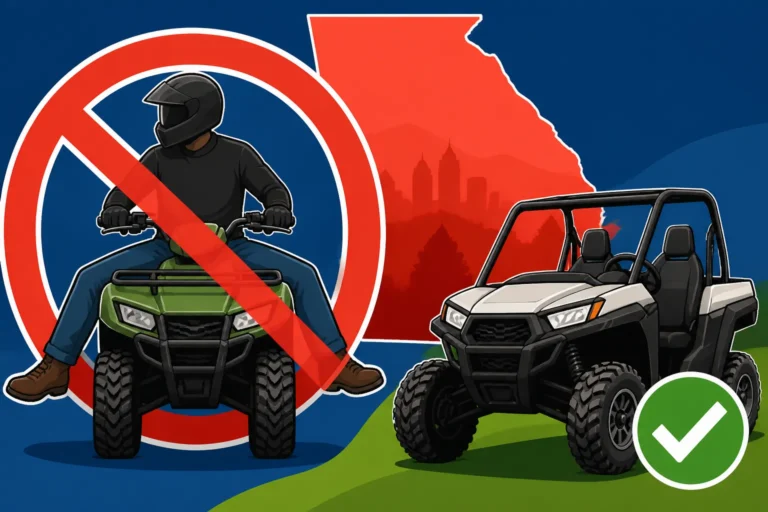
- Handlebars: If your machine has handlebars, it immediately fails the test. Georgia's MPOHV rules explicitly require a steering wheel. This is why most traditional ATVs cannot be registered.
- Straddle Seat: If you sit on your machine like a motorcycle, with a straddle seat, it won't qualify. MPOHVs require a non-straddle seat, more akin to a car.
- Speed Limits: Machines that are either too slow (top speed under 25 mph) or too fast (exceeding 65 mph) are ineligible.
- Width and Weight: If your machine is wider than 80 inches or has a gross vehicle weight exceeding 4,000 pounds, it's out.
- Lack of Seat Belts/Lights: Factory-installed seat belts for all passengers and proper headlights/brake lights are non-negotiable.
It's really common for four-wheelers and sport quads to be denied MPOHV plates for these reasons. If you want to know more about why specific types of machines might not qualify, check out [Why a Four-Wheeler Cannot Be Registered in Georgia].
What If Your Machine Doesn't Qualify for MPOHV Registration?
If your out-of-state ATV or UTV doesn't meet the specific requirements for Georgia's MPOHV registration, don't despair! It simply means you won't be able to get a Georgia plate for it to ride on county roads. However, this does not mean your machine is illegal to own or ride in Georgia. You can still use your ATV or UTV on private property, designated off-road trails, and at private off-road parks. Many enthusiasts in Georgia enjoy their machines exclusively in these settings. The key takeaway is that without an MPOHV plate, your machine is limited to off-road environments and cannot legally operate on public roads, even county ones. For guidance on where you can ride, explore [Georgia ATV Rules on Private Property].
Branded Certificates of Registration
In some instances, especially with out-of-state machines that may have a history of significant damage, a salvage title, or a rebuilt status, Georgia might issue what's called a "branded" certificate of registration. A branded certificate carries a notation that warns of a prior condition, such as "salvage," "rebuilt," or "flood." While not a deal-breaker for registration itself, it's an important detail to be aware of. This branding serves as a public record of the machine's history, which can affect its value and insurability. If you purchased a machine out-of-state with a similar brand on its previous documentation, expect that Georgia will likely carry that branding over. It's something to consider if you ever plan to sell the machine in Georgia, as it might raise questions for potential buyers. You can learn more about what this branding entails by reading [What a Branded Registration Warns You About].
| MPOHV Eligibility Criterion | Description for Out-of-State Machine |
|---|---|
| Steering Control | Must have a steering wheel, not handlebars. |
| Seating Type | Must have a non-straddle seat (like a bench or bucket seat). |
| Width Limit | Must be 80 inches or less in overall width. |
| Gross Weight Limit | Must weigh 4,000 pounds or less. |
| Payload Capacity | Must have a minimum payload capacity of 350 pounds. |
| Speed Range | Must have a top speed between 25 mph and 65 mph. |
| Safety Equipment | Must have factory-installed seat belts for all designated seating positions. |
| Lighting | Must have working headlights and brake lights. |
| Model Year | Must be a 2000 model year or newer. |
Disclaimer
This article is for general informational purposes only and does not constitute professional advice. Laws, prices and regulations vary by location and change over time. Consult a qualified professional for guidance on your specific situation.