Path Signs at 24 by 30 Inches
Navigating Georgia's diverse landscape can be an absolute joy, whether you're cruising through charming small towns or exploring vast rural expanses. But for many residents and visitors, there's often confusion about where certain vehicles can and cannot operate, especially when it comes to designated paths. This guide will shine a light on the specific "Path Signs at 24 by 30 Inches" you might encounter, helping you understand their significance for personal transportation vehicles (PTVs) and why they are so crucial for safety and compliance in communities that embrace this unique mode of travel.
Understanding Georgia's PTV Ordinances and Signage
It's easy to get lost in the sea of rules and regulations that govern off-road vehicles in Georgia. Many folks automatically lump all small, open-air vehicles into one category, but that's a mistake that can lead to a ticket or worse. The truth is, there's a distinct difference between your robust ATV or UTV and what Georgia defines as a Personal Transportation Vehicle (PTV) – often known simply as a golf cart in common parlance. These distinctions are critical, especially when you start looking at the specific signage that dictates where PTVs can go.
The Role of Local Ordinances in Georgia
Unlike the state-level rules that govern [Georgia MPOHV Registration Explained] for certain larger off-highway vehicles, the use of PTVs on local paths and streets is primarily dictated by individual city and county ordinances. This means that what's perfectly legal in one town might be strictly forbidden just a few miles down the road. Local governments have the power to create these ordinances to address the unique needs and infrastructure of their communities. They assess factors like traffic volume, road design, and existing recreational pathways to determine if and how PTVs can be integrated safely.
These local rules are often a response to community desires for alternative transportation or recreational opportunities. For example, a town might recognize that many residents use golf carts to get to local shops, parks, or even school drop-offs. To facilitate this, they'll invest in dedicated path networks and establish clear rules for their use. It's a localized effort to enhance mobility and quality of life, but it requires everyone to be aware of the specific rules in their area. You can't just assume that because your buddy can ride his cart on the street in his county, you can do the same in yours; always check with your local municipality. [Georgia Golf Cart Laws and PTV Ordinances] provides a broader overview of how these local rules come into play.
What is a Personal Transportation Vehicle (PTV) Anyway?
Before we dive deeper into the signs, let's clarify what we're talking about. In Georgia, a Personal Transportation Vehicle (PTV) is typically defined as a motor vehicle with at least three wheels, weighing less than 1,300 pounds, and designed to carry no more than eight people. It usually has a top speed of no more than 20 miles per hour. Crucially, PTVs are often associated with golf carts, and they are distinct from ATVs and UTVs. While some UTVs can be modified with aftermarket parts from companies like SuperATV to meet certain road-legal criteria for county roads under the MPOHV registration, they are generally not considered PTVs for designated path use.
The key differentiator for PTVs is their design for low-speed, short-distance travel, often away from high-speed traffic. They aren't built for rugged off-road terrain, high payloads, or extreme speeds like many ATVs or UTVs. Think of them as neighborhood cruisers, not trail blazers. Because of their limited speed and specific design, they can often utilize designated path networks that would be entirely inappropriate – and illegal – for a larger, faster, or more powerful off-highway vehicle. Understanding this fundamental difference is crucial to interpreting the signage we're discussing.
The Specifics of the 24 by 30 Inch Sign Rule
Now, let's talk about the specific sign dimensions. When a Georgia city or county has an ordinance allowing PTVs on public paths, they are mandated to install specific signage to guide and inform riders. A common requirement for these signs, particularly those indicating a designated PTV path or crossing, is a size of 24 by 30 inches. [Georgia's 24 by 30 Inch Cart Signage Rule] explicitly details this requirement. This isn't just an arbitrary number; it's a standard chosen to ensure maximum visibility for both PTV operators and other motorists or pedestrians.
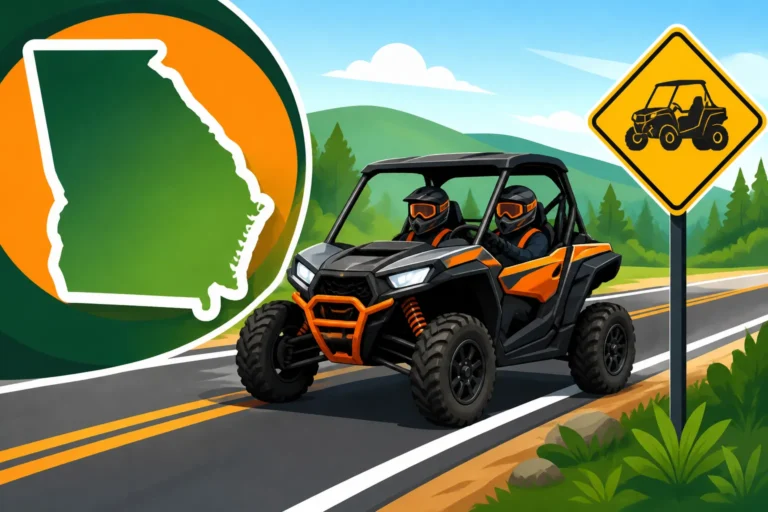
These signs are typically rectangular, often with a white background and clear black lettering and symbols. They might show a silhouette of a golf cart, indicate a speed limit, or simply state "Golf Cart Crossing" or "PTV Path." The size ensures that they are easily seen from a distance, giving PTV drivers ample time to react to an upcoming intersection or path entry point. For other drivers, it serves as a critical heads-up that they might encounter PTVs in the area, prompting them to slow down and be more vigilant. [What a 24 by 30 Sign Looks Like] provides a visual concept of these markers. Without clear, standardized signage, the potential for accidents and confusion would skyrocket in areas where PTVs are integrated into the transportation network.
Where You'll Encounter These Signs (and Where You Won't)
These specific 24 by 30 inch signs are not universal across Georgia. You won't see them on every dirt road or every public street. Their presence is a clear indicator of a local ordinance that has specifically designated certain areas for PTV use, setting them apart from general road rules that apply to other vehicles. Knowing where to expect these signs, and perhaps more importantly, where not to, can save you a lot of headache and keep you on the right side of the law.
Navigating Designated Cart Paths and Crossings
The primary places you'll find these 24 by 30 inch signs are in communities that have established extensive golf cart path networks. Peachtree City is perhaps the most famous example in Georgia, with its incredible system of multi-use paths designed for golf carts, pedestrians, and cyclists. [Peachtree City's 100 Miles of Georgia Cart Paths] illustrates just how extensive these networks can be. In such communities, these signs will mark:
- Path Entrances/Exits: Where a PTV path begins or ends, or connects to a street.
- Intersections: Warning PTV operators and motorists of upcoming crossings where carts might be merging or crossing traffic.
- Speed Zones: Indicating specific speed limits for PTVs on the path.
- Regulatory Information: Providing instructions such as "No Motor Vehicles" (meaning cars, not PTVs), or designating specific lanes.
These signs are integral to the safe flow of traffic on these paths. They act as visual cues, ensuring that everyone using or interacting with the path network understands the rules of engagement. Without them, even the most well-intentioned PTV driver could inadvertently cause a dangerous situation. Think of them as the traffic signals and street signs of the PTV world, guiding you safely from your home to the grocery store or local park on your golf cart.
Why Certain Cities Embrace PTVs (and Others Don't)
The decision to adopt PTV ordinances and create designated path networks is a local one, often reflecting a city's unique demographics, layout, and vision for community living. Cities that embrace PTVs typically have:
- Master-planned communities: Many newer developments are designed with PTV paths in mind, integrating them into the infrastructure from the ground up.
- Recreational focus: Communities near golf courses, lakes, or parks often see PTVs as a natural fit for leisure activities.
- Traffic reduction goals: Some cities use PTVs to reduce reliance on cars for short trips, easing congestion and parking issues.
- Elderly populations: PTVs can offer a convenient and accessible mode of transportation for seniors who may prefer not to drive a car.
On the other hand, cities with high traffic volumes, narrow streets, or a lack of space for dedicated paths may choose not to permit PTVs on public ways. It's a matter of infrastructure, safety, and local preference. The presence or absence of the 24 by 30 inch signs is your biggest clue. If you don't see them, it's generally a strong indication that PTVs are not permitted on public paths or roads in that specific area. Always check [Georgia PTV Ordinances Cities Can Pass] for local specifics.
The Difference Between PTV Paths and General County Roads
It's absolutely vital to understand that a designated PTV path is not the same as a general county road or an ATV trail. This is where much of the confusion, and potential for trouble, arises for owners of more robust off-highway vehicles. While some UTVs can be registered as [Georgia MPOHV Registration Explained] for limited use on county roads, they are generally not permitted on these specific 24 by 30 inch signed PTV paths. [Quads on a Cart Path] clearly lays out why this distinction is so important.
County roads, especially unpaved ones, might be open to properly registered MPOHVs (like many side-by-sides, perhaps even those customized with lift kits and heavy-duty axles from a brand like SuperATV), provided they meet all the eligibility criteria and the county hasn't prohibited their use. However, these vehicles are far too large, heavy, and fast for the narrow, often shared-use PTV paths. The infrastructure of PTV paths – their width, surface, and proximity to pedestrians and cyclists – is designed for low-speed, lightweight vehicles like golf carts. Attempting to ride a full-sized ATV or UTV on such a path would not only be illegal but incredibly dangerous for everyone involved. [Why a Path Network Is Not for ATVs] delves into this further.
Practical Implications for Riders and Residents
Understanding the role of these specific path signs has real, tangible implications for how you get around in Georgia. For PTV owners, it means knowing exactly where you're allowed to go. For residents, it means understanding the blend of traffic they might encounter. And for ATV and UTV owners, it's a critical reminder that these paths are simply not for your machines.
Ensuring Compliance: What to Look For
If you own a golf cart or PTV and want to ride it legally on designated paths, your first step is always to look for these specific signs. The 24 by 30 inch dimension is common, but the message itself is the key. Are you seeing signs that explicitly permit PTVs, or do they warn against unauthorized vehicles? Key things to look for include:
- "Golf Cart Crossing" or "PTV Route" signs: These clearly indicate approved areas.
- Speed limit signs: Often lower than road limits, specifically for PTVs.
- Yield or Stop signs specific to PTVs: Found at intersections with roads or other paths.
- Maps or informational kiosks: Many PTV-friendly communities provide maps outlining their approved path networks. [Signs That Mark a Cart Path] are your primary guide.
Without these signs, or if the signs explicitly prohibit golf carts or only allow specific types of non-motorized traffic, then you should assume PTV access is not permitted. Ignorance of local ordinances is not usually a valid defense if you're cited for illegal operation. It's always better to be cautious and verify the rules before you venture out, especially if you're exploring a new community.
The Safety Aspect of Clear Signage
These 24 by 30 inch signs are not just about compliance; they are fundamentally about safety. Clear, consistent signage plays a crucial role in preventing accidents by:
- Informing drivers: Alerting motorists on adjacent roads that PTVs may be present and crossing, prompting them to slow down and be aware.
- Guiding PTV operators: Ensuring they know where they are permitted, what speed to maintain, and when to yield or stop.
- Separating traffic: In some cases, the signs demarcate paths entirely separate from vehicle traffic, enhancing safety for PTVs, pedestrians, and cyclists alike.
- Reducing confusion: Minimizing situations where PTV operators might mistakenly enter a roadway where they are not permitted, or where car drivers are not expecting them.
The effort to standardize these signs is a testament to their importance in public safety. Imagine a busy road with golf carts darting out unexpectedly without any warning signs – it would be a recipe for disaster. These visible markers are essential for maintaining order and protecting lives in communities that have embraced PTV travel.
When These Rules Don't Apply (ATVs and UTVs)
This is a critical point that cannot be stressed enough: the rules and signage discussed for PTVs generally do not apply to ATVs and UTVs. While both are off-highway vehicles, their legal classifications, design specifications, and permissible operating areas are vastly different in Georgia. A heavily customized side-by-side, perhaps outfitted with heavy-duty tires and a winch from SuperATV, is designed for challenging off-road conditions and specific county road use (if registered as an MPOHV), not for shared-use PTV paths.
Attempting to take your ATV or UTV onto a path designated solely by 24 by 30 inch PTV signs could result in hefty fines, vehicle impoundment, and even criminal charges depending on the local jurisdiction. These paths are often too narrow, too congested with other users (pedestrians, cyclists), and simply not built to withstand the weight and speed of a typical ATV or UTV. If you're looking for places to ride your ATV or UTV, you need to be looking at [Georgia ATV Trails: Where You Can Legally Ride] or understanding [Georgia UTV Road Rules by County] for registered MPOHVs, not golf cart path ordinances. The distinction is not minor; it's fundamental to responsible and legal off-highway vehicle operation in Georgia.
Common Misconceptions and Future Considerations
Even with clear signage and local ordinances, confusion often persists. Many riders have long-held beliefs about off-road access that simply aren't true in Georgia, especially when it comes to differentiating between various types of vehicles and their permitted uses. Addressing these misconceptions is key to fostering a safer, more compliant riding environment for everyone.
The Myth of Universal Road Access for All Off-Road Vehicles
One of the biggest misconceptions in Georgia is that if a small vehicle looks like it could be driven on a road, or if some type of off-road vehicle is allowed on some roads, then all off-road vehicles have universal access. This is simply not the case. The idea that a 24 by 30 inch sign for a PTV path somehow grants permission for an ATV to ride on it, or any other public road, is a dangerous fantasy. Georgia has very specific, often restrictive, laws for what can be considered "street legal," and even the MPOHV registration for UTVs on county roads comes with strict limitations.
- ATVs: Generally not permitted on any public roads or paths in Georgia, with very few exceptions like crossing a road or specific farm use. [Georgia ATVs Are Not Road Machines].
- UTVs/Side-by-Sides: Can be registered as MPOHVs for limited county road access if they meet specific criteria (like a steering wheel, seat belts, speed limits, width, weight, etc.), but this is a distinct process and does not involve PTV paths. [Registering a Side-by-Side in Georgia].
- PTVs/Golf Carts: Limited to designated paths and specific low-speed streets where local ordinances permit, often marked by the 24 by 30 inch signs we've discussed. [Georgia Golf Cart Laws and PTV Ordinances].
It's clear that each vehicle type has its own set of rules. You cannot apply the regulations for one type of machine to another and expect to be in compliance.
What Happens if a Sign Isn't Present?
This is a frequently asked question, and the answer is straightforward: if there isn't clear signage indicating PTV access, assume it's not permitted. The absence of a 24 by 30 inch sign marking a PTV path or crossing should be interpreted as a prohibition, not an invitation. Local ordinances authorizing PTV use nearly always mandate the installation of such signs for safety and clarity. Therefore, if you don't see one, it means the area is likely not designated for PTVs.
Relying on the "no sign, so it must be okay" logic is a risky gamble. Law enforcement officers in municipalities without specific PTV ordinances will enforce state traffic laws, which generally restrict unregistered motor vehicles like golf carts from public roadways. It's incumbent upon the operator to know the local rules. If you're unsure, contact the local police department or county tag office for clarification. Don't just guess and hope for the best.
Community Engagement and Future Path Development
The landscape of PTV use in Georgia is continually evolving. As communities grow and seek alternative transportation solutions, more cities and counties may consider developing their own PTV path networks, potentially leading to the installation of more 24 by 30 inch signs. Residents and riders have a role to play in this development:
- Advocacy: If you believe PTV paths would benefit your community, engage with your local city council or county commissioners. Share your ideas, highlight successful models like Peachtree City, and advocate for safe, well-planned infrastructure.
- Responsible Riding: For those in communities with existing PTV paths, adhering to the rules and showing courtesy to other path users (pedestrians, cyclists) is paramount. Responsible behavior helps maintain public support for these amenities.
- Staying Informed: Keep an eye on local government meetings and announcements regarding transportation planning. Ordinances can change, and new paths can be proposed. Being informed ensures you're always aware of the latest rules and opportunities.
As a reminder, if you're out there riding a substantial UTV on an approved county road (having met all the MPOHV registration requirements), you're operating in a completely different regulatory sphere than someone on a PTV path. While a brand like SuperATV might equip your UTV for rugged adventure, it doesn't give you license to use a path designed for leisurely golf cart cruises. Respecting these distinctions is key to a harmonious and safe coexistence on Georgia's diverse roadways and pathways.
| Vehicle Type | Typical Use Case | Max Speed (Approx.) | Where to Expect 24×30" Signs | Road Access (General) |
|---|---|---|---|---|
| Personal Transportation Vehicle (PTV) / Golf Cart | Short-distance travel, recreation, neighborhood errands | 20 mph | Yes, on designated paths | Designated paths & low-speed streets (local ordinance) |
| Utility Terrain Vehicle (UTV) / Side-by-Side | Off-road recreation, work, hunting, farm use | 25-70+ mph | No | County roads (with MPOHV registration & compliance) |
| All-Terrain Vehicle (ATV) / Quad | Off-road recreation, sport, farm use | 30-70+ mph | No | Primarily private land, designated trails, farm use (limited road crossing) |
| Low-Speed Vehicle (LSV) | Street legal, neighborhood commuting | 20-25 mph | No | Public streets with speed limits of 35 mph or less |
Disclaimer
This article is for general informational purposes only and does not constitute professional advice. Laws, prices and regulations vary by location and change over time. Consult a qualified professional for guidance on your specific situation.