Georgia Rules for Riding a Pasture
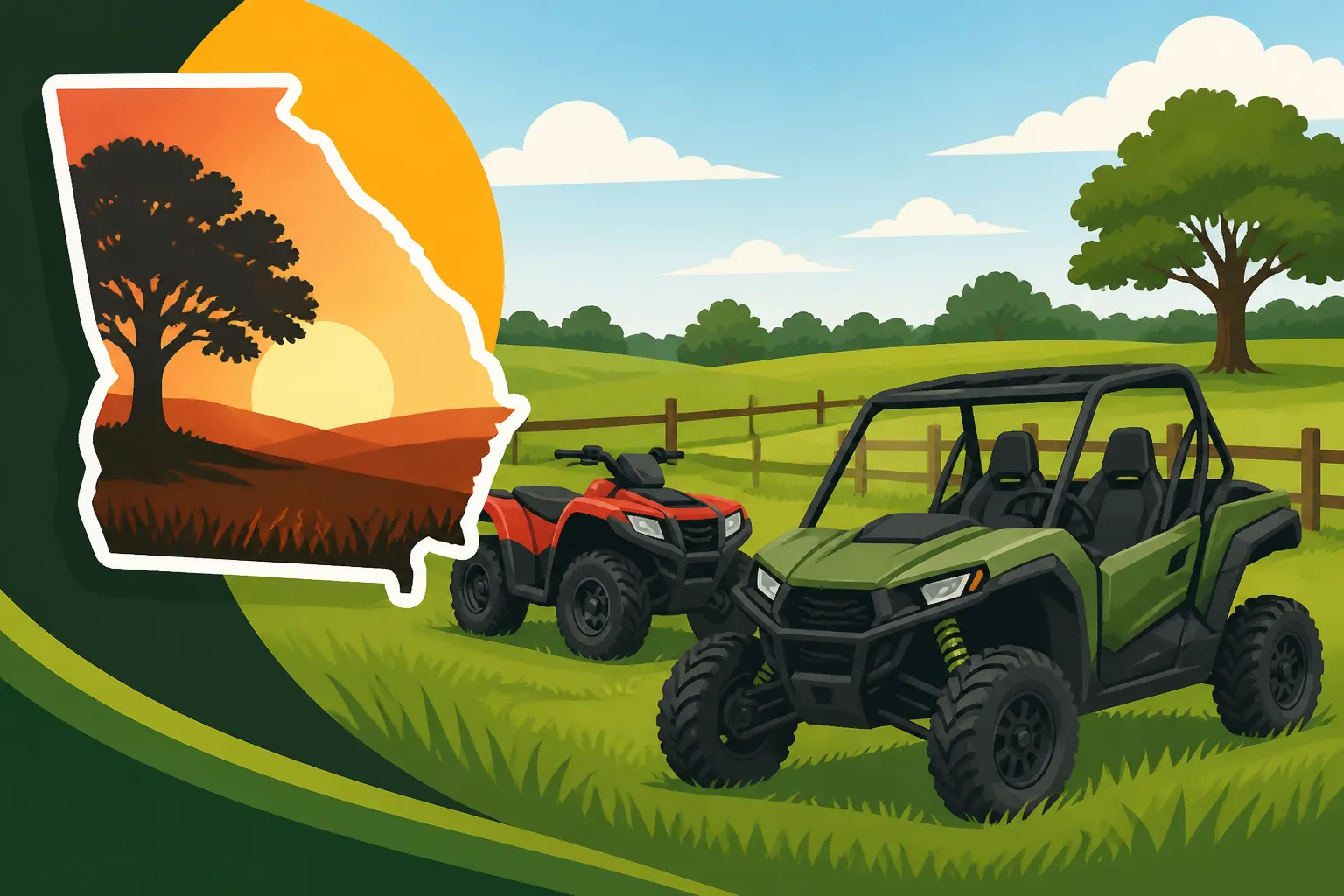
There's nothing quite like the freedom of riding your ATV or UTV across your own land, especially a wide-open Georgia pasture. You can feel the stress melt away, knowing you're far from traffic and public road rules. However, even on private property like a pasture, there are still crucial considerations and responsibilities to keep in mind, and this guide will walk you through the nuances of enjoying your off-road machine responsibly and safely on your own turf.
The Freedom of Private Land: What Changes (and What Doesn't)
When you're out in your own pasture, kicking up dust on your side-by-side or quad, it feels like the wild west. And in many ways, it is! The labyrinth of specific Georgia road laws for ATVs and UTVs largely disappears. You're no longer worried about speed limits for registered machines, whether your particular model meets width restrictions, or if you’re accidentally straying onto a state highway. The strict requirements for [Georgia MPOHV Eligibility: The Eight-Point Test] become irrelevant, as do specific plate placement rules or renewal fees.
However, it's not a complete free-for-all. While the highly restrictive rules governing public road use vanish, fundamental safety, liability, and even some specific Georgia statutes still hold sway, even behind your own gate. Think of it less as a total absence of rules and more as a shift in focus towards personal responsibility and fundamental legal principles. You're trading external mandates for internal vigilance.
Where Public Road Rules Take a Back Seat
On your private pasture, you generally don't need to worry about the complexities of formal registration for your machine, which is a huge relief for many owners. Things like [Georgia MPOHV Registration Explained] and the annual renewal process are designed for machines venturing onto county roads. Since your pasture isn't part of the public road system, these requirements simply don't apply. You won't need to stress about specific equipment like rearview mirrors, brake lights, or headlights in the same way a county tag office would demand if you were trying to get a [Georgia Plate Placement on a Side-by-Side].
Furthermore, the legal nuances regarding specific vehicle types—like why [Georgia Dirt Bikes and Three-Wheelers Are Excluded] from MPOHV registration, or why [Georgia Dune Buggies and Golf Carts Are Excluded] from this particular category—don't matter when you're on private land. You can ride almost anything you own out there, assuming it's safe and you're not violating any local noise ordinances (though those are rare in most rural pasture settings). The key takeaway here is that you're operating within the bounds of your property rights, which grant you significant freedom compared to public access.
Enduring Responsibilities and Applicable Laws
Despite the freedom, a few critical legal and ethical responsibilities remain firmly in place. These aren't about regulating your machine's dimensions or its speed, but rather about fundamental safety, avoiding harm, and respecting basic legal tenets. For instance, while you might not need specific insurance to satisfy a county tag office, carrying general liability insurance for your property is always a wise move. Imagine a guest rider having an accident on your pasture – your homeowner's policy, or a specific off-road vehicle policy, could be invaluable.
Georgia's DUI laws, for example, are not exclusive to public roads. Operating an ATV or UTV under the influence of alcohol or drugs can still lead to severe penalties, even if you're only riding on your own land. Similarly, reporting a serious accident, especially if it involves injury or significant property damage to someone else's property (even if they were riding on your land), is still generally required. And critically, certain laws regarding minors and safety, like [Georgia ATV Helmet Law for Riders Under 18], can extend to private property in some interpretations, especially if negligence is involved. It's always best to err on the side of caution and ensure young riders are properly protected.
Landowner Permissions and Liability Concerns
Even if you own the land, there are layers of permission and potential liability to consider, especially when others are involved. Most of us imagine riding our ATVs in our own back forty, but what about inviting friends, family, or even allowing a hunting club to use your land? These situations introduce new considerations beyond just your personal ride.
Riding Your Own Land: The Basics
When you're the sole operator on your own pasture, your primary concerns revolve around personal safety and the condition of your land. You know where the hidden stumps are, where the old well is, or which creek bed is prone to flash floods. However, it's easy to get complacent. Regular checks of your land for new hazards, like fallen trees after a storm, or unexpected animal burrows, are still crucial. Consider adding practical accessories like a SuperATV brush guard to protect your machine from unforeseen impacts with low-lying obstacles or small saplings as you navigate your terrain.
While Georgia does not mandate specific safety courses, taking one voluntarily can enhance your skills and awareness, reducing the risk of accidents even on familiar ground. Remember, a serious injury on your own land can be just as devastating as one on a public trail. Always wear appropriate safety gear—helmets, eye protection, gloves, and sturdy boots—regardless of where you're riding. The [Georgia ATV Helmet Law Age Limit] might apply to minors, but a helmet protects anyone, at any age.
Inviting Guests to Ride on Your Pasture
This is where things get a bit more complex. When you invite friends or family to ride their ATVs or UTVs on your property, you assume a certain level of responsibility as the landowner. While recreational land use statutes in Georgia offer some protection to landowners who allow the public to use their land for recreation free of charge, the specific legal protections can vary when you're directly inviting guests onto your private property for an activity like ATV riding.
It's highly advisable to have guests sign a liability waiver, clearly stating that they understand the inherent risks of off-road riding and that they release you from liability for injuries or damages. While waivers aren't foolproof, they demonstrate your efforts to inform guests of risks. Furthermore, ensure that any minor guests adhere to Georgia's helmet laws, and that they are adequately supervised by a responsible adult. If you're allowing someone to use your machine, ensure they are competent operators and that the machine is in good working order. Don't forget to review your homeowner's insurance policy to understand your liability coverage in such scenarios, and perhaps consider an umbrella policy for added protection.
Lease Agreements and Commercial Use
If you lease your pasture to a hunting club or allow commercial operations (like logging or agricultural work) that involve ATV or UTV use, the legal framework shifts again. Lease agreements should clearly delineate responsibilities regarding machine operation, safety, and liability. For instance, [Georgia Hunting Club Leases and Machine Use] often contain specific clauses about off-road vehicle operation.
In commercial settings, worker's compensation and specific liability insurance policies become paramount. For example, [Georgia Commercial Use Helmet Exemption] might exist for certain agricultural or logging activities, but this doesn't absolve the employer or landowner from ensuring a safe working environment. Any agreement should specify who is responsible for maintaining the land for safe riding, who covers insurance, and what safety protocols must be followed. It’s always best to consult with an attorney to draft or review such agreements to ensure adequate protection for all parties.
Navigating the Physical Environment: Pasture Hazards & Safe Practices
Pastures, while seemingly open and benign, can present unique challenges and hazards for ATV and UTV riders. It’s crucial to approach riding in this environment with caution and respect for the terrain and any animals present.
Common Pasture Hazards
Riding through a pasture isn't like riding on a groomed trail. Here are some common hazards to watch out for:
- Hidden Obstacles: Tall grass can obscure rocks, stumps, irrigation equipment, old fence posts, or even discarded farm implements. Always scout unfamiliar areas first, or ride cautiously.
- Animal Burrows: Holes dug by armadillos, gophers, or other critters can easily swallow a tire, leading to a sudden stop or rollover.
- Soft Spots and Mud: Even seemingly dry pastures can have boggy areas, especially near watering troughs, low-lying sections, or where heavy rainfall collects. Getting stuck can be a real hassle, and could damage your machine or the land. A good set of SuperATV tires designed for mud and soft terrain can make a huge difference.
- Fencing and Gates: Barbed wire fences, electric fences, and poorly secured gates are common in pastures. Always be aware of your surroundings and avoid riding too close to fences.
- Livestock and Wildlife: If livestock are present, their safety and your own are paramount. Herding them with an ATV can cause stress or injury to animals. Give them a wide berth. Be mindful of wildlife that might be startled by your machine.
- Erosion and Uneven Terrain: Over time, pastures can develop ruts, washouts, and severely uneven surfaces, especially on slopes or near natural drainage paths. These can be particularly treacherous.
Safe Riding Practices in a Pasture
To minimize risks and maximize enjoyment, adopt these safe riding practices in your pasture:
- Scout First: Before a spirited ride, take a slow pass over the pasture, especially if it's been a while or after heavy weather. Look for new obstacles, soft spots, or changes in terrain.
- Wear Proper Gear: Helmets are non-negotiable, especially for minors. Eye protection, gloves, long sleeves, long pants, and sturdy boots will protect you from branches, dust, and potential impacts.
- Ride Within Your Limits: Don't attempt jumps or stunts that exceed your skill level or your machine's capabilities. A pasture isn't a motocross track unless specifically designed as one.
- Maintain Your Machine: Ensure brakes are working, tires are properly inflated, and all fluids are topped off. A well-maintained machine is a safer machine.
- Respect the Land: Avoid creating deep ruts or excessive erosion. If the ground is very wet, consider waiting until it dries out to prevent damage. Think about where Georgia Rules for Riding a Pasture might impact the land itself.
- Communicate with Guests: If others are riding with you, establish clear rules and expectations before you start. Discuss hazards, riding etiquette, and emergency procedures.
- Carry Essentials: A small first-aid kit, a cell phone (if service is available), and basic tools can be invaluable for unexpected situations. A winch, perhaps a SuperATV winch, can be a lifesaver if you get stuck in mud or a ditch.
Here's a quick comparison of general rules on public roads versus private pasture land:
| Feature/Regulation | Public Georgia County Roads (MPOHV Registered) | Private Georgia Pasture (No MPOHV Registration) |
|---|---|---|
| Machine Registration | Mandatory for road access | Not required |
| Annual Renewal | Yes, to maintain road legality | Not applicable |
| Title/Ownership Proof | Needed for registration (e.g., [Proving You Own an ATV in Georgia Without a Title]) | Recommended for ownership, not road access |
| Sales Tax Payment | Required before registration (e.g., [Georgia Sales Tax Paid Before Registration]) | Applies to purchase, not tied to riding location |
| Liability Insurance | Required for registration (e.g., [Georgia Liability Insurance Tied to Registration]) | Highly recommended for personal liability |
| Speed Limits | Generally 25-65 mph (or posted limits) | No official limit, but ride safely |
| Width Restrictions | 80-inch limit for MPOHV registration | Not applicable, but consider maneuverability |
| Seat Belts | Required for MPOHV registration | Highly recommended for safety |
| Helmet Law (Under 18) | Applies | Applies (often with negligence considerations) |
| DUI Laws | Apply | Apply |
| Accident Reporting | Mandatory for certain incidents | Mandatory for serious incidents |
| Specific Equipment (Lights, Mirrors) | Required for MPOHV registration | Recommended for safety and visibility |
Advanced Considerations for Pasture Riding
Beyond the basic safety and legal aspects, there are a few more advanced points to ponder, especially as you deepen your enjoyment or expand your use of ATVs and UTVs on your land.
Environmental Impact and Land Stewardship
As a landowner and off-road enthusiast, you're also a steward of your land. Riding responsibly means minimizing your environmental impact. Excessive rutting can lead to erosion, especially on Georgia's distinctive red clay. Consider varying your riding paths to avoid compacting the same areas repeatedly, which can damage vegetation and soil structure. If your pasture includes sensitive areas like wetlands or stream crossings, make sure your riding practices don't degrade these habitats. It’s a balance between enjoying your machine and preserving the natural beauty and health of your property.
For those with large tracts, perhaps as part of a [Georgia Hunting Club Lease Riding Rules], specific areas might be designated for riding to concentrate wear and tear. This helps preserve other sections for wildlife or agricultural purposes. Think about how your activities might affect local wildlife; disturbing nesting areas or sensitive feeding grounds should always be avoided.
Noise, Neighbors, and Nuisance
While your pasture might feel secluded, sound travels, especially the distinct roar of an ATV or UTV engine. Be mindful of your neighbors. Excessive noise, particularly early in the morning or late in the evening, can lead to complaints. Even without specific local ordinances banning ATV use on private land, consistent noise can strain neighborly relations. A little consideration, like riding during reasonable hours, can go a long way in maintaining peace in your community.
If you're making extensive improvements for off-road use, such as creating dedicated trails, consider their visual impact and potential for dust. [Georgia Noise Complaints About Quads] might not be enforceable on private land unless they reach a specific nuisance threshold, but it's always better to be proactive in addressing potential issues before they escalate into formal disputes.
Insurance and Personal Liability Protection
We touched on this earlier, but it bears repeating: robust insurance is your best friend when riding, especially with guests. Your standard homeowner's policy might have exclusions for recreational vehicles, or specific limits for liability arising from ATV/UTV use. It's crucial to contact your insurance provider and discuss your specific situation. You might need a separate off-road vehicle policy or an umbrella liability policy to ensure you're adequately protected against potential lawsuits arising from accidents on your property. This protection extends beyond just your machine; it covers your assets in case of a serious injury to a guest.
Consider the example of a friend bringing their brand new [Can-Am Defender Owners at a Georgia Tag Office] machine to your pasture. If they crash and are severely injured, even with a waiver, legal action is a possibility. Having clear, comprehensive insurance coverage is not just a formality; it's a vital safety net for you and your family's financial well-being. This is especially true given that [Georgia ATV Helmet Law for Riders Under 18] can still create liability exposure if a minor is injured without proper head protection, even on private land.
This blend of freedom and responsibility is what makes pasture riding so appealing in Georgia. Enjoy the open spaces, but always do so with safety, respect, and a keen eye on your surroundings.
Disclaimer
This article is for general informational purposes only and does not constitute professional advice. Laws, prices and regulations vary by location and change over time. Consult a qualified professional for guidance on your specific situation.