Georgia Rules for Riding a Railroad Bed
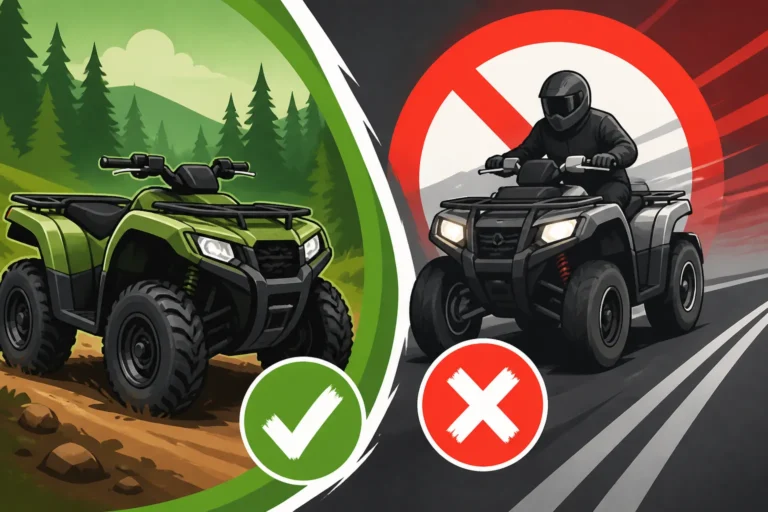
It's incredibly frustrating when you're itching to ride your ATV or UTV and you feel like there are no good, legal places to go. Sometimes, the flat, seemingly unused stretch of a railroad bed can look like an open invitation, but in Georgia, this is almost always a bad and illegal idea. This guide will walk you through why riding railroad beds is extremely risky, the legal repercussions you could face, and point you toward the many legitimate and safer alternatives available for off-road enthusiasts in our state.
Understanding Railroad Property and Georgia Law
When you see those tracks running through the Georgia landscape, it’s easy to think of them as just another part of the scenery, perhaps an old, unused path. But the reality is far from it. Railroad beds, active or seemingly abandoned, are private property and are subject to stringent laws and serious dangers that riders often overlook. Understanding what constitutes railroad property and the legal framework around it in Georgia is your first step to staying safe and out of trouble.
What Constitutes Railroad Property?
It's not just the shiny metal rails that are railroad property. The "railroad bed" encompasses a much wider area than most people realize. This includes the tracks themselves, the gravel (known as ballast) that supports them, the wooden or concrete ties, and a significant strip of land on either side, known as the right-of-way. This right-of-way can extend many feet, sometimes even hundreds, from the center of the tracks, varying based on the specific easement or ownership deeds. It’s essentially a private corridor owned and maintained by the railroad company, whether it’s a massive freight carrier or a smaller, regional line.
You might encounter sections where the tracks look rusted or overgrown, leading to the assumption that they're no longer in use. However, appearances can be deceiving. Many lines are used intermittently for freight, maintenance, or storage, and what looks abandoned today could have a train or maintenance equipment on it tomorrow. Railroad companies vigorously protect their property, and for good reason: safety, liability, and the integrity of their operations depend on it. This land is not public domain, nor is it an open recreational path for ATVs or UTVs.
Georgia's Trespass Laws and Railroads
In Georgia, entering private property without explicit permission from the owner is considered trespassing. Railroad property falls squarely into this category, and the law takes it very seriously. There's no gray area here; if you're on a railroad bed, right-of-way, or any adjacent land owned by the railway company without their express consent, you are trespassing. It doesn't matter if there are no "No Trespassing" signs posted every fifty feet; the expectation is that you understand the nature of railroad property. For a more general understanding of related rules, check out our guide on [Georgia Trespass Law for ATV Riders].
Law enforcement, including local sheriff's departments and specialized railroad police, are well aware of the legal status of these lands. They have the authority to enforce trespass laws, and they often do, especially in areas where recreational riding has become a nuisance or a danger. A quick ride across the tracks might seem harmless, but legally, it's the same as driving your machine deep into their property. The intent to trespass isn't a requirement; merely being there without permission is enough to constitute a violation.
The consequences of trespassing on railroad property can range from significant fines to having your vehicle impounded, and in more severe or repeated cases, even criminal charges. It’s important to remember that these aren't just minor infractions; they can carry long-term repercussions. Imagine trying to explain to a future employer or licensing board why you have a criminal trespassing charge. It’s a gamble that simply isn't worth taking when there are so many legal avenues to enjoy your machine responsibly.
The Dangers Beyond Legalities
Beyond the legal ramifications, railroad beds present a myriad of immediate physical dangers to ATV and UTV riders. The most obvious, of course, is an active train. Trains are faster, quieter, and closer than most people realize until it's too late. They cannot stop quickly, and they cannot swerve. Even if you hear a horn, it might be too late to get your machine off the tracks or out of the way, especially if you're navigating rough terrain or have limited visibility.
The terrain itself on a railroad bed is incredibly hazardous for off-road vehicles. The ballast, while designed to support massive train weight, is a nightmare for tires and suspension. It’s composed of sharp, loose rocks that can easily puncture tires, bend rims, or damage critical undercarriage components. Hidden hazards like broken ties, old spikes, discarded equipment, and unstable ground can cause rollovers or severe accidents. These areas are also often remote, meaning if you have an accident, getting emergency services to you can be a significant challenge, especially if cell service is spotty or nonexistent. The risk of serious injury, or worse, is astronomically high.
Why Riding Railroad Beds is a Serious Risk
Let's be brutally honest: deciding to ride your ATV or UTV on a railroad bed is choosing to put yourself, your machine, and your finances at significant risk. This isn't just about bending a rule; it's about potentially facing severe legal consequences, endangering your life, and contributing to a negative image for the entire off-roading community. Understanding these risks thoroughly should be enough to steer any responsible rider away from these forbidden zones.
Legal Consequences You Face
The legal repercussions for riding on railroad property in Georgia are not trivial. First and foremost, you're looking at trespassing charges, which can result in hefty fines. Depending on the specific circumstances, such as whether it's your first offense or if you caused any damage, these fines can escalate quickly. It's not uncommon for local law enforcement or railroad police to issue citations that can run into the hundreds of dollars, and that's just the initial penalty. For details on potential costs, you might want to review [Georgia Ticket Cost for Illegal Road Riding].
Beyond fines, there's a very real possibility of your ATV or UTV being impounded. This means your machine will be towed away and stored at a local impound lot, incurring towing and storage fees that you will be responsible for. These costs can quickly add up, often exceeding the initial fines. Reclaiming your vehicle can be a bureaucratic nightmare, requiring proof of ownership, payment of all outstanding fees, and possibly a court appearance. We have more information on what to expect if your machine is taken in [Georgia Impound Rules After a Violation]. In some cases, especially if you resist arrest or are involved in an accident on railroad property, you could even face more serious criminal charges beyond simple trespassing, which can lead to a permanent mark on your record.
Personal Safety and Machine Damage
Your personal safety is paramount, and riding on railroad beds presents an unacceptable level of danger. As we mentioned, trains are a constant, silent threat. Collisions with trains are almost always fatal for the occupant of the ATV or UTV and can cause catastrophic derailments for the train. Even if you avoid a train, the terrain itself is hostile to off-road vehicles. The large, sharp, and uneven ballast rocks are notorious for causing blowouts, severely damaging tires, and bending or cracking expensive rims. Imagine hitting a hidden spike or a rotten tie at speed; the impact could easily cause you to lose control, leading to a rollover or being thrown from your machine.
The stress placed on your machine's suspension, frame, and drivetrain by the unforgiving railroad ballast can lead to premature wear and tear, or even immediate catastrophic failure. You might snap an axle, bend a tie rod, or crack a frame component. These aren't cheap fixes. While robust parts from companies like SuperATV can enhance your machine's durability and performance on designated off-road trails, no aftermarket component is designed to withstand the unique, high-impact hazards of illegal riding on a railroad bed. These components are meant to improve your experience in legitimate, challenging off-road environments, not to negate the inherent dangers of trespassing. Trying to navigate such unforgiving surfaces can turn a fun ride into an expensive repair bill and a significant personal injury.
Environmental Impact and Public Perception
Riding illegally on railroad beds, like any unauthorized off-road activity, has a negative impact on the environment and, perhaps more importantly for the community, on the public perception of all ATV and UTV riders. When machines cut new trails, disturb fragile ecosystems, or cause erosion along railroad corridors, it creates a visible scar on the landscape. This kind of irresponsible behavior fuels the narrative that off-road enthusiasts are careless and disrespectful of property and nature.
This negative perception can have real-world consequences. It can lead to increased restrictions on legal riding areas, stricter enforcement, and greater public resistance to new trail development. Every time a rider is caught trespassing on railroad property, it undermines the efforts of responsible riders and organizations who work hard to promote legal, ethical, and sustainable off-roading. Our community thrives when we adhere to rules and respect land ownership. Choosing to ignore these boundaries reflects poorly on everyone who enjoys the sport.
Safe and Legal Alternatives for Georgia Riders
The good news is that Georgia offers a wealth of legal and exciting opportunities to ride your ATV or UTV without resorting to dangerous and illegal railroad beds. By choosing designated trails, understanding limited road access, and securing proper permission for private land, you can enjoy your machine safely, legally, and without the stress of potential fines or injuries.
Embracing Designated OHV Trails and Parks
The absolute best way to enjoy your ATV or UTV in Georgia is by utilizing the state's numerous designated Off-Highway Vehicle (OHV) trail systems and private riding parks. These locations are specifically designed, maintained, and often managed by the U.S. Forest Service or private operators for safe off-road recreation. They offer a variety of terrain, from beginner-friendly paths to challenging expert trails, ensuring there's something for every skill level. For a comprehensive overview, start with [Georgia ATV Trails: Where You Can Legally Ride] and explore specific systems like [Georgia's Six National Forest OHV Systems].
For example, places like Houston Valley OHV Trails in North Georgia or the vast expanse of [Iron Mountain Resort: Georgia's Biggest Private Park] offer miles upon miles of legitimate, thrilling riding. These parks and trails usually require a small permit fee or entrance charge, which goes directly back into maintaining the trails, ensuring safety, and providing facilities like parking, restrooms, and sometimes even camping. When riding these trails, you'll see many riders who've enhanced their machines with durable components. Aftermarket parts from companies like SuperATV, such as heavy-duty axles, lift kits, or specialized tires, are fantastic for improving your UTV or ATV's performance and comfort on these challenging, yet legal, trails. They’re built to tackle the mud, rocks, and uneven terrain found in these parks, allowing you to maximize your experience without fear of legal repercussions.
Understanding Georgia's MPOHV Road Access Rules
While railroad beds are definitively off-limits, Georgia does have specific, albeit limited, provisions for operating certain types of Multi-Purpose Off-Highway Vehicles (MPOHVs) on county roads. It’s crucial to understand that these rules are very strict and do not apply to all ATVs or UTVs, nor do they grant unlimited access. Generally, these rules are for machines that meet specific criteria, such as having a steering wheel (not handlebars), seat belts, and falling within certain weight and width limits. These regulations also typically restrict travel to county roads and explicitly prohibit riding on state highways or interstates. For a deeper dive into these complex rules, you can refer to [Georgia MPOHV Road Rules: County Roads Only] or [Are Side-by-Sides Street Legal in Georgia?].
It's vital to stress that railroad beds are not considered part of the county road system. Even if your MPOHV is properly registered and insured for road use, this permission does not extend to private railroad property. Attempting to use a railroad bed as a shortcut or an alternative route, even if you are street-legal on county roads, will still result in trespassing charges and all the associated risks. Always know precisely where you are riding and what kind of road or path you are on to avoid any legal missteps.
Private Land Riding with Permission
Another excellent and perfectly legal option for enjoying your off-road machine is riding on private land, provided you have explicit permission from the landowner. This could be your own property, a friend's farm, or land belonging to a hunting club or timber company where you have a lease or a written agreement. The key here is "explicit permission." Verbal permission is a start, but written permission is always best, especially if you're riding on someone else's property regularly. This helps avoid any misunderstandings and protects both you and the landowner. More on this topic can be found in [Can a Georgia Landowner Order Riders Off Their Land?].
When seeking permission, always be respectful, offer to help with chores or land maintenance, and make sure you understand any specific rules the landowner has for riding. Tread lightly, stay on designated paths, and leave no trace. This responsible approach helps foster good relationships with landowners and can open up more opportunities for safe and legal riding. Many landowners appreciate responsible riders who can help manage their property, clear brush, or assist with other tasks, making it a win-win situation for everyone involved.
Here's a quick comparison of riding locations in Georgia:
| Feature | Railroad Bed (Illegal) | Designated OHV Park/Trail (Legal) | Private Land (With Permission) |
|---|---|---|---|
| Legality | Illegal (Trespassing) | Legal (Permit/Fee often required) | Legal (Written permission) |
| Safety | Extremely Dangerous | Managed Risks, Safety Rules | Varies (Owner's discretion) |
| Terrain | Unpredictable, hazardous | Varied, Maintained, Marked | Varies (Owner's land type) |
| Penalties | Fines, Impoundment, Charges | None (if rules followed) | None (if permission clear) |
| Emergency Access | Very Poor | Good (Often marked/monitored) | Varies |
| Community Impact | Negative Perception | Positive, Shared Experience | Private, Respectful |
Ultimately, while the temptation to explore new ground can be strong, the risks associated with riding on railroad beds in Georgia are simply too high. Between the legal consequences, the extreme physical dangers, and the negative impact on the off-roading community, it's a path best avoided. Instead, embrace the fantastic opportunities available on designated trails, understand the limited road-use rules for MPOHVs, and always secure proper permission for private land. Happy and safe riding out there!
Disclaimer
This article is for general informational purposes only and does not constitute professional advice. Laws, prices and regulations vary by location and change over time. Consult a qualified professional for guidance on your specific situation.