Undisclosed Liens on a Branded Certificate
It's an absolutely crushing feeling to finally find that perfect side-by-side or ATV, hand over your hard-earned cash, and then later discover it's encumbered by an undisclosed lien. In Georgia, where many off-road vehicles don't have traditional titles but instead use a unique certificate of registration system, this situation can feel like a tangled mess. This guide will walk you through what a branded certificate means, the hidden dangers of undisclosed liens, and how you can protect yourself or navigate the complicated aftermath if you find yourself in this frustrating predicament.
Understanding Georgia's Branded Certificate of Registration
When you're dealing with Most-Properly Off-Highway Vehicles (MPOHVs) in Georgia – think many side-by-sides and certain ATVs – you quickly learn that the rules are a bit different from your everyday car or truck. These machines generally don't get a traditional title like a road-going vehicle. Instead, if they meet specific criteria and you choose to register them for limited county road access, they receive a [Georgia MPOHV Registration Explained] and sometimes, a [Georgia Branded Certificates of Registration]. This system can be a bit confusing, especially when it comes to ownership and potential claims against the vehicle.
The Purpose of Branded Certificates in Georgia
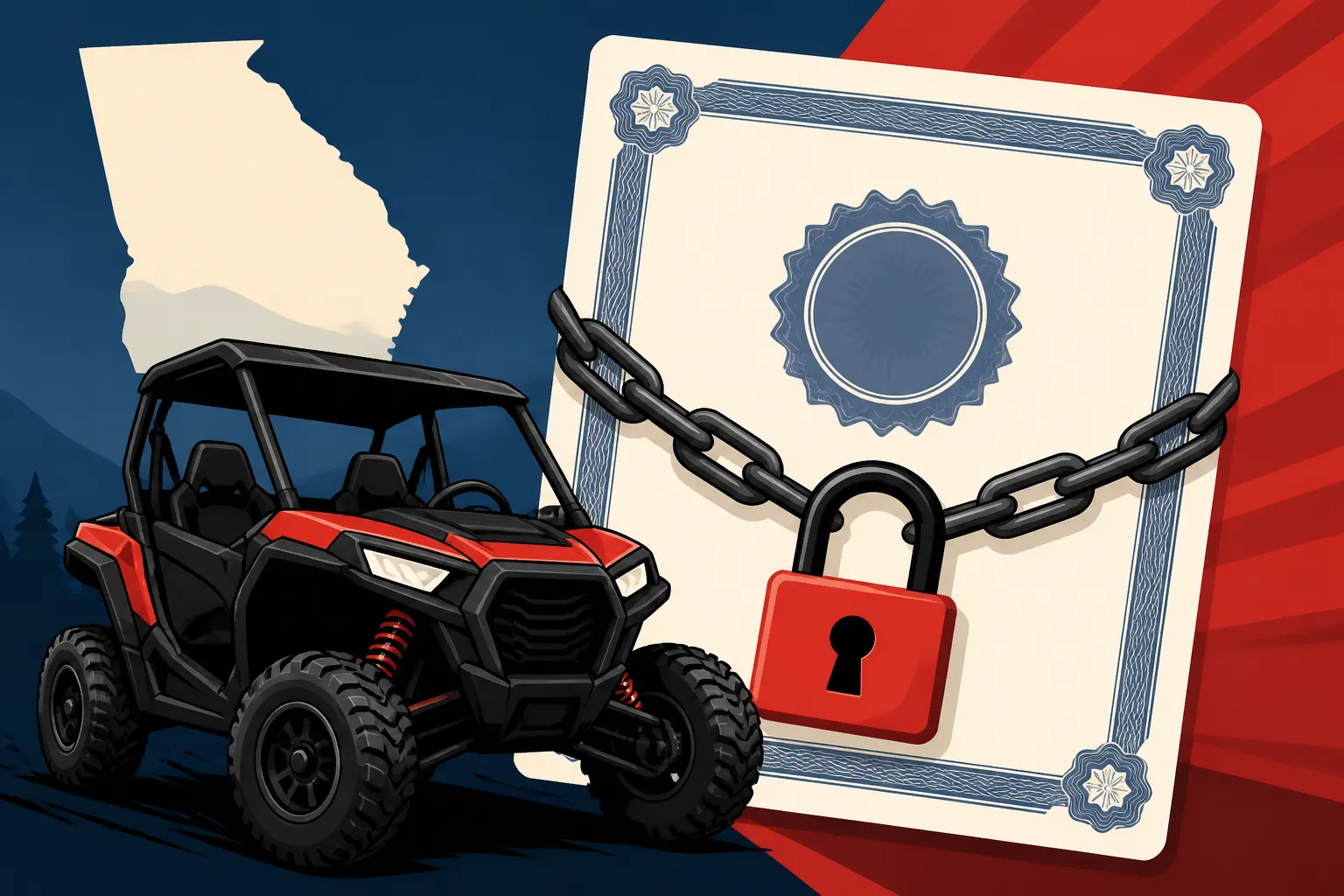
A branded certificate of registration isn't something to take lightly; it's essentially a red flag, a warning beacon issued by the state. It tells anyone looking at the document that there's a significant history with this particular machine that might affect its value, safety, or legal status. The state doesn't just slap a "brand" on a certificate for fun; it's a critical consumer protection measure. It ensures that when a machine has been through something major – like being rebuilt after a serious crash, recovering from theft, or suffering flood damage – future buyers are aware of that history. This transparency is meant to prevent unsuspecting individuals from buying a machine that has hidden issues or a compromised past.
For example, imagine a side-by-side that was involved in a severe rollover accident, declared a total loss by an insurance company, and then purchased by someone who repaired it. If that machine is subsequently registered in Georgia, it would likely receive a "rebuilt" or "salvage" brand on its certificate. Without this branding, a new buyer might assume the machine has a clean history, pay a premium price, and later discover that its structural integrity or electrical system is compromised. The branded certificate, therefore, acts as a crucial piece of information, nudging you to ask more questions and perform deeper due diligence before committing to a purchase. It's an important signal in a state where the absence of a traditional title means you need other ways to track a machine's history.
Common Reasons for a Branded Designation
There are several reasons why an MPOHV's certificate of registration might carry a brand, each indicating a specific past event that could impact the machine. One of the most common is a "salvage" brand, which means an insurance company has deemed the machine a total loss due to extensive damage from an accident, fire, or flood. After a salvage designation, if the machine is repaired and passes inspection, it might then receive a "rebuilt" brand. This signifies that it was once salvage and has since been restored to an operable condition, though it still carries the history of its prior severe damage. [What a Branded Registration Warns You About] can elaborate on these warnings.
Other brands you might encounter include "flood damage," indicating that the machine was submerged in water to an extent that could cause long-term electrical or mechanical issues, even if it appears clean on the surface. "Recovered theft" is another brand, applied when a stolen machine is recovered and its original owner has already been compensated by insurance, or if there's a gap in its ownership chain. Each of these brands tells a story, and none of them are stories you want to ignore as a prospective buyer. They are indicators that the machine might have latent problems, reduced resale value, or a complex ownership history that needs careful investigation before you proceed with any transaction.
Understanding Liens and Their Impact on Off-Road Vehicles in Georgia
The concept of a lien can be a bit murky, especially when you're dealing with vehicles like MPOHVs that don't always follow the same titling rules as cars. Simply put, a lien is a legal claim against an asset – in this case, your off-road machine – typically used as collateral for a debt. If that debt isn't paid, the lienholder has the right to seize and sell the asset to recover what they're owed. The critical issue with MPOHVs in Georgia is that because they don't have traditional titles, identifying existing liens requires a different approach, and it can be alarmingly easy for an undisclosed lien to go unnoticed until it's too late.
Types of Liens You Might Encounter
When it comes to off-road vehicles, you might encounter several types of liens. The most common is a purchase-money lien, which is created when someone takes out a loan to buy the machine. Even without a formal title, a lender can perfect a security interest in the machine through a financing statement filed with the Georgia Uniform Commercial Code (UCC) office. This means they have a legal claim on the machine until the loan is paid off. So, if you're buying a side-by-side from someone who still owes money on it, that lender still has rights.
Beyond purchase-money liens, there are other, less obvious liens. A "mechanic's lien" can be placed on a machine if the owner fails to pay for repairs performed by a shop. The shop can hold the machine or place a lien on it until the bill is settled. Similarly, a "storage lien" can arise if a machine is stored at a facility and the owner doesn't pay the storage fees. There are also "judgment liens," which can be placed on a debtor's property, including their MPOHV, if a court has awarded a judgment against them and they haven't paid. These less common liens can be particularly tricky because they might not be as readily apparent through a simple VIN check alone, especially without a title history to search.
The Risk of Buying Without a Title in Georgia
In Georgia, the fact that many MPOHVs don't have titles creates a unique set of risks for buyers. For titled vehicles, a lienholder's interest is usually noted directly on the title itself, making it relatively straightforward to see if a vehicle has a lien against it. For MPOHVs, however, there's no central title database to check. This means that a lien, even a legitimate one, might not be immediately obvious. [Why Georgia Does Not Title an ATV] explains more about this unique situation. You could buy a machine, only to have a lienholder come knocking later, claiming their right to the machine because the previous owner defaulted on a debt. This puts you, the innocent buyer, in a terrible position, potentially losing both the machine and the money you paid for it.
The absence of a title also complicates proving ownership. While a bill of sale is crucial, without a title, it's harder to establish a clear chain of ownership, which can make it easier for a seller to conceal a lien or for a stolen machine to slip through the cracks. [Proving You Own an ATV in Georgia Without a Title] dives deeper into how you can establish ownership. This is why due diligence is paramount. You can't just rely on a clean title to confirm everything. Instead, you have to be extra vigilant, perform more extensive checks, and ensure you have solid documentation like a detailed bill of sale and an [Georgia Ownership Affidavit for an MPOHV] to protect yourself.
How to Identify and Protect Yourself from Undisclosed Liens
Buying a used MPOHV in Georgia, especially one with a branded certificate, means you need to be more cautious than usual. The risk of inheriting an undisclosed lien is real, and it can turn your exciting new purchase into a financial nightmare. However, with the right approach and a commitment to thorough due diligence, you can significantly reduce your exposure to these hidden dangers. It's all about asking the right questions, looking at the right places, and getting everything in writing.
Due Diligence Before You Buy
Your best defense against an undisclosed lien is a robust offense in the form of careful research and verification. Start by asking the seller for as much information as possible about the machine's history. Don't be shy; inquire about its previous owners, maintenance records, and any accidents or repairs it may have undergone. If the machine has a branded certificate of registration, delve into the specifics of why it was branded. Was it a salvage? Rebuilt? Flood damaged? A reputable seller should be able to provide clear answers and supporting documentation. If they hesitate or become evasive, consider that a major red flag.
Next, get the Vehicle Identification Number (VIN) and run a comprehensive history check. While MPOHVs don't have traditional titles in Georgia, many national databases (like those used for cars) can still provide valuable insights, especially if the machine was titled in another state before coming to Georgia, or if it was involved in an insurance claim. This check might reveal accident history, odometer discrepancies, or even reported theft. Beyond the VIN, you need to conduct a UCC (Uniform Commercial Code) lien search. This is crucial because, as mentioned earlier, many lenders perfect their security interest in MPOHVs by filing a UCC-1 financing statement with the Georgia Secretary of State's office. This search can tell you if a lender currently holds a claim on the machine. This step is often overlooked by casual buyers but is absolutely vital for untitled machines.
Essential Documents to Request from a Seller
When purchasing an MPOHV, especially from a private seller, having the right paperwork is your shield against future headaches. First and foremost, you need a detailed and accurate bill of sale. This isn't just a scribble on a napkin; it should clearly identify both the buyer and seller, the machine (including VIN, make, model, and year), the purchase price, and the date of sale. It should also include a statement from the seller confirming that the machine is free and clear of all liens and encumbrances. For those seeking to draft a formal bill of sale that meets legal standards, resources like LawDepot can provide templates that ensure all necessary information is included, giving you a stronger legal footing.
Beyond the bill of sale, request any and all past registration documents, maintenance records, and repair invoices. If the machine has a branded certificate, ask for the paperwork related to that branding – for instance, documentation from the inspection that allowed a salvage vehicle to become rebuilt. The more historical paperwork you can gather, the clearer the picture you'll have of the machine's true condition and ownership history. If the seller can't or won't provide these documents, it should raise a serious question about the transparency of the transaction. Remember, a lack of transparency often signals potential problems down the road.
Using Resources for Lien Checks and Paperwork
To effectively protect yourself, you need to leverage available resources for thorough checks. As mentioned, a UCC lien search through the Georgia Secretary of State's office is non-negotiable for MPOHVs. This search should be performed using the seller's name and the VIN of the machine. It will reveal any active financing statements filed against the seller that could involve the vehicle. Another important step is to check national stolen vehicle databases. Even if a machine was never titled, it might have been reported stolen. [Stolen Machine Databases and the Check] can give you more specific guidance on this.
Additionally, for critical documents like the bill of sale or an affidavit of ownership, don't just rely on generic templates you find online. While informal agreements can be made, having professionally structured documents can save you immense trouble later. Platforms like LawDepot offer user-friendly tools to generate legally sound documents, customized to your specific needs. These tools can guide you in creating a comprehensive [Bills of Sale That Hold Up at a Tag Office] or an [Georgia Ownership Affidavit for an MPOHV], which can be invaluable when establishing your undisputed ownership, especially if you later encounter a lien claim or need to register the machine at the [Georgia County Tag Office Steps for an MPOHV]. Taking these extra steps upfront might seem like a lot of work, but it's a small price to pay for peace of mind and protection from potentially significant financial loss.
Navigating the Process After Discovering an Undisclosed Lien
You've done your due diligence, bought the machine, and then, a cold dread settles in: you've discovered an undisclosed lien. Maybe a lender contacted you, or perhaps you tried to register it and the tag office flagged an issue. This is undeniably a stressful situation, but it's not hopeless. Your next steps are crucial and will largely determine the outcome. It's important to act calmly, gather information, and understand your rights and options.
Initial Steps After Discovery
The very first thing you need to do is confirm the lien's legitimacy and gather all available details. Contact the lienholder directly – whether it's a bank, a repair shop, or an individual – and request official documentation proving their claim. Ask for the original loan agreement, service invoice, or judgment paperwork that established the lien. This will help you understand the specifics of the debt, who owes it, and when it was created. It's also important to verify that the lien is specifically tied to your machine by matching VINs. Sometimes, errors happen, and the lien might be for a different piece of property or a different vehicle altogether.
Once you've confirmed the lien, immediately contact the seller. This conversation can be difficult, but it's essential. Present them with the evidence of the lien and explain the situation. They might have an explanation or perhaps even be willing to resolve it. Document all communication, including dates, times, and summaries of conversations. This paper trail will be invaluable if you need to escalate the issue later. It’s a gut-punch when you realize you might have been taken advantage of, but maintaining a clear head and meticulously documenting everything will serve you best.
Negotiating with a Lienholder
If the lien is legitimate and the seller is unwilling or unable to resolve it, your next step might involve negotiating with the lienholder. Their primary goal is to recover the debt. You might explain your situation as an innocent purchaser and see if they are willing to work with you. Sometimes, a lienholder might be willing to settle for a reduced amount, especially if pursuing the original debtor is proving difficult. However, remember that you are not legally obligated to pay someone else's debt unless you agreed to do so. Your position is that you are an innocent third party who purchased the machine without knowledge of the lien.
In some cases, the lienholder might propose that you pay off the lien, and then you can pursue the original seller for reimbursement. If you consider this option, ensure you get a full release of the lien in writing once it's paid. You might even consider having a lawyer review any proposed agreement to ensure your rights are protected. Remember, any payment you make to clear the lien is money that the original seller should have paid, so be prepared to pursue them for that amount.
Seeking Legal Counsel
If you find yourself with an undisclosed lien and the seller is unresponsive or uncooperative, it's definitely time to seek legal counsel. A qualified attorney specializing in consumer law or property disputes can evaluate your specific situation, explain your legal rights, and help you determine the best course of action. This might involve sending a formal demand letter to the seller, initiating legal proceedings to recover your money, or even exploring options to have the lien removed if it was improperly placed or disclosed.
An attorney can help you understand the nuances of Georgia law regarding sales without clear title and buyer protection. They can also represent you in negotiations with the lienholder or seller, potentially leading to a quicker and more favorable resolution. While hiring an attorney involves costs, the potential financial loss from an undisclosed lien on a significant purchase like an MPOHV can far outweigh those initial legal fees. Sometimes, simply having an attorney send a letter is enough to prompt the original seller into action.
Legal Considerations and Resources for Georgia MPOHV Owners
Navigating the legal landscape of MPOHV ownership, especially with the complications of branded certificates and potential liens, requires a clear understanding of Georgia's specific regulations. Because these machines often fall into a unique category, separate from traditional motor vehicles, the laws governing them can sometimes feel a little ambiguous. Knowing your rights and the resources available can make a significant difference in protecting your investment and resolving disputes.
Georgia Laws Protecting Buyers
While Georgia's MPOHV registration system is voluntary and does not involve traditional titles, the state does have consumer protection laws that can come into play when dealing with undisclosed liens or fraudulent sales. The Georgia Uniform Commercial Code (UCC), specifically Article 2 (Sales) and Article 9 (Secured Transactions), governs the sale of goods and how security interests (liens) are created and enforced. Even without a title, a buyer is generally protected against claims that were not disclosed if they purchased the item in good faith and without knowledge of the lien. However, proving "good faith" and "no knowledge" can be challenging, which underscores the importance of all the due diligence steps mentioned earlier.
Furthermore, Georgia's Fair Business Practices Act (FBPA) protects consumers from deceptive or unfair acts or practices in the marketplace. If a seller knowingly concealed a lien or misrepresented the machine's condition, they could be in violation of the FBPA, potentially allowing you to seek damages. These protections are vital, but they often require proactive steps on your part to demonstrate that you were an unwitting victim and that the seller acted improperly. [Buying a Used Side-by-Side in Georgia] further highlights the importance of these protections.
Formalizing Agreements for Peace of Mind
One of the best ways to protect yourself, whether you're buying or selling, is to formalize all agreements with legally sound documents. For instance, if you're buying a machine that has a known lien that the seller promises to pay off after the sale, you need a written agreement detailing this arrangement, including deadlines and consequences for non-compliance. Don't rely on verbal promises; they're incredibly difficult to enforce. For creating these kinds of detailed and customized legal documents, online services can be incredibly helpful.
As discussed before, platforms like LawDepot can be invaluable for generating comprehensive bills of sale, promissory notes, or even specific affidavits. These tools guide you through the process, ensuring all necessary legal clauses are included, which provides a layer of protection that a handwritten note simply cannot. For example, if you're making payments for a machine or paying off a lien on behalf of the seller, having a formal payment agreement drafted through a service like LawDepot clearly defines the terms, responsibilities, and repercussions, giving you a strong legal basis should anything go awry. It's about taking control of the transaction and ensuring every expectation is clearly documented for both parties.
Reporting Fraud and Where to Get Help
If you suspect you've been a victim of fraud – meaning the seller knowingly misrepresented the machine or intentionally concealed a lien – you have avenues for recourse. First, you can file a complaint with the Georgia Attorney General's Consumer Protection Division. They investigate complaints of unfair and deceptive business practices and can sometimes mediate disputes or initiate enforcement actions against fraudulent sellers. While they may not recover your money directly, they can certainly hold bad actors accountable.
Additionally, if the amount of money involved is substantial, or if you believe a crime has been committed, you should consider reporting the incident to your local law enforcement agency. While they may primarily focus on criminal charges, a police report can also serve as valuable documentation for any civil legal action you pursue. Remember, an undisclosed lien, especially if intentionally hidden, can sometimes cross the line into fraud. Having documentation from the state's consumer protection office or a police report strengthens your case significantly, providing external validation of your claims against a dishonest seller.
| Lien Type | Description | Common on MPOHVs? | How to Discover (Georgia) | Buyer Risk (if undisclosed) |
|---|---|---|---|---|
| Purchase Money | Debt from a loan used to buy the machine. | Yes | UCC Lien Search (GA Sec. of State) | Lender can repossess machine. |
| Mechanic's Lien | Debt for unpaid repairs on the machine. | Yes | Direct inquiry to seller/repair shops; check for active litigation | Repair shop can claim machine or pursue payment. |
| Storage Lien | Debt for unpaid storage fees for the machine. | Yes | Direct inquiry to seller/storage facilities | Storage facility can claim machine or pursue payment. |
| Judgment Lien | Claim against owner's property from an unpaid court judgment. | Less Common | Public records search for seller's judgments; UCC search (sometimes) | Machine could be seized to satisfy debt. |
| Tax Lien | Claim for unpaid taxes (e.g., property tax, business tax). | Rare | Public records search for seller's tax liens | Taxing authority can seize machine. |
Disclaimer
This article is for general informational purposes only and does not constitute professional advice. Laws, prices and regulations vary by location and change over time. Consult a qualified professional for guidance on your specific situation.