Registering a Second Machine in Georgia
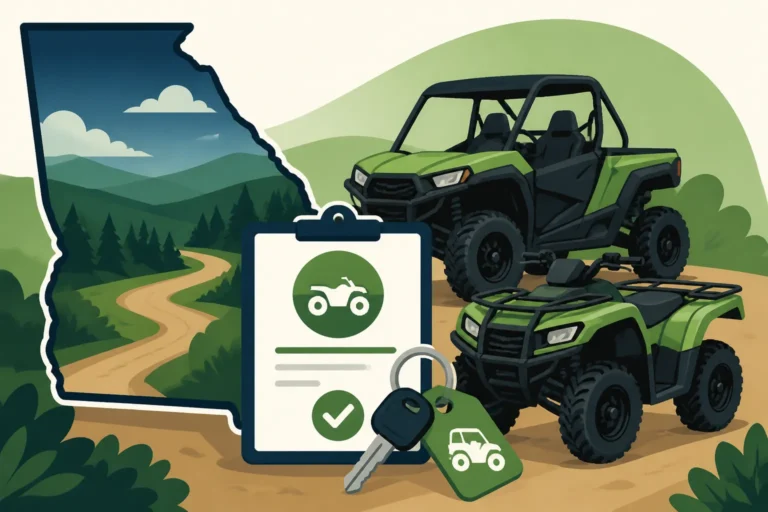
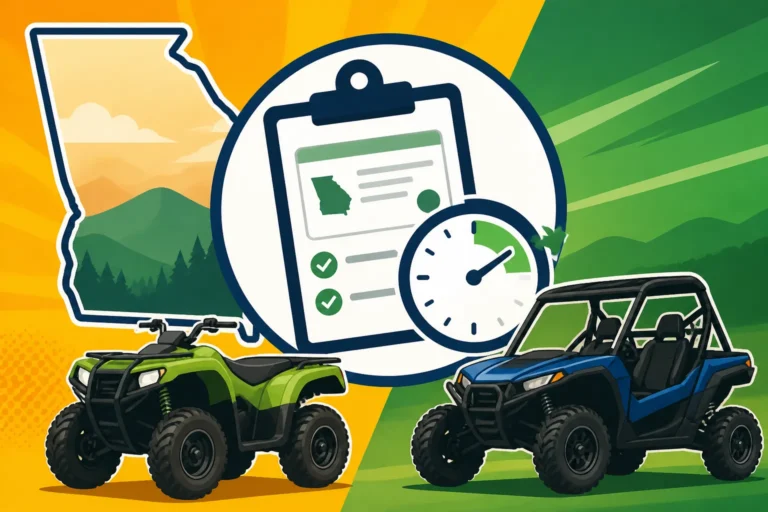
It's incredibly exciting to add another off-road machine to your garage, whether it's an upgrade, a specialized rig for hunting, or a recreational side-by-side for the whole family. But once the initial thrill wears off, a common question pops up for Georgia riders: "Now that I've already registered one, what's the deal with registering a second machine?" You might hope it's a simple, streamlined process, a mere formality after going through it once. Unfortunately, each machine has its own distinct journey through the Georgia MPOHV registration system, and understanding this from the outset can save you a lot of frustration down the line. This guide will walk you through what to expect when you're looking to get plates for your newest acquisition, ensuring you're ready for adventures on those eligible county roads.
Understanding Why Each Machine Needs Its Own Registration Journey
You've already been through the paces, stood in line at the tag office, and perhaps even navigated the sometimes-tricky [Georgia MPOHV Eligibility: The Eight-Point Test]. It's natural to think that having successfully registered one machine might make the second one a breeze, or even that your existing registration somehow "covers" another vehicle. This isn't quite how it works in Georgia, and understanding why each machine demands its own process is the first step to a smooth experience.
The Unique Identity of Every Off-Road Vehicle
Think of it like registering a second car – even if you own ten cars, each one needs its own unique plate, its own registration, and its own proof of insurance. Off-road vehicles in Georgia, specifically those eligible for the MPOHV designation, are no different. Each machine, whether it's a rugged utility vehicle or a sporty side-by-side, possesses its own Vehicle Identification Number (VIN). This VIN is the machine's individual fingerprint, distinguishing it from every other vehicle out there.
When you go to register your new UTV or side-by-side, the county tag office isn't just checking to see if you are eligible; they're meticulously verifying if that specific machine meets all the criteria. This means they will carefully review the VIN, check its specifications against the eight-point test, and ensure all the required documentation pertains directly to that new machine. This includes things like its physical dimensions, its top speed, and whether it has all the necessary safety features. It's a completely fresh evaluation, designed to ensure that only eligible vehicles receive a plate.
Common Misconceptions About Multi-Machine Ownership
One common misconception is that if you already have a [Georgia Plates for Off-Highway Vehicles] on one machine, renewing or obtaining a new plate for another will be a simple "add-on" to your existing account. While your personal information will likely be on file, the process for the machine itself remains distinct. Another mistaken belief might be that your existing insurance policy automatically extends to cover a new machine. While some policies might offer a grace period for new purchases, it's crucial to confirm and update your coverage to reflect every machine you own. [Georgia Liability Insurance Tied to Registration] is a non-negotiable requirement for each registered MPOHV, meaning a separate policy or an updated multi-vehicle policy specifically listing both machines is essential.
It's also worth noting that if you previously owned an ATV that wasn't eligible, such as one with handlebars or a straddle seat, and you're now acquiring a side-by-side that is eligible, the experience might feel entirely new. Each registration is treated independently because each machine has to stand on its own merits when it comes to meeting Georgia's specific definition of an MPOHV.
Step-by-Step: Registering Your Newest Off-Road Companion
Even though you've been through it before, getting your second machine registered in Georgia still requires diligence. The core steps remain the same as when you registered your first eligible off-road vehicle. This section will break down the crucial documents and the process at the county tag office, reminding you what to prepare to make it as smooth as possible.
Gathering the Specific Paperwork for Your Second Machine
Just like the first time, paperwork is king. For your new acquisition, you'll need a fresh set of documents that specifically tie to this machine. Here's a breakdown of what you'll typically need to have in hand:
- Proof of Ownership: This is paramount. If you bought it from a dealer, you'll likely have a dealer invoice and a manufacturer's statement of origin (MSO). For a private sale, you absolutely need a clear, detailed bill of sale. This bill of sale should include the seller's and buyer's information, the machine's VIN, the sale price, and the date. Resources like LawDepot can be helpful for creating legally sound bills of sale for private transactions, ensuring all necessary details are captured. If you're missing this, you might need to explore options like a [Georgia Ownership Affidavit for an MPOHV].
- Proof of Georgia Residency: A valid Georgia driver's license or state ID is usually sufficient. This confirms you're registering in the correct county – the one where you actually live.
- Proof of Insurance: As mentioned earlier, each registered MPOHV requires its own liability insurance. Have your insurance card or declaration page ready, clearly showing coverage for the new machine. This is one of the most common hold-ups.
- Compliance with the Eight-Point Test: While you don't typically bring a checklist with you, the tag office staff will verify that your machine meets all the MPOHV criteria. Be prepared to answer questions about its width, weight, payload capacity, speed capabilities, and safety features like seatbelts and a steering wheel.
- Payment for Sales Tax: You'll need to pay sales tax on the purchase price of your new machine. This is true whether you bought it from a dealer or a private seller. The tag office will collect this tax before processing your registration. Remember, [Georgia Sales Tax Paid Before Registration] is a critical step, and the rate can vary slightly by county. This is also where the sales price listed on your bill of sale becomes important.
Navigating the County Tag Office for Another MPOHV
Once you have all your documents in order, the process for your second machine is essentially a repeat of your first. You'll head to your local [Georgia County Tag Office Steps for an MPOHV].
- Present Your Documents: Hand over your proof of ownership, Georgia ID, and insurance information. Clearly state you are there to register a new off-road machine.
- MPOHV Eligibility Check: The clerk will likely input the VIN and confirm it's an MPOHV by reviewing the necessary specifications. This is where all those points from the eight-point test come into play. They'll look for things like [Georgia Requires a Steering Wheel, Not Handlebars] and [Georgia Requires Seat Belts on a Registered Machine].
- Sales Tax Collection: If sales tax hasn't been paid (e.g., a private sale), it will be collected at this time.
- Fee Payment: You'll pay the annual registration fee for the MPOHV. Keep in mind that these fees are per machine.
- Receive Your Plate and Decal: Upon successful completion, you'll be issued a new Georgia MPOHV plate and a registration decal to apply to it. Don't forget where to put it; [Georgia Plate Placement on a Side-by-Side] has specific guidelines.
The experience might feel more familiar this time, but don't rush or assume. Each interaction is a new transaction for that specific VIN. If you've just moved to Georgia and are bringing in multiple machines, the process is similar to [Bringing an Out-of-State Machine Into Georgia], applied individually to each vehicle.
| Document Type | Required for Each Machine? | Key Information Needed | Where to Get It (Common) |
|---|---|---|---|
| Proof of Ownership | Yes | Seller/Buyer Info, VIN, Sale Price | Dealer Invoice, Bill of Sale (LawDepot templates) |
| Proof of Residency | Yes (for owner) | Valid Georgia ID/Driver's License | DDS |
| Proof of Insurance | Yes | Policy Number, Machine VIN, Coverage | Insurance Provider |
| Sales Tax Payment | Yes | Purchase Price of Machine | County Tag Office, Dealer |
| MPOHV Eligibility | Yes | Machine Specs (Width, Weight, Speed, Seat Belts, Steering Wheel, etc.) | Manufacturer's Specs, Visual Inspection |
| Photo ID | Yes (for owner) | Driver's License/State ID | DDS |
Managing Multiple Georgia MPOHV Registrations Effectively
Congratulations, you've now got two (or more!) road-legal off-road machines! But the journey doesn't end with getting the plate. Managing multiple registrations, especially when they might have different renewal dates or slight variations in their eligibility, requires a bit of organization. This proactive approach will help you avoid headaches down the line and ensure all your machines remain compliant.
Keeping Track of Renewal Dates and Insurance Policies
One of the biggest challenges for multi-machine owners is staggered renewal dates. It's rare that you'll buy both machines at the exact same time, meaning your [Georgia MPOHV Renewal Each Year] for one machine might fall in spring, while the other is due in the fall. Missing a renewal can lead to lapses in registration and, critically, a lapse in your required [Georgia Liability Insurance Tied to Registration].
Here are a few tips to stay organized:
- Create a Centralized Record: Keep a folder, either physical or digital, for each machine. Include copies of the initial registration, bill of sale, and insurance declaration page.
- Calendar Reminders: Set up digital reminders on your phone or computer well in advance of each machine's renewal month. A good rule of thumb is 60 days before, then again at 30 days.
- Consolidate Insurance: If possible, work with your insurance provider to combine all your off-road vehicles onto a single policy. This can simplify management and sometimes lead to multi-vehicle discounts. Just be sure each machine is explicitly listed with its VIN.
- Check Mailboxes: The state will typically send renewal notices to the address on file. Make sure your address is current with the DDS and the county tag office, especially if you've recently moved.
Remember that each machine's renewal fee and associated requirements will be handled independently. If you decide to sell one of your registered machines, you'll need to follow the proper procedures for [Selling a Registered MPOHV in Georgia], which often involves removing the plate and notifying the state.
Potential Differences Between Your Machines and Their Rules
It's entirely possible that your two (or more) machines aren't identical. Perhaps you have an older UTV that barely squeaked by the [Machines Built Before 2000 and Georgia Registration] rule, and a brand-new side-by-side. Or maybe one is a two-seater and the other a four-seater. These differences, while minor in everyday use, can sometimes impact how you manage their compliance.
For instance, an older machine might have specific maintenance needs or quirks that affect its roadworthiness, whereas a newer one might have advanced safety features. While the core MPOHV rules apply to all, being aware of these subtle differences is key. If you ever have questions about a specific machine's eligibility or status, you can always contact your county tag office for clarification.
Having multiple registered machines allows for more flexibility and fun on [Georgia County Road Systems and Where They Run]. You can choose the right machine for the right job or the right trail, knowing that each one is legally prepared for its journey. Just be sure to always follow [Georgia MPOHV Road Rules: County Roads Only] for whichever machine you're operating, as the rules don't change based on how many vehicles you own. And for those times you venture off the pavement, always seek out legal riding areas like [Georgia ATV Trails: Where You Can Legally Ride].
Disclaimer
This article is for general informational purposes only and does not constitute professional advice. Laws, prices and regulations vary by location and change over time. Consult a qualified professional for guidance on your specific situation.