Moving Counties Mid-Year in Georgia
Life in Georgia is always on the move, and sometimes that means a change of scenery from one county to another. If you've got a registered MPOHV – that’s your side-by-side or UTV that you legally operate on designated county roads – you might be wondering what happens to your registration when your address changes mid-year. It’s a common, valid concern, and trying to figure out the official process can feel like navigating a maze. This guide is here to walk you through exactly what you need to do to keep your off-highway vehicle registration valid and current, ensuring you stay on the right side of the rules and avoid any unnecessary headaches.
The Initial Impact of Moving Counties Mid-Year
Moving can be chaotic, filled with packing boxes, change of address forms, and endless to-do lists. The last thing you want to worry about is whether your hard-earned MPOHV registration is still valid. Fortunately, the process isn't as daunting as it might seem, but it does require your attention.
Your Registration Follows You, Initially
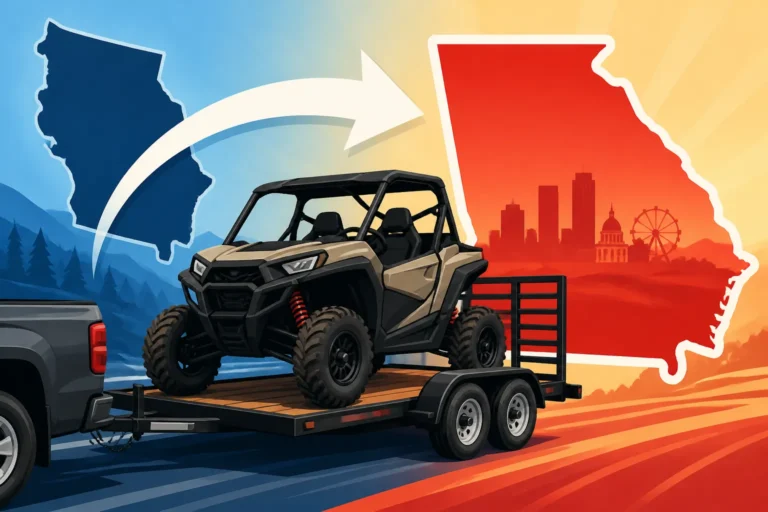
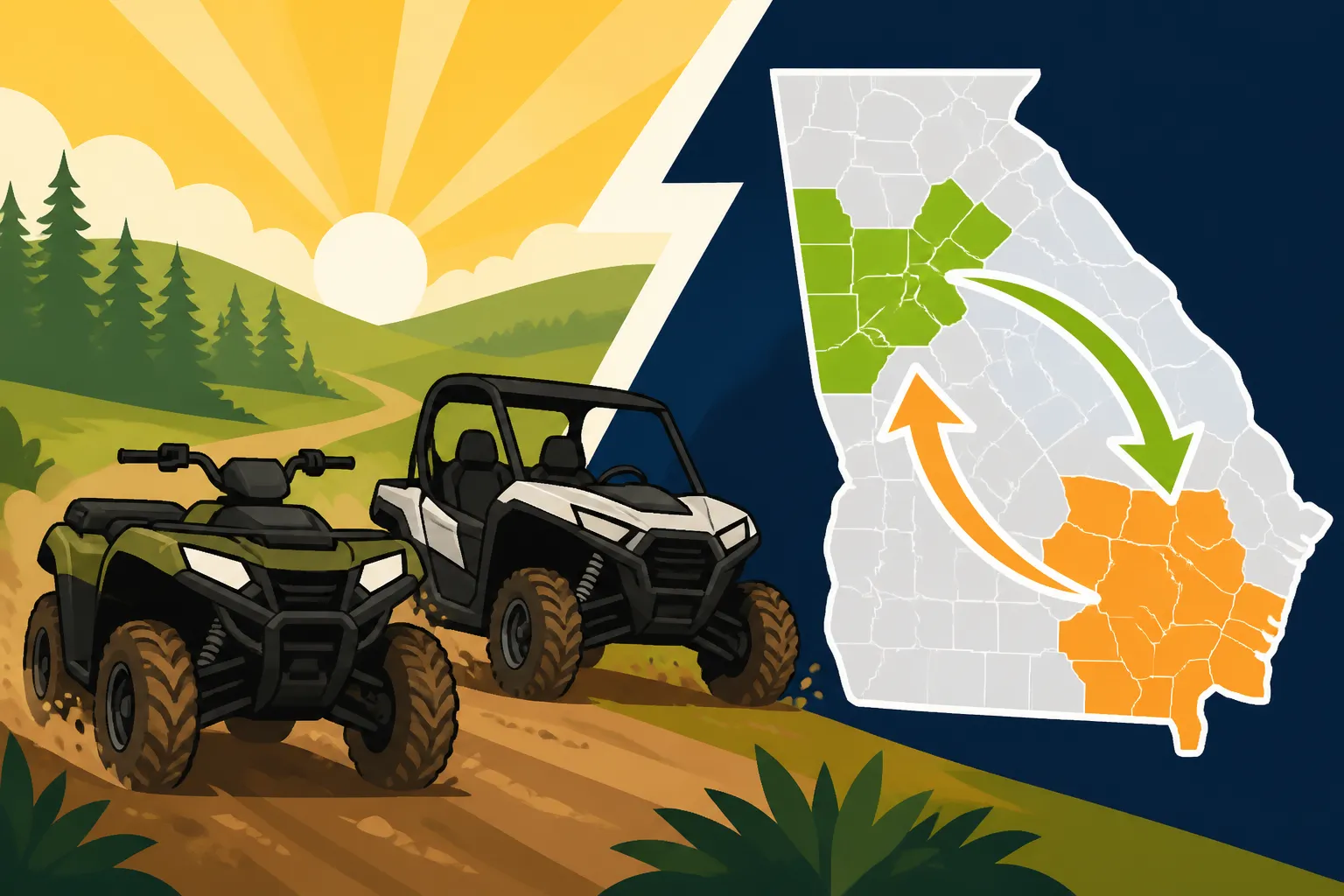
When you make a big move, say from Cherokee County to Fulton County, your existing Georgia MPOHV registration doesn't instantly become invalid the moment you cross the county line. This is often a huge relief for owners who might envision getting pulled over on their first ride in a new area. Your physical plate and the current year's decal remain affixed to your machine, and for all intents and purposes, your registration is still active in the state system until its expiration date.
Think of it much like your driver's license or vehicle tag for your car; you don't instantly need a new one the very day you move. However, just like with those, you do have a clear responsibility to update your address within a reasonable timeframe. The state system acknowledges your registration, but the local administrative details need to catch up.
It's crucial not to mistake "initially valid" for "no need to act." While you won't typically face immediate penalties, ignoring an address change can lead to significant problems down the road. These issues often surface when it comes time for your [Georgia MPOHV Renewal Each Year] or if any critical official communication needs to reach you. It's all about maintaining continuous good standing with the state and your new local authorities.
Why Updating Your Address Is Crucial
First and foremost, your official vehicle records need to reflect where you actually live. Georgia's MPOHV registration system relies on this accurate residency information for several key reasons. If you ever need to visit a tag office for any MPOHV-related issue – whether it's replacing a lost registration card, reporting the machine stolen, or simply asking a question about its status – the county tag office in your current residence is where you'll need to go. They will be the administrative hub for your machine moving forward.
One of the most pressing reasons to update your address promptly is for crucial communication. Imagine if your annual renewal notice for your MPOHV registration gets sent to your old address, and you completely miss it. That could easily lead to a lapse in registration, which can mean potential late fees or penalties. More importantly, it could leave you with an expired registration, making your machine ineligible for legal operation on county roads. This can also impact your [Georgia Liability Insurance Tied to Registration], as insurance companies typically require an active, current registration. Missing these vital notices can quickly spiral into a real headache, potentially costing you more time, money, and stress.
Beyond receiving official notices, accurate address records are vital for ensuring compliance with [Georgia MPOHV Road Rules: County Roads Only]. While the core MPOHV rules apply statewide, local enforcement often relies on current resident data for administrative purposes. Furthermore, if you ever needed to prove ownership or address any discrepancies with your MPOHV's records, having all your documentation and the state's records aligned with your current residence at the proper county office is absolutely essential for a smooth experience.
The Process of Updating Your MPOHV Registration After a Move
So, you've moved and you understand why updating your address is important. Now, let's talk about the practical steps you need to take to make that happen. It's generally a straightforward process, but being prepared makes all the difference.
Notifying Your New County Tag Office
Once you're settled into your new Georgia home, your first step regarding your MPOHV registration is to contact the tag office in your new county of residence. While it might feel a bit redundant since your plate has already been issued, this step is crucial. Your new county needs to have your information on file because they are the ones who will handle your next registration renewal and any future transactions related to your MPOHV. You can usually find the most current contact information and specific instructions for their tag office on the county's official website or by giving them a call.
The exact procedure for updating your address can sometimes vary slightly from one county to another, but generally, it involves informing them of your new residential address. They may ask you to complete a simple change of address form or update your existing registration records electronically in their local system. This process is rarely as involved as the initial [Georgia County Tag Office Steps for an MPOHV] you undertook to get your plate in the first place, but it remains a vital administrative step to ensure continuity.
Sometimes, especially during the whirlwind of a move, it can be helpful to keep your personal records meticulously organized. For instance, using a service like LawDepot to organize copies of your various address change confirmations or to create a simple personal record of the date you updated your MPOHV address can provide extra peace of mind, even if not a formal requirement for the tag office.
Required Documents for an Address Change
While changing your address for an MPOHV registration isn't usually a mountain of paperwork, you will typically need to provide concrete proof of your new residency. This commonly includes bringing a recent utility bill (like an electric or water bill), a current rental agreement or lease, a mortgage statement, or your Georgia driver's license with the updated address already reflected. The tag office needs to verify that you are indeed a resident of their jurisdiction now. To avoid any wasted trips, it's always a good idea to check their official website beforehand or call them directly to confirm exactly what forms of [Proof of Residence a Tag Office Accepts].
You should also bring your current MPOHV registration certificate with you. Even though it will likely still display your old address, it serves as crucial proof of your active registration and machine details. The tag office will use this to access your records and then update them to reflect your new address. In some instances, they might issue you a new registration card with the updated address, although your physical plate and decal typically remain the same. Always make sure to keep this updated document either with your vehicle or in a secure location at home.
What if, during the chaos of the move, you realize you've lost your original registration certificate or other important documents? Don't panic. You will need to explain this situation to the tag office. They may require you to complete an affidavit of lost documents or follow specific steps to verify your ownership and registration status. Tools like LawDepot can be useful if you need general templates for affidavits or other legal documents, which, while not directly for MPOHV registration, can help with broader organizational needs during a move.
| Aspect | Before Moving Counties | After Moving Counties |
|---|---|---|
| Registration Plate/Decal | Stays the same | Stays the same (until renewal) |
| Physical Registration Card | Valid with old address | Valid, but needs update |
| Renewal Notices | Sent to old address | Sent to new address (if updated) |
| Governing Tag Office | Old county's office | New county's office |
| Proof of Residency Needed | No (already on file) | Yes (for new county's records) |
| Overall MPOHV Status | Legally registered | Legally registered (if updated) |
What to Do If You've Lost Paperwork
Losing important documents during a move is a truly frustrating experience that many of us have encountered. When it comes to your MPOHV registration, if you can't locate your original registration card, it doesn't mean you're stuck. Most Georgia county tag offices have established procedures for situations like this. The most important first step is always to be honest and upfront about the missing paperwork when you speak with them.
You will likely be asked to provide your vehicle identification number (VIN) and any other identifying information you have readily available, such as the make, model, and year of your MPOHV. The good news is that the tag office can typically access your existing registration records through the state database, even without you physically presenting your card. They will then guide you on the specific steps to obtain a duplicate or process the address change based on the information they can verify in the system.
A smart preventative measure is to keep digital copies of all your important documents. Snapping a photo or scanning your registration certificate, bill of sale, and insurance card before you move can save you an immense amount of stress if the physical copies go missing. While you can't use these digital copies as official documents for registration purposes, they can provide the necessary details for the tag office staff to quickly look up your records. Utilizing a platform like LawDepot for securing and organizing digital copies of your essential legal documents is a fantastic habit for general preparedness.
Navigating Potential Pitfalls and Ensuring Smooth Transition
Even with a clear process, life has a way of throwing curveballs. Understanding potential challenges and knowing how to address them can save you a lot of grief when updating your MPOHV registration.
Avoiding Lapses in Communication
The single biggest pitfall you can encounter when moving counties mid-year in Georgia is a lapse in communication between you and the state, specifically your new county's tag office. If your address isn't properly updated in the system, critical notices – especially your [Renewal Notices and Where They Go] – could continue to be mailed to your old residence. This isn't just a minor inconvenience; missing a renewal notice can easily lead to an expired registration, which means potential fines, penalties, and a period where your machine isn't legally allowed on public county roads.
Always take the extra step to confirm with the tag office that your new address has been correctly entered into the state's MPOHV registration system. Don't simply assume it's done after a phone call or a brief visit. It's always a good practice to ask for a confirmation, or a new registration card with the updated address printed on it, if that's what their specific county office provides. This quick double-check can prevent a significant amount of stress and potential problems later on.
While it's a helpful temporary measure, consider setting up mail forwarding with the post office from your old address to your new one. However, never rely on this indefinitely for official documents related to your MPOHV. Direct communication and verification with the tag office is always the most secure and reliable way to ensure that your [Georgia MPOHV Registration Address Requirements] are fully met.
Keeping Proof of New Residency
When you visit your new county tag office, it’s absolutely essential to be prepared to prove your new address. As we've discussed, documents like utility bills, a current lease agreement, or a Georgia driver's license with the updated address are standard and generally accepted. But what if your situation isn't so straightforward? Perhaps you're temporarily staying with family, or you've just moved in and haven't received any new utility bills in your name yet. These scenarios can definitely complicate the process.
In such cases, you might need to explore alternative forms of proof. Sometimes a recent bank statement showing your new address, a voter registration card updated to your new county, or even a notarized letter from your landlord or the homeowner you're residing with might suffice. However, the key here is to always verify acceptable alternative documents with the specific tag office before you make your visit. Having multiple forms of identification and proof of residency ready is always a smart and proactive move to ensure a smooth transaction. You might even use a service like LawDepot to help formalize a letter of residency if your situation is unusual.
It’s an excellent practice to retain copies of all documents you submit to the tag office, as well as any receipts or updated registration cards you receive. This thorough record-keeping creates a clear paper trail should any questions or discrepancies arise later concerning your residency update.
Dealing with Potential Discrepancies
Occasionally, during the process of updating your MPOHV information after a move, a discrepancy might unexpectedly surface. Perhaps there was a minor typo in your previous address on record, or some other detail on your vehicle's registration record isn't quite accurate. While rare, these situations can and do happen. The most important approach here is to address these issues calmly, patiently, and directly with the tag office staff.
Remember, the staff at the tag office are there to assist you in resolving these matters. Be prepared to provide any supporting documentation you have. This could include your original bill of sale, any previous registration cards you have on hand, or even [Proving You Own an ATV in Georgia Without a Title] documentation if that was how you initially registered your MPOHV. The more comprehensive and clear the information you can provide, the smoother and quicker the resolution process is likely to be.
It’s crucial to understand that the ultimate goal of the tag office is to ensure that accurate records are maintained for the State of Georgia. By cooperating fully and providing clear, verifiable information, you will always facilitate the best possible outcome. Try not to get frustrated if they ask for additional proof or clarification; they are simply performing their due diligence to maintain the integrity of the registration system.
The Importance of an Up-to-Date MPOHV Registration
Beyond simply avoiding trouble, keeping your MPOHV registration details current, especially your address, offers practical benefits that contribute to a hassle-free ownership experience.
Ensuring Legal Road Use
Having an up-to-date MPOHV registration with your correct current address is absolutely paramount for legal road use on designated county roads in Georgia. While your MPOHV's plate and decal might physically look the same, the underlying records need to be accurate and reflect your current residency. If a law enforcement officer pulls you over on a county road, they will invariably check your registration details against the state's database. If your registered address is mismatched with your driver's license or where you actually reside, it can easily raise unnecessary questions, create delays, or even lead to complications during what should be a routine stop.
The primary and fundamental purpose of the MPOHV registration is to legally grant you the privilege to operate your machine on approved county roads. Any uncertainty or inaccuracy in your registration status could directly undermine this privilege. Staying compliant with all requirements means you can enjoy riding your machine on designated county roads with peace of mind, confident that you have done everything by the book.
This aspect is particularly critical because the ability to legally operate these machines on county roads is a relatively recent development in Georgia, which officially began with [Georgia MPOHV Registration Started December 2023]. Maintaining accurate and current records for your MPOHV helps demonstrate that you, as a responsible owner, are fully adhering to the established guidelines and regulations.
Receiving Renewal Notices and Important Mail
As we've touched upon previously, one of the most practical and vital reasons to update your address promptly is to ensure that you receive your annual renewal notices. These notices are generally mailed out a specific period before your MPOHV registration is due to expire, giving you ample time to complete the [Georgia MPOHV Renewal Each Year] process without stress or last-minute rushes. Missing this critical notice can very easily lead to an expired registration without you even realizing it until it's too late, potentially resulting in riding your machine illegally.
Beyond just renewal reminders, there could be other important communications originating from the Georgia Department of Revenue or your local county tag office. These might include notices about changes in regulations, essential safety information (though less common directly from the state for MPOHVs), or even issues related to your [Georgia Branded Certificates of Registration], if applicable to your machine. You definitely do not want to miss out on any vital information simply because your mail is being directed to an outdated address.
Consider a scenario where you are preparing to sell your registered MPOHV. If you realize your official records are outdated due to an address change, it could easily cause delays or complications in the sale process. Having your address current and all your paperwork in order facilitates a smooth process for transactions such as [Selling a Registered MPOHV in Georgia] or even a [Georgia Registration Transfer After a Sale]. It's about maintaining a clear, consistent, and uninterrupted chain of official documentation for your valuable off-highway vehicle.
Avoiding Confusion with Law Enforcement
While a law enforcement officer isn't likely to pull you over solely for having an outdated address on file if your physical registration plate and decal are current, any interaction you have with them regarding your MPOHV will inevitably involve checking your records. If your officially registered address doesn't match the address on your driver's license or where you tell the officer you reside, it can quickly lead to unnecessary questions, additional scrutiny, and frustrating delays.
Having consistent and accurate information across all your official documents – including your driver's license, your MPOHV registration, and your insurance card – significantly helps to streamline any potential roadside stop. It quickly and clearly establishes your identity and your machine's legal status, allowing you to move forward and get back to enjoying your ride without additional hassle or suspicion.
The overarching goal for any responsible MPOHV owner should always be to avoid any situation that could be misconstrued as non-compliance. Keeping your address current in the MPOHV registration system is a simple, yet highly effective way to demonstrate that you are a responsible owner who understands and respects the regulations governing MPOHV use on the [Georgia County Road Systems and Where They Run]. It’s a small step that yields big benefits in terms of peace of mind and avoiding unforeseen complications.
Disclaimer
This article is for general informational purposes only and does not constitute professional advice. Laws, prices and regulations vary by location and change over time. Consult a qualified professional for guidance on your specific situation.