Georgia Riding Season Month by Month
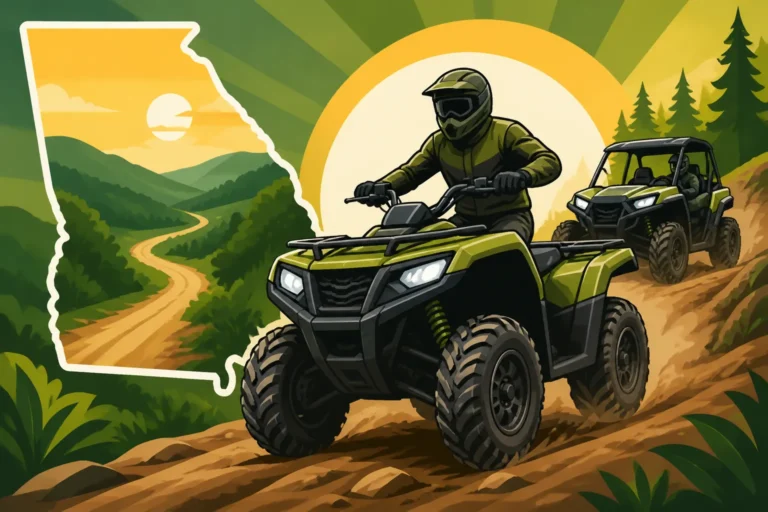
Georgia’s riding season can change dramatically between a muddy North Georgia trail, a humid summer afternoon, and a dry stretch of Coastal Plain sand. Picking a weekend without checking the weather or trail status can mean a long drive to a closed gate—or a ride that is tougher than expected. This guide explains what each month tends to bring and how to plan around it.
Georgia Riding Season From January Through March
| Month | Typical riding considerations | Helpful planning focus |
|---|---|---|
| January | Cold mornings, muddy or frozen ground in the mountains | Check closures and prepare for slick, shaded sections |
| February | Unpredictable weather and soft ground after rain | Confirm trail status before towing |
| March | More comfortable days, but spring rain can leave mud and ruts | Choose routes that match your machine and conditions |
| April | Green scenery and changeable weather | Check for seasonal closures and wet spots |
| May | Warm, often humid days and more activity on popular routes | Start early and bring water |
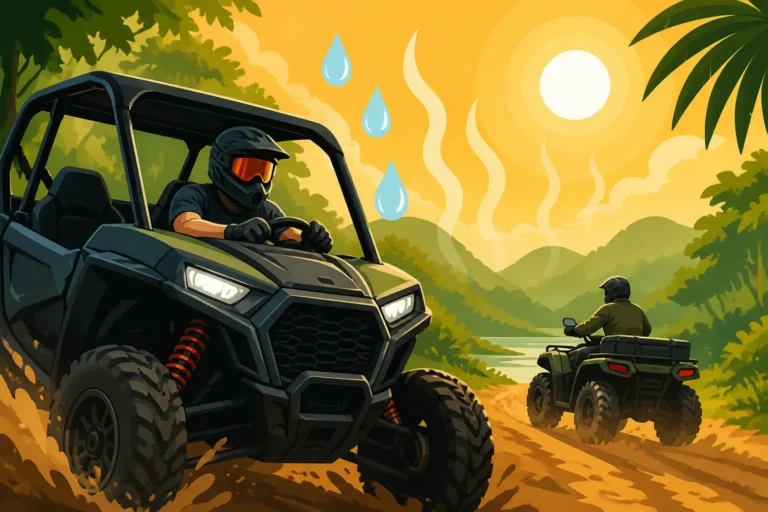
| June | Heat, humidity, and afternoon storms | Plan for shade, hydration, and changing weather |
| July | Hot conditions and possible heavy rain | Avoid overexertion and check for storm-related closures |
| August | Continued heat, humidity, and pop-up storms | Ride early, carry water, and protect your machine from overheating |
| September | Warm days, with conditions beginning to shift | Look for rain impacts and changing daylight |
| October | Cooler air and fall color in the mountains | Expect busy weekends and leaves that can hide trail features |
| November | Pleasant riding weather, with shorter daylight | Allow time to finish before dark |
| December | Chilly mornings and variable trail conditions | Dress in layers and check for closures before leaving |
This is a planning guide, not a promise about conditions on a particular trail. Georgia’s weather can differ between the Blue Ridge Mountains, the Piedmont around Atlanta, and the warmer Coastal Plain. Even nearby routes may handle rain differently depending on their soil, elevation, drainage, and maintenance.
January
January can be a quiet time to ride, but it rewards preparation. In North Georgia, cold mornings may leave shaded ground slick, icy, or frozen, while a warmer afternoon can turn wet sections soft. A machine that feels manageable on firm ground may struggle when tires lose traction in clay or when a rut is hidden beneath leaves.
Before heading toward a forest trail system, check whether the route is open and whether recent weather has affected access. Use the guidance in [Georgia Riding in Winter Freeze] and [How to Check Georgia Forest Trail Status] to make a more informed plan. Pack warm layers that you can remove as you heat up, and keep a dry layer available for the ride home.
February
February is a transition month, but it is not a dependable preview of spring. A run of dry days can make a route feel firm, then a period of rain can leave the same trail muddy or temporarily closed. It is especially frustrating to drive a trailer from the Atlanta area or farther south and discover that conditions have changed since you last checked.
Build flexibility into the outing. Call or check the managing agency’s posted information before you go, and have a second destination in mind. For more detail on how rain affects access, see [Georgia Trails That Close After Rain]. If the trail is open but very wet, consider postponing: deep ruts and spinning tires can damage trails and make a difficult ride worse for everyone.
March
March often brings longer, more comfortable riding days, but it also brings the possibility of spring rain and soft ground. In the mountains, slopes and shaded hollows may stay wet after exposed sections have dried. A trail can look passable at the entrance yet become much more challenging farther along.
Choose a route based on your group’s experience, not just the weather at home. Riders new to slick clay may prefer a shorter loop or a less demanding area, while experienced riders should still avoid forcing a machine through conditions that are causing damage. [Georgia Riding in Spring Mud] offers additional context for planning around wet-season riding.
Georgia Riding Season From April Through June
April
April can be one of the most appealing months for a Georgia ride: the landscape is green, temperatures are often more comfortable than in midsummer, and daylight gives you room to enjoy the outing. But spring conditions remain changeable. A sunny afternoon does not tell you whether the route received heavy rain the day before, and lower spots can hold water long after nearby roads have dried.
Check conditions on the trail system you intend to visit rather than relying on a general forecast for a nearby town. The onX Offroad app can help you review mapped routes and plan an outing, but it should not replace checking official access information or current closure notices. Carry basic recovery gear and agree on a turnaround point before you enter a difficult section.
May
By May, warmth and humidity are becoming more noticeable, especially during strenuous riding or when a machine is working hard at low speed. A morning ride may feel comfortable, while the same route later in the day feels draining. Bring more water than you think your group will need, take breaks in the shade when possible, and pay attention to anyone who is getting unusually tired, dizzy, or irritable.
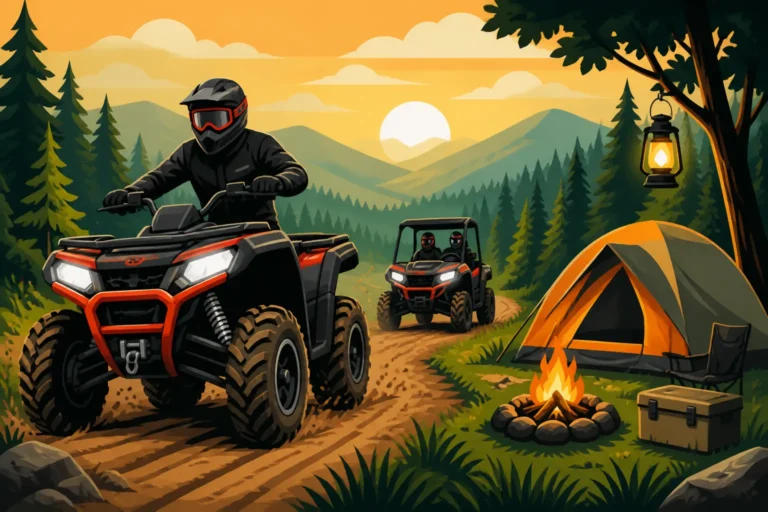
Popular riding areas can also feel busier on pleasant weekends. Arrive with enough time to park, unload, and review the route before setting out. If camping is part of the trip, check the rules for your chosen location rather than assuming that a trailhead allows overnight stays. The overview at [Georgia ATV Camping With Trail Access] can help you think through that part of the plan.
June
June marks a shift toward summer heat, humidity, and the possibility of afternoon thunderstorms. That can make timing important. An early start may offer cooler conditions and more room to ride before the hottest part of the day, while a storm can bring sudden rain, reduced visibility, and slippery ground.
Keep an eye on changing skies, particularly in exposed areas or on routes where turning around takes time. Store rain gear where it is reachable, not buried under cargo, and make sure your phone or navigation device is charged before leaving. The onX Offroad app can be useful for reviewing a planned route and keeping track of where you intended to go, but download or prepare your navigation information before you lose reliable service.
Georgia Riding Season From July Through September
July
July riding can be rewarding, but heat management should be part of the plan from the start. A slow, technical trail can feel much hotter than a paved road because you are working, wearing protective gear, and often sitting close to a warm machine. Take breaks before you feel worn down, drink regularly, and do not treat a long route as a test of endurance.
Thunderstorms can also change the day quickly. Rain may make clay slick, wash debris across a route, or prompt a trail manager to close access. Check [Georgia Trail Conditions Before You Drive] before loading up, and be ready to shorten the ride if weather builds. If the trail is wet enough to churn into deep ruts, turning back is usually wiser than trying to push through.
August
August often brings the same basic challenges as July: heat, humidity, and the chance of sudden storms. For a family ride or a group with mixed experience, plan a shorter route than you might choose in cooler weather. Kids and newer riders may need more frequent breaks, and a tired rider is more likely to make a poor decision on a difficult section.
Pay attention to your machine as well as the people riding. Mud, leaves, and debris can collect where airflow matters, and prolonged slow riding can put extra strain on a vehicle. Check the owner’s manual for maintenance guidance, bring the tools and supplies you know how to use, and avoid continuing if the machine shows signs of trouble. If there has been heavy rain, verify access rather than assuming that a trail system is open because it was open the previous weekend.
September
September can offer a gradual break from peak summer conditions, though heat may linger and rain can still affect trails. It is a good month to revisit routes that felt too hot earlier in the season, but conditions will depend on the week’s weather and the area you are visiting. The mountains, central Georgia, and the southern part of the state may not cool at the same pace.
As daylight begins to shorten later in the season, allow more time than the map suggests. Stops, slower riders, trail congestion, and a mechanical issue can all extend an outing. Keep a realistic turnaround time, and avoid starting a long route late in the afternoon. onX Offroad can support route planning, but always compare your planned route with the trail manager’s access information before setting out.
Georgia Riding Season From October Through December
October
October is a favorite month for many riders because cooler air makes longer outings more comfortable, and North Georgia may offer vivid fall color. The same leaf cover that makes a ride beautiful can also hide rocks, roots, ruts, and drainage dips. Slow down where the surface is difficult to see, especially on unfamiliar trails or after rain.
Pleasant weekends can draw more visitors, so give other riders room and expect that parking areas may fill. Bring layers: a mild afternoon can begin with a cold morning, particularly in the mountains. For seasonal riding considerations, see [Georgia Riding in Fall Leaf Season]. If your group is comparing destinations, also check whether the trails are suitable for your vehicle’s width and experience level.
November
November often offers comfortable riding weather, but the shorter days change how you should schedule the outing. A route that seems easy to fit in can take longer when riders stop for photos, wait at obstacles, or need to help someone recover a stuck machine. Start early enough to finish with daylight to spare.
Leaf-covered ground and occasional rain can still make traction unpredictable. Carry lights and basic repair supplies, but do not use them as a reason to stretch a ride into unsafe darkness. Review the route before leaving and tell someone where you plan to ride. If access or route details are unclear, use [Georgia Trail Conditions Before You Drive] as a reminder to verify the latest trail information with the managing agency.
December
December returns Georgia riding to a more variable pattern. A sunny day can be pleasant, but cold mornings and damp, shaded trails may make conditions uncomfortable or slippery. In the mountains, elevation can make a noticeable difference; a route near Dahlonega or Blairsville may feel very different from a lower-elevation ride farther south.
Dress in layers, bring gloves suited to the conditions, and keep spare dry clothing in the tow vehicle. Check trail status before you leave and again if the weather has changed. Not every route is open year-round, and a gate or closure notice takes priority over an old map or a past visit. [Georgia ATV Trails Open Year-Round] can help you think about year-round options, but confirm the specific system’s status before making the drive.
How to Plan a Ride in Any Month
Match the destination to the conditions
Georgia has a wide range of riding environments, from mountain trails near Dalton and Chatsworth to warmer, lower-elevation routes elsewhere in the state. A route that drains well may be a reasonable choice after light rain, while another can become muddy and prone to rutting. The best destination is not always the closest one or the most challenging one; it is the one that fits the weather, your vehicle, and the least experienced rider in your group.
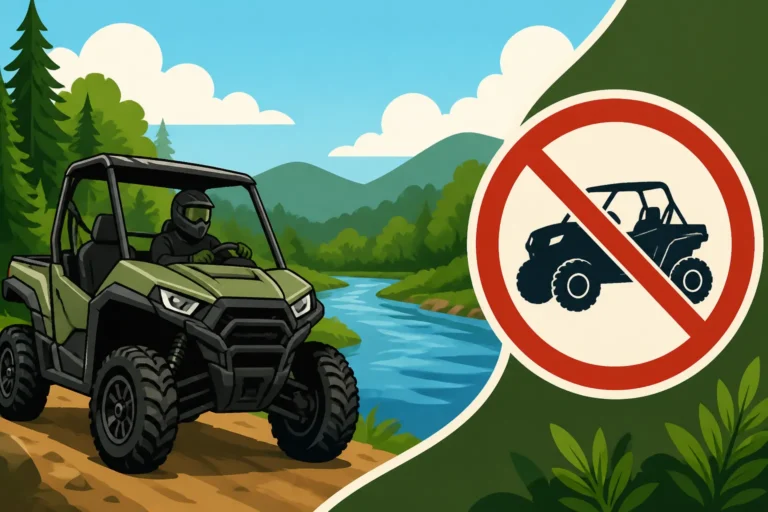
Check the managing agency’s trail status and rules before you go. Forest access, operating hours, permitted vehicle types, and temporary closures can vary. If you are planning to ride in a national forest OHV system, review [Georgia's Six National Forest OHV Systems] and verify any permit requirements that apply to your trip.
Prepare for weather, navigation, and delays
Build a simple pre-ride routine: check the forecast for the riding area, verify that the trails are open, inspect your machine, and tell someone your destination and expected return time. Bring water, food, first-aid supplies, protective gear, and the tools needed for minor problems. Pack according to the season, but remember that rain, elevation, and shade can make a route feel colder or warmer than expected.
Navigation tools can help you keep a planned route in view, especially when you are unfamiliar with the area. onX Offroad is one option for route planning and map review. Still, maps may not reflect a new closure or a temporary change, so confirm access with the land manager. Keep a backup plan, and do not assume that cell service will be available everywhere.
Make the ride easier on the trail and your group
Good seasonal planning is not only about comfort. Riding around a closure, spinning tires through a saturated section, or continuing after someone is overheated can turn a fun day into a recovery job. Set expectations before unloading: agree on a pace, establish a turnaround time, and make it clear that anyone can ask to stop or change plans.
If rain has left a trail soft, consider choosing another area or postponing the outing. If summer heat is building, shorten the route and take breaks. If leaves are hiding the trail surface, reduce speed. A little flexibility can save your machine, protect the trail, and make the drive home much less stressful.
Disclaimer
This article is for general informational purposes only and does not constitute professional advice. Laws, prices and regulations vary by location and change over time. Consult a qualified professional for guidance on your specific situation.