Dust Complaints on a Dirt Road
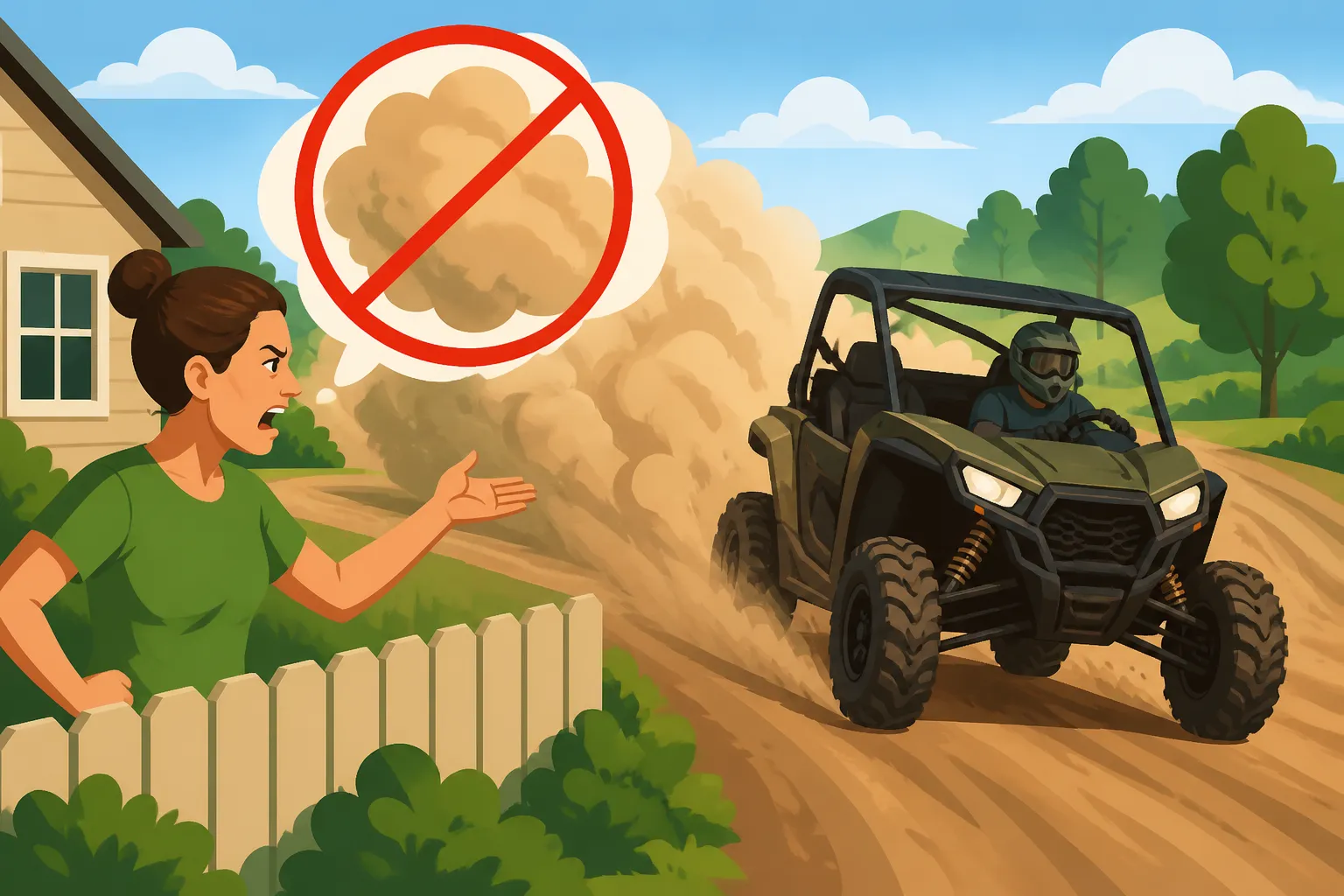
A UTV can be legally using a dirt road and still leave a neighbor frustrated when a dry pass sends dust across a porch, garden, or open window. The tricky part is that road access, vehicle rules, and nuisance complaints are separate issues. This guide explains how to respond, reduce dust, and raise a concern constructively in Georgia.
Why dirt-road dust complaints can be complicated
Road access and dust are separate questions
A complaint about dust does not automatically mean an ATV or UTV is prohibited from using a road. First, establish what kind of road it is: a county-maintained public road, a private road, or a route across land that is privately owned or subject to an easement. Each has different access and maintenance arrangements, and a road that looks public may not be open to everyone.
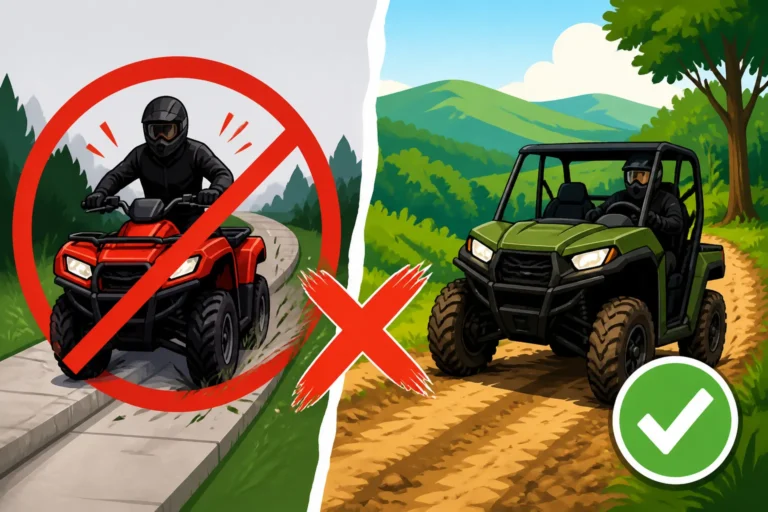
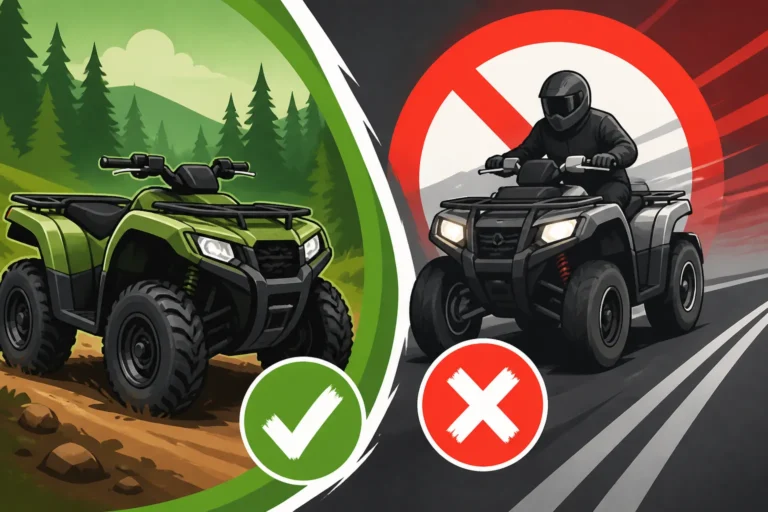
If the route is public, you still need to confirm that your machine is allowed on it and follow the rules that apply there. Georgia’s road-access provisions for off-highway machines have specific limits, and permission to ride one road does not mean every road is open. Start with [Georgia MPOHV Road Rules: County Roads Only] and [Can You Drive a UTV on the Road in Georgia?] for the road-use context. Check local requirements before assuming a familiar route is legal for your machine.
Dust is a separate concern. A neighbor may be upset about dust even if the road is public and your machine is permitted. Conversely, a dust complaint does not settle whether the road is public, whether the machine is allowed, or whether the rider is operating safely. Keeping those questions separate makes it easier to respond calmly and focus on what can actually be resolved.
A neighbor may be dealing with more than a passing cloud
A short burst of dust may be irritating; repeated dust can affect daily life. It can drift into a home, settle on outdoor furniture, coat plants, or make it hard to enjoy a yard. Someone with asthma or another respiratory condition may be especially concerned. If the road runs close to homes, a pattern of fast or frequent passes can feel intrusive even when each trip is brief.
At the same time, dust can come from many users: cars, farm equipment, delivery vehicles, logging trucks, and other off-road machines. A useful conversation is more likely when it focuses on a specific time, location, or behavior rather than blaming one person or vehicle category. For example, “Could riders slow down beside the houses?” gives everyone something practical to discuss. “Nobody should use this road” may not be realistic if it is a public route serving several properties.
What to do when someone complains about dust
If you are the rider
Start by listening rather than arguing about whether the road is public. Ask where dust is entering the property, when the problem is worst, and whether a particular stretch or riding pattern is causing it. You do not need to agree with every accusation to acknowledge that dust can be a real nuisance.
Then look for changes you can make without giving up lawful access. Slow down well before passing homes, avoid hard acceleration, and keep a steady pace through dry sections. If a group is riding together, leave more space between machines so one cloud has time to settle before the next vehicle reaches the same spot. Do not spin tires or repeatedly accelerate on loose surfaces. These steps will not eliminate road dust, but they can reduce the amount thrown into the air.
Think about timing and frequency, too. A single necessary trip may be different from repeated recreational passes during a dry afternoon. If you can use another lawful route or ride at a less disruptive time, consider doing so. When the complaint involves a private road, ask the owner or road association about access and expectations rather than relying on what other riders say.
For broader rules about the machine and road, review [Georgia UTV Road Rules by County] and [Georgia Rules for Riding a UTV on a Dirt County Road]. The road’s surface does not, by itself, determine whether a UTV may use it.
If you live beside the road
Keep a simple record of the problem before contacting anyone. Note the dates and approximate times, the stretch of road, how often vehicles pass, and what the dust is affecting. Photos or brief video can help show conditions, but avoid confronting a rider while either of you is upset or standing near moving traffic.
If you know the rider or a local riding group, a respectful direct conversation may be the quickest first step. Be specific about what would help: lower speeds beside homes, fewer repeat passes, or avoiding a particularly dusty section during certain hours. A request that is concrete and reasonable is easier to act on than a general demand to stop all riding.
If informal contact does not help, identify who is responsible for the road. A county road department or public works office may be able to explain maintenance options for a county-maintained road. For a private road, the owner, road association, or property manager may be the appropriate contact. If the issue is dangerous driving or a suspected violation, use the relevant local agency’s non-emergency contact rather than treating a dust dispute as an emergency. The right office can vary by county and road status.
Practical ways to reduce dust
Riders can change how they use the road
The simplest dust-control steps are usually about speed, spacing, and avoiding unnecessary passes. A rider approaching a home can ease off early, travel smoothly, and avoid sudden throttle changes. In a group, ride in a controlled line rather than bunching up. If the road is extremely dry and visibility is poor, stopping somewhere safe until the cloud clears may be wiser than continuing blindly.
Equipment may help with dust inside the machine, but it does not control dust released onto a neighbor’s property. A windshield, roof, or cab enclosure can make a ride more comfortable for occupants; it is not a substitute for considerate road use. Some owners look at aftermarket accessories from SuperATV when trying to improve rider comfort in dusty conditions. Choose equipment that fits the machine and does not interfere with visibility, safe operation, or required equipment.
A windshield can also change how air moves around the cab, so consider whether dust is being redirected toward passengers or entering through gaps. SuperATV is one example of a brand riders may encounter when comparing UTV windshields and cab accessories. The key point is to treat those products as occupant-comfort measures, not as a way to make a dusty pass harmless to the people living beside the road.
Road treatment requires the right person and method
Residents sometimes wonder whether watering or treating a road would solve the problem. That depends on who maintains the road, the road’s drainage, the surrounding soil, and what treatment is appropriate. Spraying water yourself may create mud, runoff, ruts, or a slippery surface, especially if the road is sloped or water drains toward a ditch, creek, or neighboring property.
Do not apply oil, chemicals, or other dust suppressants to a road without authorization and reliable guidance. A treatment that seems effective in one location can create environmental, drainage, or maintenance problems in another. On a public road, contact the agency responsible for maintenance. On a private road, ask the owner or association before making changes.
If you are making a request to the county, describe the location and the impact rather than prescribing a treatment. Ask whether the road is maintained by the county and whether there are safe, suitable options for that stretch. If you are a rider, do not independently wet or alter a road to quiet a complaint. Road work belongs with the responsible owner or agency.
| Situation | Practical next step | What to avoid |
|---|---|---|
| A rider receives a dust complaint | Listen, identify the troublesome stretch, and reduce speed or repeat passes | Arguing about road access before understanding the concern |
| A resident sees frequent dust near a home | Record dates, times, and impacts; contact the rider or responsible road manager | Confronting riders in traffic or making unsupported accusations |
| The road appears to be public | Confirm its status and ask the county about maintenance responsibility | Assuming every dirt road is open to every vehicle |
| The road is privately maintained | Contact the owner, association, or manager about access and road care | Treating informal permission as universal access |
| Someone proposes watering or chemical treatment | Ask the responsible owner or agency about appropriate options | Applying water, oil, or chemicals without permission |
When a road-use dispute needs more than a conversation
Confirm road status and machine eligibility
Before escalating a dispute, verify the basics. Find out whether the road is county-maintained, privately maintained, or covered by an easement, and ask who controls access. Then check whether the specific machine qualifies for the relevant road use and whether local requirements apply. A side-by-side’s appearance, registration, or ability to travel slowly does not alone prove that it may use a particular route.
Georgia’s rules can distinguish between machine types and road settings. The details matter, particularly if someone is relying on a registration or a general claim that “UTVs are allowed on county roads.” [Are Side-by-Sides Street Legal in Georgia?] explains why road eligibility should be checked rather than assumed. If registration is part of the discussion, [Georgia MPOHV Registration Is Voluntary] may help clarify what registration does and does not establish.
If you are a resident, avoid treating a dust complaint as proof that a vehicle is operating illegally. If you are a rider, do not treat a neighbor’s complaint as proof that you have a guaranteed right to use the route. Confirm the facts through the relevant county office or property owner.
Keep the conversation focused on a workable outcome
Many disputes improve when people agree on a narrow, realistic change: slower travel near homes, more spacing between machines, fewer repeat trips, or a clear understanding of which route is available. A written note can help when several neighbors or riders need the same information. Keep it factual, avoid threats, and describe the requested behavior plainly.
If the problem continues, use the channel responsible for the specific issue. Road maintenance questions belong with the road owner or maintaining agency. A property-access question belongs with the landowner or entity controlling the road. A safety concern may belong with local law enforcement or another relevant authority. A general nuisance complaint may be handled differently from a traffic or access violation, so ask the local office which process applies.
For riders, it is also worth checking whether the route remains open and whether rules have changed. Georgia’s road-access framework includes a sunset provision discussed in [Georgia's July 2027 Sunset on Road Access]. Do not rely on an old conversation, a neighbor’s recollection, or a machine’s registration as a substitute for checking the current rules that apply to your road and vehicle.
Make a dust plan before the next dry spell
A little planning can prevent the same argument from repeating every time the road dries out. Riders can agree on a lower-speed approach near homes, avoid unnecessary loops, and spread out when traveling in a group. Residents can note which section is worst and make a specific request to the road manager. If the road is privately maintained, an association or owner can communicate expectations to everyone who uses it.
Comfort accessories may help riders cope with airborne dust inside a vehicle, but they do not replace considerate behavior or resolve a dispute over access. SuperATV products may come up when shopping for UTV cab protection, yet the most effective community-level response is often simpler: confirm who controls the road, follow the applicable rules, slow down near homes, and discuss road maintenance with the responsible party.
Dust complaints are frustrating precisely because they can involve several issues at once. Separating road access, vehicle eligibility, riding behavior, and road maintenance gives neighbors and riders a better chance of finding a solution without turning every pass into a confrontation.
Disclaimer
This article is for general informational purposes only and does not constitute professional advice. Laws, prices and regulations vary by location and change over time. Consult a qualified professional for guidance on your specific situation.