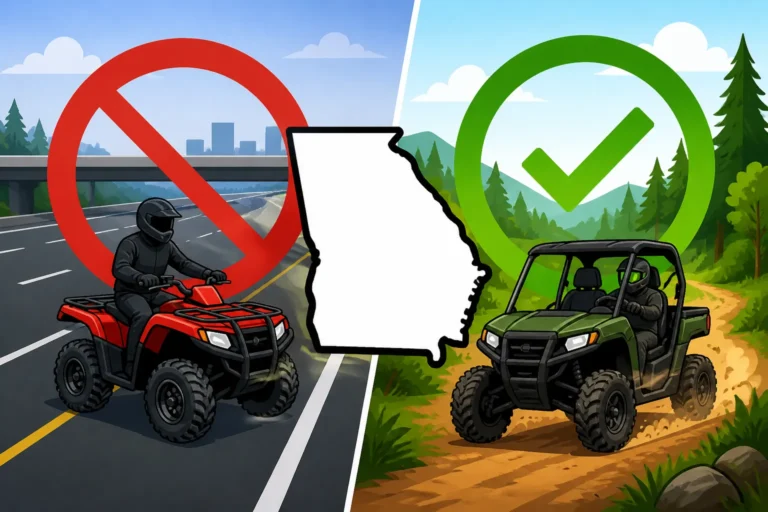
Three-Year Cart Renewals at $45
Navigating the myriad rules for off-highway vehicles and personal transportation vehicles in Georgia can feel like trying to solve a puzzle with half the pieces missing. Many folks get confused by the different categories, especially when it comes to registration and renewal fees. This guide will specifically cut through the confusion surrounding the unique three-year cart renewal process and its $45 fee, particularly for those who rely on their golf carts for daily transportation in Georgia's distinct PTV communities.
Understanding the Difference: PTVs vs. MPOHVs in Georgia
Before we dive into the specifics of three-year cart renewals, it's absolutely vital to understand that Georgia differentiates between a "Personal Transportation Vehicle" (PTV), which most often refers to a golf cart, and a "Multi-Purpose Off-Highway Vehicle" (MPOHV), which covers certain UTVs or side-by-sides. This distinction is where a lot of the confusion stems from, because the rules, fees, and renewal cycles are entirely different.
What Defines a Personal Transportation Vehicle (PTV)?
In Georgia, a PTV is typically defined as a vehicle that can travel up to 20 miles per hour, is designed for transportation on golf courses, recreational areas, or low-speed communities, and often resembles what we commonly call a golf cart. These vehicles are generally electric, but can also be gas-powered. Crucially, they operate under municipal ordinances, meaning that specific cities or counties are the ones setting the rules for their use on local streets or designated paths. This localized control is why you see such variations in registration and usage requirements across the state. Places like Peachtree City have embraced PTVs as a core part of their transportation infrastructure, creating extensive networks of paths. These ordinances often dictate things like [Georgia Golf Cart Laws and PTV Ordinances] and what equipment is required for legal operation.
The MPOHV and Its Separate Registration
On the other hand, an MPOHV is a specific type of off-highway vehicle, like a UTV or side-by-side, that Georgia's state law now allows to be registered for limited road use on county roads. This state-level registration has its own set of strict criteria, including speed limits, width restrictions, and safety equipment requirements, and it involves a separate annual renewal process and fee through your county tag office. For example, machines must meet specific standards like [Georgia's 80-Inch Width Limit for Registration] and [Georgia Requires a Steering Wheel, Not Handlebars]. The cost for an MPOHV registration is also different, and it renews annually, not every three years. It's crucial not to confuse these two systems; the $45, three-year renewal we're discussing here is exclusively for PTVs operating under local ordinances, not for state-registered MPOHVs.
Peachtree City's Unique Three-Year Cart Renewal System
When we talk about three-year cart renewals at $45, the conversation almost always leads us directly to Peachtree City, Georgia. This city is famous for its vast network of golf cart paths, which residents use as a primary mode of transportation. Their forward-thinking approach to alternative transportation has created a specific regulatory environment for golf carts, or PTVs as they're officially known there.
Why Peachtree City Adopted This System
Peachtree City has been a pioneer in golf cart transportation for decades. With over 100 miles of multi-use paths woven throughout the community, golf carts aren't just for the links; they're used for commuting to school, shopping, restaurants, and work. This extensive reliance necessitated a robust and clear system for managing these vehicles. The three-year renewal cycle, instead of an annual one, was designed to simplify the administrative burden for both the city and its residents. Instead of yearly paperwork, owners get a longer window, which reduces trips to the city hall and streamlines the process. It also helps the city manage its resources more efficiently, as the workload is spread out over a longer period.
Who Needs to Renew in Peachtree City?
If you reside in Peachtree City and operate a golf cart on its extensive path system or public streets where permitted, you are required to register your cart with the city and renew that registration. This applies to all residents, ensuring that every cart operating within the city's jurisdiction is accounted for. The fees collected from these renewals contribute to the maintenance and expansion of the cart path system, which is a major benefit to all residents. Visitors to Peachtree City, however, have different rules. For instance, [Peachtree City Non-Resident Cart Cost in Georgia] is a much higher fee, reflecting the usage of infrastructure by those who don't contribute to the tax base. This distinction highlights the city's commitment to its residents and its unique transportation model.
The Specifics of the $45 Three-Year Renewal Fee
Let's get down to the numbers and what that $45 fee actually covers. For Peachtree City residents, this is the standard cost for keeping your PTV registration current for an extended period, reflecting the city's specific administrative structure rather than state-mandated fees.
Breaking Down the Cost
The $45 fee for a three-year renewal is designed to cover the administrative costs associated with maintaining the registration records, issuing new decals, and generally supporting the city's PTV program. Unlike state vehicle registrations which might include a variety of taxes or charges, this is primarily a user fee for the privilege of operating on the city's dedicated infrastructure. It's important to remember that this fee is distinct from any potential sales tax you might pay when [Buying an ATV in Georgia: Taxes and Fees], or the annual MPOHV registration fee for a side-by-side. The city sets this fee to be reasonable for its residents, encouraging compliance while generating necessary funds.
What the Renewal Buys You
When you pay that $45 and successfully renew your cart's registration in Peachtree City, you're essentially buying continued legal access to the city's cart path system and designated streets for another three years. This isn't just about a sticker; it's about being a responsible member of a community that relies heavily on this unique mode of transportation. It ensures your cart is recognized by local authorities, helps maintain safety standards, and contributes to the overall upkeep of the paths you use daily. Without a current registration, you could face penalties or restrictions on where and how you can operate your cart within the city limits. This is a small investment for the convenience and freedom that a PTV offers in Peachtree City.
Table: Georgia Vehicle Registration Types and Fees Comparison
| Vehicle Type | Primary Governing Body | Registration Type | Renewal Cycle | Typical Annual/Cycle Fee (approx.) | Road Use Scope |
|---|---|---|---|---|---|
| PTV (Golf Cart) | Municipal Ordinances | Local City Registration | 3 Years (e.g., Peachtree City) | $45 (3-year renewal) | Designated paths, specific local streets |
| MPOHV (UTV/SxS) | State Law (DOR) | State Registration | 1 Year | Varies by county (e.g., $20) | County roads only, with restrictions |
| Standard Passenger Car | State Law (DOR) | State Title & Tag | 1 Year | Varies (TAVT, ad valorem, fees) | All public roads, highways, interstates |
Note: Fees are illustrative and subject to change by respective authorities. Always check with the specific municipality or county tag office for current figures.
The Renewal Process and Important Considerations
Renewing your golf cart registration in Peachtree City is a fairly straightforward process, designed to be as convenient as possible for residents. However, like any official procedure, there are specific steps and considerations you should be aware of to ensure a smooth renewal.
Step-by-Step Renewal Guide
The process typically involves visiting the Peachtree City Hall or utilizing an online portal if one is available. You'll need to provide some basic information about your golf cart, such as its make, model, and serial number. You'll also confirm your residency and pay the $45 fee. It's often recommended to renew a few weeks before your current registration expires to avoid any lapses. Once processed, you'll receive a new decal or sticker that needs to be prominently displayed on your cart, signifying its current and legal registration status. Keep an eye out for [Peachtree City Cart Registration Fees in Georgia] updates or changes on the city's official website.
What Happens If You Don't Renew?
Operating an unregistered or expired-registration golf cart on Peachtree City's paths or streets can lead to penalties. These might include fines or, in some cases, the impoundment of your vehicle. The city takes its cart path system seriously, and ensuring all vehicles are properly registered is part of maintaining safety and order. Beyond legal repercussions, an expired registration means you're not contributing to the upkeep of the system you rely on, which affects the entire community. It’s always best to stay on top of your renewal date.
Necessary Equipment and Safety Checks
While the renewal process itself focuses on documentation and fees, it's a good time to ensure your golf cart is still meeting all local safety requirements. Peachtree City, like other municipalities with PTV ordinances, often has rules about [Rearview Mirrors on the Required List], brake lights, headlights, and sometimes even turn signals. Some residents might upgrade their carts with aftermarket accessories from brands like SuperATV, adding things like lift kits for better ground clearance or new tires for improved traction, but it’s critical to ensure any modifications still comply with local regulations. Always double-check your local ordinance for the most current equipment list. Maintaining your cart ensures not only your safety but also the safety of pedestrians and other cart users on the paths.
Beyond Peachtree City: Golf Cart Rules in Other Georgia Communities
While Peachtree City is the prime example for the $45, three-year renewal, it's important to remember that golf cart rules vary significantly across Georgia. Not every city or county has embraced PTVs to the same extent, and their ordinances, if they exist, will likely have different registration processes and fees.
Varying Local Ordinances
Some Georgia cities have adopted ordinances allowing golf carts on certain local streets, but their regulations might be less extensive than Peachtree City's. Others might ban golf carts from public roads entirely, confining them strictly to private property or golf courses. For example, some cities might have stricter age requirements for drivers, or different rules about nighttime operation. [Georgia Golf Cart Age Rules] can vary, with some ordinances allowing younger drivers with adult supervision, while others require a valid driver's license. It's crucial for any golf cart owner in Georgia to check with their specific local municipality's clerk's office or police department to understand the exact rules in their area. This due diligence can save you from unexpected fines or legal trouble.
The Role of State Law vs. Local Control
The state of Georgia's general statutes provide a framework for certain low-speed vehicles, but for golf carts, much of the practical regulation is deferred to local governments. This means that while state law sets some baseline parameters, cities and counties have significant authority to create their own ordinances regarding golf cart use, registration, and renewal. This decentralized approach can be confusing for residents moving between jurisdictions or for visitors. However, it also allows communities like Peachtree City to tailor rules that best fit their unique infrastructure and community needs. For a UTV owner looking for road legality, the state's MPOHV registration pathway is the one to follow, as detailed in articles like [How to Register a UTV in Georgia], which is entirely separate from these golf cart ordinances.
Ensuring Your Cart Meets Roadway Standards
If you're operating your golf cart on any public path or street, even under local ordinance, it's imperative that your machine is in good working order and meets all safety requirements. This includes functional headlights, taillights, brake lights, and often turn signals. Many owners choose to enhance their carts with additional safety features, whether it's brighter LED lights from a company like SuperATV or upgraded mirrors for better visibility. The focus should always be on safety and compliance. When considering accessories, always ensure they don't compromise the cart's ability to meet the local definition of a PTV, especially concerning speed limitations.
Disclaimer
This article is for general informational purposes only and does not constitute professional advice. Laws, prices and regulations vary by location and change over time. Consult a qualified professional for guidance on your specific situation.