Georgia Accident Reporting for a UTV Crash
It's a terrifying moment when an off-road adventure takes a wrong turn and you find yourself involved in a UTV crash. The immediate aftermath can be chaotic and confusing, leaving you wondering not just about injuries and machine damage, but also about what legal and administrative steps you're actually supposed to take in Georgia. This guide is here to walk you through the specifics of reporting a UTV accident in our great state, ensuring you're prepared, even for the unexpected.
Understanding When a UTV Crash Needs Reporting in Georgia
The first hurdle many UTV owners face after an accident is simply figuring out if they even need to report it. Unlike standard passenger vehicles, the rules for off-road machines can sometimes feel a bit murky, especially when you're just trying to enjoy a ride out in the woods or on a county road. However, Georgia law does have provisions that apply to UTV accidents, particularly when your machine is operating under a legal registration.
The Nuances of Road-Legal UTV Accidents
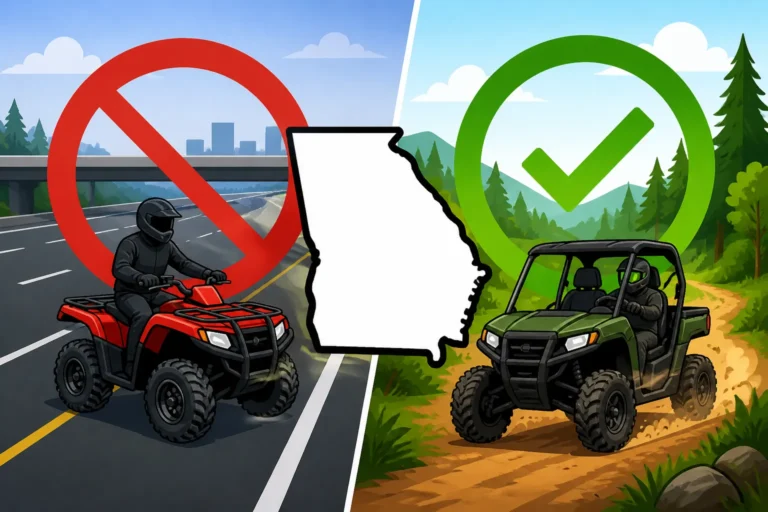
If your UTV is one of the machines that meets Georgia's specific criteria for a multi-purpose off-highway vehicle (MPOHV) and is properly registered to operate on designated county roads, then any accident involving it on such a road would generally fall under similar reporting guidelines as a traditional vehicle. This means if there's an injury, fatality, or significant property damage, reporting it to law enforcement isn't just a good idea, it's typically required. Think of it this way: if your side-by-side, registered for road use, is involved in a fender-bender with another vehicle on a county road, the police will treat it much like any other motor vehicle collision. The same would apply if you hit a fixed object and caused substantial damage, or if someone was hurt. For an overview of what kind of machines can even get on these roads, you might want to review [Georgia MPOHV Registration Explained].
The key here is the "road-legal" aspect. Your UTV, if it has a valid [Georgia Plates for Off-Highway Vehicles], is subject to more formal rules when on public rights-of-way. This contrasts sharply with machines that are strictly used on private land or dedicated off-road trails.
Accidents on Private Property or Designated Trails
Things get a bit different when a UTV accident happens entirely on private property, like your own land, a hunting lease, or within a private off-road park such as Iron Mountain Resort or Highland Park. In these scenarios, the immediate legal requirement to report to law enforcement is often less strict or non-existent, unless specific circumstances dictate otherwise.
For instance, if there's a serious injury or fatality, law enforcement might still become involved to investigate, even if it occurred on private land. Similarly, if your UTV collides with someone else's machine or property on private land, and there's significant damage or injury, you'll still need to deal with insurance companies and potentially liability issues. While a formal police report might not be legally mandated, having clear documentation, including photographs, witness statements, and possibly a voluntary incident report filed by the landowner or park management, is crucial for any insurance claims. Companies like SuperATV offer parts for repairs, but getting your insurance to cover those replacements means you need to follow proper documentation steps. It's really about protecting yourself and others in the long run.
Immediate Actions to Take After a UTV Crash in Georgia
When a UTV accident happens, especially if you're out on a trail or a rural road, the seconds and minutes immediately following can be critical. Your first priority, always, is the safety and well-being of everyone involved. Panicking is natural, but having a mental checklist can help you navigate these tense moments effectively.
Prioritizing Safety and Assessing Injuries
First and foremost, check for injuries. This means yourself, any passengers, and anyone else involved in the accident. If someone is seriously hurt, do not move them unless they are in immediate danger (like from fire or further collision). Call 911 immediately. Give them your precise location, which can be tough in remote areas. Using a GPS app on your phone or a dedicated GPS device can be a lifesaver in these situations. Render any first aid you're qualified to give, and reassure those who are injured.
Once human safety is addressed, secure the scene as best you can. If the UTV is blocking a road, and it's safe to do so, try to move it to the side. If not, make the area visible to other riders or drivers. This might mean turning on hazard lights, setting out reflective triangles if you carry them (a smart addition to any UTV safety kit!), or having someone stand a safe distance away to warn approaching traffic.
Gathering Information and Documenting the Scene
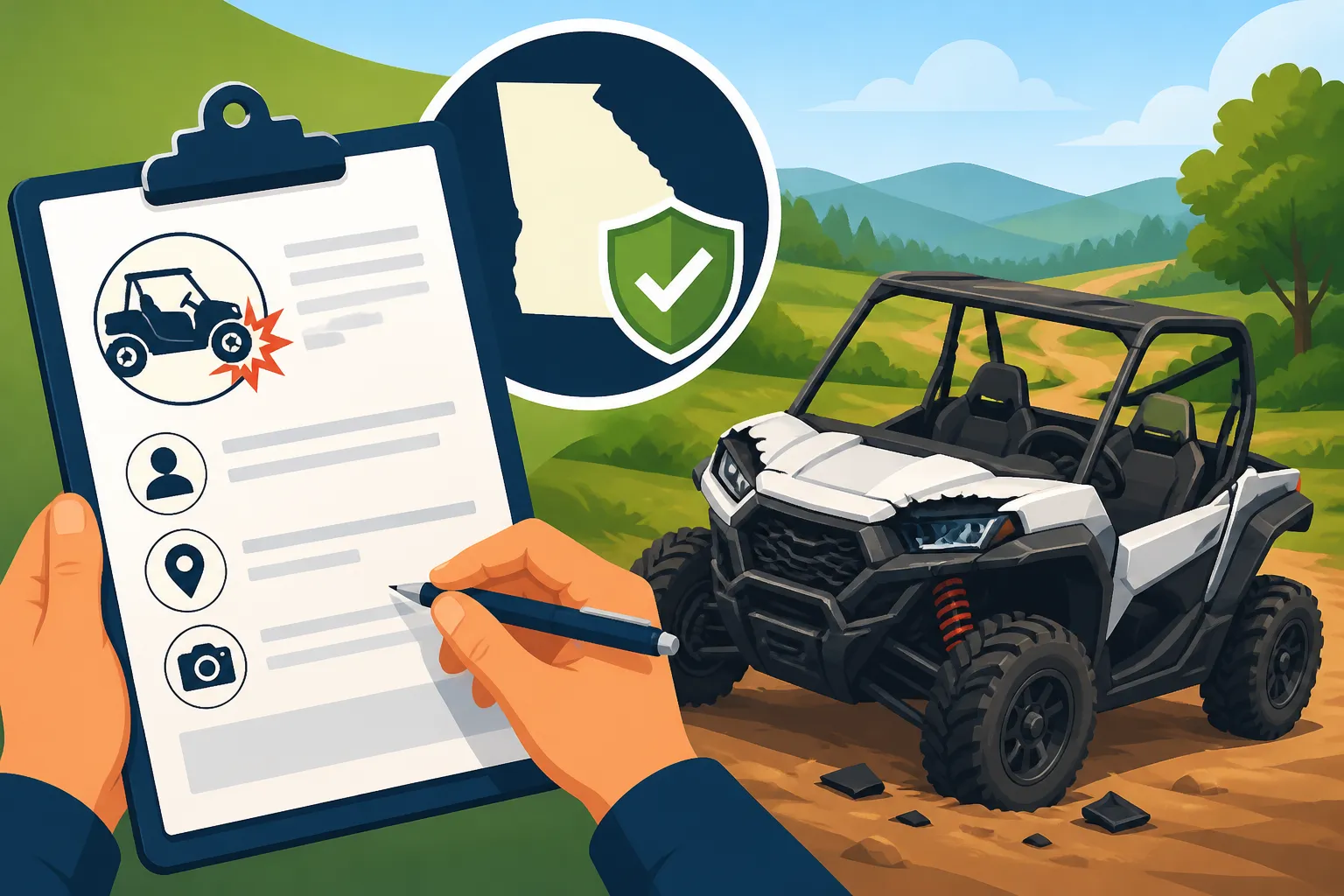
Even if you don't think you need to call the police right away, documenting everything is vital for insurance purposes or if legal issues arise later. Take out your phone and start taking photos and videos. Get wide shots of the entire scene, showing the positions of machines, any other vehicles, and relevant landmarks. Then, zoom in on damage to your UTV, other vehicles, property, and any visible injuries. Don't forget skid marks, broken debris, or anything that tells the story of how the accident happened.
Exchange information with any other parties involved. This should include:
- Full names and contact information (phone, email, address)
- Driver's license numbers
- Insurance company names and policy numbers
- Vehicle information: make, model, year, VIN, and license plate number (if applicable for registered MPOHVs)
- For UTVs without a traditional license plate, get the serial number (VIN) from the frame. For registered machines, you might find the [Georgia Plates for Off-Highway Vehicles].
- Contact information for any witnesses. Even if they didn't see the exact moment of impact, they might have observed conditions leading up to it or the aftermath.
Here's a handy table for what to collect:
| Information Category | Specific Details to Collect |
|---|---|
| Personal Information | Full Name, Address, Phone, Email, Driver's License # |
| Insurance Information | Company Name, Policy Number, Agent Name/Contact |
| Vehicle Information | Make, Model, Year, VIN, License Plate (if applicable) |
| Witness Information | Name, Phone, Email, What They Saw |
| Location Details | Road Name/Number, Nearest Cross Street, Landmarks, GPS Coordinates |
| Damage Details | Photos/Video of All Damage, Point of Impact, Debris Field |
| Police/Incident Report | Officer's Name, Badge #, Report #, Agency |
Remember, don't admit fault or apologize, even if you feel responsible. Stick to the facts when talking to others involved or to law enforcement.
Notifying Law Enforcement and Your Insurance Provider
If the accident meets the criteria for a reportable crash (serious injury, fatality, significant property damage, or involving a registered MPOHV on a public road), you need to call the local sheriff's office or state patrol. For incidents on county roads, [Georgia Sheriff Enforcement on County Roads] would be the typical authority. Be prepared to provide them with all the information you've gathered. They will assess the situation and determine if a formal accident report is necessary.
Next, notify your insurance company as soon as possible. Even if you're not planning to file a claim, they need to be aware of the incident, especially if another party might make a claim against you. Provide them with the police report number if one was filed. Your insurance policy is your safety net, and understanding [Georgia UTV Insurance Minimums] is critical before you even ride. They will guide you through their specific claims process. Many policies require timely notification, so don't delay.
Navigating the Reporting Process with Georgia Authorities
Once the initial chaos settles, the official reporting process in Georgia can feel a bit daunting. Understanding who to talk to, what forms might be involved, and what to expect can help streamline things.
When a Police Report is Required
In Georgia, a police report is typically required for any motor vehicle accident resulting in injury, death, or property damage exceeding a certain monetary threshold (which can vary, so it's always safer to report if there's any significant damage). When your MPOHV is legally on a county road, it largely falls under these same rules.
If you're involved in such a crash, a law enforcement officer from the appropriate jurisdiction (county sheriff, city police, or Georgia State Patrol) will respond to the scene. They will investigate, interview parties and witnesses, and document the accident in their official report. This report is crucial for insurance claims and can be vital if legal action is pursued. It will typically include details about the time and location of the crash, the parties involved, a diagram of the scene, and the officer's assessment of contributing factors.
For accidents that happen purely on private land, a police report isn't usually legally mandated unless there's a serious injury, a fatality, or if criminal activity (like a DUI, which applies to off-road machines too – see [Georgia DUI Law and Off-Road Machines]) is suspected. However, you can still request law enforcement to come out and document the incident for your records, especially if there's a dispute over fault or damage. They may or may not issue a formal report, depending on their departmental policy for private property incidents.
Dealing with Insurance Claims and Liability
After reporting the accident to the authorities, your next major step is working with your insurance company. Your UTV insurance, just like car insurance, typically includes liability coverage and can also include comprehensive and collision coverage depending on your policy. [Georgia Liability Insurance Tied to Registration] is a key piece of why registered machines are covered.
- Liability Coverage: This covers damages and injuries you might cause to others if you are found at fault for the accident.
- Collision Coverage: This covers damage to your own UTV, regardless of who is at fault.
- Comprehensive Coverage: This covers non-collision damage, such as theft, vandalism, or fire.
Your insurance adjuster will likely request a copy of the police report (if one exists), your statement, photos from the scene, and estimates for repair. They will investigate to determine fault and the extent of the damages. This process can sometimes feel slow, but providing all requested documentation promptly can help move things along. When looking at repair options, many riders turn to aftermarket parts from companies like SuperATV, but always check with your insurance provider first to ensure coverage for non-OEM components.
It's also important to understand that if your UTV was operating illegally (e.g., on a state highway where [Georgia MPOHV Road Rules: County Roads Only] are violated, or without proper registration), your insurance coverage could be denied or complicated. This is why adhering to Georgia's UTV laws is not just about avoiding [Georgia Penalties for an Unregistered Road Machine], but also about protecting your financial interests.
The Aftermath: Legal Considerations and Moving Forward
A UTV accident can have lasting repercussions beyond just the immediate damage and injuries. Understanding the potential legal and practical considerations afterward is crucial for protecting yourself and ensuring you can get back on the trails safely.
Potential Legal Consequences and Follow-Up
Depending on the severity of the accident and who was deemed at fault, there could be legal consequences. If you were cited by law enforcement for a traffic violation (like reckless driving or failure to yield) on a public road, you would need to address that citation in court. If the accident resulted in serious injury or death, more severe legal action, including civil lawsuits, could follow. This is where the police report and all the information you gathered at the scene become incredibly important.
In some cases, especially if there are significant injuries, you might want to consult with an attorney specializing in personal injury or accident law. They can help you understand your rights and obligations, whether you are pursuing a claim or defending against one.
Beyond legal matters, there's the practical follow-up of repairs. If your UTV is repairable, you'll need to work with your insurance company and a repair shop. If it's deemed a total loss, you'll negotiate a settlement for its value. This is where your original purchase price, any upgrades (like those from SuperATV), and the machine's overall condition will factor into the valuation. If your machine was new and financed, you'll also be dealing with your lender.
Preventing Future UTV Accidents and Enhancing Safety
The best way to deal with a UTV crash is to prevent it from happening in the first place. Every accident, no matter how minor, offers a learning opportunity. Take some time to reflect on what happened:
- Was it operator error? Perhaps you were going too fast for conditions, or misjudged a turn. Consider taking a voluntary off-road safety course to sharpen your skills.
- Was it a mechanical failure? Regular maintenance is key. Always do a pre-ride inspection of your machine, checking tires, brakes, fluids, and controls. Using quality parts and performing maintenance can extend the life of your machine and prevent unexpected issues.
- Were environmental factors a major contributor? Poor visibility, wet trails, or unexpected obstacles can all play a role. Adjust your riding style to match conditions. For example, if you're riding after dark, ensure your lighting is adequate. See [Georgia Rules for Riding After Dark] for specific considerations.
- Was it another driver's fault? While you can't control others, you can ride defensively and be aware of your surroundings, especially on shared county roads.
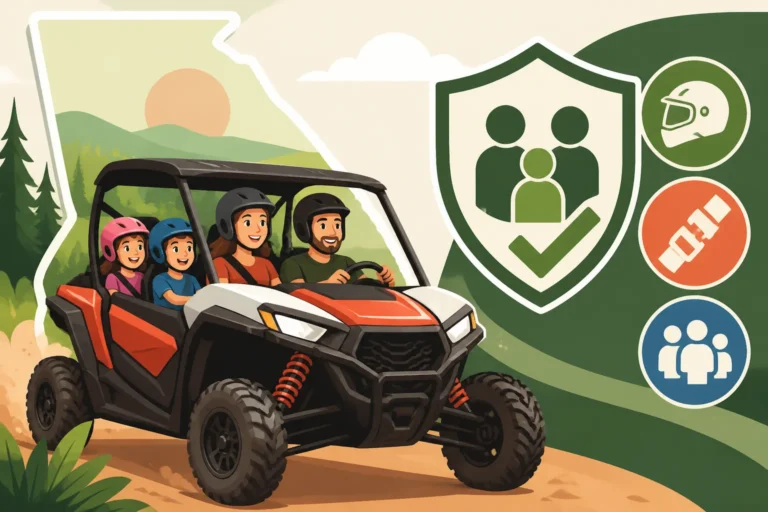
Investing in safety gear is also non-negotiable. Helmets, eye protection, gloves, sturdy boots, and appropriate clothing can significantly reduce the severity of injuries in a crash. For riders under 18, Georgia has specific [Georgia ATV Helmet Law for Riders Under 18] rules even on private land, which emphasizes their importance.
Ultimately, knowing how to report a UTV crash in Georgia is a crucial part of being a responsible off-road enthusiast. While no one ever wants to be in this situation, being prepared can make an incredibly stressful experience much more manageable. Stay safe out there, and happy riding!
Disclaimer
This article is for general informational purposes only and does not constitute professional advice. Laws, prices and regulations vary by location and change over time. Consult a qualified professional for guidance on your specific situation.