Georgia Rules for Riding a Timber Road
Trying to figure out where you can legally ride your ATV or UTV in Georgia can feel like navigating a dense forest blindfolded, especially when it comes to those inviting timber roads. It’s easy to see a well-maintained dirt road winding through a commercial timber tract and assume it's fair game, but the reality is far more complex and legally nuanced. This guide is here to untangle the often-confusing rules surrounding ATV and UTV use on Georgia's timber roads, helping you understand access, legalities, and how to ride responsibly and within the law.
Understanding What a "Timber Road" Really Is in Georgia
When we talk about "timber roads" in Georgia, it's easy to picture any dirt path snaking through a wooded area. However, for legal and access purposes, it's crucial to understand that not all timber roads are created equal. Their classification hinges entirely on ownership and purpose, which directly dictates whether you, as an ATV or UTV rider, can legally be on them.
Public vs. Private Timber Roads
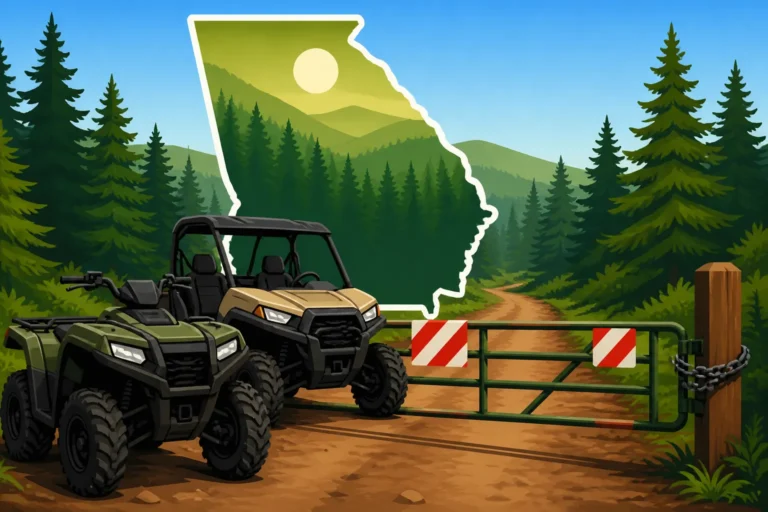
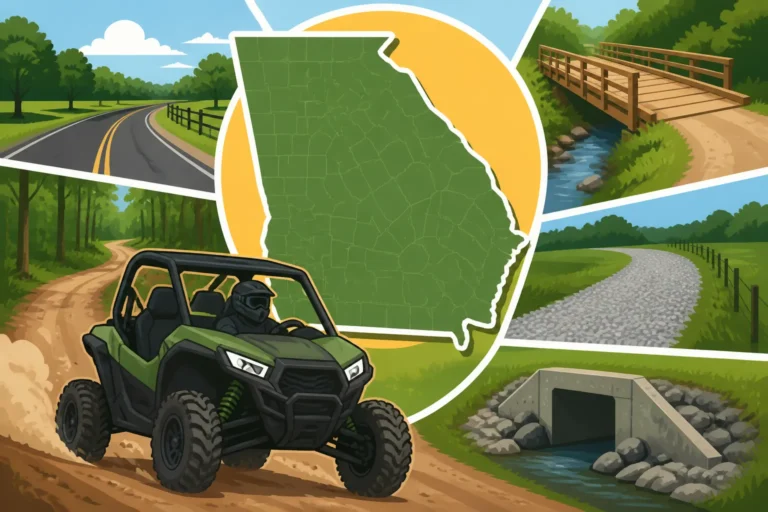
The single most important distinction for a rider is whether a timber road is public or private. Public roads, even those that appear to be nothing more than dirt tracks through timberland, are generally part of a county road system or managed by a state or federal agency. These might be gravel roads that primarily serve logging operations but are still designated for public access. If a timber road is indeed part of a public county road system, then the rules for riding an MPOHV (Multipurpose Off-Highway Vehicle) on a county road apply. This means your side-by-side or qualifying UTV might be allowed, provided it’s properly registered and meets all the specific requirements, like the [Georgia MPOHV Eligibility: The Eight-Point Test]. You’d also need to adhere to general road rules like having a driver's license and insurance. However, true timber roads, the kind built and maintained specifically for logging access, are overwhelmingly private property. They are not typically part of any public road system and are constructed for industrial use, not recreational access. Mistaking a private timber road for a public one can lead to significant legal trouble, as we’ll explore later.
Consider a scenario where you're exploring a new area in rural Georgia. You come across a well-graded dirt road, wide enough for large trucks, with signs of recent logging activity. If there are no "No Trespassing" signs or gates, it might feel public. However, without explicit confirmation, assume it’s private. Property boundaries can be invisible from the road, and what looks like a public thoroughfare could easily be a private right-of-way for a timber company or individual landowner. The burden of proof for legal access often falls on the rider.
The Role of Private Landowners and Timber Companies
Most timber roads in Georgia are on private land, owned either by individual families, large timber corporations like Weyerhaeuser or CatchMark Timber Trust, or investment groups. These companies and landowners maintain these roads at their own expense for specific operational purposes: planting, thinning, harvesting, and transporting timber. Recreational riding by the general public is typically not part of their operational plan, and in many cases, it’s actively discouraged or prohibited due to liability concerns, potential damage to roads, and interference with ongoing work.
For instance, a major timber company might own thousands of acres crisscrossed by an extensive network of timber roads. These roads are vital arteries for their business, and unauthorized recreational use can disrupt operations, cause damage that requires costly repairs, and present significant safety risks to both riders and company personnel. Imagine a family riding their UTV around a blind curve only to encounter a fully loaded log truck; the potential for a catastrophic accident is very real. Therefore, these landowners and companies generally enforce strict "no trespassing" policies. Unless you have explicit, verifiable permission, consider these roads off-limits. This is where understanding [Georgia Trespass Law for ATV Riders] becomes critical.
Navigating Access: Permission is Key
When it comes to riding ATVs or UTVs on timber roads in Georgia, let's be absolutely clear: if the road is on private property, which most truly are, permission is not just recommended, it is legally required. Ignoring this fundamental principle is the quickest way to turn a fun day of riding into a costly, stressful, and potentially dangerous encounter with law enforcement or an angry landowner.
Why Written Permission is Non-Negotiable
Riding on private timber land without permission is trespassing, plain and simple. In Georgia, trespassing can lead to fines, impoundment of your vehicle, and potentially even civil lawsuits if you cause damage or injury. Verbal permission can be difficult, if not impossible, to prove in a dispute, especially if the person who gave it is no longer reachable or denies the conversation. That's why written permission is absolutely non-negotiable. This could be a formal letter, an email exchange, or a signed agreement from the landowner or their authorized representative (e.g., a timber manager). The document should clearly state:
- Who has permission (your name, your group).
- What kind of machines are allowed (ATV, UTV, dirt bike).
- Where you are allowed to ride (specific property boundaries, road names, or tract numbers).
- When you are allowed to ride (specific dates, times, or duration).
- Any specific conditions or rules (e.g., no hunting, stay on marked trails, helmet requirements, no night riding).
- The contact information and signature of the person granting permission.
How do you get this permission? It requires proactive effort. For individual landowners, it means respectfully reaching out, explaining your intentions, and perhaps offering to help with light maintenance or offering a small fee. For large timber companies, it's often more challenging, as many have blanket no-trespassing policies due to liability and operational complexity. However, some companies or land management groups might offer leases for hunting or other specific uses that include ATV/UTV access on their roads. You’ll need to research specific companies and their land management policies, and be prepared for "no."
Here’s a practical example: You’ve identified a timber tract near your home owned by a small family corporation. You respectfully contact them, explaining you're a responsible rider interested in using their roads for recreational UTV riding on weekends. They might agree but insist on a signed waiver and a clear understanding that you are solely responsible for your safety and any damage you cause. They might also restrict access during active logging operations. This clear, written agreement protects both you and the landowner.
Riding on Leased Land: What Your Hunting Club Agreement Says
Many individuals gain access to private timber roads through hunting club leases. These leases grant members access to a specific tract of land for hunting, and often, this access implicitly or explicitly includes the use of existing timber roads for navigating the property. However, it’s absolutely critical to understand the specific terms of your hunting club agreement. Do not assume that because you have a hunting lease, you have carte blanche to ride your ATV or UTV anywhere, anytime.
Hunting club leases often contain clauses detailing:
- Permitted vehicle types: Some leases might allow UTVs for hauling gear but prohibit sport ATVs.
- Areas of use: You might be restricted to main roads, with no off-road riding into timber stands.
- Time restrictions: Access might be limited to specific hunting seasons or daylight hours.
- Guest policies: Can you bring friends with their machines, and if so, do they also need permission?
- Road maintenance responsibilities: Some leases might require club members to help maintain the roads they use.
A common pitfall is misunderstanding the scope of the lease. For instance, your lease might cover 500 acres, but the timber company that owns the land retains the right to conduct logging operations at any time. If you’re riding when heavy machinery is present, you could be putting yourself and others at risk, regardless of your lease. Always review your lease document thoroughly, and if there's any ambiguity, consult with the club president or the landowner directly. Don't be afraid to ask for clarification, especially about how your [Georgia Hunting Club Lease Riding Rules] are enforced.
Here's a comparison of common access scenarios:
| Access Type | Source of Access | Permission Required | Key Considerations | Risks of Unauthorized Use |
|---|---|---|---|---|
| Public County Roads | Local Government | None (if MPOHV qual.) | MPOHV must be registered and street legal (where allowed) | Operating unregistered vehicle, violating road laws |
| Private Timber Land | Landowner/Timber Company | Explicit Written | Liability, operational interference, road damage | Trespassing, fines, impoundment, civil action |
| Hunting Lease | Hunting Club/Landowner | Through Lease Agreement | Lease terms dictate vehicle type, areas, times | Violating lease terms, trespassing outside lease area |
| National Forests | U.S. Forest Service | OHV Permit | Designated trails only, specific rules | Riding off-trail, no permit, violating forest regulations |
Road Rules and Responsibilities on Georgia Timber Roads
Even with proper permission to ride on a private timber road, your responsibilities don't end there. Operating an ATV or UTV on these types of roads requires a heightened sense of awareness, respect for the environment, and adherence to specific safety and ethical guidelines. Failing to do so can jeopardize your access, harm the environment, and even lead to severe accidents or legal consequences.
Safety and Environmental Considerations
Timber roads are not recreational trails; they are working roads, often built to withstand heavy machinery and all types of weather. This means they can be incredibly rugged, with deep ruts, sharp rocks, steep grades, and potentially slick surfaces depending on recent rainfall. When you're riding, always prioritize safety:
- Ride within your limits: Don't attempt terrain that exceeds your skill level or your machine's capabilities.
- Wear appropriate gear: A helmet is paramount, along with eye protection, gloves, sturdy boots, and long pants/sleeves. Remember the [Georgia ATV Helmet Law for Riders Under 18], but frankly, everyone should wear one.
- Maintain your machine: Ensure your brakes, tires, lights, and suspension are in good working order. A breakdown far from civilization on a remote timber road can quickly become a serious situation.
- Be aware of hazards: Look out for fallen trees, hidden ditches, active logging equipment, and other vehicles. Expect the unexpected.
- Tell someone where you're going: Share your route and estimated return time with a trusted person, especially if riding alone. Cell service can be spotty in remote timber areas.
Beyond personal safety, responsible riding on timber roads means minimizing your environmental impact. Follow the "Tread Lightly!" principles:
- Travel responsibly: Stay on existing roads and designated paths. Do not create new trails or cut through vegetated areas.
- Respect the rights of others: Share the road, yield to larger vehicles, and be mindful of noise levels, particularly near residences or active work sites.
- Educate yourself: Understand the area you're riding in, including local regulations and environmental sensitivities.
- Avoid sensitive areas: Steer clear of wet areas, streams, and fragile ecosystems where your tires could cause significant erosion or damage. Rutting can quickly degrade a timber road, making it impassable for others and costly to repair.
- Do your part: Pack out everything you pack in. Leave no trace.
Potential Legal Ramifications of Unauthorized Access
Let's reiterate: riding on private timber roads without permission is illegal trespassing. The consequences in Georgia can range from a stern warning to significant fines, confiscation of your machine, and even criminal charges.
- Trespassing charges: Under Georgia law, unauthorized entry onto another's property, especially when posted with "No Trespassing" signs or fenced, can lead to misdemeanor charges. This can result in fines that might run into hundreds of dollars, court costs, and a criminal record.
- Vehicle impoundment: Law enforcement, upon finding you trespassing, has the authority to impound your ATV or UTV. Getting it back will involve impound fees, daily storage fees, and potentially other penalties, which can quickly add up to a substantial sum.
- Civil liability: If you cause any damage to the property – whether it's rutting the road, damaging gates, fences, or vegetation – the landowner can sue you for the cost of repairs and restoration. This can quickly escalate into thousands of dollars.
- Loss of future access: Even if you get off with a warning, any chance of obtaining legitimate permission for that land (or neighboring lands, if word gets around) will likely be gone forever.
- Dangerous encounters: While not a legal ramification, unauthorized access can lead to tense and potentially dangerous confrontations with landowners or their employees who are trying to protect their property.
It's a misconception that if a gate is open, or there are no "No Trespassing" signs, then it's okay to enter. In Georgia, merely entering private land without permission is trespassing. Always err on the side of caution. If you are ever unsure, find a way to contact the landowner or their representative. Ignorance of ownership is not a valid defense in the eyes of the law.
Equipping Your Machine for Timber Road Riding
Riding on Georgia's timber roads, even with permission, isn't quite the same as cruising down a smooth trail in a dedicated OHV park. These are utility roads, often rugged and unforgiving. Preparing your ATV or UTV with the right gear and ensuring it's properly maintained isn't just about convenience; it's about safety, reliability, and protecting your investment.
Essential Gear and Machine Modifications
Timber roads present unique challenges that can quickly expose weaknesses in an unprepared machine. Here's a rundown of essential gear and modifications you might consider:
- Tires: Stock tires might struggle with the varied surfaces of timber roads, from loose gravel and mud to embedded rocks and hard-packed dirt. Consider upgrading to an aggressive all-terrain (AT) or mud-terrain (MT) tire that offers better traction and puncture resistance. A good quality tire can make a world of difference when you encounter a slick section or a rocky climb.
- Skid Plates and A-Arm Guards: Underneath your machine are vital components like your engine, transmission, and CV joints. Timber roads are notorious for hidden stumps, rocks, and debris that can cause severe damage. Full underbody skid plates and A-arm guards are non-negotiable for protection. Companies like SuperATV offer a wide range of durable skid plates and other armor designed to withstand harsh off-road conditions, giving you peace of mind.
- Winch: A winch is perhaps the single most important recovery tool you can have. Whether you get stuck in mud, hung up on a log, or need to move a fallen tree out of your path, a winch can get you out of a bind. Make sure it's properly mounted and rated for your machine's weight, and always carry recovery straps and shackles.
- Lighting: Timber roads can be dark, especially under dense canopy, and conditions can change rapidly. Upgraded LED light bars or auxiliary lights can dramatically improve visibility, particularly if you find yourself needing to ride in low light conditions (though generally, stick to daylight hours unless explicitly permitted for night riding).
- Storage: You'll need to carry tools, spare parts, water, snacks, first-aid supplies, and possibly extra fuel. Secure storage boxes or bags are essential to keep your gear protected and organized.
- GPS/Navigation: Cell service is unreliable. A dedicated GPS unit or an offline map application on your phone (with a downloaded map of the area) can be a lifesaver for staying on track and navigating complex road networks.
- Communication: Consider a two-way radio if riding with a group, or a satellite messenger device for emergencies in areas without cell signal.
When evaluating accessories, look for durable, well-regarded brands. For example, many riders rely on SuperATV for their lift kits, portals, and heavy-duty axles, which can provide extra ground clearance and strength often needed to tackle the more challenging sections of timber roads.
Maintenance and Preparation for Rough Terrain
Before you even load up your ATV or UTV, a thorough pre-ride inspection and proper maintenance are critical. Timber roads are hard on machines, and preventative care can prevent costly breakdowns.
- Check fluids: Oil, coolant, brake fluid – ensure they are at appropriate levels and in good condition.
- Tire pressure: Adjust your tire pressure for the terrain. Lower pressure can provide more traction and a smoother ride over rough terrain, but avoid going too low to prevent bead separation or rim damage.
- Nut and bolt check: Vibration from rough roads can loosen fasteners. Check all critical bolts, especially on suspension components, wheels, and accessories.
- Air filter: Dusty conditions are common on timber roads. A clean air filter is essential for engine longevity. Consider carrying a spare or a pre-filter.
- Brakes: Inspect brake pads and rotors for wear. Ensure brakes are functioning properly.
- Suspension: Check shocks and springs for leaks or damage. Listen for unusual noises.
- Cleanliness: A clean machine allows you to spot potential issues more easily. After riding, thorough cleaning, especially underneath, is important to remove mud and debris that can hide problems or accelerate wear.
Remember, the goal is not just to have fun, but to return safely with your machine intact. A proactive approach to maintenance and equipping your machine will significantly enhance your timber road riding experience. Don't forget, even the toughest machines benefit from aftermarket upgrades to handle these demanding conditions, and many riders turn to brands like SuperATV for those essential components that reinforce and protect.
Disclaimer
This article is for general informational purposes only and does not constitute professional advice. Laws, prices and regulations vary by location and change over time. Consult a qualified professional for guidance on your specific situation.