Georgia ATV Helmet Law Age Limit
The world of off-road vehicles like ATVs and UTVs in Georgia can feel like a maze, especially when you're trying to make sure everyone, particularly the younger riders in your life, stays safe and legal. One of the most common questions that pops up is about helmet laws – who needs to wear one, and at what age? It’s a point of confusion for many parents and guardians, leading to worries about fines or, more importantly, rider safety. This guide aims to cut through that confusion, giving you a clear understanding of Georgia’s helmet law for ATV and UTV operators.
The Core of Georgia's Helmet Law for Off-Roaders
When it comes to keeping our kids safe on ATVs and UTVs, Georgia law has some very specific requirements, particularly concerning helmets. It’s not just a recommendation; for certain age groups, it’s the law, and understanding this is crucial for anyone who enjoys off-roading with family. The main thrust of the law is designed to protect our most vulnerable riders from serious injury.
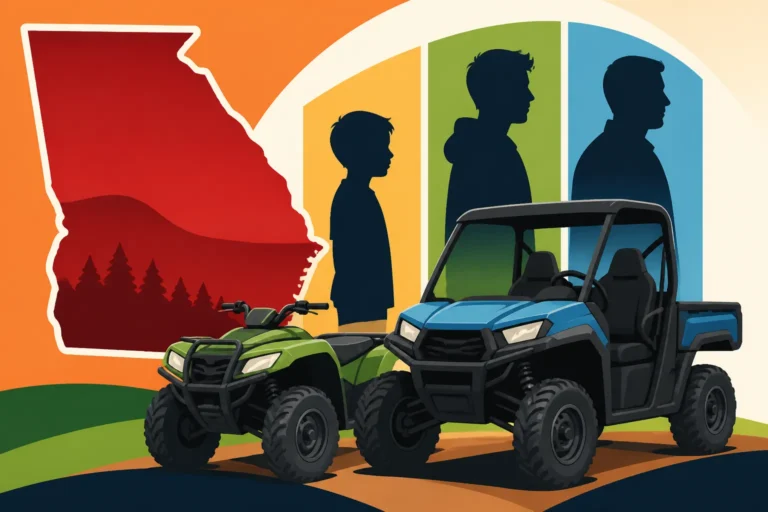
Georgia's legal framework, found within its Motor Vehicle Off-Road Vehicle (MPOHV) regulations, clearly outlines when a helmet is mandatory. While the state doesn't require all riders of all ages to wear a helmet in all circumstances, it does draw a very firm line in the sand regarding minors. This isn't about being overly cautious; it's about recognizing the increased risk factors for young riders who might lack the experience, judgment, or physical strength to handle an off-road machine in every situation. The law focuses on the age of the operator and the type of land they are riding on.
Understanding the "Under 18" Rule on Public Access
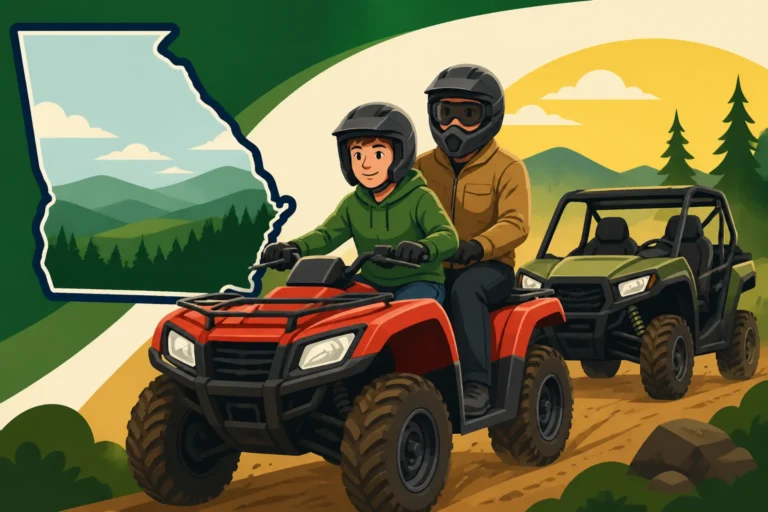
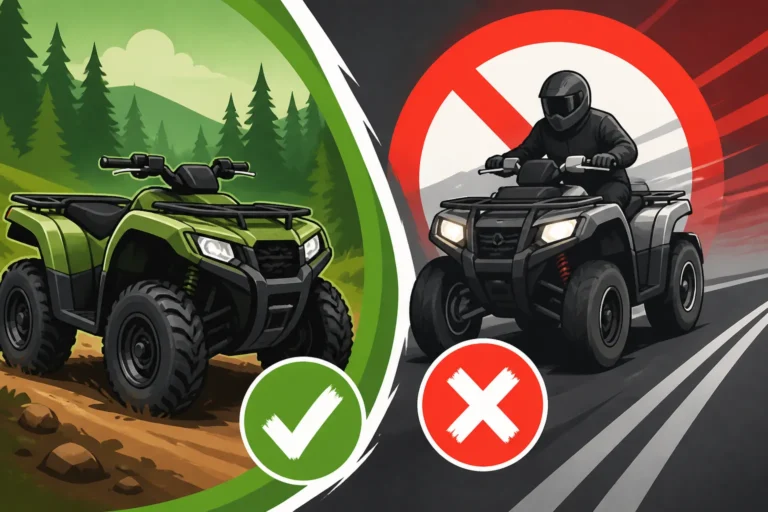
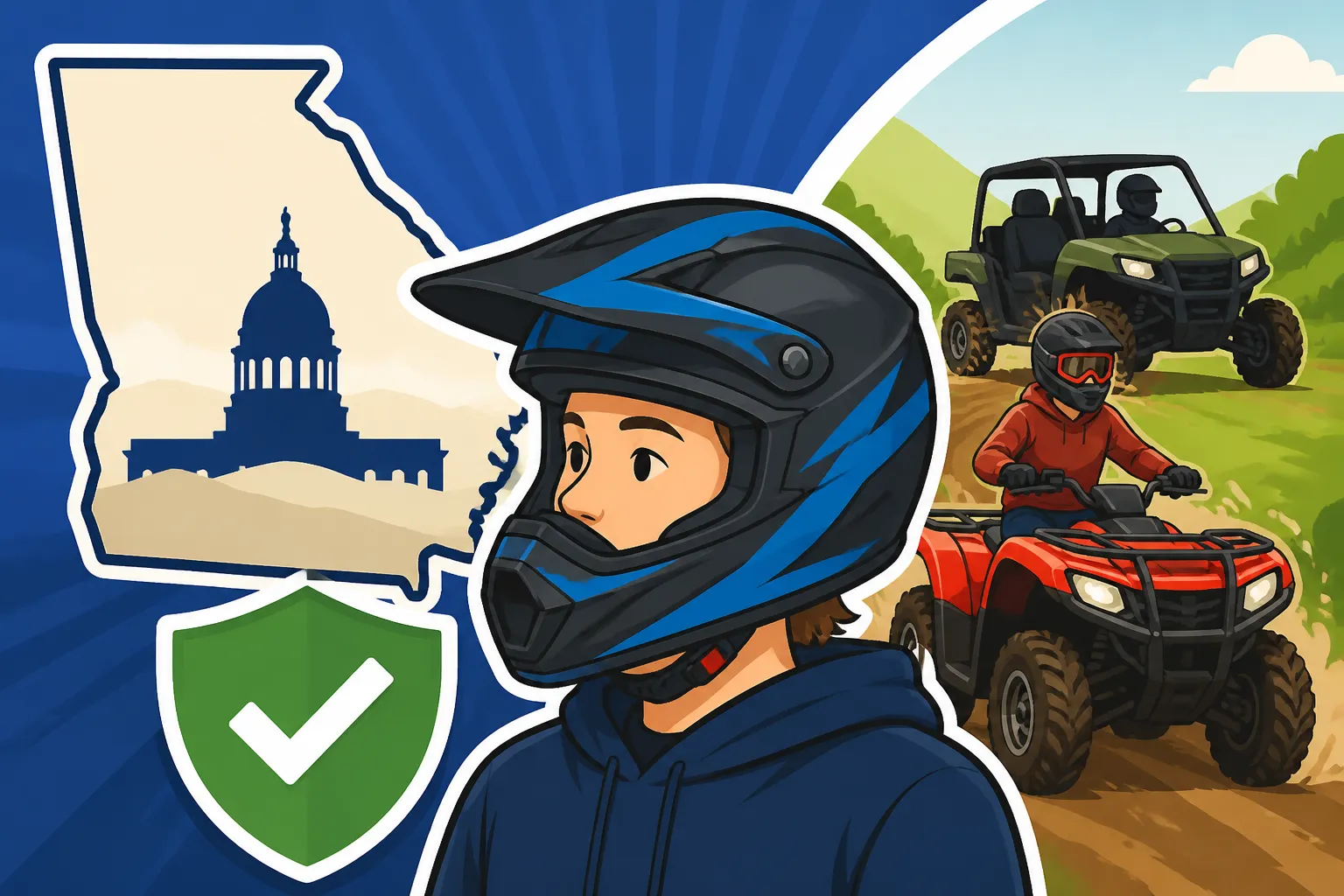
This is the big one, the rule that often catches people unaware. In Georgia, if you are operating an ATV or a UTV and you are under the age of 18, you must wear a protective helmet. This isn't optional; it's a legal mandate. This rule applies anytime an underage rider is operating a machine on public property, which includes designated trails within state or national forests, Wildlife Management Areas (WMAs) during permitted times, or even the county roads where certain machines are now legally allowed to operate. The state is clear: younger riders need that extra layer of protection, especially when sharing space or navigating terrain where unpredictable elements might arise.
Enforcement of this rule is serious. Law enforcement officers, whether they are local deputies, DNR rangers, or forest service personnel, are authorized to ticket individuals who violate this provision. The intention behind the law is not to be punitive but to underscore the importance of safety. However, the reality is that a violation can lead to a significant penalty. Imagine your teenager, excited for a ride, being stopped by a deputy and receiving a citation simply because they weren't wearing a helmet. It’s a preventable situation, but one that could cost you both financially and in terms of peace of mind. For a deeper dive into this, check out [Georgia ATV Helmet Law for Riders Under 18].
When we talk about "public access," we're considering any land that isn't privately owned by you or someone who has given you express permission to ride without specific safety requirements beyond their own discretion. This encompasses the vast network of legal riding opportunities in Georgia, from the trails up in the Chattahoochee-Oconee National Forest to specific county roads that are open to properly registered side-by-sides. If you're on a trail managed by the state or federal government, or any road that's maintained by a county, the under-18 helmet rule is firmly in effect. Ignoring it isn't just a risk to the rider's safety; it's a risk to your wallet and your legal standing.
The Helmet Requirement on Your Own Property
Now, here's where things get a little nuanced, and it's a point of frequent confusion. Generally speaking, Georgia's state-mandated helmet law for riders under 18 primarily applies when operating an ATV or UTV on public lands or public access roads. This means that if your child is riding on your own private property—your farm, your backyard, a hunting lease you control, or any land where you have exclusive permission to operate—the state helmet law, as written for public areas, typically does not apply. This is a significant distinction because it means the choice and responsibility for helmet use falls squarely on the landowner or the parent/guardian.
While the state law may not directly enforce helmet use on private land, common sense and parental responsibility should always prevail. Accidents can happen anywhere, regardless of ownership, and the potential for head injury is ever-present when operating off-road vehicles. Even if the law doesn't explicitly require it, providing a helmet for a minor riding on private land is simply the smart and responsible thing to do. Many private off-road parks also have their own strict helmet policies for all riders, regardless of age, which they enforce as a condition of entry. So, while your own land might offer a legal loophole, it doesn't offer a safety one.
Ultimately, whether on your property or a friend's, supervising young riders is critical. Even without a specific statute mandating helmets on private land, parents and guardians are still responsible for the safety and well-being of the minors under their care. This means not only providing appropriate safety gear but also ensuring they ride machines suitable for their age and skill level, and that they are properly supervised at all times. The absence of a state mandate doesn't negate the very real risks involved in off-road riding, especially for growing bodies and developing minds.
Exceptions and Exemptions to the Rule
While Georgia’s helmet law for underage ATV and UTV riders is pretty straightforward on public lands, like many regulations, it does have specific carve-outs. These aren't meant to undermine safety but rather to acknowledge practical realities in certain situations. It’s crucial to understand these exemptions fully, as misinterpreting them could still lead to legal trouble or, worse, an unsafe situation. These exceptions generally relate to the purpose of the ride, rather than just the location or the rider's age.
It's tempting to look for ways around rules, but when it comes to safety equipment, especially for minors, it’s really about understanding when the law doesn't apply, rather than actively trying to avoid it. The spirit of these exemptions is usually tied to the utility and necessity of these machines in specific work-related contexts, where wearing a helmet might impede necessary tasks or where the operating environment inherently differs from recreational riding. These aren't blanket passes for any situation, so pay close attention to the details.
Farm, Logging, and Commercial Use Exemptions
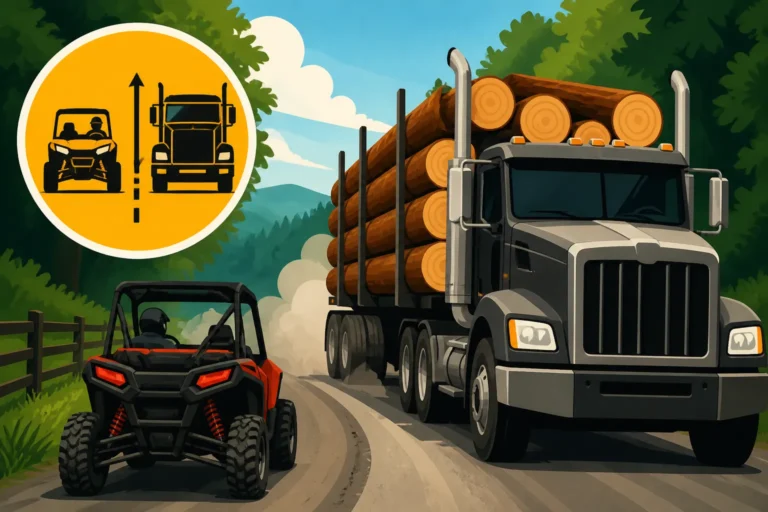
One of the most notable exceptions to the helmet rule for underage operators in Georgia is tied to agricultural, logging, or other specific commercial activities. If a minor is operating an ATV or UTV as part of legitimate farming operations, timber harvesting, or certain defined commercial tasks, they may be exempt from the helmet requirement, even if they are under 18. This exemption recognizes that these vehicles are often essential tools for work on farms and in forests, and that the nature of that work (often slow speeds, frequent stops, and needing full peripheral vision for tasks) can differ significantly from high-speed recreational riding.
For instance, a 16-year-old operating a side-by-side to feed cattle on a large farm, or helping move equipment in a managed timber stand, would likely fall under this exemption. The key here is "legitimate" work. This isn't about joyriding through a field and claiming it's "farm use." It must be a bona fide part of an agricultural, logging, or commercial enterprise. The intent of the ride must be directly related to the work, not simply commuting or recreational use on a farm. Documentation or a clear connection to the work being performed would be vital if questioned by authorities. For more details on these work-related allowances, consider reading [Georgia Farm and Logging Helmet Exemption] and [Georgia Commercial Use Helmet Exemption].
These exemptions are a common-sense acknowledgement of how off-road vehicles integrate into Georgia's rural and commercial landscapes. However, it's always wise to err on the side of caution. Even with an exemption, a helmet offers protection. Many farmers and loggers, despite the legal exemption, still choose to wear helmets or ensure their younger workers do, recognizing that an accident can happen during any activity. It’s a matter of weighing the practicalities of the work against the undeniable safety benefits of head protection.
Exemptions on Private Land and Designated Trails
As touched upon earlier, the state-mandated helmet law for those under 18 primarily targets public spaces. This means that on private property, the specific state helmet law for minors typically does not apply. If you own the land, or have direct permission from the owner, the decision regarding helmet use for minors usually rests with the property owner or the minor's parent/guardian. This offers flexibility, but it also places a greater burden of responsibility on those in charge. It’s important to distinguish between what the law requires and what is safe practice.
However, this doesn't mean all private land is a free-for-all. Many private off-road parks and recreational areas in Georgia, such as the popular Iron Mountain Resort or Highland Park Off-Road Resort, have their own very stringent safety rules. As a condition of entry, these parks often require all riders, regardless of age, to wear DOT-approved helmets. They do this not because a state law mandates it for adults on their private land, but because it's a crucial part of their liability and safety protocols. Before visiting any private park, always check their specific rules regarding helmets, age limits, and other safety gear to avoid disappointment or being turned away at the gate.
For instance, a family visiting a private riding park for the weekend might find that their 15-year-old needs a helmet not because a Georgia statute demands it on that specific piece of private land, but because the park's own waiver and rules require it. Similarly, if you’re riding on land leased by a hunting club, the club itself might have rules about helmet use for minors that are stricter than state law. It’s always best to clarify these specifics beforehand. While the state offers exemptions for private land, private entities often implement their own, sometimes more comprehensive, safety standards, which riders must adhere to.
The Broader Context: Safety, Enforcement, and Penalties
Understanding Georgia's ATV helmet law for minors isn't just about avoiding a ticket; it's fundamentally about ensuring the safety of our young riders. While the legal age limit for mandatory helmet use is a specific point, the broader conversation around off-road vehicle safety encompasses much more. It's about proactive choices, responsible supervision, and being fully aware of the potential consequences if rules are disregarded. The law serves as a minimum standard, but true safety often requires going beyond that.
The state doesn't just put these laws on the books for no reason. They are the result of countless hours of study, accident data analysis, and a commitment to public welfare. The consequences for ignoring these rules are designed to be a deterrent, a clear signal that the state takes the safety of its youngest off-road enthusiasts seriously. It's a reminder that freedom to explore the outdoors with these machines comes with significant responsibilities, particularly when children are involved.
Consequences of Non-Compliance
Let’s be blunt: violating Georgia’s helmet law for underage ATV and UTV operators on public land comes with real, tangible consequences. This isn't a minor slap on the wrist. If a law enforcement officer observes a minor under 18 operating an off-road vehicle without a helmet in a mandated area, they can issue a citation. This violation is typically classified as a misdemeanor. This means it’s a criminal offense, not just a traffic infraction. The implications of a misdemeanor can extend beyond just the immediate fine, potentially impacting future opportunities or records.
The financial penalty for such a violation can be significant. Georgia's law specifies a potential fine amount that can reach up to $500. This doesn't necessarily include court costs, which can add substantially to the total financial burden. Imagine a weekend trip to a national forest trail turning into an unexpected and costly trip to court because a helmet was forgotten or intentionally skipped. For a detailed look at the financial aspects, you might want to review [Georgia's $500 Helmet Violation Penalty] and [Georgia Ticket Cost for Illegal Road Riding]. It's a hefty price to pay for what is often a preventable oversight.
Beyond the legal and financial ramifications, the most critical consequence of non-compliance is, of course, the increased risk of severe injury. Helmets are designed to protect the most vital and vulnerable part of the human body: the head. A minor under 18, often with less developed coordination, judgment, and physical resilience, is at a higher risk for serious head trauma in an accident. The law exists to mitigate this risk. Choosing to ignore it is not just breaking a rule; it's potentially gambling with a child's long-term health and well-being.
What Law Enforcement Looks For
When a Georgia deputy, game warden, or forest ranger encounters an ATV or UTV on public land, they're typically looking for a few key things to ensure compliance with the law. For underage riders, the helmet is almost always at the top of their checklist. They're trained to observe whether a rider appears to be under 18 and, if so, whether they are properly equipped with a DOT-approved helmet. This isn't usually an arbitrary stop; it's part of their duty to enforce safety regulations on public recreational and transportation routes.
Officers will also be checking for other compliance points, such as whether the vehicle itself is properly registered if it's operating on a county road as a [Georgia MPOHV Registration Explained], and whether the operator holds a valid driver's license if required for the specific road or age group. While a license might not be directly tied to helmet use, it's part of the overall picture of legal operation. For more on licensing, see [Georgia Driver's License Rules for MPOHV Operators]. If a minor is driving on a county road, for example, they might be subject to multiple layers of scrutiny.
It’s important to remember that law enforcement often exercises discretion, but a clear violation of a safety law like the helmet mandate for minors leaves little room for leniency. An officer isn't there to ruin your day, but they are there to ensure public safety and adherence to the law. A straightforward interaction where all rules are being followed is always the best-case scenario. Be prepared, be compliant, and prioritize safety, and your interactions with law enforcement will likely be positive.
Making Smart Choices for Younger Riders
Beyond the letter of the law, making smart choices for younger riders is about fostering a culture of safety. It's a combination of proper equipment, attentive supervision, and continuous education. For many families, off-road riding is a cherished pastime, a way to connect with nature and enjoy thrills. Ensuring that this experience remains positive and safe, especially for children, requires intentional effort and forethought.
It's not enough to simply hand a child a helmet and tell them to put it on. True safety involves understanding why these rules and practices exist, equipping them properly, and guiding them through the learning process. As parents and guardians, we are the primary educators and role models for our children, and our approach to off-road safety will significantly influence their habits and attitudes.
Choosing the Right Helmet and Gear
Selecting the correct helmet is paramount. It's not just any helmet; it needs to be a DOT-approved helmet, meaning it meets the safety standards set by the Department of Transportation. This ensures it's designed to offer adequate protection in a crash. Helmets come in various styles (full-face, open-face with goggles) and sizes, and fit is crucial. A helmet that is too large can shift around during a ride or impact, reducing its effectiveness, while one that is too small will be uncomfortable and could impair vision. Always measure the rider's head and refer to the manufacturer's sizing chart.
Beyond the helmet, other safety gear is highly recommended, even if not explicitly mandated by law. Goggles protect eyes from dust, debris, and branches. Gloves offer grip and protect hands from scrapes and blisters. Long sleeves and pants, preferably made of durable material, can prevent road rash and cuts. Sturdy boots that cover the ankles provide support and protection for the feet. Think of it as a complete safety system; each piece plays a role in minimizing injury. Companies like SuperATV offer a wide range of accessories and gear that can enhance safety and comfort for riders of all ages, including specialized helmets, goggles, and protective apparel. Investing in quality gear for your child is an investment in their safety and enjoyment.
Proper maintenance of gear is also essential. Helmets should be inspected regularly for cracks or damage, especially after an impact, and replaced if compromised. Liners can be removed and washed, and goggles should be kept scratch-free for clear vision. This attention to detail ensures that the safety equipment is always in top condition and ready to perform its critical function.
Supervising Young Riders and Training
No amount of gear can replace attentive adult supervision, especially for young or inexperienced riders. Even if the law allows a minor to operate an ATV or UTV, constant, hands-on supervision by a responsible adult is non-negotiable. This means being physically present, actively observing their riding, and being ready to intervene if necessary. Supervision allows you to teach proper riding techniques, identify hazards, and correct unsafe behaviors immediately.
Consider enrolling young riders in a voluntary ATV safety course. While Georgia does not have a state-mandated safety course, many organizations offer comprehensive training programs. These courses teach critical skills such as proper turning, braking, ascending and descending hills, and navigating obstacles. They also instill a strong understanding of rider responsibility and environmental ethics. Taking a course, even if not required, can significantly boost a child's confidence and competence, making them safer riders. Many parents find these courses invaluable, providing professional instruction that reinforces the lessons taught at home. For more information on such options, you might look into [Georgia Online Safety Courses Riders Take Anyway].
Finally, ensure the machine is appropriate for the child's age, size, and skill level. Many manufacturers offer youth-sized ATVs and UTVs with speed limiters and other safety features. Allowing a child to ride a machine that is too powerful or too large for them is an invitation for disaster. Start small, allow them to gain experience and confidence, and gradually progress as their skills develop. It's a marathon, not a sprint, when it comes to safe and enjoyable off-road riding for the younger generation.
Georgia ATV/UTV Helmet Requirements Overview
| Rider Age Category | Operating Location | Helmet Requirement | Legal Mandate |
|---|---|---|---|
| Under 18 | Public Land/Roads | Mandatory | Yes, by state law. |
| Under 18 | Private Property | Owner/Guardian Discretion | No state law, but highly recommended; private parks may require. |
| Under 18 | Farm/Logging/Commercial Use | Exempt | Yes, under specific conditions of legitimate work. |
| 18 and Older | Public Land/Roads | Recommended | No state law for operators; passengers on registered MPOHVs may vary by park. |
| 18 and Older | Private Property | Recommended | No state law; private parks may require. |
Disclaimer
This article is for general informational purposes only and does not constitute professional advice. Laws, prices and regulations vary by location and change over time. Consult a qualified professional for guidance on your specific situation.