Returning a Plate After a Sale
Selling your beloved off-highway vehicle in Georgia can feel like a huge accomplishment, but the process doesn't end when the cash changes hands or the new owner drives away. Many folks forget one crucial step: what to do with that registration plate. Neglecting to properly return your Georgia MPOHV plate after a sale can lead to unnecessary headaches, potential liability, and even fines. This guide will walk you through the precise steps to ensure you properly handle your Georgia off-road vehicle plate after selling your machine, keeping your records clean and your mind at ease.
Understanding Your Obligation to Return the Plate
It's easy to overlook the physical plate once a sale is complete. You've got the money, the machine is gone, and you're moving on. However, in Georgia, that metal or plastic plate is more than just a piece of identification for your machine; it represents an active registration that links back to you. Understanding this connection is key to appreciating why returning the plate isn't just a suggestion, but a necessary part of the process.
Why Georgia Requires Plate Return After Sale
The state of Georgia takes its vehicle registrations seriously, and that includes the newer MPOHV program for your side-by-side or utility vehicle. When you register an MPOHV, that plate is issued specifically to you and your machine. If you sell that machine, your ownership of the vehicle—and therefore your responsibility for its registration—ends. The state needs to know that this registration is no longer active under your name to prevent future complications. Failing to return the plate promptly can create a legal limbo where the state's records might still show you as the responsible party for a machine you no longer own. This isn't just about bureaucracy; it's about protecting you from potential issues down the road. Imagine if the new owner, perhaps inadvertently, gets into trouble while riding, and that plate is still technically linked to you. While Georgia has specific rules regarding the transfer of ownership, physically returning the plate is a clear signal that you've completed your part of the process. For more details on the sales process itself, check out [Selling a Registered MPOHV in Georgia].
What Happens to the Registration After a Sale
When you sell your registered MPOHV, the associated registration is essentially canceled from your end. Unlike passenger vehicles which have a title that transfers, Georgia's MPOHV program issues a certificate of registration. Once the machine is sold, that certificate is no longer valid for you. The plate, being a physical representation of that registration, also becomes invalid. If you simply keep the plate or dispose of it yourself without officially notifying the county tag office, their records will still reflect that the registration is active. This can lead to your name remaining in the system for a machine you no longer possess. While the new owner can then seek their own registration, your responsibility isn't fully discharged until that plate is off the system. It’s about severing the last official tie to that particular off-road machine in your name, making sure that your responsibilities have concluded once the sale is complete.
The Step-by-Step Process for Plate Return
Returning your MPOHV plate in Georgia is a fairly straightforward process, but knowing what to expect and what materials to bring can save you a lot of time and frustration. It's all about making sure you have the right documentation and you visit the correct office.
Gathering Necessary Information Before You Go
Before you head to the county tag office, it's wise to gather a few items. First and foremost, you'll need the MPOHV registration plate itself. This might seem obvious, but it's surprising how many people arrive without it! It’s also a good idea to bring your current MPOHV registration certificate, even though the primary requirement is the plate. This helps the tag office quickly locate your records and confirm the registration details. Additionally, carrying a valid form of identification, like your Georgia driver's license, is always a good practice. While not always explicitly required for a simple plate surrender, it ensures you can verify your identity if needed.
Perhaps the most crucial piece of information to have for your records, even if the tag office doesn't ask for it, is a copy of the bill of sale for the MPOHV. This document proves that you no longer own the machine and on what date the transfer occurred. It serves as essential proof for you should any questions arise later regarding the vehicle. If you haven't created one yet, a reputable service like LawDepot can help you generate a professional and legally sound bill of sale that holds up at the tag office. This way, you have a solid paper trail documenting the transfer of ownership. For more on proper sales documentation, consider reading [Bills of Sale That Hold Up at a Tag Office] or [Georgia Ownership Affidavit for an MPOHV].
Visiting Your Local County Tag Office
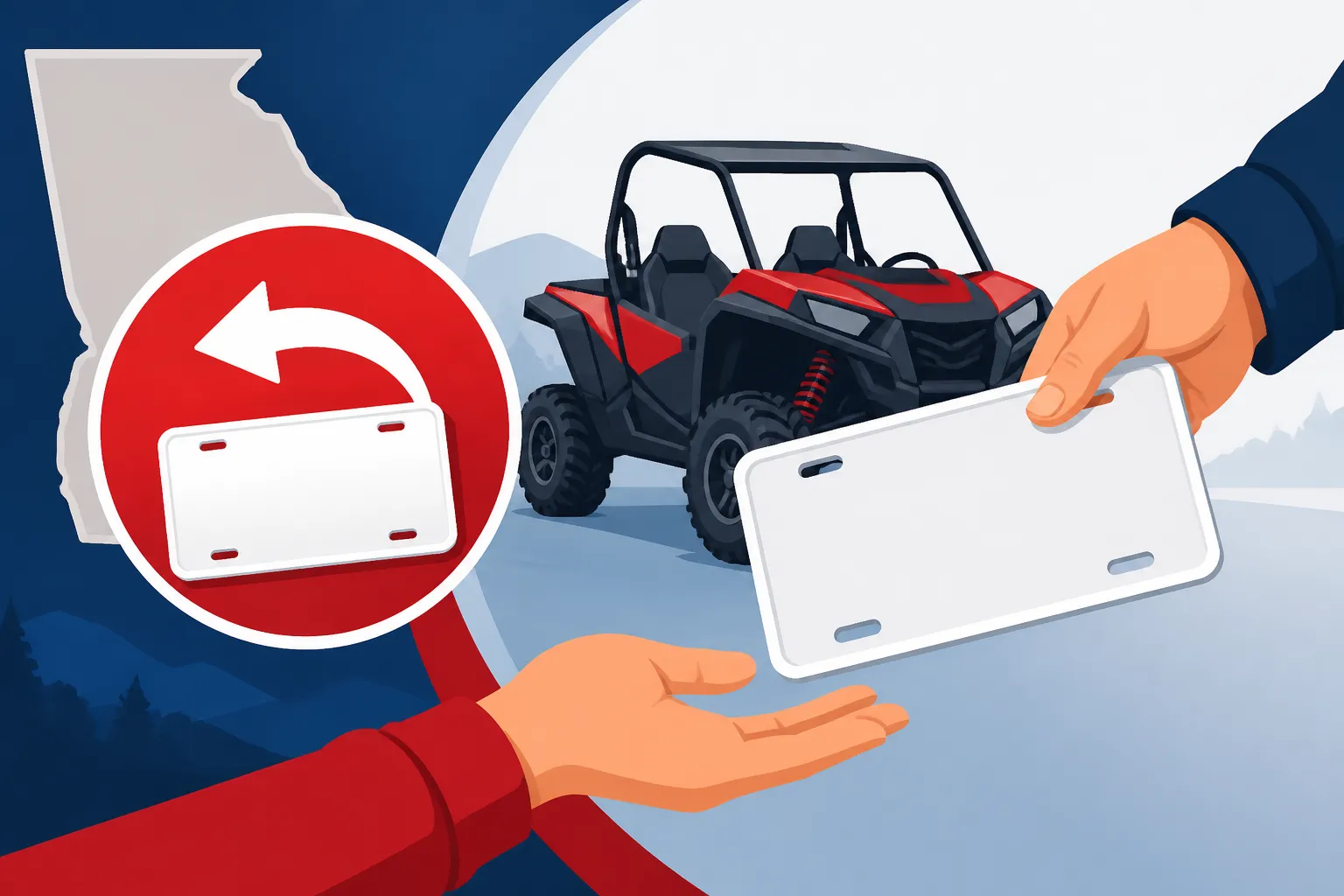
The primary way to return your MPOHV plate in Georgia is by visiting your local county tag office. This should be the tag office in the county where the MPOHV was originally registered. You can't just drop it off anywhere; it needs to go back to the county that issued it to properly clear your record. Once there, inform the customer service representative that you are there to surrender an MPOHV plate after selling your machine. They may have a specific form for you to fill out or simply take the plate and process the cancellation electronically.
The process is usually quick and efficient. The clerk will update the state's system, marking the registration as canceled and recording the return of the plate. You might be given a small receipt or confirmation number, which you should definitely keep for your records. This piece of paper is your official proof that you've done your due diligence. You can find more information about the role of these offices in [Where the County Tag Office Fits In] and how they handle registration in [Georgia County Tag Office Steps for an MPOHV]. It's a simple step, but one that absolutely closes the loop on your responsibilities.
Mailing the Plate When a Counter Visit Isn't Possible
Life can get busy, and sometimes a trip to the county tag office isn't feasible, especially if you've moved or have limited time. Fortunately, Georgia allows you to mail your MPOHV plate back to the appropriate county tag office. This option provides flexibility, but it comes with its own set of best practices to ensure it's handled correctly.
When mailing, you'll want to send the plate to the same county tag office where the MPOHV was registered. It’s crucial to include a brief, clear letter explaining that you are surrendering the MPOHV plate after selling the machine, and include your name, address, and the VIN of the machine, if you have it. This helps them identify your record accurately. The most important recommendation for mailing a plate is to use a service that provides tracking and proof of delivery, such as certified mail. This way, you have official documentation that the plate was received by the tag office, protecting you from any claims that it wasn't returned. Without a physical counter receipt, this proof of delivery becomes your safeguard. Make sure the plate is securely packaged to prevent damage or loss during transit.
What to Do If You've Lost the Plate
Accidents happen, and sometimes that MPOHV plate might go missing before you have a chance to return it. Perhaps it fell off during a rough ride, or maybe you simply misplaced it amidst the paperwork shuffle of selling your machine. Don't panic; Georgia has a process for this situation too, but it requires a few extra steps to ensure your record is cleared.
Reporting a Lost Plate to the Authorities
If your MPOHV plate is lost or even stolen before you can return it, the first thing you should do is report it. While you might not need to call 911, contacting your local law enforcement agency's non-emergency line or visiting their station to file a report is a good idea. This creates an official record that the plate is no longer in your possession due to circumstances beyond your control. This report can be invaluable if the plate were ever to be found and misused, as it provides a clear timeline of when it went missing. Presenting this report to the county tag office shows them you've taken appropriate action and are not just trying to avoid the return process.
Affidavit of Non-Receipt or Lost Plate
When you go to the county tag office to clear your MPOHV registration, and you don't have the physical plate to surrender, you will likely need to complete a "Lost Plate" or "Affidavit of Non-Receipt" form. This is a sworn statement affirming that the plate has been lost, stolen, or was never received in the first place. You will typically sign this affidavit under penalty of perjury, so it's essential to be truthful and accurate in your account. The tag office will use this document to officially remove the plate from your record and cancel the registration. They need this formal declaration to justify the cancellation without the physical plate. For assistance with drafting various legal documents, including affidavits, resources like LawDepot can be helpful in understanding the general format and requirements, though the specific form for a lost plate will be provided by your county tag office. This affidavit ensures that even without the physical plate, your record can be properly updated and your responsibilities concluded.
Common Pitfalls and Best Practices
Navigating the aftermath of selling an off-highway vehicle, particularly the plate return, can sometimes feel like a minor detail that's easily forgotten. However, overlooking this step can lead to a surprising number of problems. By being proactive and organized, you can avoid these common pitfalls and ensure a smooth transition.
Avoiding Liability After the Sale
The biggest reason to promptly return your Georgia MPOHV plate is to unequivocally sever your ties and avoid any lingering liability. As long as that plate is out there and theoretically linked to you in the state's system, there's a slim but real chance that you could be contacted regarding issues related to the machine. This could range from parking citations if the plate is somehow attached to another vehicle, to more serious implications if the machine is involved in an incident. While the new owner should register the machine in their name, their failure to do so doesn't automatically absolve you if your old plate is still active.
Imagine a scenario where the new owner of your side-by-side uses your old plate number (perhaps they copied it down before you removed it, or you simply left it on the machine) and commits a traffic infraction on a county road that allows MPOHVs. The citation might initially come to you because your name is still associated with that plate number in the system. While you'd eventually be able to prove you sold the machine, that's time, stress, and hassle you could easily avoid by returning the plate immediately after the sale. This immediate action creates a clear end date for your responsibility. For comparison, it's a bit like avoiding the issues that arise if [What Happens If You Never Register] your machine in the first place, but in reverse.
Documenting the Entire Sales and Return Process
When it comes to selling any vehicle, documentation is your best friend. This is especially true for an MPOHV, which doesn't have a traditional title that automatically transfers ownership. You want a clear, comprehensive paper trail for every step of the process. This includes:
- A Detailed Bill of Sale: This document should include the date of sale, the price, the names and addresses of both buyer and seller, and the complete VIN of the MPOHV. A well-drafted bill of sale, perhaps generated using a reliable template from a service like LawDepot, is your primary proof of ownership transfer.
- Proof of Plate Return: Whether it's a receipt from the county tag office, a certified mail receipt with tracking, or a copy of a lost plate affidavit, keep this document safe. This is your definitive proof that you fulfilled your obligation to the state.
- Communication Records: If you had any specific communications with the buyer regarding the plate or registration, keep notes or copies.
Having these documents on hand can resolve disputes quickly and efficiently. If a question ever arises years down the line, you won't be scrambling to recall details from memory. This comprehensive approach to record-keeping protects you from potential legal issues, unwarranted fines, or simply the headache of having to explain yourself without concrete evidence. Think of it as protecting yourself from situations like [Georgia Registration When the Seller Has No Paperwork], but from the seller's perspective. It ensures that when your MPOHV leaves your possession, your responsibilities end cleanly and clearly.
| Method of Plate Return | What You Need | Best For | Key Benefit |
|---|---|---|---|
| In-Person at Tag Office | Plate, current registration (optional), ID | Quick, direct confirmation, immediate receipt | Official receipt, instant record update |
| Mailing the Plate | Plate, cover letter (VIN, name, address) | Remote sellers, busy schedules | Flexibility, convenience (if documented) |
| Lost/Stolen Plate Affidavit | ID, police report (if applicable), completed affidavit | Missing plate scenarios | Clears record without physical plate |
Disclaimer
This article is for general informational purposes only and does not constitute professional advice. Laws, prices and regulations vary by location and change over time. Consult a qualified professional for guidance on your specific situation.