Georgia Registration Paperwork Checklist
Trying to navigate the paperwork required to register your off-road machine in Georgia can feel like trying to find your way through a kudzu patch in the dark – confusing, overwhelming, and easy to get tangled up. Many riders simply throw their hands up in frustration, wondering why something that should be straightforward turns into such a scavenger hunt. This guide is here to untangle that mess, breaking down exactly what documents you need to bring to the Georgia County Tag Office to get your Modified Off-Road Vehicle (MPOHV) officially registered for county road use.
The Foundation: Core Documents for Every MPOHV Registration
No matter if you just bought your side-by-side or you've owned it for years, there are a few fundamental pieces of paperwork that every single person registering an MPOHV in Georgia will need. Think of these as your non-negotiables, the absolute must-haves that the county tag office will demand to see before they even consider processing your application. Without these, you're pretty much guaranteed to be sent home to gather more.
Proof of Ownership: The Bill of Sale or Affidavit
This is arguably the most critical piece of the puzzle: demonstrating that you are the rightful owner of the MPOHV you're trying to register. For most people, this means a clean, clear bill of sale. If you purchased your machine from a dealer, they would have provided you with a formal bill of sale that details the machine's VIN, the purchase price, the date of sale, and identifies both the buyer and the seller. This document is usually straightforward and readily accepted.
However, many off-road enthusiasts buy their machines through private sales, and sometimes those transactions are a little less formal. Maybe it was a cash deal with a buddy, or the original bill of sale from years ago has gone missing. This is where things can get tricky. If you don't have a traditional bill of sale, or if the one you have is incomplete, you'll likely need an [Georgia Ownership Affidavit for an MPOHV]. This is a sworn statement, often called Form T-22B or similar, where you attest under penalty of perjury that you are the legal owner. It requires specific information about the machine and how you came to own it. Sometimes, tools like LawDepot can provide customizable bill of sale templates that might help formalize past transactions for your records, or provide a template for a new one. This ensures all necessary details are included to prevent headaches later on.
The Georgia Form MV-OHV: Your Application in Black and White
Beyond proving ownership, you also need to formally apply for the MPOHV registration. This is done through a specific form provided by the Georgia Department of Revenue, typically the [Georgia Form MV-OHV and What It Asks]. This isn't just a simple slip of paper; it's a comprehensive affidavit where you certify that your machine meets all eight of Georgia's eligibility criteria for MPOHV registration. This means you'll be signing off that your machine has a steering wheel (not handlebars!), a non-straddle seat, seat belts, proper lighting, rearview mirrors, falls within specific speed limits (25 mph minimum, 65 mph maximum), and meets certain weight and width restrictions.
Filling this form out accurately and completely is paramount. Any discrepancies or omissions could delay your registration or even lead to denial. You'll need your vehicle identification number (VIN), make, model, year, and other identifying details. The form acts as your declaration that your vehicle is compliant and ready for registration, essentially putting the responsibility on you to ensure it fits the bill. It's not a form you want to rush through; take your time and double-check every box against your machine's actual specifications.
Supporting Documentation: What Else the Tag Office Needs
Once you have your core ownership proof and your completed MPOHV affidavit, you're not quite done. The county tag office needs several other pieces of information to verify your identity, residency, and ensure you're ready to hit the county roads safely and legally. These pieces often trip people up because they seem secondary but are absolutely mandatory.
Proof of Georgia Residency and Identity
Just like with any vehicle registration, the state needs to confirm who you are and that you actually live in Georgia. This typically means bringing a valid Georgia driver's license or state-issued identification card. This ID confirms your identity and also serves as proof of your current Georgia address. If your driver's license doesn't reflect your current residential address, you might need to bring additional documents, such as a utility bill, lease agreement, or property tax statement, to establish your residency. The tag office needs to know they are registering the machine to a legitimate Georgia resident in the correct county. Remember, you register in the county where you live, so [Registering in the County Where You Live] is a crucial step that relies on this proof.
For new residents to Georgia, this might involve slightly different steps to establish residency, so it’s always a good idea to check with your local county tag office directly if you’ve recently moved. They can guide you through any specific requirements for proving your new Georgia home.
Evidence of Required Liability Insurance
Before your MPOHV can legally touch a Georgia county road, it must be insured. The state mandates specific minimum liability coverage, just like with cars and trucks. You'll need to provide proof of this insurance at the tag office. This usually comes in the form of an insurance card or a declaration page from your insurance provider that clearly shows the policy is active, lists your MPOHV by its VIN, and confirms it meets Georgia's minimum liability requirements.
It’s crucial that your insurance specifically covers your off-road machine for road use, even if it's limited to county roads. Some ATV/UTV policies are only for off-road or private property use and won't satisfy the registration requirement. Make sure to talk to your insurance agent well in advance to ensure you have the correct type of coverage. The tag office will not issue a plate without this verification, highlighting how [Georgia Liability Insurance Tied to Registration] is a non-negotiable part of the process.
Sales Tax Confirmation or Exemption
Georgia charges sales tax on the purchase of off-road vehicles, and this tax needs to be accounted for before your registration can be finalized. If you purchased your MPOHV from a Georgia dealer, the sales tax would typically have been collected at the time of sale and remitted by the dealer. In this scenario, your dealer's bill of sale should clearly show the sales tax collected. If you purchased privately, you are generally responsible for paying the sales tax directly to the state when you register. This is often part of the process at the tag office itself.
There are some nuances, particularly for machines owned before the MPOHV registration system began or for those bought out-of-state. For instance, [Georgia Sales Tax Paid Before Registration] is a standard procedure. For machines owned before June 30, 2024, there's often a presumption that sales tax was already handled, but you may still need to attest to this. It's critical to understand these rules because if sales tax hasn't been properly addressed, you won't be able to complete your registration. Again, a clear bill of sale is often key here. LawDepot also provides forms that assist with documenting such financial transactions formally, which can be useful even in private sales.
Special Cases: When You Need Even More Paperwork
While the core documents cover most situations, life is rarely that simple. There are several scenarios where you might need to bring additional forms, certifications, or proofs to successfully register your MPOHV. Being prepared for these can save you a frustrating second trip to the tag office.
Missing Serial Number or Branded Title Situations
Imagine buying a used side-by-side, only to realize the serial plate is gone, or it has a "branded" certificate warning about prior damage. These situations require extra steps. If your MPOHV’s serial number plate is missing, defaced, or otherwise illegible, you will likely need a law enforcement inspection. This ensures the machine isn't stolen and can establish a new, verifiable identification. This is a crucial check, as [Georgia Stolen Vehicle Check Before Registration] is a standard part of the process.
For machines with a branded certificate of registration, this means the vehicle has a history that includes significant damage, salvage, or other issues. [What a Branded Registration Warns You About] is important for buyers to understand. While it doesn't prevent registration outright, it often requires a [Georgia Law Enforcement Inspection for a Branded Plate] and an affidavit acknowledging the branding. You'll need to prove you're aware of the branding and still wish to register it. These are safeguards to protect consumers and ensure proper vehicle identification.
Homemade Machines, Gifts, or Inherited MPOHVs
Not every MPOHV rolls off a factory line. Some dedicated enthusiasts build their own, and others receive machines as gifts or inherit them. For a [Georgia MPOHV Registration for a Homemade Machine], you'll face a much more extensive documentation process. This will almost certainly involve a detailed inspection by law enforcement to verify components, safety, and assign a VIN if one doesn't exist. You'll need to provide receipts for major components used in its construction to prove ownership of those parts.
If you received your MPOHV as a gift from a family member, you might need a formal gift letter or a similar ownership affidavit, clearly stating the transfer of ownership without a monetary transaction. Similarly, for an inherited machine, you would likely need probate documents, letters of administration, or an affidavit of inheritance to prove your legal right to the vehicle. These scenarios move beyond a simple bill of sale and require more formal legal documentation to establish a clear chain of ownership. LawDepot can be a useful resource for creating affidavits or gift letters that meet legal standards.
Preparing for Success at the Tag Office
Getting all your paperwork in order before you even step foot in the tag office is the absolute best way to ensure a smooth and successful registration experience. Trying to piece things together on the fly or hoping they'll overlook a missing document is a recipe for frustration and wasted time.
The Ultimate Checklist: What to Double-Check
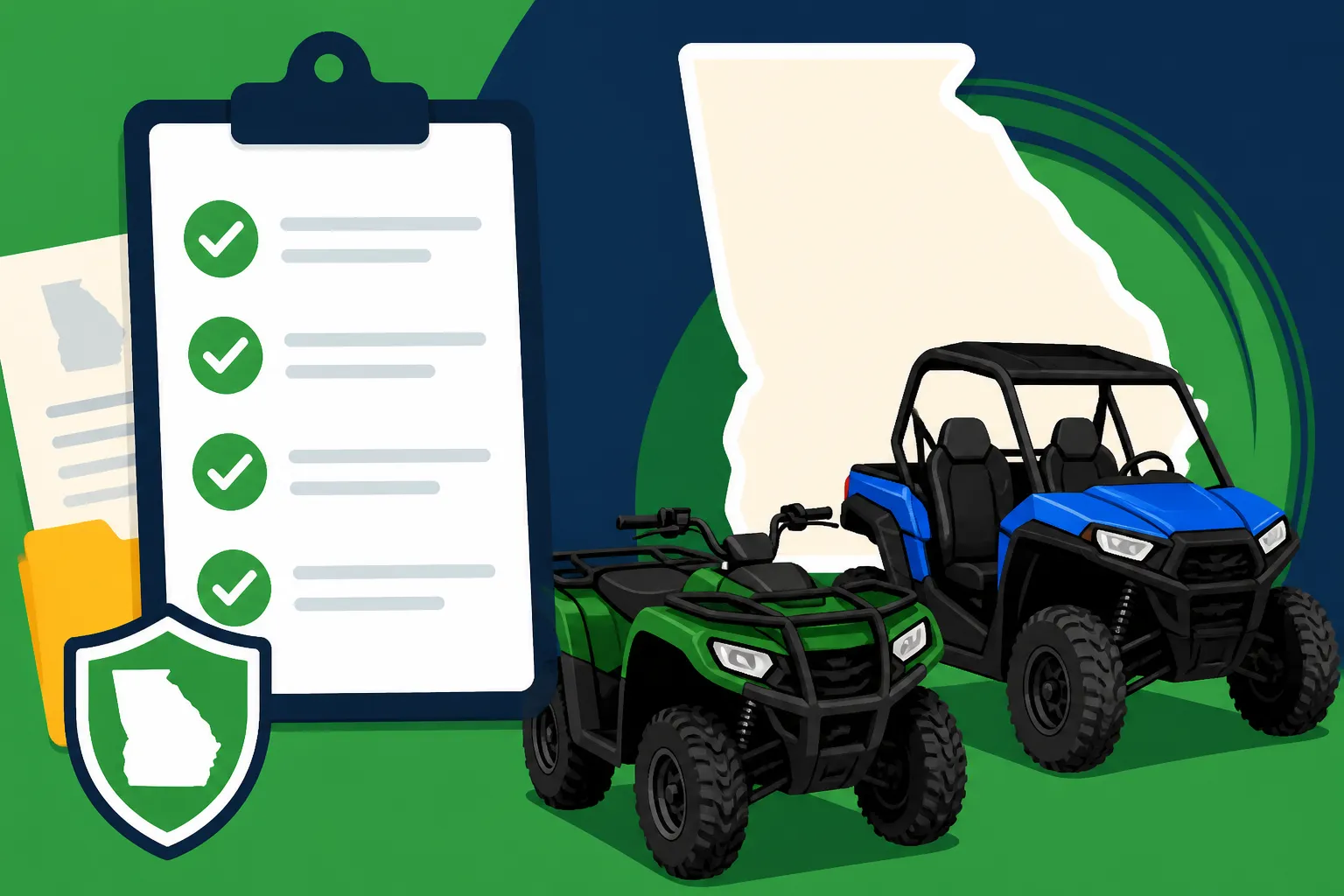
Before you head out, make sure you have:
- Original Bill of Sale or [Georgia Ownership Affidavit for an MPOHV] (Form T-22B): Make sure all fields are filled out, including VIN, buyer/seller info, date, and purchase price.
- Completed [Georgia Form MV-OHV and What It Asks]: Every box checked, every detail accurate, and signed.
- Valid Georgia Driver's License or State ID: And proof of residence if your ID isn't current.
- Proof of Georgia MPOHV Liability Insurance: Active policy, machine listed by VIN.
- Sales Tax Payment Confirmation: Either on the bill of sale or ready to pay at the counter.
- Any additional specific documents: For branded titles, homemade machines, gifts, or inheritance.
It’s often a good idea to make photocopies of everything you bring. While the tag office will keep originals of some documents, having copies for your records is always smart. Remember, the staff at the [Georgia County Tag Office Steps for an MPOHV] are there to help, but their hands are tied if you don't have the required documentation. A little preparation goes a long way toward getting your plate and hitting those county roads.
| Document Type | Purpose | Where to Get It / Who Provides It | Key Details to Check |
|---|---|---|---|
| Bill of Sale | Proves you bought the machine. | Dealer, Private Seller, or LawDepot template | VIN, date, purchase price, buyer/seller names, signatures |
| Georgia Ownership Affidavit (T-22B) | For missing/informal bills of sale; sworn statement of ownership. | Georgia DOR website, County Tag Office, legal templates | VIN, description, how acquired, your signature, notarization |
| Georgia Form MV-OHV | Your official application and certification of eligibility. | Georgia DOR website, County Tag Office | All eligibility boxes checked, VIN, your contact info, signature |
| Georgia Driver's License/ID | Identity and residency verification. | Georgia DDS | Current address, photo, expiration date |
| Proof of Liability Insurance | Confirms required road-use coverage. | Your insurance provider (card or declaration page) | Policy active, MPOHV listed by VIN, Georgia minimums met |
| Sales Tax Proof/Payment | Confirms sales tax was paid or will be paid. | Dealer's bill of sale, or at the Tag Office | Amount paid, date, or exemption basis |
| Law Enforcement Inspection | For branded machines, missing VINs. | Local Sheriff's Office or State Patrol | Inspector's signature, date, findings |
| Gift/Inheritance Documentation | Proves non-purchase transfer of ownership. | Personal affidavit, legal counsel, LawDepot templates | Donor/Deceased details, machine description, transfer date |
What to Expect at the County Tag Office
When you arrive, be prepared for a bit of a wait, especially during peak hours. Have all your documents organized and easily accessible. The clerk will review everything, check your identification, and process your application. They will verify your insurance, confirm sales tax payment, and ensure your MV-OHV form is correctly filled out. If everything is in order, you'll pay the [Georgia MPOHV Registration Cost] and walk out with your new registration plate and decal.
Don't be discouraged if they ask for clarification or point out something you missed. They are simply ensuring compliance with state regulations. A polite and patient approach, combined with thoroughly prepared paperwork, will make the process much smoother for everyone involved. With your paperwork in order, you’ll be ready to enjoy the freedom of riding your MPOHV on Georgia's designated county roads.
Disclaimer
This article is for general informational purposes only and does not constitute professional advice. Laws, prices and regulations vary by location and change over time. Consult a qualified professional for guidance on your specific situation.