Georgia Requires a Steering Wheel, Not Handlebars
It’s a scenario many Georgia off-road enthusiasts know all too well: you’ve got a fantastic machine, you dream of taking it on those quiet county roads to get to your hunting spot or a neighbor’s house, only to find out it simply doesn't meet the state's criteria for registration. One of the biggest points of confusion, and often frustration, revolves around a single, seemingly simple feature: the steering mechanism. This guide will walk you through Georgia's specific requirement for a steering wheel, not handlebars, for machines seeking a motorized cart, recreational vehicle, or off-road vehicle (MPOHV) registration, and what that means for your riding plans.
The Fundamental Rule: Steering Wheel Over Handlebars
When Georgia introduced its MPOHV registration program, it wasn't just throwing a bone to all off-road vehicle owners. There was a very specific vision in mind for what kind of machine would be allowed on designated county roads. And right at the top of that list, separating the "cans" from the "can'ts," is the steering wheel. This isn't just a minor detail; it’s a foundational element that defines the very nature of the vehicle in the eyes of the law.
Why the Steering Wheel Matters for Georgia MPOHV Registration
Think about it from a safety and control perspective, which is often at the heart of these kinds of regulations. A vehicle with a steering wheel implies a certain type of driving posture and control. You're typically seated in the vehicle, not on it, with your hands placed on a circular wheel, much like a traditional car or truck. This setup generally provides a more stable, predictable, and familiar driving experience, especially at the speeds allowed on county roads. The legislature likely viewed this as a critical differentiator for machines that would share public roadways, even if only minor ones. It's about ensuring drivers have a type of control that's more akin to what they're used to in other road-legal vehicles, fostering a sense of predictable handling.
Furthermore, the steering wheel requirement is intrinsically linked to other eligibility criteria. Machines with steering wheels almost always feature a non-straddle seat, seat belts, and typically enclose the occupants more than a traditional ATV. These combined features paint a picture of a utility-style side-by-side or similar vehicle, rather than a sport quad. It’s all part of a larger safety package designed to mitigate risks when these machines are operated on public thoroughfares, even if those thoroughfares are limited to low-speed county roads. The presence of a steering wheel is often the first visual cue that a machine aligns with this broader safety and design philosophy.
What Constitutes a "Steering Wheel" in Georgia's Eyes
When the folks at the Georgia Department of Driver Services (DDS) or your local county tag office look at your machine, they're not looking for just any round object that turns. They’re looking for a steering wheel that functions like those in conventional automobiles. This means a full, circular (or nearly circular, as some modern designs are slightly flattened) wheel that you grip with both hands, positioned to be operated from a seated, non-straddle position. This is distinctly different from the handlebar setup found on motorcycles, dirt bikes, or traditional all-terrain vehicles (ATVs).
The key here is functionality and form factor. Handlebars, by their very nature, require a different body posture and a direct, often leaning, input from the rider. A steering wheel, conversely, is designed for seated operation, offering a more precise and often less physically demanding control, particularly over longer distances or varied terrain. The law is quite clear in this distinction: if your machine has handlebars, it simply won't pass this specific eligibility test, regardless of how robust or safe it might otherwise feel. This direct visual and functional check helps streamline the inspection process for officials, making it a clear go/no-go point.
Examples of Machines That Qualify and Don't
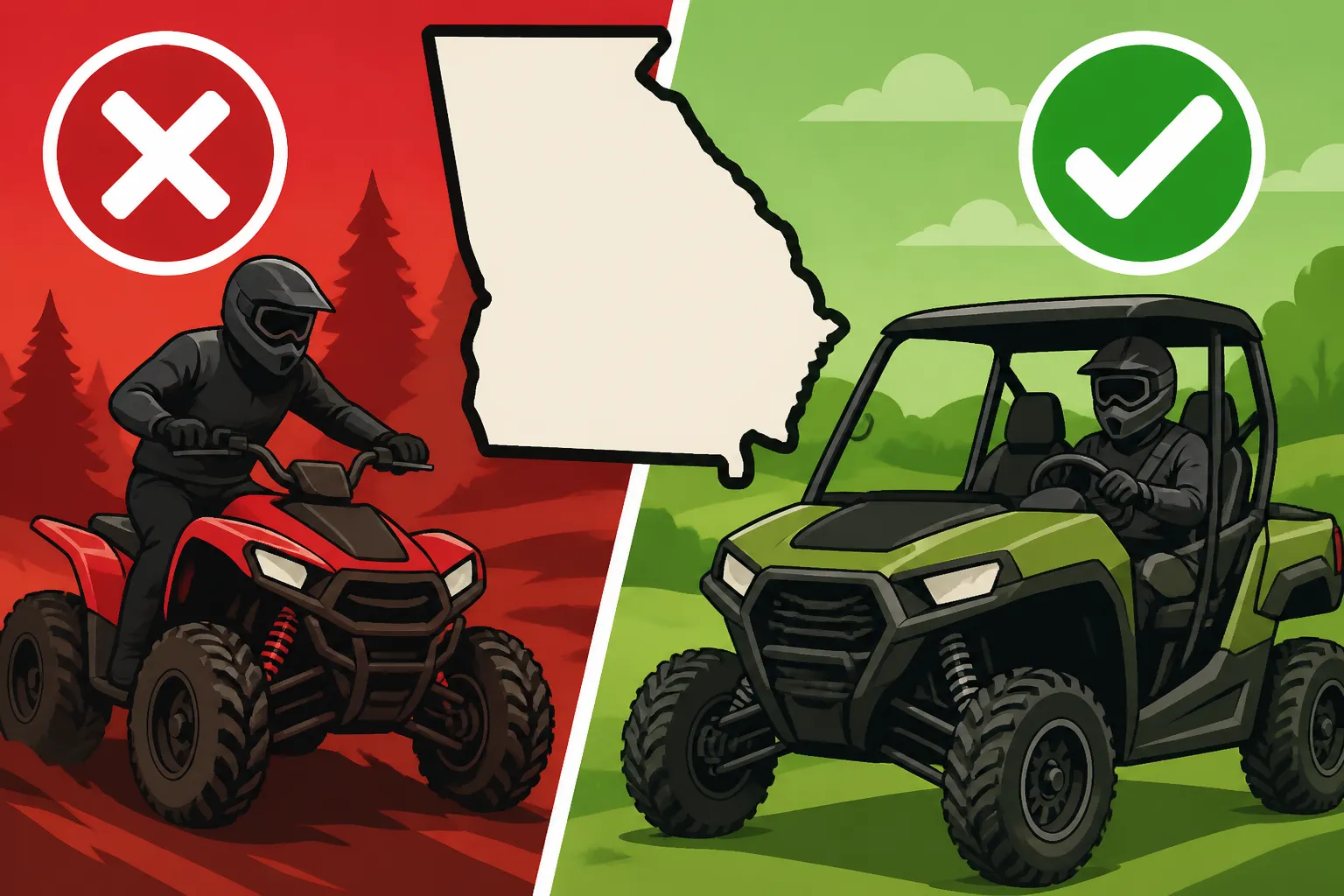
To make this crystal clear, let's look at some popular examples. Machines that do qualify for Georgia's MPOHV registration typically fall into the "side-by-side" or "UTV" category. Think about models like the [Georgia Registration for a Polaris Ranger], [Georgia Registration for a Kawasaki Mule], a [A John Deere Gator on Georgia's Eligibility List], [Can-Am Defender Owners at a Georgia Tag Office], [Honda Pioneer Registration in Georgia], or [Yamaha Viking Owners and Georgia Rules]. These all feature traditional steering wheels, bench or bucket seating, and are designed for utility or recreational purposes with passengers seated beside the driver. They embody the legislative intent for a multi-purpose off-highway vehicle that can safely navigate low-speed county roads.
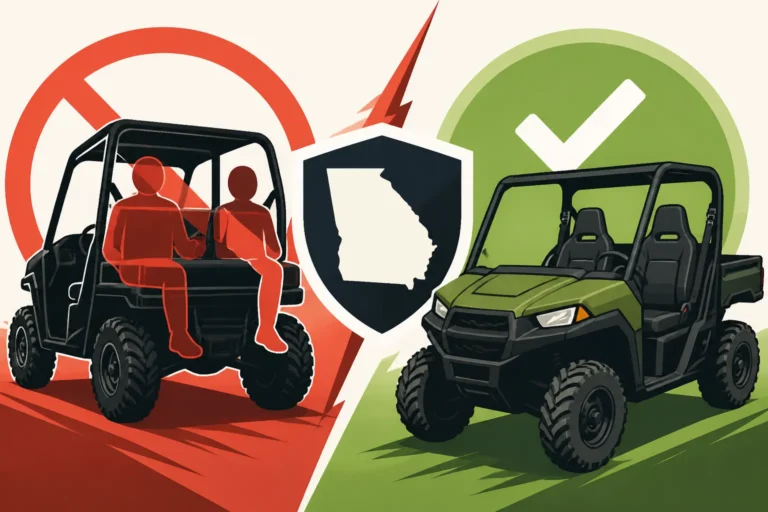
On the flip side, vehicles that do not qualify are almost universally traditional ATVs or "quads." This includes popular models like a Honda Foreman, Yamaha Grizzly, Polaris Sportsman, or a Suzuki KingQuad. While incredibly capable off-road, these machines are designed for a single rider (or sometimes a passenger with specific accommodations) to straddle the seat and control the machine with handlebars. This critical difference immediately disqualifies them from MPOHV registration. Similarly, dirt bikes and three-wheelers are explicitly excluded, as detailed in [Georgia Dirt Bikes and Three-Wheelers Are Excluded]. It's not about capability, but about the specific design features that Georgia has deemed necessary for road access.
Beyond the Steering Wheel: Other Key Eligibility Criteria
While the steering wheel is a critical hurdle, it's not the only one. Georgia's MPOHV program has a comprehensive set of requirements, all designed to ensure that only certain types of off-highway vehicles, primarily side-by-sides, can legally access county roads. These rules are interconnected, forming a complete picture of what a "road-worthy" MPOHV looks like in the state. Understanding these other criteria will give you a clearer idea of your machine's chances.
The Non-Straddle Seat Requirement
This criterion goes hand-in-hand with the steering wheel. If your machine has a steering wheel, it almost certainly features a "non-straddle" seat. This means you sit in the seat, like a car, rather than straddling the machine like a horse or a motorcycle. This distinction is crucial because it speaks to the stability and containment of the rider and any passengers. [Why a Straddle Seat Disqualifies a Machine] delves into this further, but the essence is about the seating position's impact on balance and safety.
A non-straddle seat allows for the proper use of seat belts, another mandatory safety feature for MPOHV registration. When you're sitting securely in a seat with a seat belt, your body is much more protected in the event of a sudden stop or collision compared to being on a straddle seat where you're more exposed. This design choice reinforces the idea that these machines are meant to offer a similar level of occupant protection as other low-speed vehicles that share the road. This combination of a steering wheel and a non-straddle seat truly sets side-by-sides apart from traditional ATVs in the eyes of Georgia law.
Weight, Width, and Speed Limits
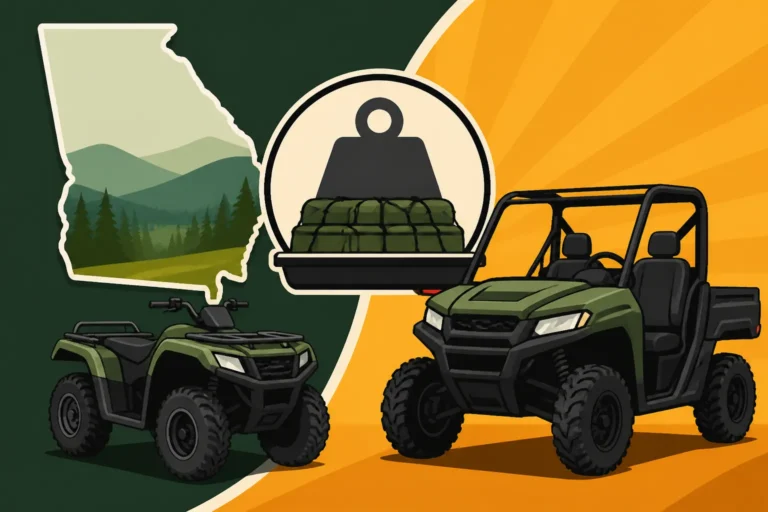
Georgia also places specific physical limitations on registered MPOHVs to ensure they fit within the parameters of safe county road use. Your machine must have a gross vehicle weight rating (GVWR) of 4,000 pounds or less. This [Georgia's 4,000-Pound Gross Weight Ceiling] helps ensure that these vehicles aren't so heavy as to pose an undue hazard to infrastructure or other road users. It distinguishes them from larger, heavier industrial equipment. Additionally, the machine must have a maximum width of 80 inches or less, as detailed in [Georgia's 80-Inch Width Limit for Registration]. This is important for navigating narrower county roads and ensuring they don't take up excessive lane space.
Speed is another critical factor. To qualify, your MPOHV must be capable of reaching a minimum speed of 25 mph but not exceed 65 mph. This [Georgia's 25 to 65 mph Speed Requirement] places them squarely in a category suitable for rural roads where speeds are generally lower than state highways. A machine that tops out below 25 mph would be considered too slow for many county roads, potentially creating traffic hazards, while one exceeding 65 mph might be deemed too fast and unstable for the intended use on unpaved or less-maintained roads. These limits collectively define the operational envelope for registered MPOHVs, ensuring they are neither too large, too slow, nor too fast for their intended role.
Seat Belts, Headlights, and Mirrors
Safety equipment isn't optional; it's mandatory. For an MPOHV to be registered in Georgia, it must be equipped with factory-installed seat belts for all occupants. This is a non-negotiable item, reinforcing the commitment to occupant safety on public roads. [Georgia Requires Seat Belts on a Registered Machine] makes this unequivocally clear. If your machine lacks proper seat belts, it simply won't qualify.
Beyond seat belts, your MPOHV also needs functional headlights, brake lights, and at least one rearview mirror. These are fundamental for visibility and safe operation, especially when sharing roads with other vehicles or operating during dawn/dusk hours. [Headlights, Brake Lights and Mirrors on the Checklist] ensures that these basic road-safety features are present and working. These requirements aren't just bureaucratic hurdles; they are practical necessities for any vehicle that ventures onto public thoroughfares, ensuring that drivers can see and be seen, and can monitor their surroundings effectively.
Understanding Why ATVs Are Excluded from Georgia's MPOHV Program
Many riders wonder why their trusty ATV, which feels perfectly safe and capable to them, can't get a tag for county road use when a side-by-side can. It comes down to fundamental design principles and the legislative intent behind the MPOHV program. Georgia isn't arbitrarily picking favorites; there are distinct differences that influence these regulations.
Design Differences and Road Safety Concerns
The core reason ATVs are excluded boils down to their design, which, while excellent for off-road trails, presents unique challenges on paved or mixed-surface roads. ATVs are designed for active rider input: you shift your weight, lean into turns, and use handlebars for precise steering. This setup gives them incredible agility off-road, but on a paved or hard-packed surface at speed, this high center of gravity and responsive steering can make them less stable and more prone to rollovers or sudden directional changes compared to a vehicle with a lower center of gravity and a steering wheel. [Why Georgia Will Not Register an Ordinary Quad] elaborates on these inherent differences.
Consider the tires as well. ATV tires are typically designed for maximum traction in mud, dirt, and loose terrain, often with aggressive treads that can behave unpredictably on asphalt, reducing grip and increasing stopping distances. The open, straddle seating position, coupled with the lack of built-in seat belts, means the rider is much more exposed in a collision or rollover event. While helmets are mandatory for young riders and strongly recommended for all, the overall passive safety features of an ATV are simply not on par with what the state expects for a vehicle sharing public roads, even limited ones.
The Legislative Intent Behind the MPOHV Program
The Georgia MPOHV program, which began in December 2023, wasn't created to allow all off-road vehicles on public roads. Its primary goal was to provide a legal pathway for certain utility-style side-by-sides – often used for hunting, farming, or property maintenance – to traverse specific low-speed county roads. The intention was to offer convenience for those who need to get from one section of their property to another, or to access nearby hunting lands, without having to trailer their machine for short distances. It filled a gap for a specific type of vehicle and use case.
The law carefully delineates what qualifies, focusing on machines that resemble small, open-air utility vehicles rather than recreational sport machines. The emphasis on features like steering wheels, non-straddle seats, and seat belts reflects a deliberate choice to classify these vehicles more like a low-speed version of a truck or car, rather than an off-road motorcycle. It's a pragmatic approach to integrate certain types of multi-purpose machines into the existing road framework while maintaining a clear distinction from other recreational off-road vehicles. This specific focus on utility and safety-oriented design is why you see such stringent and particular requirements in the regulations.
The Role of Voluntary Registration
It's important to remember that MPOHV registration in Georgia is entirely voluntary. [Georgia MPOHV Registration Is Voluntary]. No one is forced to register their side-by-side. For many owners, especially those who only ride on private land or designated trail systems, registering their machine might not make sense. However, for those who wish to legally operate their qualifying MPOHV on county roads, the registration provides critical benefits.
Voluntary registration gives you peace of mind knowing you're operating legally, and it also ties into other necessities like liability insurance. [Georgia Liability Insurance Tied to Registration] is a requirement once you register. Without registration, even a qualifying side-by-side cannot be legally operated on public roads. The voluntary nature of the program simply means that you, as the owner, weigh the benefits of limited road access against the requirements and decide if it's the right path for your specific needs and machine. If your machine doesn't meet the criteria, the voluntary aspect is moot for road use, and your riding will remain restricted to private property or sanctioned trails.
Navigating the Registration Process with Your Qualifying Machine
So, you've checked all the boxes: your machine has a steering wheel, non-straddle seats, seat belts, and meets all the size and speed requirements. Fantastic! Now comes the paperwork and the trip to the tag office. While it might seem daunting, breaking it down into steps makes it much more manageable. You'll be working with your [Georgia County Tag Office Steps for an MPOHV].
Essential Documents for the Tag Office
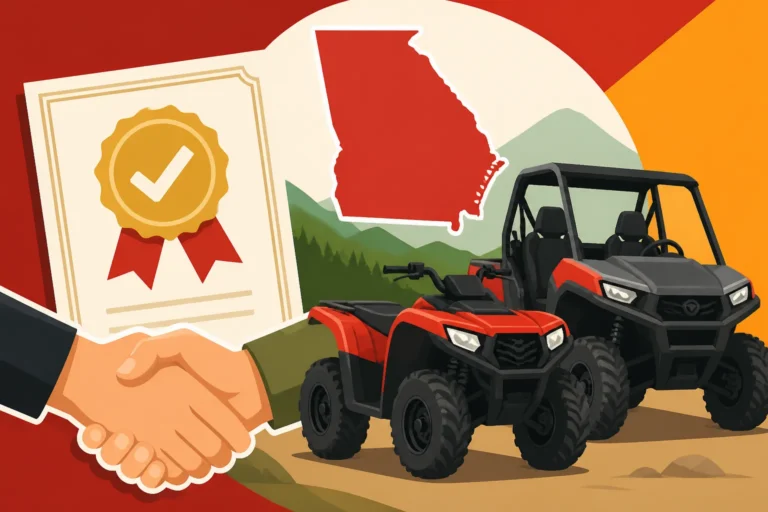
Before you even think about heading to the county tag office, gather your documents. You'll absolutely need proof of ownership, which usually means a bill of sale. For a new machine, this will come directly from the dealer. For a used machine purchased privately, you'll need a clear, legible bill of sale that includes the buyer's and seller's names, the purchase price, the date of sale, and a detailed description of the machine including its VIN (Vehicle Identification Number). If you're missing a formal bill of sale from a private party, you might need to use a form like the [Georgia Ownership Affidavit for an MPOHV] to declare ownership. Websites like LawDepot can provide helpful templates for creating a robust bill of sale if you're buying or selling privately, ensuring all necessary information is captured for the tag office.
You’ll also need proof of Georgia residency and identity, typically a valid Georgia driver's license or state ID. Don't forget proof of liability insurance, as it's a mandatory requirement for registration. Finally, be prepared to pay any applicable sales tax, as [Georgia Sales Tax Paid Before Registration] is a key step, even for MPOHVs. Having all these documents organized and ready will make your visit to the tag office much smoother, preventing frustrating delays.
The T-22B Inspection and Law Enforcement Certification
For some machines, especially those purchased without a clear chain of ownership or those applying for a branded certificate of registration (which happens if there's a specific issue, like being rebuilt from salvage), you might need a T-22B inspection. This is a crucial step for verification. [T-22B and When You Need It] explains this process in detail. A law enforcement officer will inspect your machine to verify its VIN and ensure it matches your paperwork, and that it isn't stolen. This inspection is a safeguard for everyone involved, especially if there's any ambiguity in the ownership history.
This inspection is often mandatory if you're bringing in a machine with very limited paperwork or if the Department of Revenue flags any potential issues with the ownership record. If you are ever in doubt about the provenance of a used machine, getting this inspection done can clarify the situation and potentially avoid future headaches. For those needing to navigate the complexities of a branded certificate, understanding [What a Branded Registration Warns You About] is also important, as it signals a specific condition tied to your machine's history, often requiring an initial inspection by law enforcement.
Dealing with Dealership Paperwork vs. Private Sales
The source of your MPOHV significantly impacts the paperwork trail. When you purchase a new side-by-side from a licensed dealer in Georgia, they will typically handle a good portion of the initial registration paperwork, including collecting sales tax and submitting the necessary forms to the DDS. They often provide you with temporary operating documents until your official registration materials arrive. This process is generally more streamlined, as dealers are familiar with the requirements and often have direct electronic access to the state's systems.
However, if you're buying a used machine through a private sale, the responsibility for gathering and submitting all documents falls entirely on you. This is where meticulous record-keeping and clear communication with the seller are paramount. Ensure you get a comprehensive bill of sale, and if the seller has any old registration documents, ask for those as well. If you're creating a bill of sale yourself, a reliable legal document service like LawDepot can provide templates that ensure all the necessary legal information is included, protecting both buyer and seller. Reviewing [Buying a Used Side-by-Side in Georgia] can offer more tips for private purchases. Don't be afraid to ask for help from your local tag office if you have questions about the specific documents needed for a private transaction.
Common Hurdles and How to Overcome Them
Even with a qualifying machine, the registration process can present a few bumps in the road. Understanding these common challenges beforehand can save you time, stress, and multiple trips to the tag office. Being prepared for these scenarios is part of being a savvy MPOHV owner in Georgia.
Pre-2000 Machines and the Age Cutoff
One significant hurdle for some older machines is the "manufacture date" rule. Georgia's MPOHV registration program generally only applies to machines manufactured on or after January 1, 2000. [Machines Built Before 2000 and Georgia Registration] highlights this critical cutoff date. If your otherwise qualifying side-by-side rolled off the assembly line in 1999 or earlier, it will unfortunately be ineligible for MPOHV registration, regardless of how well-maintained or modern it might seem.
This rule is likely in place to ensure a certain level of modern safety and emissions standards, or simply to draw a clear line in the sand for what constitutes an "eligible" MPOHV. It can be a real disappointment for owners of vintage or classic utility vehicles. Unfortunately, there's no way around this specific rule; the manufacture date is a hard stop. If your machine predates this cutoff, your riding activities will remain restricted to private property or designated trail systems where registration isn't required for road access.
Addressing Missing Paperwork
Missing paperwork is a perennial problem in private sales. Perhaps the previous owner lost the original bill of sale, or a family heirloom machine has no formal purchase record. Without clear proof of ownership, you'll hit a wall at the tag office. However, Georgia provides a pathway for this with the [Georgia Ownership Affidavit for an MPOHV]. This document allows you to attest under penalty of perjury that you are indeed the rightful owner, detailing how you acquired the machine.
When using an ownership affidavit, it's crucial to be as detailed and honest as possible. You might also need supporting documents, such as a sworn statement from the person you acquired it from, or even old maintenance records that bear your name. If you're ever in a situation where you need to formalize a transfer without a traditional bill of sale, creating a simple purchase agreement or gift letter using a service like LawDepot could provide additional documentation to bolster your ownership claim. Remember, the goal is to convince the state that you legitimately own the machine and that it wasn't stolen.
What to Do If Your Machine Doesn't Qualify
If, after all your research, you discover your beloved machine—whether it's a quad, a three-wheeler, or a side-by-side that doesn't meet one of the other eligibility criteria—simply doesn't qualify for MPOHV registration in Georgia, don't despair! It just means your riding adventures will take a different path. The most common solution is to restrict your riding to private land where you have permission, or to visit designated off-road parks and trail systems.
Georgia offers a fantastic array of legal riding opportunities at places like [Georgia ATV Trails: Where You Can Legally Ride]. These dedicated parks and trails are specifically designed for off-highway vehicles and provide a safe, legal environment to enjoy your machine without the complexities of road registration. Many hunting clubs also have specific rules for machine use on their leased lands, offering another avenue for non-registered vehicles. While it might not be the convenience of riding on county roads, these options provide thrilling and legal alternatives for enjoying your machine.
Table: Georgia MPOHV Eligibility – Steering vs. Handlebars and Other Key Differences
To help clarify the distinctions, here’s a quick overview of what Georgia looks for when deciding if your machine can be registered for county road use.
| Feature | Qualifying MPOHV (e.g., UTV/Side-by-Side) | Non-Qualifying OHV (e.g., ATV/Quad/Dirt Bike) |
|---|---|---|
| Steering Mechanism | Steering Wheel | Handlebars |
| Seating Type | Non-straddle seat (bench or bucket) | Straddle seat |
| Occupant Restraints | Factory-installed seat belts for all | Typically no seat belts |
| Primary Design | Utility, recreational, passenger-oriented | Sport, recreational, single-rider focus |
| Width Limit | 80 inches or less | Varies, but often narrower for ATVs |
| Gross Weight | 4,000 pounds or less | Varies, but generally less than MPOHV limit |
| Speed Range | 25-65 mph capable | Varies widely |
| Build Date | January 1, 2000, or newer | Any build date, but pre-2000 ATVs are common |
| Road Access | Limited county roads, with registration | Private land, designated trails only |
This table provides a quick reference to the core differences. Always refer to the official Georgia Department of Revenue and Department of Driver Services guidelines for the most current and precise information.
Conclusion
Navigating the world of Georgia ATV and UTV registration, especially when it comes to legal road access, can feel like a maze. But at its heart, a few key distinctions, like the requirement for a steering wheel over handlebars, are paramount. The state's MPOHV program is a specific solution for specific types of machines – primarily utility-style side-by-sides – designed to meet certain safety and operational standards for limited county road use.
By understanding these regulations, from the steering mechanism to seating, weight, speed, and safety equipment, you can determine if your machine qualifies. If it does, gathering your documents, proving ownership (perhaps with a carefully prepared LawDepot bill of sale), and heading to your local tag office are your next steps. If your machine doesn't make the cut, remember that Georgia still offers a wealth of incredible off-road experiences on private land and dedicated trail systems. Happy riding, no matter where your wheels take you!
Disclaimer
This article is for general informational purposes only and does not constitute professional advice. Laws, prices and regulations vary by location and change over time. Consult a qualified professional for guidance on your specific situation.