Highland Park Off-Road Resort in Georgia
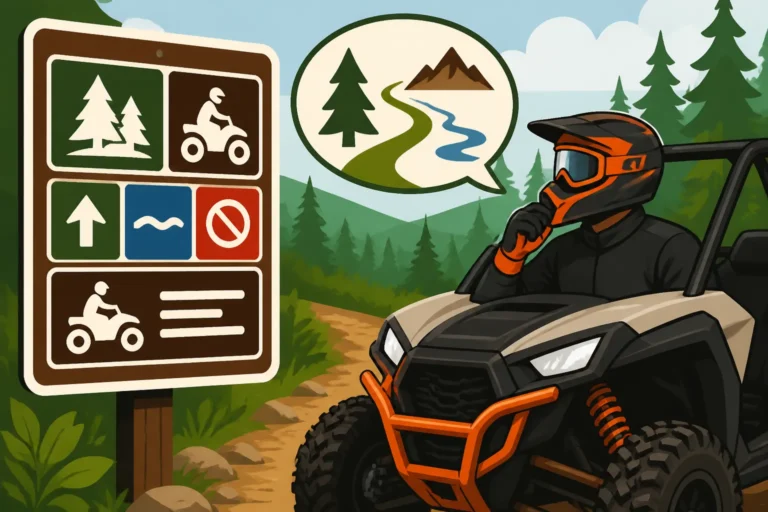
Highland Park Off-Road Resort near Cedartown gives Georgia riders a private place to explore off-road routes, but a good visit takes more than loading the machine and heading west. Trail access, vehicle fit, skill level, equipment, and park rules all matter. This guide explains how to plan a safer, smoother day and what to check before you leave home.
What to Know About Highland Park Off-Road Resort
Where the park fits into a Georgia riding trip
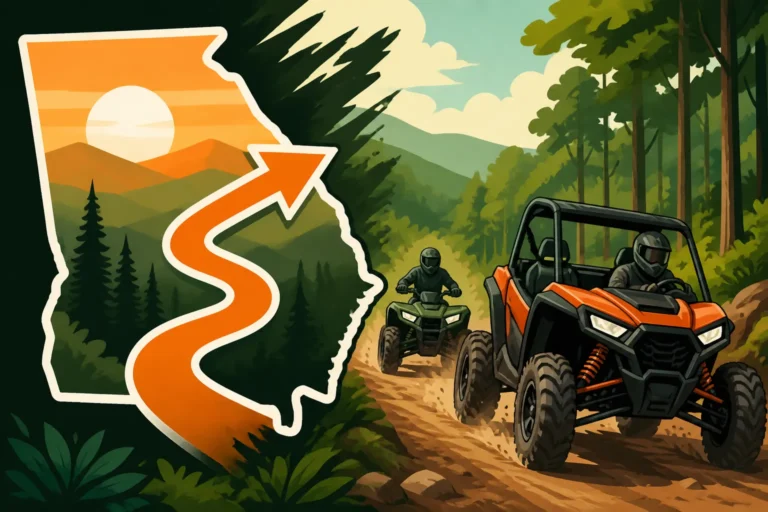
Highland Park Off-Road Resort is a private off-road riding destination near Cedartown in northwest Georgia. Riders looking for a park-based day out may appreciate having a managed trail system rather than trying to piece together access on public land. The park is known for one-way trails and multiple difficulty levels, with routes designed for different kinds of off-road riding.
The experience is different from riding on a public forest trail. A private park sets its own entry requirements, operating rules, access limits, and safety expectations. Those details can change, so confirm them with the resort before making the drive. That matters especially if you are bringing a side-by-side, a youth rider, a large group, or a machine you have not ridden there before.
Highland Park is one option in a wider mix of Georgia riding destinations. If you are comparing terrain, machine access, and the kind of day each place offers, [Georgia Private Off-Road Parks Compared] can help you think through the differences. Keep in mind that a park’s general reputation is not a substitute for checking current access details for your specific machine.
Trails, direction of travel, and facility features
The park is associated with about 40 one-way trails and five difficulty levels. One-way routes can make a ride feel more organized because riders are generally moving in the same direction on a trail, reducing the chance of meeting someone head-on around a blind bend. That does not eliminate risk: intersections, steep grades, loose soil, and slower riders still call for attention and sensible speed.
Highland Park is also known for a motocross track and scenic overlooks. These features can add variety to a visit, but do not assume every feature is open to every visitor, machine, or skill level. Ask which areas are available for your vehicle and whether separate requirements apply. The park’s [40 One-Way Trails] and [Five Difficulty Levels] are useful starting points for understanding its layout, but the park’s own current guidance should determine your plan for the day.
| Planning question | Why it matters | What to confirm before you go |
|---|---|---|
| Is my machine permitted? | Parks may limit access by vehicle type, size, or equipment | Whether your ATV, UTV, dirt bike, or other machine can use the areas you plan to ride |
| Which trails fit my experience? | Difficulty labels do not capture every rider’s comfort level | Trail descriptions, closures, and any guidance for first-time visitors |
| Are there separate riding areas? | A motocross track or other feature may have distinct rules | Whether it is open and what machine or safety requirements apply |
| What should I bring? | A missing document or basic item can disrupt the day | Required identification, waiver details, safety gear, tools, and supplies |
| Is lodging available or nearby? | A long drive can make an overnight stay more practical | Current accommodation options and reservation requirements |
Choosing Trails That Match Your Machine and Skill
Start with your vehicle, not the hardest trail
It is tempting to choose a trail based on how exciting it sounds or what a friend says they rode last time. A better starting point is your machine. Ground clearance, width, turning radius, tires, wheelbase, and protection underneath all affect how comfortably it can handle a route. A trail that feels manageable on a narrow ATV may be awkward or unsuitable for a wider side-by-side.
Before you leave, confirm that the resort allows your machine and ask whether any routes are restricted by size or vehicle type. Do not assume that a trail open to ATVs is automatically suitable for every UTV. If you ride a side-by-side, compare your vehicle’s actual width with the park’s stated requirements and look for guidance on which trails accommodate it. [Georgia ATV Trails That Allow Side-by-Sides] explains why machine access can differ between trail systems.
Trail width is only one part of fit. A long, heavy machine may need more room to turn, and a low-clearance model may scrape on uneven ground. Riders sometimes focus on advertised trail difficulty but overlook the practical question: can this particular machine get through the terrain without being forced into risky maneuvers? [Georgia Trail Widths and What Fits] offers a useful way to think through that concern before loading up.
Use difficulty ratings as guidance, not a promise
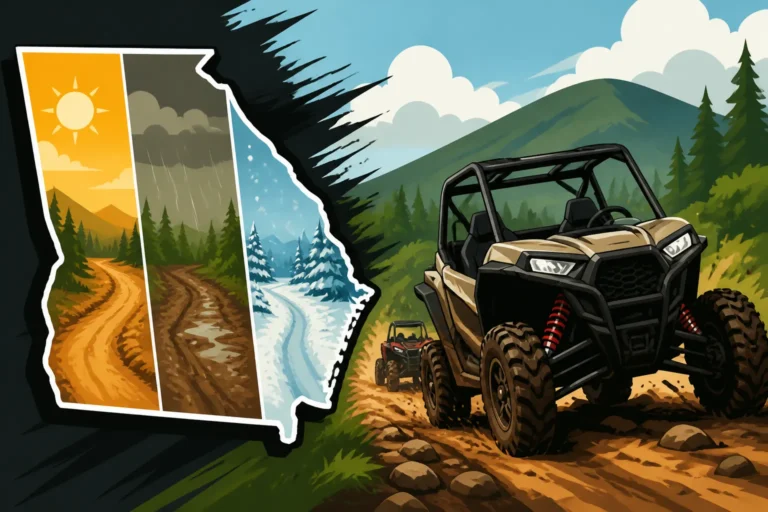
A five-level difficulty system can help you narrow down possible routes, but a rating cannot account for every rider’s experience, comfort, or machine setup. A trail that feels straightforward to an experienced rider on a properly equipped ATV may be stressful to a new rider, a passenger, or someone on a different vehicle. Weather and recent trail use can also change how a route feels.
If you are new to the park, start with easier terrain and build up gradually. That gives you time to learn how the trails are marked, how your machine behaves on local soil, and how your group handles pace and spacing. There is no prize for starting on the most technical route. Turning back or choosing an easier trail is sound judgment, not a failure.
Read the park’s route descriptions carefully and ask staff about conditions that could affect your plans. A trail rating is most useful when paired with honest self-assessment. [Georgia Trail Ratings and What They Mean] can help riders interpret difficulty labels, while [Georgia Trail Conditions Before You Drive] is a reminder to check for closures or changing ground conditions before setting out.
Preparing for the Day and the Drive
Check access, paperwork, and park rules first
Private riding parks establish their own entry process. That may include waivers, registration details, safety requirements, age rules, or limits on passengers. Requirements can differ from the rules for Georgia public lands, so do not assume that an annual public-land permit, registration document, or previous park visit automatically covers a new visit to Highland Park.
Before departure, check the park’s official information for operating status, check-in procedures, accepted payment methods, required gear, and any restrictions that apply to your machine. If you are bringing minors, ask who must sign the waiver and what supervision rules apply. If you are organizing a group, make sure every rider knows what information or documents they need rather than expecting one person to sort it out at the gate. [Georgia Private Park Waivers and Rules] is a useful reminder to review park-specific requirements before arriving.
A practical pre-trip routine is simple:
- Confirm the park is open and verify the riding areas you want to use.
- Ask whether your exact machine type and dimensions are permitted.
- Review waiver, age, passenger, and safety-gear rules for everyone in your group.
- Check the park’s directions and identify a backup plan for fuel, food, or lodging.
- Save the official park details and any route information where you can access them without reliable cell service.
That last step is easy to overlook. In rural areas, navigation and mobile reception can be inconsistent. A map app such as onX Offroad can help with route planning and orientation, but use it as a supplementary tool, not as authority on park access or closures. Confirm routes and rules with the resort.
Pack for riding, not just the arrival
A ride can become uncomfortable quickly if you arrive without water, suitable protective gear, or basic supplies. Bring a properly fitting helmet and any other protective equipment appropriate to your machine and riding conditions. Closed-toe footwear, gloves, eye protection, and clothing that can handle dust, branches, and changing weather make a real difference over a full day.
Also think about the small items that prevent a minor problem from ending the visit: a basic tool kit, tire repair supplies suited to your tires, a tire gauge, a first-aid kit, and a charged phone stored where it is protected. A tow strap may be helpful for a group that knows how to use one safely. Do not attempt a recovery that exceeds your equipment or experience; ask for help instead.
Water, snacks, and a plan for breaks matter more than many riders expect. Heat, physical effort, and concentration can wear people down even when they are seated on a machine. If you are riding with children or less experienced members of the group, plan shorter sessions and check in often. Find out in advance what facilities are available rather than relying on assumptions about restrooms, water, or food. [Georgia Trailhead Restrooms and Water] covers why those practical details deserve a place in trip planning.
Riding Safely and Respectfully at the Park
Keep a controlled pace and communicate
One-way trails can reduce the chance of opposing traffic, but they do not make high speeds safe. Blind corners, loose gravel, ruts, changing grades, and riders with different experience levels all call for a pace that leaves room to react. Leave enough following distance to see what the rider ahead is doing and to stop without swerving into someone else’s line.
Agree on simple group signals and regrouping points before you ride. A group can spread out without realizing it, especially when riders have different speeds or stop to take photos. Decide what everyone should do if someone has a mechanical problem or misses a turn. If you are the lead rider, do not assume the last person is keeping up; pause at sensible junctions and make sure the group is together before continuing.
Navigation tools can be helpful, particularly when you are unfamiliar with the layout. onX Offroad may help you keep track of your position and plan a ride, but treat the resort’s signs and staff instructions as the source of truth for allowed routes. App maps can be out of date or may not reflect a temporary closure, so check your route before riding and again if conditions or instructions change.
Respect closures, other riders, and the property
A closed trail is not an invitation to find another way through. Closures may protect riders from unsafe conditions, allow maintenance, or prevent damage to vulnerable ground. Going around a barrier can create new erosion, damage property, or put you somewhere that staff and other riders do not expect you to be. Follow posted signs and ask staff if a route or feature is unclear.
Stay on designated trails, avoid cutting corners, and do not ride through areas marked off-limits. Georgia’s red clay can become slick and easily damaged when wet; repeated wheelspin can deepen ruts and make a trail harder for everyone to use. If you encounter a difficult section, stop somewhere safe, assess it, and choose a route you can manage rather than charging ahead and hoping for the best.
Courtesy helps the day go better for everyone. Give slower riders room, avoid crowding someone who is negotiating an obstacle, and keep noise and conduct within park rules. If a group is stopped, move out of the active trail where possible. Leave the property as you found it and pack out your trash. A private riding area depends on responsible use and a good relationship between riders and the people who maintain the facility.
Making Highland Park Part of a Longer Visit
Decide whether a day trip or overnight stay makes sense
For some riders, Highland Park works as a day trip; for others, an overnight visit makes the journey less rushed. The best choice depends on your drive, group size, and how much time you want on the trails. A long drive followed by a full day of riding can be tiring, especially if the group includes young riders or anyone who is new to off-road riding.
Check lodging options and reservations before you travel, particularly if you are planning around a weekend or a group event. The park is associated with cabins and bunkhouse-style accommodation, but availability, access, and current arrangements should be confirmed directly. If you stay elsewhere near Cedartown, verify the route to the park and whether your lodging has appropriate space for a trailer and machine.
If you want to compare overnight options at other destinations, [Georgia Off-Road Parks With Cabins] can help you think through the trade-offs. An overnight stay is not automatically better: it adds cost and planning, but it can reduce fatigue and give you more flexibility if weather or trail conditions change.
Organize a group visit without making it complicated
Group rides are easier when one person coordinates the basics without turning the outing into a rigid schedule. Share the park’s directions, arrival plan, machine requirements, and safety expectations with everyone before the day. Ask each rider to confirm their vehicle type, passenger arrangements, and experience level, then choose trails that suit the group as a whole rather than only the most confident rider.
Set a clear meeting time and a backup contact plan. If a rider is delayed, the group should know whether to wait, check in, or proceed to a designated point. Agree on a pace and make sure nobody feels pressured to attempt a route they are uncomfortable with. A mixed group can split into smaller riding groups if park rules and supervision needs allow it, then regroup at a prearranged location.
For planning the route and keeping everyone oriented, onX Offroad can be one part of the preparation, especially when riders want to review maps before arrival. Still, share the resort’s own directions and rules separately so a map app does not become the only source of information. [Georgia Group Ride Planning] offers more ideas for coordinating people, machines, and expectations before a shared ride.
A little preparation is what turns a promising ride into a good one. Confirm that Highland Park is operating, check which trails suit your machine and ability, pack for the conditions, and follow the resort’s instructions once you arrive. That approach leaves more room to enjoy the riding and less time dealing with avoidable surprises.
Disclaimer
This article is for general informational purposes only and does not constitute professional advice. Laws, prices and regulations vary by location and change over time. Consult a qualified professional for guidance on your specific situation.