Georgia Helmet Exemption for Farm Work
It's incredibly frustrating when you're just trying to get honest work done on your own land, whether it's planting crops or mending fences, and you're left wondering if you're following all the nuanced rules for your ATV or UTV. Many folks, especially those in Georgia's agricultural community, feel caught between safety guidelines and the practical realities of their daily tasks. This guide aims to clear up the confusion surrounding Georgia's helmet laws for off-road vehicles, specifically focusing on the important exemption for farm and agricultural work, so you can ride with confidence and clarity.
Georgia's General Helmet Law for Off-Road Vehicles
First, let's set the baseline for everyone else. Generally, when you talk about riding ATVs and UTVs in Georgia, the conversation around helmets is pretty straightforward, especially for younger riders. The state has clear rules in place designed to protect riders from serious injury, and these laws don't just apply to public trails or county roads; they can extend to private property under certain conditions, particularly concerning minors.
Who is Covered by the Standard Helmet Rule?
For many years, Georgia has maintained specific requirements regarding helmet use for younger ATV and UTV operators. If you have a child, grandchild, or even a younger worker under the age of 18 operating an ATV or UTV, the law generally says they need to be wearing a helmet. This isn't just a suggestion; it's a legal requirement aimed at safeguarding those who might be less experienced or more prone to accidents. Imagine a teenager helping out with chores around a large property, zipping between the barn and the pasture. Even on private land, if they're under 18, that helmet is typically a must. It's a critical piece of safety gear that can make a world of difference in an unexpected tip-over or collision.
The intent behind this rule is simple: protect the most vulnerable riders. It acknowledges that off-road vehicles, while incredibly useful and fun, carry inherent risks. You might think, "Well, they're just riding on our family farm," but the law often doesn't differentiate between recreational riding and practical tasks for minors when it comes to basic safety equipment. For more details on this, you might want to look into [Georgia ATV Helmet Law for Riders Under 18].
What Kind of Helmet is Required?
When a helmet is required, it's not just any old bicycle helmet. The law specifies that it must be an approved safety helmet. This means it needs to meet certain safety standards, usually denoted by certifications from organizations like the Department of Transportation (DOT). These aren't lightweight helmets; they're designed to withstand significant impact and provide comprehensive protection for the head, face, and sometimes even the chin. Think of the helmets worn by motorcyclists – that's the level of protection generally expected.
Ensuring the helmet fits properly is just as important as having one that meets the standards. A loose helmet can be more dangerous than no helmet at all, shifting during an impact and failing to provide the intended protection. So, if you're out buying helmets for younger riders, make sure they're DOT-approved and snugly fitted. It’s an investment in safety that shouldn't be overlooked.
The Specific Farm and Agricultural Exemption
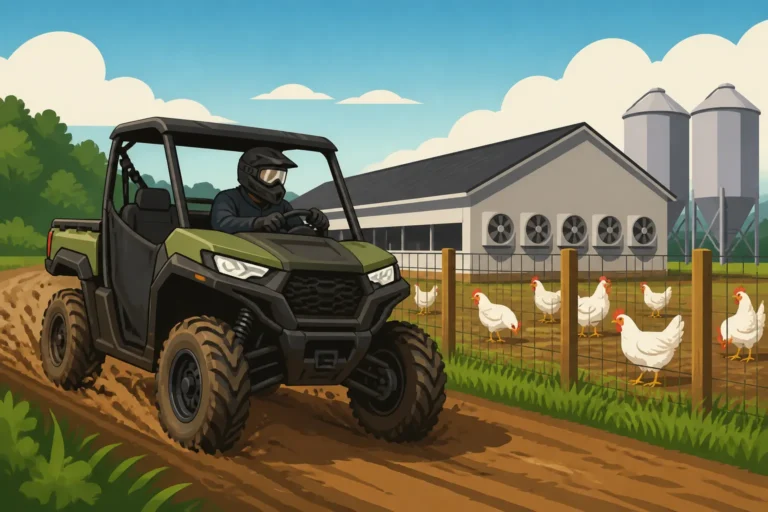
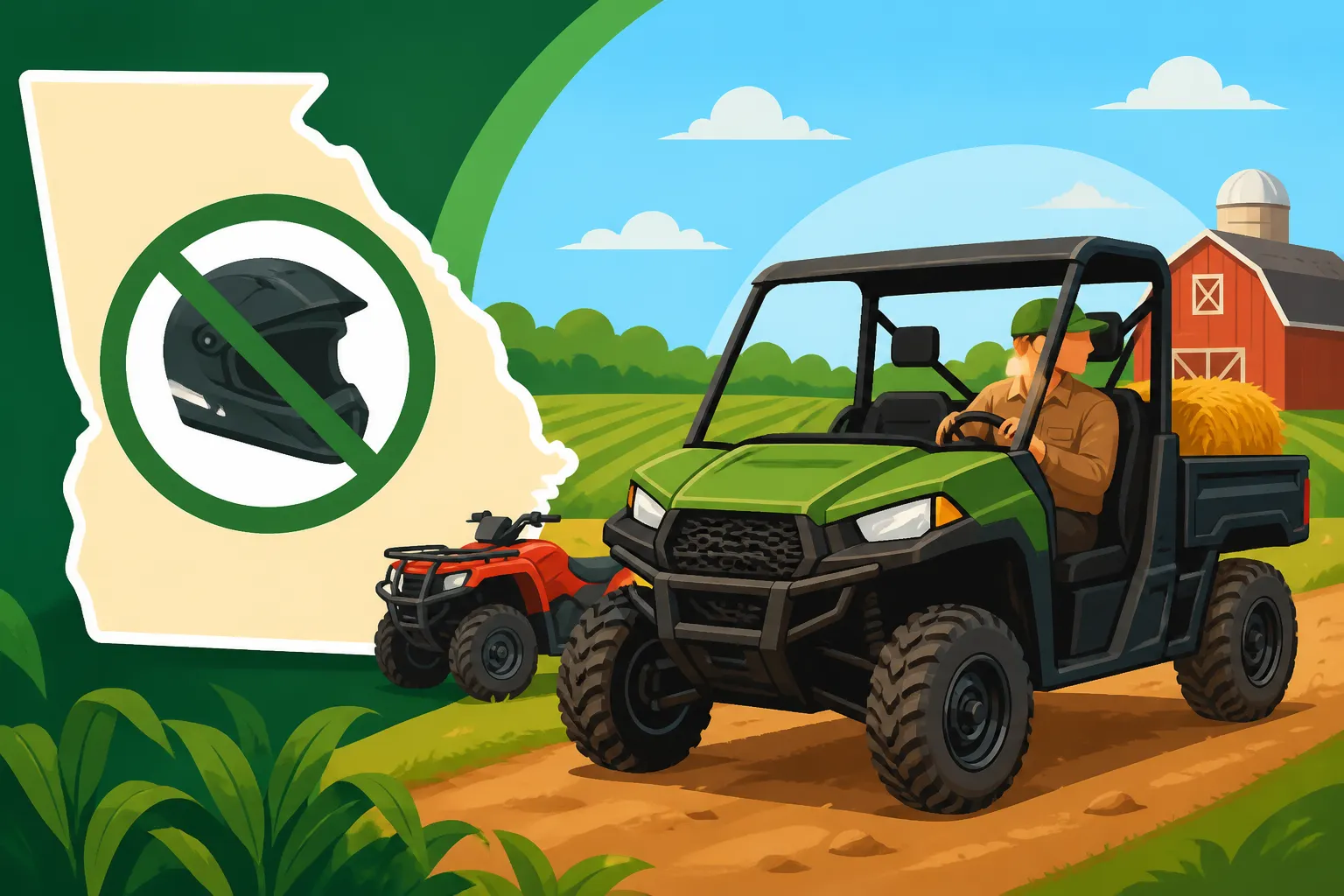
Now, here's where we get to the heart of the matter for many folks in rural Georgia. The state explicitly carves out an exemption for helmet use when an ATV or UTV is being operated for bona fide agricultural purposes. This is a crucial distinction that acknowledges the unique operational environment and tasks associated with farming.
Defining "Agricultural Activity"
The key to this exemption lies in what exactly constitutes "agricultural activity." It's not just driving a side-by-side to pick up mail. The exemption is intended for operations that are directly related to farming, forestry, or other legitimate agricultural endeavors. This could include a wide array of tasks:
- Plowing fields: Using your UTV to pull small tillage equipment or inspect rows of crops.
- Hauling feed and supplies: Transporting bags of feed to livestock, carrying tools to a distant fence line, or moving seedlings to a new planting area.
- Checking livestock: Driving across pastures to monitor cattle, horses, or other farm animals.
- Spraying crops: Using a mounted sprayer on your ATV to apply pesticides or fertilizers to fields.
- Forestry operations: Surveying timber tracts, transporting small equipment for tree planting, or checking fire breaks.
- Repair and maintenance: Carrying parts to fix irrigation systems or repairing farm machinery in the field.
Essentially, if the primary purpose of operating the off-road vehicle is to facilitate the direct, ongoing work of a farm, nursery, ranch, or similar agricultural enterprise, you're likely covered. This exemption understands that sometimes, getting on and off the machine frequently for quick tasks, or working in conditions where a helmet might impair vision or hearing needed for critical farm operations, isn't always practical or necessary. For a deeper dive into what qualifies, you might find [What Counts as Agricultural Activity] helpful.
Who Benefits from This Exemption?
This exemption applies to any operator, regardless of age, when engaged in these specific agricultural activities. That means if a 16-year-old is driving a UTV to haul fence posts for a new pasture on the family farm, they are exempt from the helmet requirement, provided it's genuinely part of the farming operation. The focus shifts from the rider's age to the activity being performed.
However, a word of caution: this exemption is specific to the act of farming. If that same 16-year-old finishes hauling fence posts and then decides to joyride around the property for fun, the helmet requirement would generally kick back in. It's about the purpose of the ride at that specific moment. This distinction is critical and often misunderstood. The exemption is not a blanket pass for anyone on a farm; it's tied directly to agricultural work. This is a common point of confusion, and understanding the specifics can prevent misunderstandings or potential penalties. You can also explore [Georgia Farm and Logging Helmet Exemption] for related insights.
Practical Considerations and Best Practices for Farm Use
Even with a helmet exemption for agricultural work, safety should always remain a top priority. Just because the law doesn't require a helmet for certain tasks doesn't mean you should abandon all safety measures. There's a big difference between legal compliance and smart, practical operation, especially on a busy farm.
Prioritizing Eye Protection and Other Gear
One of the most common injuries in off-road activities, even at low speeds on a farm, involves the eyes. Dust, debris, low-hanging branches, and insects can all cause significant harm. Therefore, even if you're not wearing a helmet, high-quality eye protection – goggles or safety glasses – is always a wise choice. It's a simple, inexpensive piece of gear that can prevent a lot of pain and potential vision loss.
Beyond eye protection, consider sturdy work boots, long pants, and gloves. These items offer protection against minor scrapes, cuts, and impacts that are common when working around machinery and rough terrain. Think about your farm environment: are there thorns, muddy patches, or sharp tools? Dressing appropriately can prevent a minor incident from becoming a major inconvenience. Companies like SuperATV offer various accessories, from full windshields that protect from dust and debris to durable cargo boxes that secure tools, which can significantly enhance safety and utility for farm-specific tasks, even if not directly related to helmet use.
Operating Speed and Awareness on the Farm
Many farm tasks don't require high speeds, and in fact, often benefit from slow, deliberate movement. Keep your speed appropriate for the terrain, the load you're carrying, and your surroundings. Farms are dynamic environments with changing conditions, moving livestock, and potentially hidden obstacles. Being constantly aware of your surroundings, especially when operating around other people, animals, or sensitive equipment, is paramount.
Teach everyone on the farm, including those exempt from helmets, the importance of maintaining a safe speed and being vigilant. A moment of inattention, even at 10 mph, can lead to a serious accident. Regular communication about safety protocols and ongoing training, even informal, can significantly reduce risks.
Vehicle Maintenance and Condition
A well-maintained ATV or UTV is a safer one. Before heading out for farm work, do a quick check:
- Tires: Are they properly inflated and in good condition? A flat tire in the middle of a pasture is not just an inconvenience, it can affect stability.
- Brakes: Are they functioning effectively? This is non-negotiable for safety.
- Lights: Are headlights, taillights, and any work lights operational, especially if you might be out at dawn or dusk?
- Fluids: Check oil, coolant, and hydraulic fluid levels.
- Steering: Does the steering feel tight and responsive?
- Cargo: Is any cargo you're carrying properly secured? Loose tools or materials can shift, affecting balance or falling off. SuperATV's robust cargo solutions, for instance, are designed to keep your gear in place, which is a huge safety advantage when traversing uneven agricultural landscapes.
Ignoring maintenance can lead to breakdowns at inconvenient times or, worse, contribute to an accident. Just like any other piece of farm equipment, your off-road vehicle needs regular attention to stay safe and reliable.
What Does Not Qualify as Farm Work (Common Misconceptions)
Understanding the limits of the farm exemption is just as important as knowing its scope. Many people mistakenly believe that simply owning a property in a rural area or performing any task on that property automatically qualifies them for the exemption. That's not always the case, and misunderstanding this can lead to legal issues.
Personal Landscaping and Yard Work
One of the biggest misconceptions is that tasks like mowing your lawn, trimming hedges around your house, or transporting firewood for your personal use fall under "agricultural activity." While these are legitimate property maintenance tasks, they generally do not meet the definition of bona fide agricultural work that the helmet exemption covers. If you're using your UTV to haul mulch for your flower beds, or an ATV to pull a small yard trailer around your residential property, the general helmet laws, especially for riders under 18, would still apply.
The distinction lies in whether the activity is part of a commercial farming operation or an activity directly related to producing agricultural products, maintaining livestock for commercial purposes, or forestry for timber. If it's purely for personal residential upkeep, it's unlikely to qualify for the exemption.
Recreational Riding on Farm Property
Another common pitfall is using the farm exemption as an excuse for recreational riding. As mentioned earlier, if a younger rider finishes their farm duties and then takes the ATV out for a spin purely for fun, the helmet exemption generally no longer applies. The purpose of the ride shifts from agricultural work to recreation, and with that shift, the general safety laws (including helmet requirements for minors) would typically come back into play.
Law enforcement officers, when investigating an incident, will look at the primary purpose of the ATV or UTV's operation at the time. If it's clearly for leisure, even on a farm, the agricultural exemption won't provide cover for not wearing a helmet if one is otherwise required.
Commuting Between Farm Properties
While driving an ATV or UTV on a public road in Georgia is generally restricted, there are specific scenarios where registered machines (MPOHVs) can be used on county roads. If you're commuting between two separate farm properties you own or manage, and that commute is essential for your agricultural operations, you might need to consider the specific rules for road-legal machines. However, the helmet exemption for farm work applies to the work itself, not necessarily to the act of traveling on a public road, where different rules and potentially different vehicle types might apply. For instance, if your machine is registered as a [Georgia MPOHV Registration Explained] and meets all the requirements to be on a county road, you'd need to confirm what specific helmet rules apply to that mode of travel, as it moves beyond the strict definition of on-farm agricultural activity.
In summary, the Georgia helmet exemption for farm work is a vital provision that supports the agricultural community. However, it's not a blanket waiver for all off-road vehicle use on rural land. It's specifically tied to the nature of the work being performed, emphasizing the state's balanced approach to safety and the practical realities of farming. Always prioritize safety, even when exempt, and ensure you understand the boundaries of this important rule.
Disclaimer
This article is for general informational purposes only and does not constitute professional advice. Laws, prices and regulations vary by location and change over time. Consult a qualified professional for guidance on your specific situation.