Georgia Helmet Rule on Your Own Land
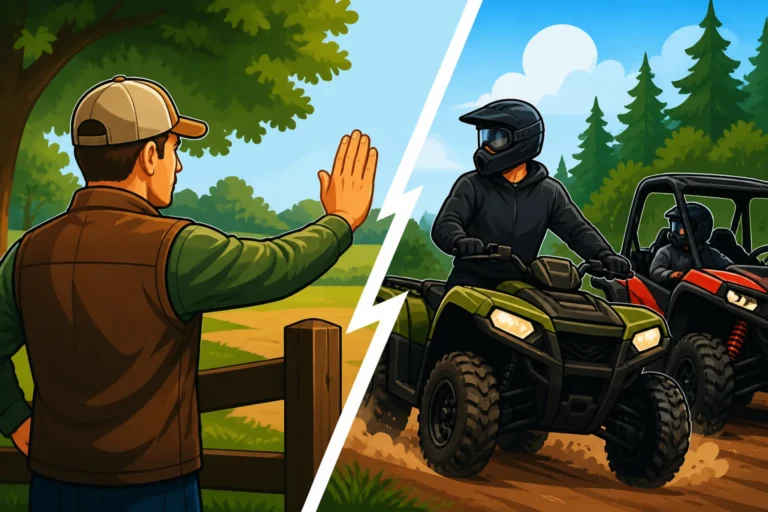
It’s a common misconception among folks who love their ATVs and UTVs: once you roll off the public roads and onto your own land, all the rules, especially those pesky helmet laws, simply vanish. Many riders assume their private property is a sanctuary where they can ride completely free, unburdened by state regulations. But while there's certainly more freedom on your own turf, Georgia actually has specific rules, particularly concerning younger riders, that apply even when you're just tearing up your back forty. This guide will help you understand Georgia's helmet requirements for ATVs and UTVs on private property, ensuring you and your loved ones stay safe and legal.
Decoding Georgia's Helmet Laws: Public Versus Private Land Realities
Let's cut right to the chase because this is where a lot of confusion begins. When we talk about Georgia's helmet laws for ATVs and UTVs, the primary focus is often on public roads and trails. On public land, the rules are generally more stringent and enforced. However, many riders are surprised to learn that Georgia extends a crucial part of its helmet law to private property, especially when it comes to young riders. It’s not about state overreach into your private life; it's about protecting minors.
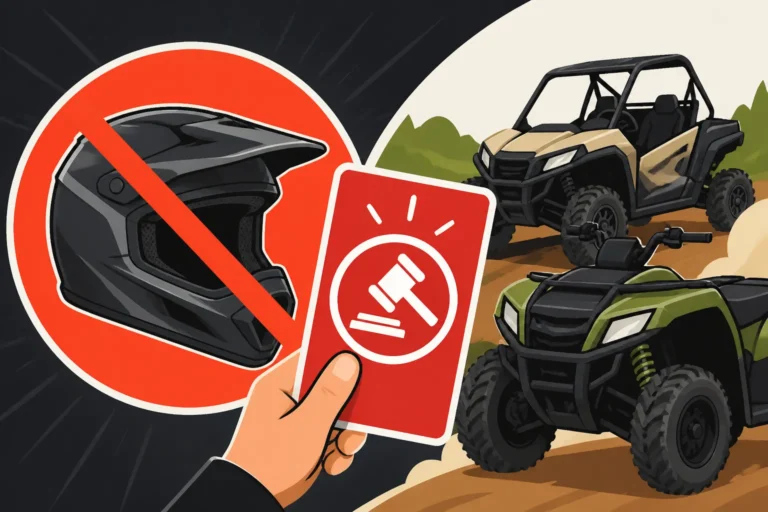
The state of Georgia mandates that anyone operating or riding on an all-terrain vehicle (ATV) who is under the age of 18 must wear a protective helmet. This isn't just for county roads or designated [Georgia ATV Trails: Where You Can Legally Ride]; it applies squarely to private property as well. So, if you have kids, nieces, nephews, or any young person under 18 riding on your property, a helmet isn't just a good idea—it's the law. Ignoring this rule isn't just risking a serious injury; it's also putting you, as the landowner or supervisor, in a precarious legal position should an accident occur. It's tough to keep track of all the nuances, but this one is a big one for families.
The Georgia Helmet Rule: A Deeper Look at the Under-18 Mandate
The legal text is pretty clear on this point. Georgia Code O.C.G.A. § 40-7-4(c)(1) specifically states that no person under 18 years of age shall operate or be a passenger on an ATV unless wearing an approved helmet. And crucially, it doesn't differentiate between public and private land. This means whether they're on a designated trail system like those in the [Chattahoochee-Oconee National Forest Riding] or just riding circles in your pasture, that helmet needs to be strapped on.
Think about it from a practical standpoint: ATVs and UTVs, while incredibly fun, are powerful machines. They can tip, roll, and collide, even at low speeds and on familiar terrain. A child's developing brain is particularly vulnerable to impact injuries. The state, in its wisdom, has decided that the risk is simply too great to leave this to individual discretion, regardless of where the riding is happening. This is why you'll often see this rule emphasized in discussions about [Georgia ATV Helmet Law for Riders Under 18]. As a parent or guardian, this isn't about being lenient; it's about adhering to a mandate designed for protection.
Why Your Private Land Isn't a Free-for-All for Minors
While adults riding on their own private land typically don't face a direct citation for not wearing a helmet (though it's still a massively risky choice!), the situation changes dramatically when minors are involved. The law steps in because the state has a vested interest in the welfare of children. If a minor is injured on your private property while operating an ATV or UTV without a helmet, and you, as the owner or supervisor, permitted it, you could face significant legal repercussions.
This isn't just about a potential fine; it opens the door to civil liability. Imagine a scenario where a child gets into an accident on your property, suffers a head injury, and wasn't wearing a helmet. Even if it was "just playing around" or "they're really good riders," the fact that the state law was disregarded immediately puts you at a disadvantage. It can lead to heartbreaking situations and severe financial strain. This is why understanding [Georgia Under-18 Helmet Rule on Private Land] is so important. It's a critical safety measure wrapped in a legal requirement.
| Rider Age Group | Public Roads/Trails | Private Land (Operating/Passenger) | Enforcement Focus |
|---|---|---|---|
| Under 18 | Helmet Required | Helmet Required | Legal Mandate |
| 18 and Over | Helmet Recommended | Helmet Recommended | Personal Safety |
Beyond the Legal Minimum: Best Practices for Private Property Riding
So, we've established that if you're under 18, a helmet is legally required on an ATV or UTV, even on private land in Georgia. But what about the rest of us? While adults 18 and over might not face a fine for riding bare-headed on their own property, ignoring basic safety gear is incredibly risky. As someone who's seen a few bumps and bruises (and worse!) over the years, I can tell you that an accident doesn't care if you're on public land or your own backyard.
Investing in quality gear isn't just for the pros or those hitting extreme trails. It's for everyone who values their head and body. This includes not just helmets, but also eye protection, gloves, long sleeves and pants, and sturdy boots. The trail, even a familiar one, can throw unexpected challenges your way. A low-hanging branch, a hidden rut, or even a sudden stop can send you flying. Your helmet is your first line of defense.
Essential Safety Gear for All Ages, Everywhere
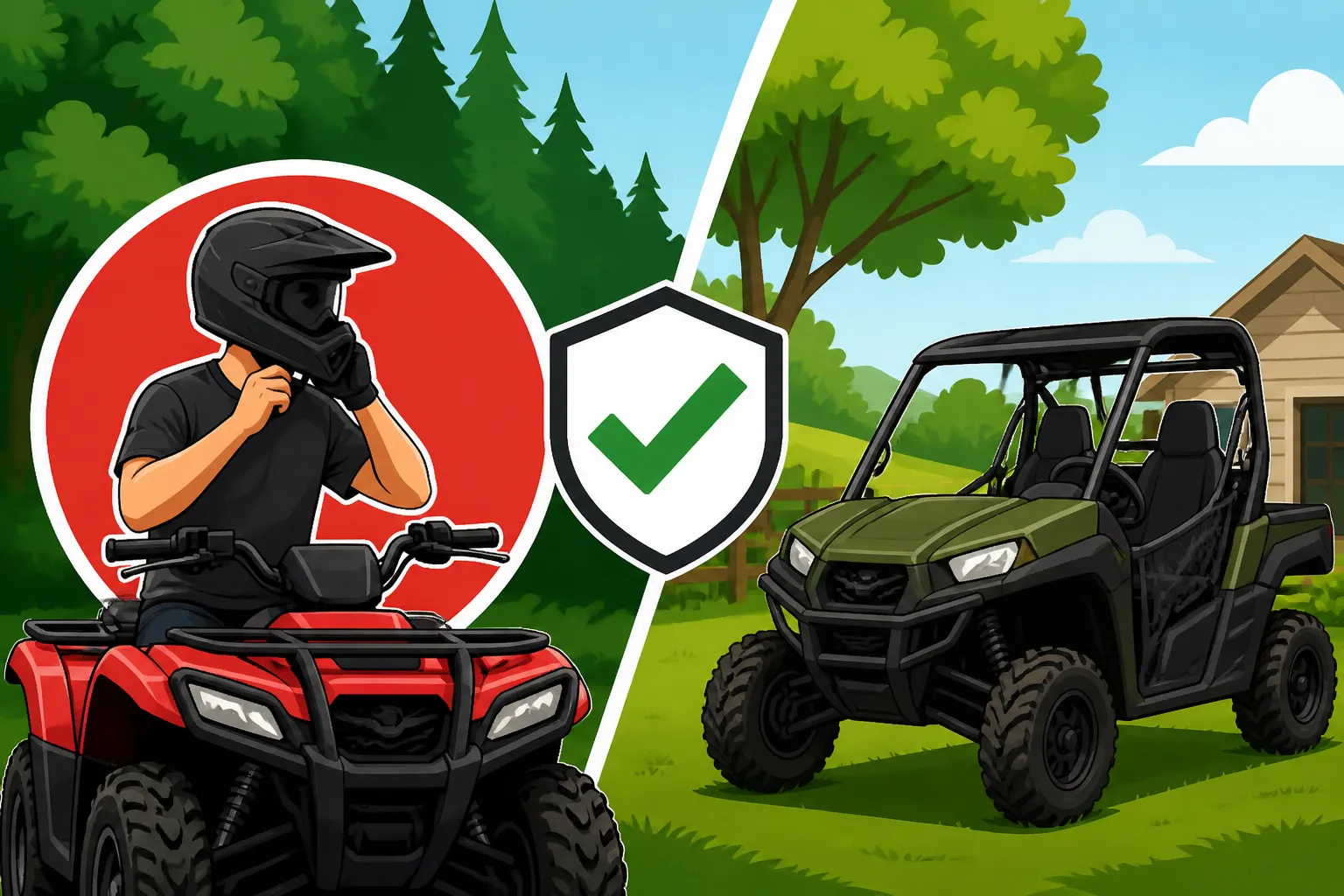
Let's talk about what makes sense for everyone, regardless of age or location. A proper helmet is non-negotiable for anyone under 18, as we've covered, but it should be for adults too. Make sure it's DOT-approved and fits snugly. Beyond that, consider:
- Eye Protection: Goggles or a helmet visor are crucial. A twig or a splash of mud to the eye at speed isn't just uncomfortable; it can cause permanent damage.
- Gloves: Protect your hands from blisters, scrapes, and improve grip.
- Long Sleeves and Pants: Denim or thicker material can offer surprising protection against abrasions and minor impacts compared to shorts and a t-shirt.
- Over-the-Ankle Boots: Protect your feet and ankles from impacts, hot engine parts, and provide better grip on foot pegs.
Even if you're just using your UTV to haul feed to the barn or a chainsaw for clearing fallen trees, these machines can be unpredictable. A solid set of aftermarket doors or a heavy-duty windshield from a company like SuperATV can enhance safety on your machine, preventing debris from entering the cab or protecting occupants in a rollover, even at slower speeds on your property. This kind of gear is an investment in your well-being.
Supervising Young Riders: More Than Just a Helmet Check
For those under 18, the helmet is just the starting point. Proper supervision is equally critical. [Georgia Rules for a 10-Year-Old Rider] are different than those for a [Georgia Rules for a 14-Year-Old Rider], and a responsible adult needs to be aware of these distinctions. Simply handing over the keys and telling them to put on a helmet isn't enough.
- Active Supervision: Be present, observe their riding, and intervene if necessary. Don't just rely on them to follow rules.
- Age and Size Appropriate Machines: Ensure the ATV or UTV is suitable for their age and size. Over-powered or oversized machines are a recipe for disaster.
- Teach and Reinforce Rules: Go over safe riding practices regularly: no stunts, slow speeds, riding within their skill level, and being aware of their surroundings.
- Clear Riding Areas: Ensure the private riding area is free from hidden obstacles, fences, or other hazards. Mark boundaries clearly.
Remember, the goal is to foster a love for riding in a safe and controlled environment. The law concerning helmets for minors on private land is there to provide a baseline of safety. We, as adults and experienced riders, have a responsibility to go above and beyond that minimum to protect those entrusted to us.
What an Accident on Private Land Could Mean for You
No one wants to think about it, but accidents happen. And when they do, especially on private property with an ATV or UTV, the fallout can be complex, even if everyone involved is over 18 and no public land laws were technically broken regarding helmets. Understanding the potential implications can help reinforce why smart safety choices are always the best choices.
For starters, there's the immediate personal cost. An injury can mean medical bills, lost work, and a significant amount of pain and recovery time. A head injury, in particular, can be life-altering. Then there's the machine itself. Collisions or rollovers can cause extensive damage, potentially turning your expensive recreational vehicle into a pile of scrap metal. While [Georgia UTV Insurance Minimums] exist for registered road use, many personal policies for machines primarily ridden on private land might not cover everything, or your deductible could be substantial.
Liability and Insurance: Your Protection Net
Even on your own property, you carry liability. If a guest, even an adult, gets injured while riding your machine or on your land, you could be held responsible. This is where personal liability insurance, typically part of your homeowner's policy or a separate ATV/UTV rider, becomes crucial. This is especially true if you let others ride your machine without the proper safety gear, as it could be seen as negligence.
While the state doesn't require insurance for ATVs or UTVs strictly ridden on private land, it's a wise investment. Imagine a situation where an adult friend, visiting your property, borrows your side-by-side, rolls it, and sustains a serious injury while not wearing a helmet. Even if they're 18+, your insurance company might look closely at whether you provided a safe environment and encouraged safe practices. Some policies might even have clauses about negligence or reckless behavior. Having a well-equipped machine, perhaps with robust protection like a SuperATV full roll cage, might not prevent all accidents, but it demonstrates a commitment to safety that could be favorable in an unfortunate legal situation.
The True Cost of a Violation: Beyond the Fine
For minors, ignoring the helmet law on private land can lead to serious consequences. While enforcement might not be as prevalent as on public roads, an accident could bring law enforcement and child protective services into the picture. The [Georgia Helmet Fine Amount] for an ATV helmet violation can be a misdemeanor, and while it might seem minor, the long-term impact on a family, particularly if a child is seriously injured, far outweighs any monetary fine.
This goes beyond just the legal penalty; it's about the potential for lifelong repercussions for the child, the family, and anyone else involved. Therefore, the "Georgia Helmet Rule on Your Own Land" is less about surveillance and more about a societal agreement to protect our most vulnerable. When you're out there riding, whether it's for work or play, remember that safety starts with prevention. A helmet for every rider, especially those under 18, is not just a piece of gear—it's a commitment to their future.
Disclaimer
This article is for general informational purposes only and does not constitute professional advice. Laws, prices and regulations vary by location and change over time. Consult a qualified professional for guidance on your specific situation.