Georgia MPOHV Registration Without a Bill of Sale
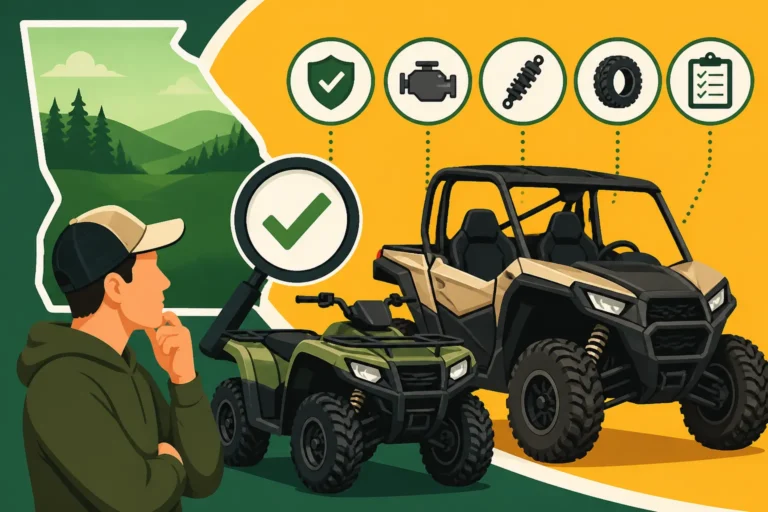
It’s a common scenario, and one that can feel incredibly frustrating: you’ve got a fantastic side-by-side or utility vehicle that you’re ready to register as a Motorized Play Vehicle (MPOHV) here in Georgia, but you don't have that neat, tidy bill of sale. Maybe you bought it years ago for cash, inherited it, or simply lost the original paperwork in a move. This guide is here to walk you through exactly how to navigate Georgia's MPOHV registration process even when that crucial bill of sale is missing from your documentation.
The Core Challenge of Missing Paperwork for Georgia MPOHV Registration
When you head down to your local county tag office, they typically expect a clear paper trail for any vehicle you want to register. Without it, you might feel like you're trying to prove a negative, or that your perfectly legitimate ownership is somehow being questioned. But rest assured, you're not alone in this situation, and Georgia has processes in place to help.
Why a Bill of Sale is Usually Expected
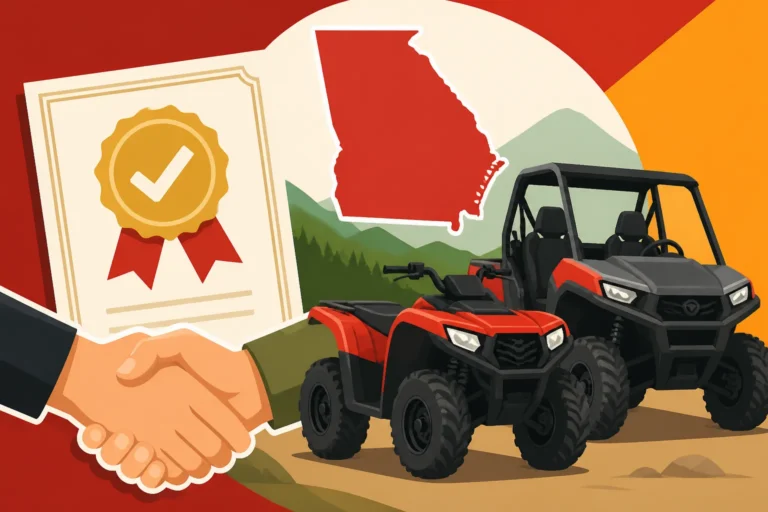
A bill of sale, at its heart, serves a couple of really important purposes. First and foremost, it’s concrete proof of ownership. It legally documents the transfer of the machine from one person to another, stating the seller, the buyer, the date of sale, and often the purchase price. This document is like the handshake in writing, confirming that you are the rightful owner and have the right to register the vehicle in your name.
Secondly, for titled vehicles, it's often the document that helps determine the sales tax or TAVT (Title Ad Valorem Tax) owed. While MPOHVs are a bit different since Georgia doesn't issue titles for them, sales tax is still a factor in the registration process. We'll delve deeper into sales tax in a moment, but suffice it to say, the purchase price on a bill of sale makes that calculation straightforward for the tag office. The problem, of course, is when this document isn't available. Maybe you inherited your uncle's reliable old side-by-side, or perhaps you bought that quad from a neighbor for a stack of cash years ago and never thought twice about needing a receipt until now. These are incredibly common situations, and they leave many Georgians wondering how to proceed.
The Tag Office's Need for Proof of Ownership
It’s easy to feel a bit scrutinized when you don't have the typical paperwork, but it's important to understand the tag office's perspective. Their job is to ensure that the person registering a vehicle is indeed the legal owner, and that the vehicle itself isn't stolen or involved in some sort of fraudulent activity. This is why [Georgia MPOHV Registration Explained] outlines a specific set of requirements for getting your machine legally on certain public roads.
Without some form of official documentation, it would be far too easy for someone to register a stolen machine or bypass legitimate ownership transfers. So, while it can feel like a hurdle, their diligence is actually protecting both you and other citizens. They need a verifiable way to connect you to the machine's Vehicle Identification Number (VIN) and confirm that you have the right to possess it. Luckily, Georgia's Motor Vehicle Division (MVD) understands that not every transaction comes with a perfectly preserved paper trail, especially for machines that historically haven't required formal titling.
Alternative Proof of Ownership for Your Georgia MPOHV
So, if that elusive bill of sale is nowhere to be found, what can you do? Georgia provides a specific pathway for these situations, focusing on sworn statements and any other corroborating evidence you can gather. It’s all about building a clear, compelling case for your ownership.
The Georgia Ownership Affidavit Form MV-OHV
This is your primary tool when a traditional bill of sale is out of reach. The [Georgia Form MV-OHV and What It Asks] is officially known as the "Affidavit of Ownership for an Off-Road Vehicle" or "Affidavit of Ownership for a Motorized Play Vehicle." This form is designed precisely for situations like yours, allowing you to legally attest to your ownership of the MPOHV under penalty of perjury. It's a serious document, and filling it out honestly and accurately is paramount.
When completing the MV-OHV form, you'll need to provide detailed information about your machine, including its make, model, year, and crucially, its Vehicle Identification Number (VIN). You'll also be asked to explain how you acquired the vehicle – was it a gift, an inheritance, a private sale where the bill of sale was lost? If you remember the seller, even if you don't have their contact info anymore, including their name can add legitimacy. You'll need to swear that you are the rightful owner, that the vehicle is not stolen, and that you understand the penalties for making false statements. Think of it as telling your story of ownership in a legally binding way. It provides the tag office with the formal documentation they need to move forward with your registration request. This form is truly the cornerstone of [Georgia Ownership Affidavit for an MPOHV] and the process of [Proving You Own an ATV in Georgia Without a Title].
While the Georgia MV-OHV form is specific, if you're ever looking for a general template to understand the structure of legal affidavits or declarations, resources like LawDepot offer various customizable legal documents that can give you a better sense of how such sworn statements are typically constructed. Just remember to use the specific Georgia form for your MPOHV registration!
Supporting Documents That Can Bolster Your Claim
While the MV-OHV affidavit is central, gathering any other pieces of evidence you have can significantly strengthen your case at the tag office. Think of these as supporting witnesses to your story. The more credible information you can provide, the smoother the process is likely to be.
For example, if you've had the machine insured for years, an old insurance card or policy declaration showing your name and the VIN of the MPOHV can be very helpful. Perhaps you have old maintenance records from a local shop with your name and the vehicle's details. If you bought it and paid with a personal check, a copy of the cancelled check or a bank statement showing the transaction might be available. These kinds of documents, even if they don't explicitly state "proof of ownership," demonstrate a long-standing claim of possession and responsibility.
In cases of inheritance, you might bring a copy of the death certificate and any probate documents that show you as the legal heir to the deceased's assets. If it was a gift, a simple, signed letter from the person who gifted it to you, stating their name, the machine's details, and that it was a gift to you on a specific date, can go a long way. Even photos of you with the machine over the years, if dated, can paint a picture of continuous ownership. The goal is to provide a comprehensive narrative that, when coupled with your sworn affidavit, leaves little room for doubt regarding your legitimate ownership. Every little bit of paper that connects you to that machine is a piece of the puzzle.
Navigating the Sales Tax Hurdle Without a Bill of Sale
Beyond proving ownership, the issue of sales tax often comes up when a bill of sale is missing. Georgia wants to ensure that the appropriate taxes are collected, and without a purchase price clearly stated, it can create a momentary snag. However, there are established ways to handle this.
Understanding Georgia Sales Tax on MPOHVs
Unlike passenger vehicles that are subject to Georgia's Title Ad Valorem Tax (TAVT), MPOHVs fall under the standard state sales tax rules. This means that when you purchase an off-road machine, whether new or used, [Georgia Sales Tax on an ATV Purchase] is generally due. This tax is typically collected by the dealer at the time of purchase, or, in a private sale, it's the buyer's responsibility to pay it to the county tag office before registration.
The key challenge without a bill of sale is determining the taxable amount. If you don't have a document stating what you paid, how does the state figure out how much tax you owe? The good news is that the tag office has procedures for this. They don't want to overcharge you, but they also have a duty to ensure taxes are properly assessed. It's a balancing act that requires a bit of understanding from your end.
Proving Sales Tax Paid or Exempt When No Bill of Sale Exists
If you don't have a bill of sale, the tag office generally needs to establish either the fair market value of your MPOHV to calculate sales tax, or determine if your machine qualifies for a tax exemption. One significant exemption to be aware of applies to [Georgia Machines Owned Before June 30, 2024]. If you can provide satisfactory proof that you owned the machine prior to this date, you might be exempt from paying sales tax during registration. This is where those supporting documents mentioned earlier – old insurance policies, dated photos, previous registration from another state – become incredibly valuable. They can help establish that long-term ownership, potentially saving you a significant amount in sales tax.
For machines acquired more recently without a bill of sale, the process might involve the tag office estimating the fair market value of your MPOHV. They may use appraisal guides, online market comparisons, or in some cases, require you to get an official appraisal to establish a taxable value. Be prepared for this possibility if you can't prove pre-June 30, 2024, ownership. It’s all about transparency and working with the tag office to meet their requirements. While the MV-OHV affidavit focuses on ownership, you may also need to write a simple declaration about the circumstances of the purchase and the price paid, if any, for tax purposes. For general legal document insights, LawDepot offers various templates that can help you understand the structure of such declarations, although the county tag office will guide you on specific requirements for your situation.
The County Tag Office Visit: What to Expect
Walking into the county tag office without a neat stack of paperwork can feel daunting, but being prepared and knowing what to expect can make all the difference. Remember, the staff there are there to help you navigate the process, even if your situation isn't entirely straightforward.
Essential Documents to Bring
When you're ready to register your MPOHV, especially without a bill of sale, assembling a comprehensive packet of documents before you leave your home is crucial. You'll definitely need your completed and signed [Georgia Form MV-OHV and What It Asks]. This is your foundation. Alongside that, bring your valid Georgia driver's license or state ID, and proof of Georgia residency (like a utility bill or lease agreement if your ID doesn't reflect your current address).
If you plan to ride on designated county roads, you'll also need proof of liability insurance that meets Georgia's minimum requirements, as [Georgia Liability Insurance Tied to Registration] is a must for legal road use. Don't forget any of those supporting documents we discussed: old insurance cards, maintenance records, a gift letter, or probate documents. Even if you think a document is only tangentially related, bring it along – it might just be the piece of evidence that helps solidify your claim. Finally, be prepared to pay any applicable registration fees and, if necessary, sales tax. Having all these items in hand will significantly streamline your visit and help you with the [Georgia County Tag Office Steps for an MPOHV].
| Document Type | Purpose | Important Notes |
|---|---|---|
| MV-OHV Affidavit | Primary proof of ownership when a bill of sale is missing. | Must be fully completed, signed, and sometimes notarized. Contains VIN, acquisition details, and a sworn statement of ownership. |
| ID & Proof of GA Residency | Verifies your identity and that you live in Georgia. | Valid Georgia driver's license or state ID. Utility bill, lease, or other official mail if ID address is not current. |
| Supporting Ownership Documents | Corroborates your claim in the MV-OHV affidavit. | Examples: old insurance cards, maintenance records, previous state registrations, gift letters, probate documents (for inherited machines), dated photos. |
| Proof of Insurance | Required if you plan to operate the MPOHV on county roads. | Declaration page or insurance card showing minimum liability coverage for the specific MPOHV. |
| Funds for Fees/Taxes | For registration fees and any applicable sales tax. | Check with your county tag office for accepted payment methods (cash, check, card). Be prepared for potential sales tax if ownership before June 30, 2024, can't be proven. |
Potential Roadblocks and How to Address Them
Even with all your ducks in a row, you might encounter a few questions or situations that require patience. One common roadblock is when the tag office staff needs more clarification on your ownership story, especially if your supporting documents are sparse. Be prepared to clearly and concisely explain how you came to own the machine, referencing your [Filling Out Georgia's MV-OHV Affidavit Line by Line]. Your honesty and consistency will go a long way.
Another potential issue could arise if the machine's VIN appears problematic. The tag office will typically run a [Georgia Stolen Vehicle Check Before Registration]. If there are any flags, it can halt the process entirely until they are cleared. This is why being confident in your ownership history is so important. If you bought the machine from a private party without much paperwork, you ideally would have run a VIN check yourself prior to purchase to avoid this exact scenario.
Finally, remember that [Georgia MPOHV Registration Is Voluntary]. This means that while you might face challenges, persistence and a good attitude can often help. If one clerk seems unsure, politely ask if there's a supervisor or another staff member who might have more experience with non-standard ownership cases. The goal is to get your machine registered so you can enjoy it on those county roads.
Disclaimer
This article is for general informational purposes only and does not constitute professional advice. Laws, prices and regulations vary by location and change over time. Consult a qualified professional for guidance on your specific situation.