Agricultural Work and the Helmet Exemption
Navigating the specific rules and regulations around ATVs and UTVs in Georgia can feel like walking through a dense forest without a compass. One of the biggest points of confusion and frustration for many hardworking folks, especially those in agriculture, revolves around helmet laws. It's often asked, "Do I really need to wear a helmet when I'm just trying to get work done on my own land?" This guide is here to shed light on Georgia's helmet requirements, particularly focusing on the crucial exemption for agricultural work, helping you understand when a helmet is mandated and when you might be exempt.
Understanding Georgia's General Helmet Rules for Off-Road Machines
Before we dive into the specifics of agricultural exemptions, it's really important to grasp the baseline rules for helmets in Georgia when you're riding an ATV or UTV. These machines, while incredibly useful, also come with inherent risks, and the state has put rules in place to try and keep riders safe, especially the younger ones.
The Standard Under-18 Requirement
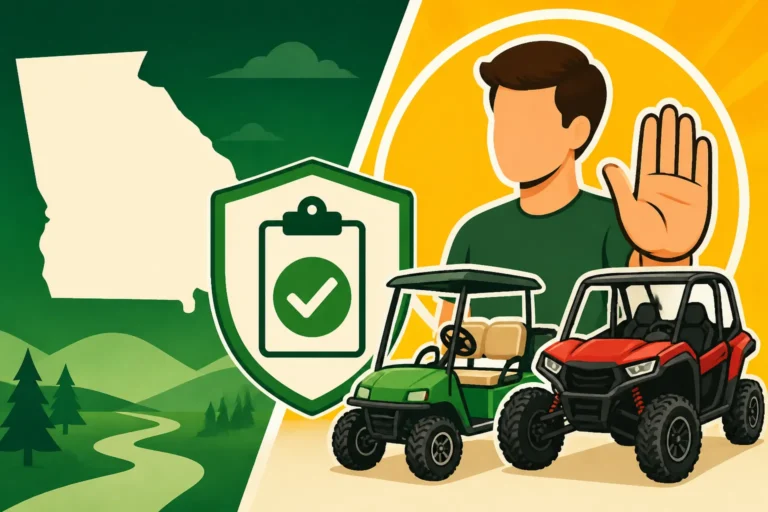
In Georgia, the general rule is pretty clear-cut: if you're under the age of 18, and you're operating or riding as a passenger on an ATV, UTV, or any other off-road vehicle (unless it's specifically excluded like a dirt bike on private land), you are legally required to wear an approved helmet. This rule applies whether you're tearing up trails on public lands or just cruising around your family's private property. The idea behind it is simple: to protect developing brains from potential injury in the event of a fall or collision. It's a non-negotiable safety measure designed to reduce the severity of head injuries, which, as we all know, can be life-altering.
Let's imagine a common scenario: you have a 16-year-old son who loves to ride your quad around the back fields of your farm on a Sunday afternoon, purely for recreation. Even though it's your private land, because he's under 18 and riding for fun, he absolutely must be wearing a helmet. Failing to do so can lead to a citation, and honestly, nobody wants to deal with a [Georgia Helmet Fine Amount] or the headache that comes with a violation, especially when safety is the real concern. The law prioritizes the safety of these younger riders above all else.
Why These Rules Can Be Frustrating
For many seasoned riders and especially for those who grew up using these machines as tools, the idea of a mandatory helmet, even for kids, can feel a bit restrictive or, frankly, just inconvenient. We get it. Helmets can be hot, they can feel cumbersome, and they can reduce your peripheral vision slightly. When you're working on familiar terrain, at slower speeds, and in an environment you know like the back of your hand, strapping on a helmet for every quick trip across the pasture can feel like overkill.
You might think, "I've been riding these things my whole life, and I never wore a helmet as a kid!" And that's a valid sentiment that many share. However, modern safety standards and a better understanding of injury prevention have led to these rules. The frustration is real, particularly for farming families where kids often help out with chores, and the lines between "work" and "leisure" can sometimes blur. It changes the dynamic of how you've always done things. But it's precisely because these machines are so integral to daily life on a farm that understanding the exceptions becomes even more critical.
The Agricultural Work Helmet Exemption in Detail
Now for the good news, or at least the clarification that can bring a lot of relief to Georgia's farmers, ranchers, and those involved in timber operations. Georgia law does provide a specific exemption from the helmet requirement when an ATV or UTV is being used for legitimate agricultural purposes. This isn't a blanket pass, though; it's tied directly to the nature of the activity.
Defining "Agricultural Work" in Georgia
The key to this exemption lies in understanding what Georgia's legal framework actually considers "agricultural work." It's more than just being on a farm; it's about the purpose of the ride. This exemption applies when the off-road vehicle is being used for tasks directly related to the operation of a farm, ranch, timber harvesting operation, or any other bona fide agricultural enterprise.
Let's break down what that often looks like in practice:
- Hauling and Transport: Moving feed to livestock, carrying tools or equipment to a repair site, transporting fence posts, or bringing water to remote fields.
- Inspections and Monitoring: Driving the UTV to inspect crops for pests or disease, checking fence lines for damage, monitoring irrigation systems, or overseeing livestock in pastures.
- Application and Management: Spraying fields (if the machine is equipped for it), spreading fertilizer, or performing tasks related to planting and harvesting.
- Forestry Operations: Surveying timber stands, transporting equipment for logging, or managing forest resources.
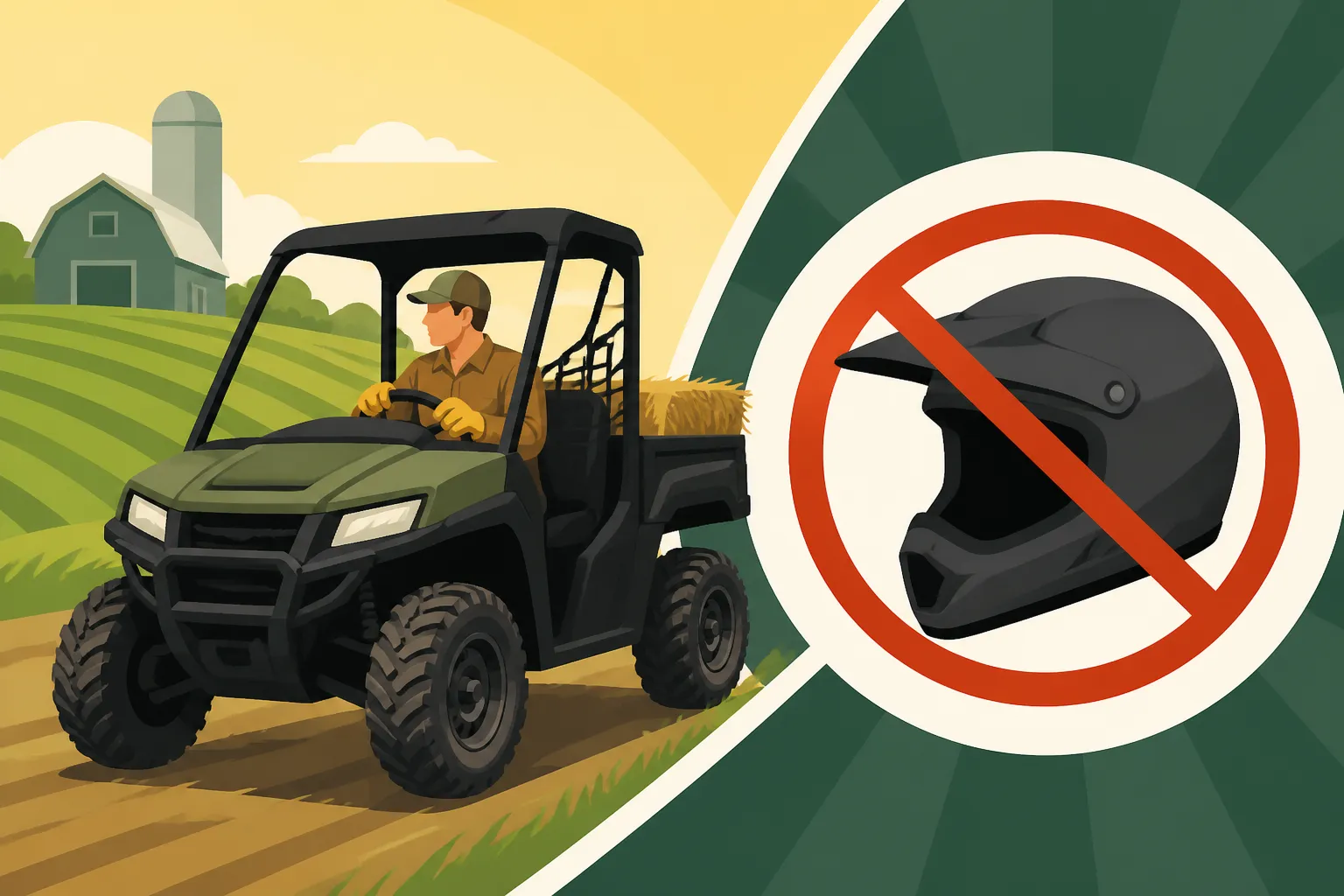
For instance, if you're using a UTV like a Polaris Ranger or a Kawasaki Mule, which are specifically designed with utility in mind, to carry bags of feed to your cattle in the far pasture, and your 15-year-old child is helping you by riding along to open gates, neither of you would typically be required to wear a helmet under this exemption. The activity itself – directly related to farm operations – is what triggers the [Georgia Farm and Logging Helmet Exemption].
What doesn't count? This is equally important. If that same 15-year-old decides to take the UTV for a joyride around the property after the chores are done, or to meet friends down the road for fun, that's recreational use. In those instances, the helmet rule for under-18s would absolutely apply. The law is very specific about the activity at hand, not just the general location.
Who Qualifies for the Exemption
The agricultural helmet exemption typically applies to both the operator and any passengers on the ATV or UTV, so long as everyone on the machine is actively engaged in the agricultural work being performed. It’s not just for the person driving; it extends to anyone riding along who is contributing to or assisting with the farm, ranch, or timber activity.
Consider this scenario: A farmer and their 14-year-old child are driving a John Deere Gator across their fields to fix a broken section of fencing. The child is holding the wire stretchers and fence clips. Because both individuals are directly participating in the agricultural task of fence repair, they would generally be exempt from the helmet requirement. This is a perfect example of the [Georgia Helmet Exemption for Farm Work] in action.
However, if the child was just riding along for fun while the parent did all the work, or if the purpose of the ride was simply to go to a fishing pond located on the farm, the exemption would likely not apply to the child if they are under 18. The intent and active participation in the agricultural task are key here. This makes a lot of sense, as it acknowledges that these machines are vital tools for many Georgians, and sometimes the practicalities of work need to be balanced with safety regulations.
Practical Considerations for Farmers
This exemption offers significant practical benefits for those involved in agriculture. Imagine having to don a helmet every time you need to make a quick trip to check a water line or move a few tools. The time and inconvenience can add up, especially during busy seasons. The exemption allows for greater efficiency and comfort during tasks that are often performed in hot weather or for extended periods.
While the exemption provides relief from the legal requirement, it's still crucial to remember that safety remains paramount. Being exempt doesn't mean the risk of injury disappears. However, it does mean that you can perform your duties without the added burden of a helmet, which can improve visibility and reduce heat fatigue, especially when you're working at slower, controlled speeds. Many farmers also choose to enhance their UTVs with utility-focused accessories, perhaps from a brand like SuperATV, adding things like heavy-duty cargo boxes, winch systems for clearing debris, or protective roofs that, while not replacing a helmet, can offer some shade and protection from elements during long workdays.
Navigating the Nuances and Proving Eligibility
Even with an exemption in place, there are always nuances and situations where understanding the specifics can save you a lot of trouble. The distinction between work and recreation, for example, isn't always black and white, and it's wise to be prepared for questions.
Documentation and Proof If Challenged
While law enforcement officers in rural areas are generally familiar with the realities of farm life, there might be rare occasions when a question arises, especially if the activity appears ambiguous. For example, if you're on a county road that bisects your farm, traveling between two parcels of your property while engaged in agricultural work, and a deputy sees a minor without a helmet, they might inquire.
It's not usually necessary to carry a binder full of paperwork, but being able to clearly articulate the specific farm task you are engaged in can be helpful. This might include mentioning what you're hauling, where you're going, and how it directly relates to your agricultural operation. If you operate a registered agricultural business, having a farm tax ID or other proof of your farming enterprise, while not explicitly required to prove helmet exemption, could offer additional context if a detailed explanation is needed. This kind of transparency can help clear up any misunderstandings quickly. Understanding [Georgia Sheriff Enforcement on County Roads] means knowing they're there to ensure safety, and a clear explanation of your work can often suffice.
Distinguishing Work from Recreation
This is perhaps the trickiest part, especially for machines that pull double duty. Let's take that same utility side-by-side. On Monday, it’s hauling hay bales, and the 16-year-old is helping without a helmet (exempt). On Saturday, that same 16-year-old is driving it around the same property, but this time they are just exploring the woods with friends. In the latter case, because the activity is recreational, the under-18 helmet rule would apply. The machine hasn't changed, the property hasn't changed, but the purpose of the ride has.
It's all about the intent and nature of the activity at that specific moment. This means families need to be vigilant about teaching younger riders when the helmet rule applies and when it doesn't. If there's any doubt about whether an activity falls under "agricultural work" or "recreation," especially for riders under 18, it's always safest to err on the side of caution and wear a helmet. Remember, the [Georgia ATV Rules on Private Property] still factor in age and activity.
Other Exemptions and Rules to Remember
It's also worth noting that the agricultural exemption isn't the only one out there. For instance, there might be specific exemptions for machines used in certain [Georgia Commercial Use Helmet Exemption] or even [Georgia Mining and Logging Work Exemptions] under particular circumstances. These are distinct from agricultural work but fall under a similar logic where the machine is primarily a tool for a specific industry.
Furthermore, remember that this helmet exemption primarily addresses head protection. It doesn't necessarily waive other equipment requirements if you somehow find yourself operating on public roads, even if it's just to cross one. While most farm ATVs and UTVs aren't typically registered as [What MPOHV Actually Stands For] to be street legal, if one were, it would need to meet all other road-legal criteria, regardless of the helmet exemption for work. Always be mindful of the specific context of your ride.
Best Practices for Safety, Even When Exempt
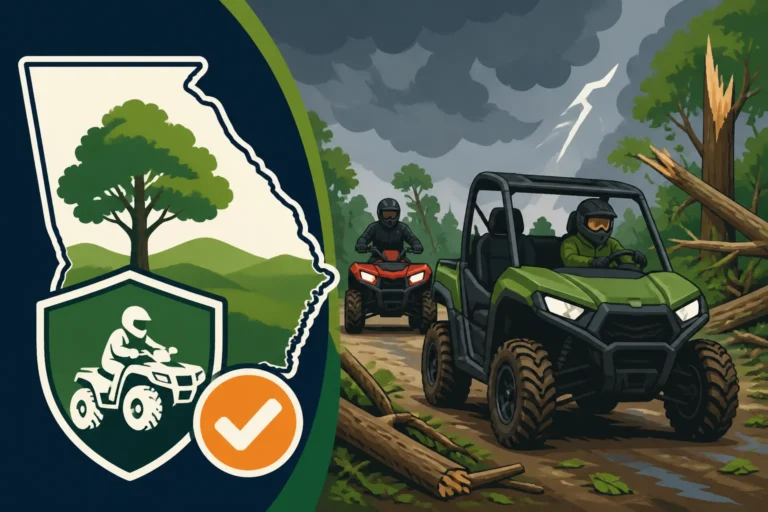
While the agricultural helmet exemption in Georgia provides much-needed flexibility for those performing vital work, it's absolutely crucial to remember that an exemption is not a waiver of risk. The inherent dangers of operating an ATV or UTV don't disappear just because you're using it for work or because a helmet isn't legally required.
The Wisdom of Wearing a Helmet Anyway
Let's be real: farm work can be incredibly dangerous. Rollovers, collisions with unseen obstacles, impacts from falling debris, or simply losing control on uneven terrain are all possibilities. A helmet, even when not legally mandated, provides an invaluable layer of protection for your head and brain. No one wants an accident, but if one occurs, a helmet significantly reduces the chance of severe injury. Many seasoned farmers, despite being exempt, choose to wear helmets as a personal safety measure, particularly when dealing with unfamiliar terrain, heavy loads, or higher speeds. It’s simply a smart practice. You can also look into other protective accessories, such as a sturdy roof or a windshield, from brands like SuperATV, which can offer some defense against overhead branches or kicked-up debris, even if they don't replace the direct head protection of a helmet.
Other Critical Safety Gear and Practices
Beyond helmets, a holistic approach to safety on the farm is essential. Think about:
- Eyewear: Dust, debris, branches, and insects are constant companions in agricultural settings. Protective eyewear is a must to prevent eye injuries.
- Gloves: Sturdy gloves protect your hands from scrapes, cuts, and vibrations, and can improve grip on controls.
- Sturdy Footwear: Boots that cover your ankles and have good traction are critical for stability, especially when mounting or dismounting, or if you need to step off the machine in rough terrain.
- Machine Maintenance: Regularly check your tires, brakes, fluids, and steering. A well-maintained machine is a safer machine.
- Avoid Overloading: Resist the urge to overload your ATV or UTV beyond its manufacturer-specified payload capacity. This significantly compromises stability and braking, especially on inclines or uneven ground. Remember, a machine like a UTV is designed for work, but it still has limits. If you're involved in an accident, understanding [Georgia Accident Reporting for a UTV Crash] is important, and being overloaded could complicate things.
- Secure Loads: If you're hauling anything, ensure it's properly secured. A shifting load can throw off the machine's balance. Check out the [Georgia Rules for Towing With a Side-by-Side] for best practices.
Training and Supervision
Even for experienced adult operators, a refresher course on safe ATV/UTV operation can highlight new techniques or reinforce good habits. For younger workers, even those exempt from wearing a helmet for agricultural tasks, strict supervision is paramount. Teach them proper riding techniques, load management, and the specific hazards of your property. Ensure they understand the machine's capabilities and limitations. There are many great [Georgia Safety Course Options That Exist] that can provide valuable education, even if the state doesn't mandate a specific one for agricultural use. While the [Georgia Under-18 Helmet Rule on Private Land] might be exempt for work, the need for careful training and adult guidance remains absolute.
| Scenario Category | Activity Example | Rider Age | Helmet Required? (Under Georgia Law) | Rationale |
|---|---|---|---|---|
| Agricultural Work | Hauling feed to livestock, checking fence lines | Any age | No (if directly engaged in work) | Exemption for bona fide agricultural operations. |
| Agricultural Work | Child (14) riding as passenger helping with spraying | Under 18 | No (if directly engaged in work) | Exemption extends to passengers assisting with farm tasks. |
| Recreational Use | Teenager (16) riding trails on family farm for fun | Under 18 | Yes | Standard rule for minors in recreational use, even on private land. |
| Recreational Use | Adult (25) riding trails on family farm for fun | 18 and over | No (optional for adults) | Adults generally not required to wear helmets for recreational use on private land. |
| Ambiguous Use | Child (15) driving to friend's house on neighbor's farm | Under 18 | Yes | Not directly related to agricultural work, thus recreational. |
Disclaimer
This article is for general informational purposes only and does not constitute professional advice. Laws, prices and regulations vary by location and change over time. Consult a qualified professional for guidance on your specific situation.